Troubleshooting Velvet Jewelry Tray Issues: Tarnish, Dust & Fading
Solve common velvet jewelry tray problems like dust buildup, silver tarnish, and UV fading with expert cleaning and material troubleshooting tips.

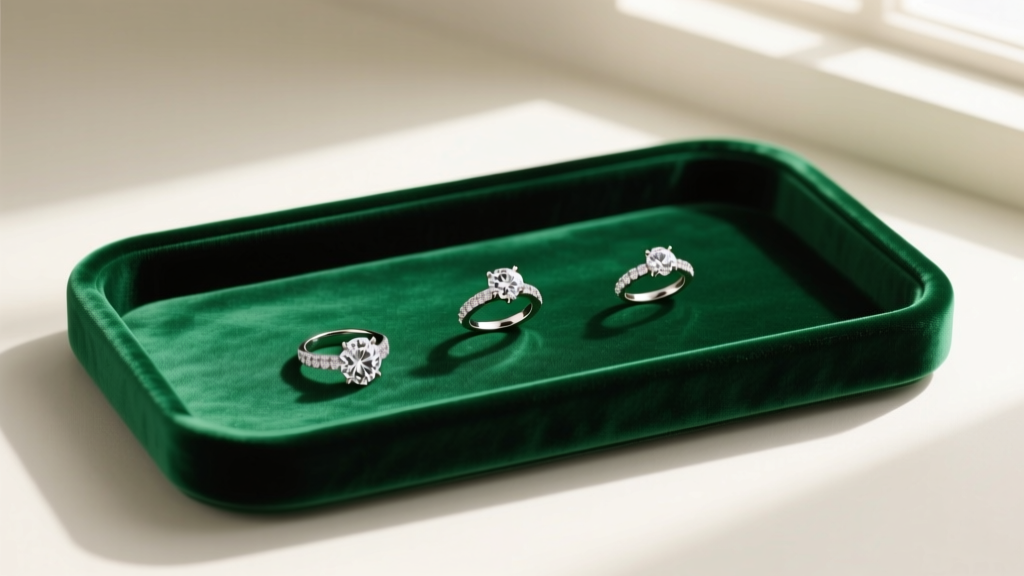
For decades, the velvet jewelry tray has been the undisputed gold standard for both retail display and private collection storage. The plush, light-absorbing texture provides a luxurious backdrop that makes diamonds sparkle and gold gleam. However, beneath the elegant surface lies a minefield of material science issues. If you have ever pulled a silver ring from a velvet insert only to find it coated in black sulfide, or spent hours picking lint out of a pearl necklace, you have experienced the inherent flaws of standard velvet storage.
As a jewelry archivist and storage consultant, I frequently troubleshoot these exact issues for collectors and boutique owners. In this guide, we will dismantle the most common problems associated with velvet jewelry trays—from chemical off-gassing and static attraction to crushed pile restoration—and provide actionable, museum-grade solutions to protect your valuables in 2026 and beyond.
The Hidden Dangers of Standard Velvet: Why Your Jewelry is Tarnishing
The most frequent and distressing complaint I encounter is accelerated tarnishing, particularly with sterling silver and copper-alloy pieces. Velvet itself does not cause tarnish; the manufacturing process does. Standard commercial velvet is often dyed using sulfur-based compounds to achieve deep, rich colors like navy, burgundy, and black. When enclosed in a drawer or jewelry box, these sulfur compounds off-gas and react with the copper in sterling silver, rapidly forming silver sulfide (the black layer we recognize as tarnish).
Furthermore, the adhesive used to bind the velvet fabric to the cardboard, MDF, or plastic base of the tray is a major culprit. Many cheap polyvinyl acetate (PVA) or solvent-based glues release volatile organic compounds (VOCs) and acetic acid as they cure and degrade over time. In a sealed environment, these acidic vapors create a microclimate that actively corrodes metals and degrades organic gems like pearls and coral.
The Archival Solution: Oddy Testing and Treated Fabrics
To solve this, museum conservators rely on the Oddy test, a standardized procedure used to identify materials that off-gas harmful chemicals. Since you cannot easily perform an Oddy test at home, you must source your velvet trays carefully. Look for trays explicitly labeled as "anti-tarnish" or "archival safe." High-end manufacturers treat their velvet with zinc or copper nanoparticles that act as sacrificial scavengers, absorbing sulfur and VOCs before they reach your jewelry. Alternatively, line standard velvet trays with Pacific Silvercloth or acid-free, unbuffered tissue paper to create a physical barrier between the metal and the dyed fibers.
Troubleshooting Dust and Static Attraction
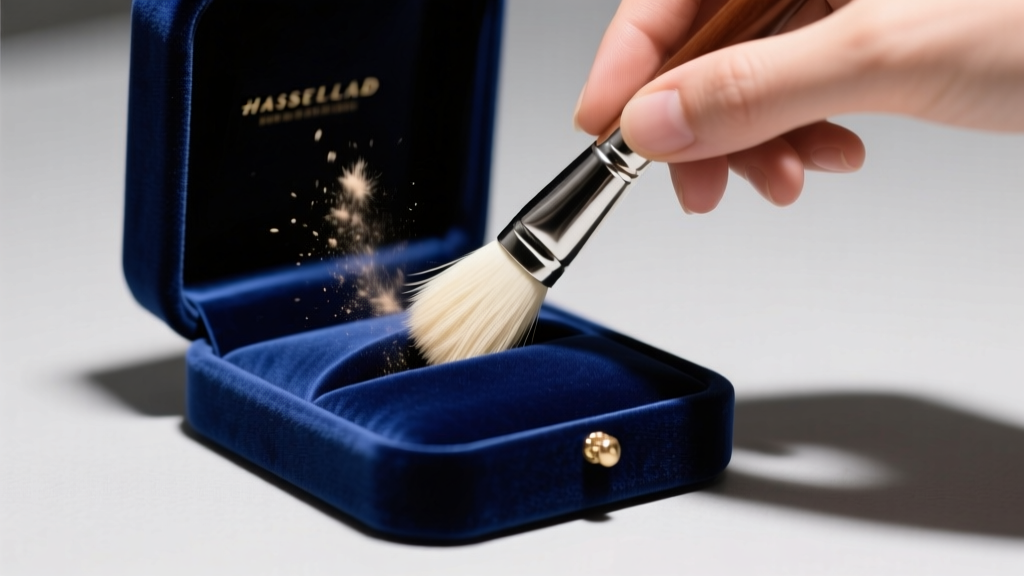
Velvet is a dust magnet. This is not just an optical illusion caused by the deep pile; it is a matter of physics. Most modern velvet jewelry trays are made from synthetic rayon or polyester blends. These synthetic fibers are highly susceptible to the triboelectric effect—commonly known as static electricity. As the air moves over the tray or as you slide jewelry in and out, electrons are transferred, leaving the tray with a static charge that actively pulls airborne dust, skin cells, and micro-lint onto the surface.
Actionable Fixes for Static Cling
- Control Ambient Humidity: Static electricity thrives in dry environments. Maintain the relative humidity (RH) in your storage room between 45% and 55%. This slight moisture in the air allows static charges to dissipate naturally.
- Use the Right Tools: Never use a microfiber cloth or cotton rag to wipe down a velvet tray; this will generate more static and leave fibers behind. Instead, use a soft, natural horsehair brush or a dedicated velvet lint brush with copper bristles to gently sweep the pile in one direction.
- Anti-Static Sprays: If you must use a spray, never apply it directly to the tray. Spray a small amount of archival-safe, non-silicone anti-static solution onto your brush, let it dry for five minutes, and then gently sweep the velvet.
Fixing Necklace Snags and Ring Roll Slippage
Have you ever placed a delicate chain necklace into a velvet groove, only to find it hopelessly tangled the next day? Or noticed that rings constantly slide out of their velvet rolls? This is a structural issue related to the "nap" or "pile direction" of the velvet.
Velvet has a directional grain. When you run your hand over it, it feels smooth in one direction (with the nap) and rough in the other (against the nap). If a tray manufacturer cuts and glues the fabric without paying attention to the nap direction, the microscopic fibers will act like tiny hooks, catching on the jump rings and links of your necklaces. Similarly, if ring rolls are wrapped with the nap pointing downward, gravity and the smooth texture will cause heavy rings to slip out.
The Fix: When loading necklaces into a velvet tray, always lay them with the nap (the smooth direction). You can test the nap by lightly dragging a clean, dry finger across the groove. If you are storing heavy signet or cocktail rings, gently press them into the roll and rotate them slightly against the nap to create friction, locking them in place.
Archival Safety Comparison: Velvet Types
Not all velvet is created equal. Understanding the material composition of your tray is critical for long-term jewelry preservation. Below is a comparison of the most common velvet types used in jewelry storage.
| Material Type | Static Risk | Tarnish/Off-Gas Risk | Pile Durability | Best Use Case |
|---|---|---|---|---|
| Synthetic Rayon/Polyester | High | High (Sulfur dyes, VOC glues) | Moderate (Crushes easily) | Short-term retail display, costume jewelry |
| Cotton Velveteen | Low | Moderate (Check dye stability) | High (Dense, short pile) | Everyday home storage, heavy rings |
| 100% Silk Velvet | Very Low | Low (If naturally dyed) | Low (Delicate, water spots) | High-end antique display, museum exhibits |
| Anti-Tarnish Treated | Low to Moderate | Very Low (Scavenger treatment) | High | Long-term silver and copper storage |
Step-by-Step Restoration: Reviving Crushed Pile
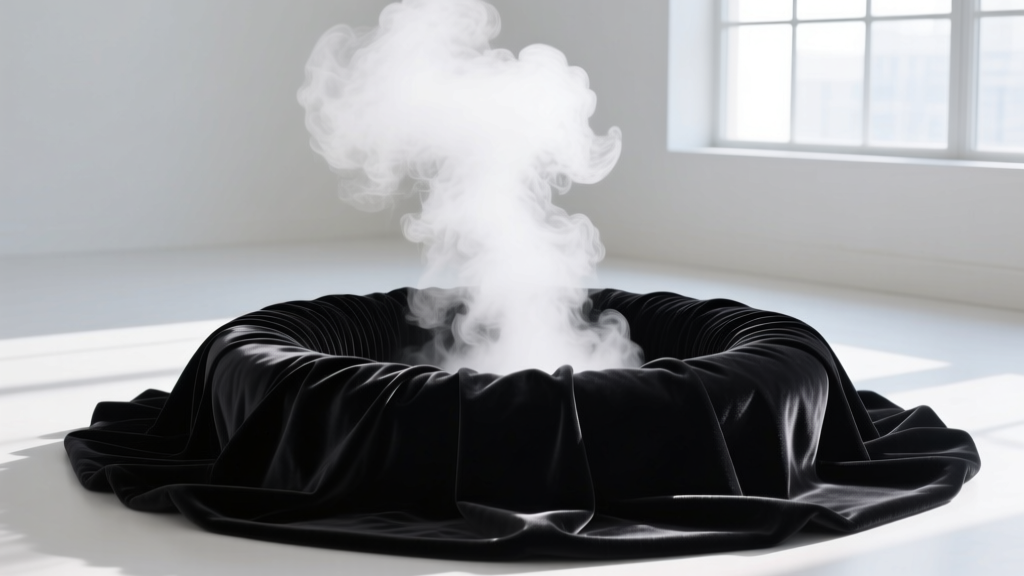
Over time, the weight of heavy jewelry and the friction of daily use will crush the velvet pile, leaving unsightly, shiny indentations. Do not attempt to iron or aggressively scrub the fabric, as this will melt synthetic fibers or permanently distort the weave. Instead, use a gentle steam-lifting technique favored by textile conservators.
- Prepare the Steamer: Use a handheld garment steamer filled with distilled water. Tap water contains dissolved minerals that will leave permanent white scale deposits on the dark fabric when the water evaporates.
- Apply Indirect Heat: Hold the steamer nozzle at least 6 to 8 inches away from the crushed velvet. Do not let the nozzle touch the fabric. The goal is to let the hot vapor relax the synthetic or cotton fibers, not to wet them.
- Lift the Nap: While the vapor is penetrating the fibers, gently brush the crushed area with a soft horsehair brush in the direction of the nap. The fibers will naturally stand back up as they absorb the moisture and heat.
- Dry Completely: Allow the tray to air dry in a well-ventilated area for at least two hours before placing any metal jewelry back onto it. Trapped moisture can accelerate localized tarnishing.
When to Upgrade: Alternatives for High-Value Collections
While velvet remains visually unmatched, it is not always the best choice for heirloom or high-value investment pieces. The Gemological Institute of America (GIA) recommends specific storage environments for different gemstones and metals. If you are storing highly reactive metals, porous organics (like opals, pearls, and turquoise), or pieces with fragile enamel work, consider transitioning away from standard velvet entirely.
For these sensitive items, museum-grade polyethylene foams (like Ethafoam) lined with unbleached, washed cotton muslin or acid-free Tyvek offer a chemically inert, zero-off-gassing alternative. While they lack the traditional luxury aesthetic of a velvet jewelry tray, they provide absolute chemical stability, ensuring that your most prized possessions remain pristine for generations. For the modern collector, the ultimate strategy is a hybrid approach: use treated, anti-tarnish velvet for daily-wear gold and diamonds, and reserve inert, archival-grade materials for your most vulnerable and valuable antiques.


