The Beginner's Guide to the Vintage Lady Buxton Jewelry Box
Discover how to identify, evaluate, and restore a vintage Lady Buxton jewelry box with our beginner-friendly guide to materials and care.

The Enduring Appeal of Vintage Lady Buxton
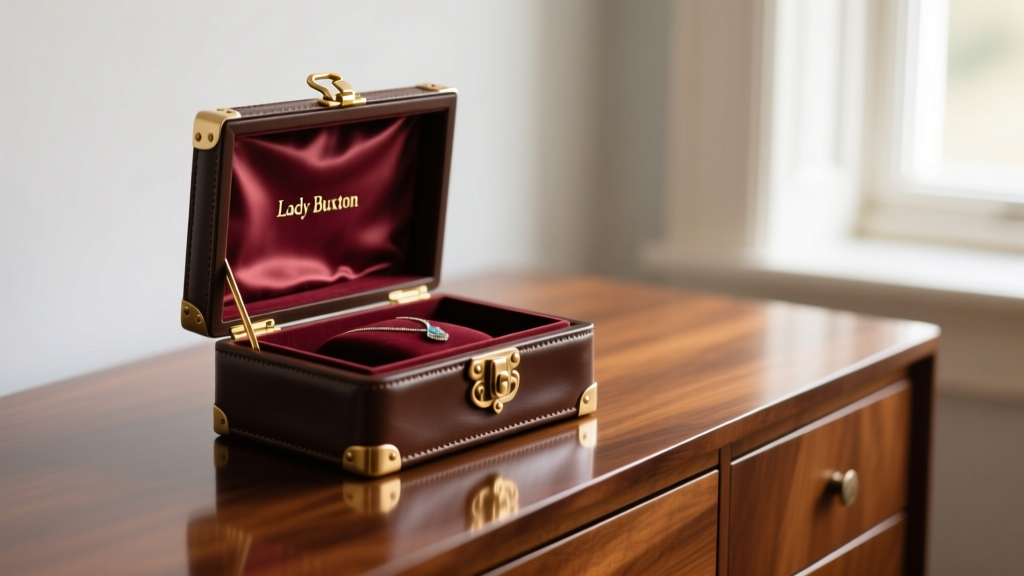
When it comes to mid-century and late-20th-century jewelry storage, few names carry the nostalgic weight and recognizable design cues of Lady Buxton. Originally celebrated for high-quality leather goods and travel accessories, the brand eventually expanded into vanity and jewelry storage. Today, collectors and jewelry enthusiasts actively seek out a vintage Lady Buxton jewelry box for its distinctive aesthetic, multi-tiered functionality, and surprisingly durable construction. Whether you have inherited a family heirloom or spotted a promising piece at an estate sale, understanding the materials, common failure points, and proper restoration techniques is essential. This beginner-friendly explainer will walk you through everything you need to know to evaluate, restore, and properly utilize these vintage storage treasures.
Identifying Authentic Mid-Century Pieces
The history of jewelry storage is vast, but Lady Buxton carved out a specific niche between the 1960s and 1980s. Authentic pieces from this era share several distinct characteristics that separate them from modern, mass-produced alternatives.
Exterior Materials and Construction
Unlike contemporary boxes made from thin MDF or injection-molded plastics, vintage Lady Buxton boxes typically feature a heavy, pressed-wood or reinforced cardboard substrate. This core is wrapped in high-grade polyvinyl chloride (PVC) leatherette or, in premium models, genuine top-grain leather. The leatherette used in the 1970s was notably thick, often featuring deep, realistic embossing that mimicked Moroccan or crocodile leather. Look for the hallmark stitched edges—often done with heavy-duty waxed thread—which were a signature of the brand's luggage-making heritage.
Interior Linings and Layouts
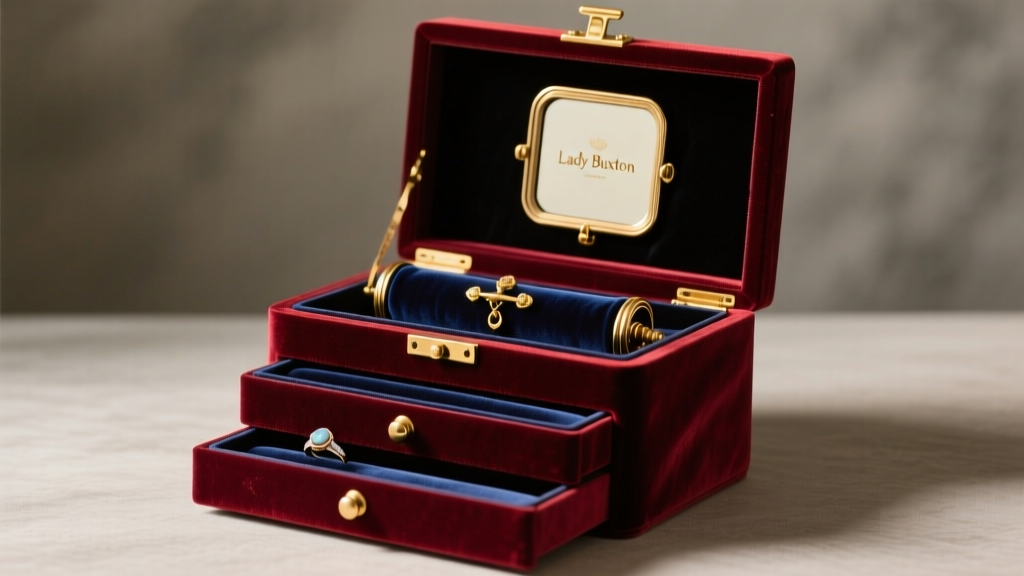
Open the lid, and you will immediately notice the interior lining. Lady Buxton predominantly used rayon velvet or acetate satin in rich jewel tones like emerald green, sapphire blue, or deep burgundy. The layouts were highly engineered, featuring wooden or plastic drawer runners, dedicated ring rolls, and spring-loaded flip-up mirrors. Many models also included a small, removable travel pouch tucked into the main compartment, a nod to the brand's travel-focused origins.
Evaluating Condition: A Buyer's Grading Matrix
If you are shopping for a vintage Lady Buxton jewelry box on platforms like eBay, Etsy, or local antique malls, accurately assessing the condition is critical to determining fair market value. Because these boxes are made of mixed materials (plastics, textiles, and metals), they age differently. Use the following grading matrix to guide your purchasing decisions in the 2026 collector's market.
| Condition Grade | Defining Characteristics | Estimated Market Value (USD) |
|---|---|---|
| Mint / New Old Stock | Original tags, no plasticizer migration, pristine velvet, fully functional hinges. | $150 - $250+ |
| Excellent | Minor surface wear, clean interior, all drawers slide smoothly, slight hardware patina. | $85 - $140 |
| Good (Restoration Candidate) | Sticky leatherette, crushed velvet, tarnished hinges, one or two stuck drawers. | $40 - $75 |
| Fair / Parts Only | Peeling vinyl, musty/moldy interior odor, broken structural substrate, missing hardware. | $15 - $30 |
Step-by-Step Restoration for Beginners
Finding a box in "Good" condition is often the sweet spot for beginners. It allows you to acquire a quality piece at a lower price and restore it with basic household supplies. Here is how to tackle the most common issues.
Reviving PVC Leatherette Exteriors
The most common issue with 1970s PVC leatherette is plasticizer migration. Over decades, the chemical plasticizers that keep the vinyl flexible rise to the surface, creating a sticky, gummy residue that attracts dust and lint. Do not use harsh solvents like acetone or rubbing alcohol, as these will strip the color and cause the vinyl to shatter. Instead, use a mild saddle soap or a dedicated vinyl cleaner. Apply the cleaner with a soft microfiber cloth, working in small circular motions. Once the sticky residue is lifted, seal the material with a light coat of carnauba-based vinyl protectant to lock in moisture and restore a subtle sheen.
Cleaning and Deodorizing Rayon Velvet
Rayon velvet is notorious for crushing and holding onto decades of dust, skin oils, and musty odors. Begin by using a soft-bristled upholstery brush attachment on a vacuum cleaner set to low suction to lift embedded particulate matter. For crushed pile, gently steam the velvet using a handheld garment steamer held at least six inches away, then brush the fibers upright with a soft clothes brush. To eliminate musty odors without introducing moisture (which can cause mildew), place a small breathable muslin bag filled with activated charcoal or dry baking soda inside the closed box for 72 hours.
Restoring Electroplated Hardware and Hinges
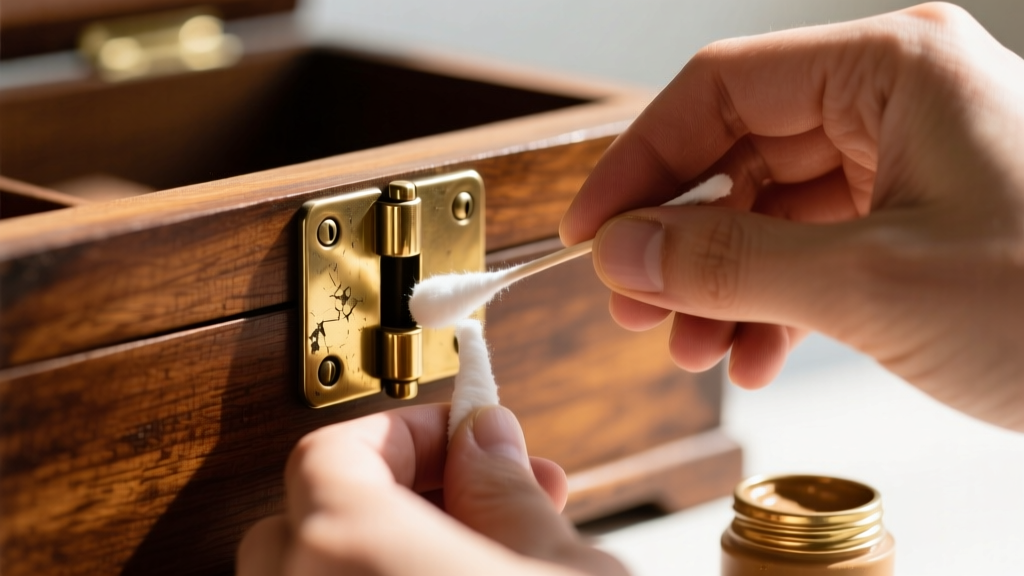
The hardware on vintage Lady Buxton boxes is typically stamped steel or zinc alloy with a thin brass or gold-tone electroplate. A common beginner mistake is using aggressive, abrasive polishes like Brasso or Tarn-X. These chemicals will strip the thin electroplating right off, exposing the base metal to rapid oxidation and ruining the piece. According to professional jewelry and metal care guidelines, gentle cleaning is paramount. Use a mild dish soap and warm water solution applied with a cotton swab to clean intricate hinge crevices. If polishing is necessary, use a non-abrasive, ammonia-free metal polish like Flitz, applying it with a microfiber cloth and buffing gently.
Fixing Sticky Drawer Runners
Multi-tiered Lady Buxton boxes often feature sliding drawers. Over time, humidity causes the wooden or composite runners to swell, making the drawers stick or jam. Carefully remove the drawer and inspect the runners. If they are swollen, lightly sand them with 400-grit sandpaper until the drawer slides freely. Finish by rubbing a small amount of pure beeswax or micro-crystalline wax along the runners to provide a smooth, moisture-resistant glide. Avoid using liquid silicone sprays, as they can seep into the substrate and stain the interior velvet lining.
Optimizing Your Restored Box for Modern Storage
Once your vintage Lady Buxton jewelry box is restored, it is time to organize your collection. While these boxes were designed for the jewelry of the 1970s, they can easily accommodate modern pieces if you understand the spatial dynamics of the compartments.
- The Ring Roll: Best suited for standard bands and solitaire rings. Avoid forcing thick, oversized statement rings into the slits, as this will permanently stretch and tear the aged rayon velvet.
- Lid Hooks and Elastic Bands: Use these for lightweight chains and pendants. Heavy, multi-strand statement necklaces should be laid flat in the bottom compartment to prevent the vintage elastic from snapping under the weight.
- Deep Bottom Compartment: Ideal for brooches, watches, and bangles. To maximize space and prevent scratching, use small, acid-free tissue paper to separate metal pieces.
Crucially, vintage boxes lack modern anti-tarnish technology. To protect your silver and copper pieces, line the bottom of the main compartment with a sheet of Pacific Silvercloth, or tuck a few 3M Anti-Tarnish strips into the corners of the drawers. These strips absorb sulfur compounds in the air and will keep your metals bright for up to two years before needing replacement.
Final Thoughts on Vintage Preservation
Restoring a vintage Lady Buxton jewelry box is a highly rewarding project that bridges the gap between functional storage and mid-century design appreciation. By understanding the specific material quirks—such as PVC plasticizer migration and delicate electroplating—you can rescue these beautiful pieces from the estate sale bargain bin and give them a second life. Treat the materials with respect, avoid harsh modern chemicals, and your restored box will safely house your jewelry collection for decades to come.


