White Standing Jewelry Box: The Ultimate Buying Guide
Discover what to look for in a white standing jewelry box. Our expert buying guide covers materials, anti-tarnish linings, and 2026 pricing tiers.

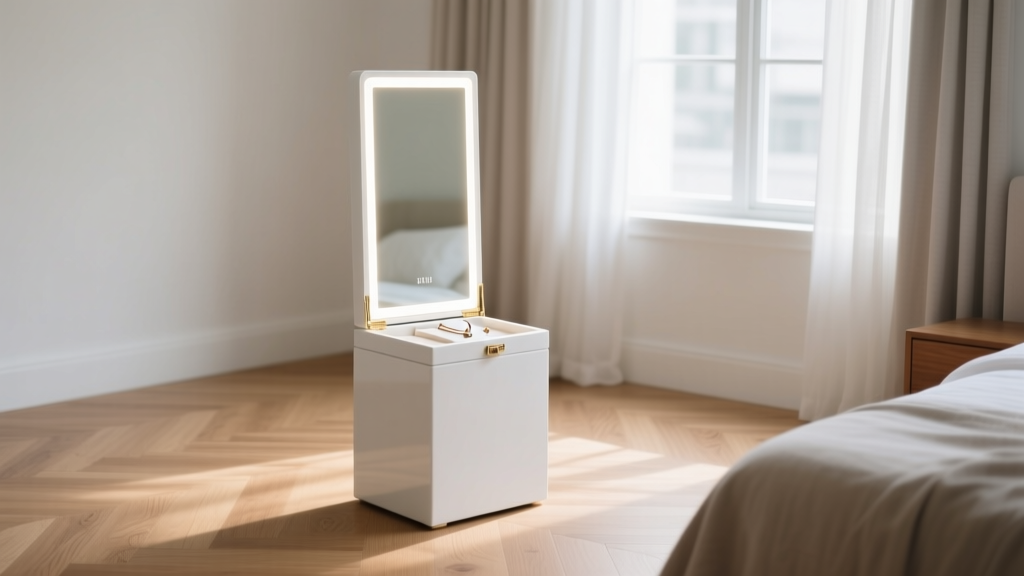
A white standing jewelry box is more than just a decorative accent; it is a critical micro-environment for preserving the structural integrity and finish of your fine jewelry. Whether you are investing in a towering floor-standing armoire or a substantial dresser-top cabinet, the market in 2026 offers a dizzying array of options. However, beneath the pristine white polyurethane finishes and LED-lit mirrors lie vast differences in material science, hardware longevity, and interior chemical safety. This comprehensive buying guide cuts through the marketing fluff to help you evaluate core construction, anti-tarnish technologies, and spatial ergonomics before making your purchase.
Architectural Form Factors: Floor-Standing vs. Dresser-Top
When shopping for a white standing jewelry box, the first decision is determining the architectural footprint that suits your space and collection size. Freestanding jewelry armoires typically range from 60 to 65 inches in height, 15 inches in width, and 10 inches in depth. These floor-standing units are ideal for large collections, offering full-length mirrors and locking doors that conceal deep drawers for bulky items like statement necklaces and watch winders.
Conversely, dresser-top standing boxes usually measure between 15 and 20 inches in height. While they occupy less floor space, they require a sturdy, level surface to prevent tipping, especially when top-heavy drawers are fully extended. When evaluating taller standing models, always check the base plate dimensions. A reliable floor-standing unit should have a base footprint that is at least 40% of its total height to maintain a safe center of gravity, preventing catastrophic tip-overs on plush bedroom carpets.
Material Science: Evaluating the White Finish and Core
The brilliant white exterior of a jewelry box is achieved through various painting and finishing techniques applied to different core materials. Understanding what lies beneath the paint is crucial for assessing durability and off-gassing risks.
| Core Material | Finish Type | Pros & Cons | Best For |
|---|---|---|---|
| MDF (Medium-Density Fiberboard) | PU (Polyurethane) Paint | Smooth, flawless finish; prone to chipping on edges; potential formaldehyde off-gassing if not certified. | Budget to mid-range buyers seeking a modern, seamless aesthetic. |
| Solid Wood (Birch/Rubberwood) | Opaque Lacquer or Paint | Superior screw-holding strength; heavy and stable; paint may show wood grain texture over time. | Heirloom-quality storage and heavy, multi-drawer armoires. |
| Cast Acrylic (Lucite) | Integral White Pigment | Shatter-resistant; modern translucent appeal; highly susceptible to micro-scratches and fingerprint smudges. | Contemporary vanities and display-focused collectors. |
If you opt for an MDF-based white standing jewelry box, it is imperative to verify that the manufacturer complies with strict emission standards. According to the California Air Resources Board (CARB), composite wood products must meet Phase 2 formaldehyde emission limits to ensure indoor air quality remains safe, particularly in poorly ventilated bedrooms. Always look for 'CARB Phase 2 Compliant' or 'TSCA Title VI' certifications in the product specifications.
Interior Micro-Environments: Anti-Tarnish Linings
The interior lining of your jewelry box is the most critical factor in preventing silver sulfide formation (tarnish) and gold surface degradation. Many budget-friendly white standing jewelry boxes utilize untreated polyurethane foam or standard synthetic felt. These materials are fundamentally hostile to fine metals; they trap ambient moisture and can emit sulfur-containing volatile organic compounds (VOCs) that accelerate tarnishing.
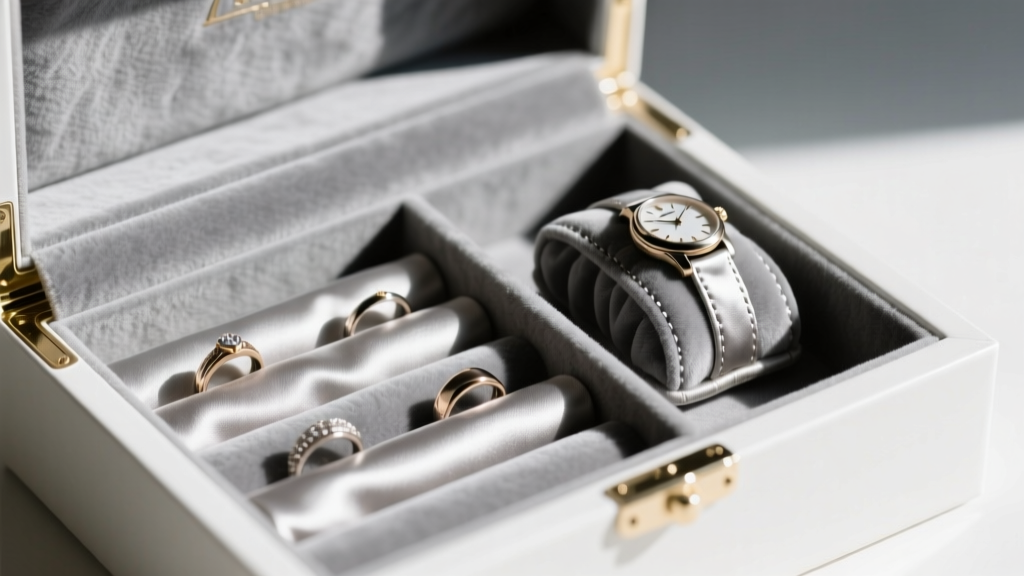
To protect your assets, seek out boxes lined with specialized anti-tarnish fabrics. The Gemological Institute of America (GIA) emphasizes that proper storage environments must mitigate exposure to sulfur and high humidity. Premium manufacturers use technologies like LusterLoc™ or Pacific Silvercloth, which are embedded with fine silver particles or zinc compounds that actively absorb and neutralize sulfide gases before they can reach your jewelry. When inspecting a potential purchase, check if the lining is tightly adhered without bubbling, and ensure that ring rolls are spaced at least 1.5 inches apart to prevent adjacent gemstones from scratching one another during transport or drawer movement.
Hardware, Hinges, and Mirror Specifications
The mechanical failure points of any standing jewelry box are its hinges and drawer slides. A heavy, mirrored door requires robust support. Avoid boxes that rely on simple, unassisted steel butt hinges, which will inevitably sag and misalign over time. Instead, look for soft-close hydraulic hinges or gas struts rated for the specific weight of the door. For drawer slides, side-mounted ball-bearing glides with a minimum load rating of 35 pounds ensure smooth operation even when the drawer is loaded with heavy metal bangles and solid gold chains.
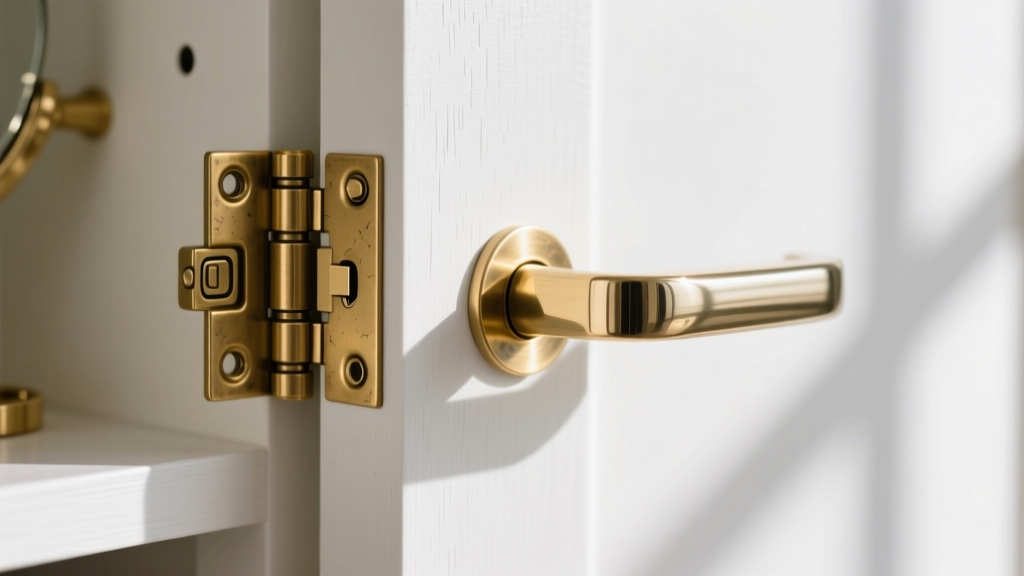
Regarding the mirror, not all reflective glass is created equal. High-end white standing jewelry boxes utilize silver-backed mirrors rather than aluminum-backed ones. Silver backing is far more resistant to 'black edge' (desilvering), a common failure mode caused by humidity penetrating the mirror's edge. Furthermore, if the unit features integrated LED lighting, verify the Color Rendering Index (CRI). A CRI of 90 or higher is essential for accurately distinguishing between the subtle color differences of white gold, platinum, and sterling silver when you are selecting your pieces.
Spatial Planning and Footprint Analysis
Before finalizing your purchase, conduct a rigorous spatial analysis of your intended placement area. A common mistake is measuring only the closed dimensions of the box. You must calculate the 'swing radius' of all doors and the full extension depth of every drawer. For a standing armoire with a 15-inch width and doors that open 170 degrees, you need a minimum clearance of 30 inches in front of the unit. Additionally, ensure that the top drawer, when fully extended, does not obstruct your line of sight to the mirror or interfere with adjacent furniture. If placing the box near a baseboard heater or HVAC vent, maintain a minimum 12-inch clearance to prevent thermal warping of the MDF core and premature drying of the interior velvet linings.
2026 Market Pricing and Value Tiers
The market for white standing jewelry boxes is distinctly segmented by price, which directly correlates to material integrity and interior micro-climate controls.
- Budget Tier ($50 - $110): Typically constructed from thin MDF with aluminum-backed mirrors and standard synthetic felt linings. Hardware is often lightweight zinc alloy. Suitable for fashion jewelry, but not recommended for unprotected sterling silver or fine gemstones.
- Mid-Range Tier ($150 - $280): Features thicker, CARB-compliant MDF or rubberwood blends, silver-backed mirrors, and basic anti-tarnish velvet. Drawers utilize ball-bearing slides. This is the sweet spot for everyday fine jewelry collectors seeking a balance of aesthetics and functional preservation.
- Luxury Tier ($350 - $800+): Solid hardwood construction with multi-step painted finishes, advanced LusterLoc™ or Intercept™ anti-tarnish linings, high-CRI LED integration, and soft-close hydraulic hardware. These units are designed for serious horologists and high-jewelry collectors requiring museum-grade storage conditions.
Final Verdict: Matching the Box to Your Collection
Selecting the right white standing jewelry box requires looking past the pristine exterior to evaluate the structural and chemical realities of the interior. By prioritizing CARB-compliant core materials, insisting on active anti-tarnish linings, and verifying the mechanical ratings of the hardware, you ensure that your storage solution actively preserves your collection rather than degrading it. Whether you choose a sleek acrylic dresser-top model or a towering solid-wood armoire, applying these rigorous buying criteria will guarantee your jewelry remains as brilliant as the day you acquired it.


