Art Connection Jewelry For Him And Her: Care & Repair
Troubleshoot and repair your Art Connection jewelry for him and her. Expert fixes for wire wrapping, mixed media care, and clasp replacements.

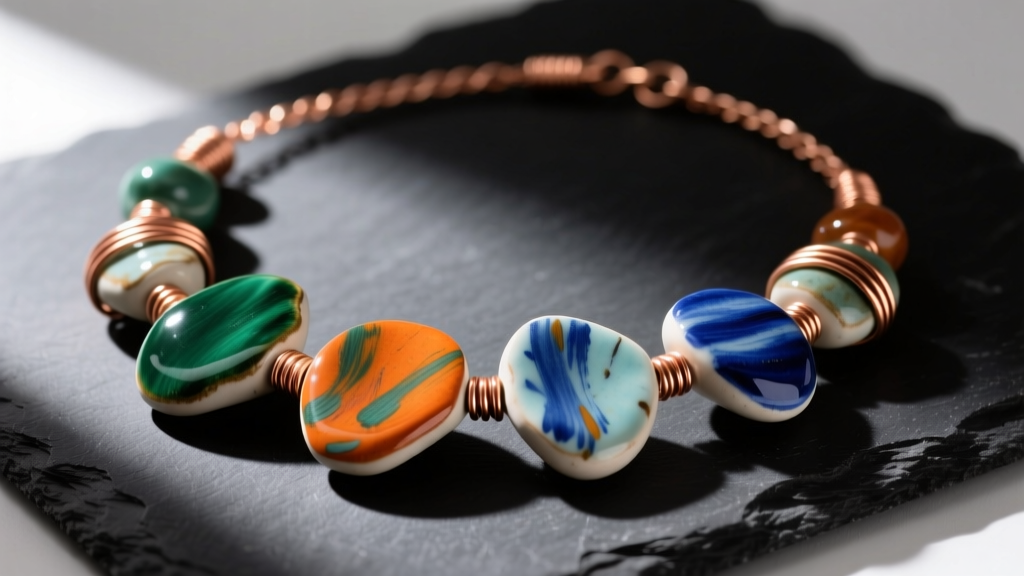
The Unique Anatomy of Art Connection Mixed-Media Pieces
As of 2026, artisan mixed-media jewelry has seen a massive resurgence in the gifting market, but maintaining these pieces requires specialized knowledge. Art Connection jewelry is celebrated for its handcrafted, eclectic approach. Unlike mass-produced cast metals, these pieces frequently combine hand-painted ceramics, dichroic glass, natural wood, and oxidized copper or brass wire. When you are gifting or maintaining art connection jewelry for him and her, you are dealing with two distinct structural profiles that require unique troubleshooting methods.
"His" pieces typically feature heavier focal beads on thicker leather or waxed cotton cords, designed to withstand higher tensile stress but prone to specific failure points at the crimp. "Her" pieces often utilize intricate wire-wrapping, delicate glass elements, and lighter chains, making them susceptible to wire fatigue and snagging. Standard commercial jewelry repair shops often refuse to work on these mixed-media items because ultrasonic cleaners and commercial polishing wheels will instantly destroy the hand-painted glazes and resin seals. To keep these romantic, matching sets in pristine condition, you must adopt a specialized, at-home troubleshooting approach.
Troubleshooting Common Failure Modes in His & Hers Sets
1. Wire-Wrap Fatigue and Bail Breakage
The most common issue with Art Connection pendants is the snapping of the wire-wrapped bail. Artisans typically use copper or brass wire, which undergoes "work hardening" over time. Every time the pendant flips or catches on a sweater, the metal's crystalline structure becomes more brittle. Eventually, the wire snaps at the neck of the wrap. To fix this, you cannot simply bend the broken wire back; it will shatter. You must replace the wrap using fresh, dead-soft wire.
2. Painted Ceramic and Glass Bead Degradation
Many of the focal beads in these sets feature hand-painted designs sealed with a delicate resin or kiln-fired glaze. A frequent troubleshooting nightmare occurs when well-meaning owners use commercial silver dip or ultrasonic cleaners to brighten the wire wrapping, only to watch the paint strip off the ceramic bead. According to the Gemological Institute of America (GIA), porous and treated materials must never be subjected to high-frequency vibrations or harsh chemical solvents, as this causes irreversible micro-fracturing and paint loss.
3. Clasp and Cord Stress (The Weight Discrepancy)
Men's leather cords often fail precisely at the metal crimp bead. The heavier weight of the men's ceramic focal bead pulls against the neck's movement, creating a shearing force that cuts through the leather over time. Women's pieces, while lighter, often suffer from jump ring distortion if the clasp is pulled rather than unfastened properly. Troubleshooting this requires upgrading the cord-to-clasp connection using wire guardians and heavier gauge jump rings.
Material-Specific Cleaning and Care Matrix
Because art connection jewelry for him and her incorporates diverse materials, a one-size-fits-all cleaning approach is disastrous. Use the following matrix to safely maintain the integrity of your matching sets without compromising the artisan finishes.
| Material Component | Primary Vulnerability | Safe Cleaning Method | Dangerous Chemicals / Tools |
|---|---|---|---|
| Copper/Brass Wire | Tarnish & Work Hardening | Lemon juice & salt bath (remove bead first) | Ammonia (weakens wire structure) |
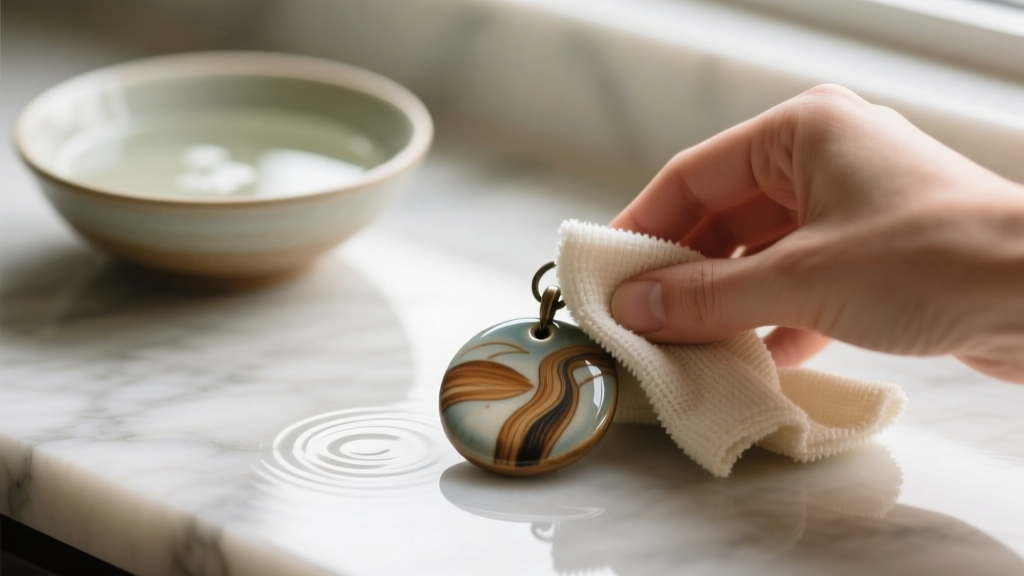
| Painted Ceramic | Paint stripping & chipping | Damp microfiber cloth, mild dish soap | Ultrasonic cleaners, Rubbing Alcohol |
| Dichroic / Fused Glass | Scratching & adhesive clouding | Glass cleaner sprayed on cloth (not directly) | Acetone, Abrasive polishing pastes |
| Leather / Waxed Cord | Stretching, drying & snapping | Beeswax-based leather conditioner | Water immersion, Soap |
For routine maintenance, the Jewelers of America recommends using a soft, untreated polishing cloth for the metal findings, completely avoiding the bead surfaces to prevent transferring tarnish-removing chemicals onto the porous ceramic or wood elements.
Step-by-Step: Rewrapping a Broken Art Connection Pendant
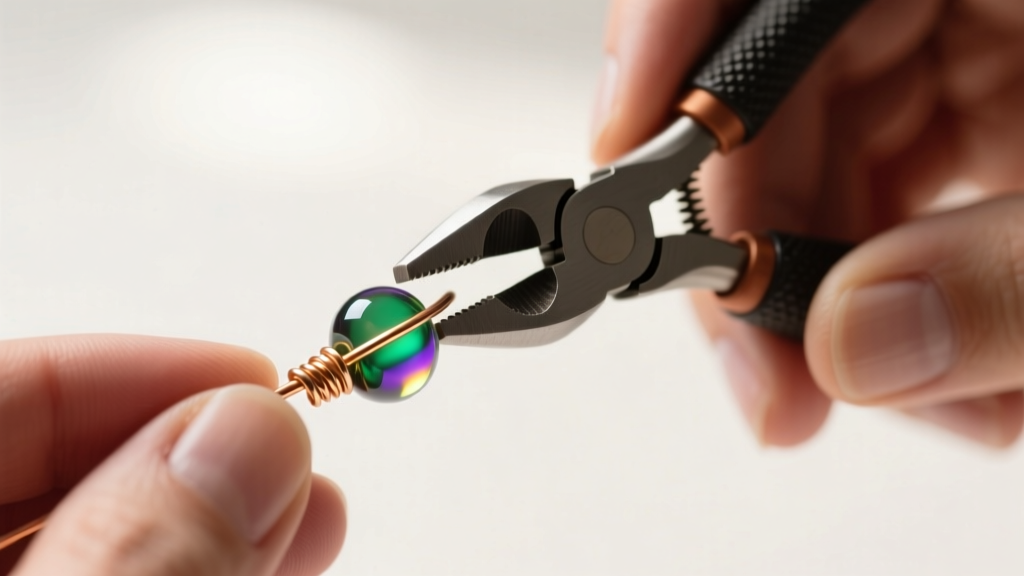
If the wire bail on her pendant or his heavy focal bead has snapped, follow this professional wire-wrapping troubleshooting protocol to restore the piece. You will need 20-gauge dead-soft copper wire, flush cutters, chain-nose pliers, and nylon-jaw pliers to prevent marring the soft metal.
- Remove the Old Wire: Carefully use flush cutters to snip the old, hardened wire away from the bead. Do not pull or pry, as this can chip the ceramic hole edges.
- Prepare the New Wire: Cut a 6-inch piece of 20-gauge dead-soft copper wire. Thread it through the bead's top-drilled hole, leaving a 1.5-inch tail on one side.
- Create the Anchor Wrap: Take the long end of the wire and wrap it tightly around the short tail two times, right at the top of the bead hole. This locks the bead in place.
- Form the Bail: Using your round-nose pliers, bend the long wire upward to create a teardrop-shaped loop (the bail) large enough to accommodate a thick leather cord or chain.
- Secure and Finish: Wrap the remaining wire down the neck of the bail, covering the initial anchor wraps. Snip the excess flush and use chain-nose pliers to tuck the sharp wire end tightly against the coil so it won't snag on clothing.
- Seal the Wire: Apply a microscopic drop of G-S Hypo Cement to the tucked wire end to prevent it from unraveling over time.
Sourcing Replacement Components for Matching Sets
One of the greatest challenges in repairing art connection jewelry for him and her is replacing a lost or shattered bead while maintaining the "matching" aesthetic of the set. Art Connection beads are often limited-run or one-of-a-kind artisan pieces. If a ceramic bead shatters beyond repair, do not attempt to glue the shards back together; the structural integrity will be compromised, and the repair lines will be highly visible.
Instead, pivot to a "complementary" repair strategy. Source a dichroic glass bead from specialized lampwork artisans on platforms like Etsy or local glassblowing guilds that matches the dominant color palette of the surviving piece. For example, if his bracelet features deep ocean-blue ceramic, replace her shattered pendant with a blue-and-teal dichroic glass focal bead. This maintains the thematic connection of the his-and-hers set while acknowledging the bespoke nature of the repair.
When to Seek Professional Artisan Help
While wire wrapping and cord replacement are manageable DIY troubleshooting tasks, certain failures require a professional metalsmith or the original artisan. If the copper wire is embedded directly into a fired ceramic bead (a technique where the wire is kiln-fired inside the clay), you cannot remove it without destroying the bead. Similarly, if the jewelry features complex resin inlays that have yellowed or cracked, attempting to sand and re-pour the resin at home will likely ruin the piece.
Expert Insight: Always store mixed-media his and hers sets in separate anti-tarnish pouches. The friction between a heavy men's brass clasp and a delicate women's painted pendant in a shared jewelry box is the leading cause of micro-scratches and glaze degradation in artisan collections.
By understanding the specific material properties and failure modes inherent to mixed-media designs, you can ensure that your romantic jewelry gifts remain wearable, beautiful, and structurally sound for decades to come. Proper troubleshooting is not just about fixing what is broken; it is about respecting the artisan techniques that made the jewelry special in the first place.