Brass Jewelry Explained: How to Wear It Without Turning Green
Discover everything about brass jewelry, from alloy compositions to preventing green skin. A beginner-friendly guide to wearing and caring for brass.

The Appeal and Reality of Brass Jewelry
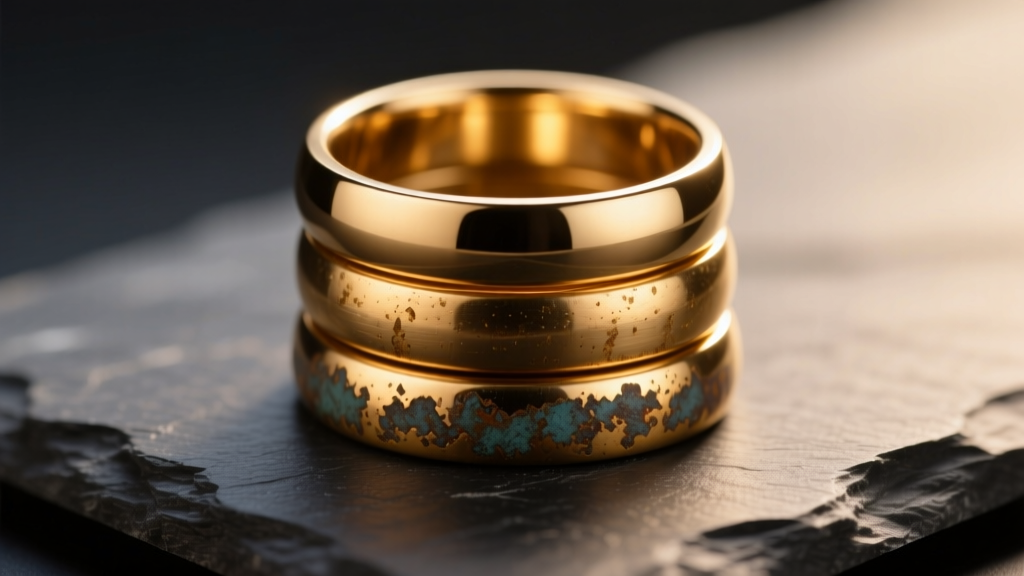
Brass jewelry has experienced a massive resurgence among artisan jewelers and vintage collectors alike. It offers the warm, luxurious luster of 14k gold at a fraction of the cost, making it an incredible entry point for those looking to build a robust jewelry wardrobe. However, brass carries a notorious reputation for leaving unsightly green or black stains on the skin. For beginners, this can be incredibly frustrating, leading many to abandon their favorite pieces in a drawer.
The truth is that brass is a highly manageable, durable, and beautiful base metal. The key to enjoying it lies in understanding its metallurgical makeup, the chemistry behind skin reactions, and the specific barrier methods you can use to seal the metal. This guide will break down everything you need to know to confidently buy, wear, and maintain brass jewelry without the dreaded green stains.
What Exactly is Brass? The Metallurgy Basics
At its core, brass is not a pure elemental metal; it is an alloy composed primarily of copper (Cu) and zinc (Zn). By altering the ratio of these two elements, metallurgists can drastically change the color, hardness, and malleability of the final product. For jewelry makers, the specific alloy designation matters immensely, as it dictates how the piece will cast, polish, and react to human skin.
Common Jewelry Alloys
Not all brass is created equal. Cheap, mass-produced imports often use undefined scrap brass that may contain trace amounts of lead (added to improve machinability) or nickel. According to the American Academy of Dermatology, nickel is a leading cause of allergic contact dermatitis, making it crucial to verify your brass source. Reputable jewelers typically rely on specific, standardized alloys:
| Alloy Designation | Composition | Color Profile | Best Jewelry Use |
|---|---|---|---|
| C26000 (Cartridge Brass) | 70% Cu / 30% Zn | Bright, rich yellow gold | Rings, cuffs, and high-polish items |
| C23000 (Red Brass) | 85% Cu / 15% Zn | Warm rose-gold / pinkish hue | Cast pendants and vintage-style pieces |
| C28000 (Muntz Metal) | 60% Cu / 40% Zn | Duller, slightly brownish yellow | Heavy structural components, rarely polished |
For beginners, C26000 Cartridge Brass is the gold standard. It is highly ductile, takes a mirror finish beautifully, and is generally free from the problematic trace metals found in cheaper hardware-store brass.
The Chemistry of the 'Green Skin' Reaction
Let's debunk a common myth: green skin does not mean the jewelry is 'fake' or toxic. It is simply a predictable chemical reaction. Human sweat is mildly acidic, typically ranging from a pH of 4.5 to 7.0, and is loaded with chloride ions from salt, alongside oils, lotions, and environmental pollutants.
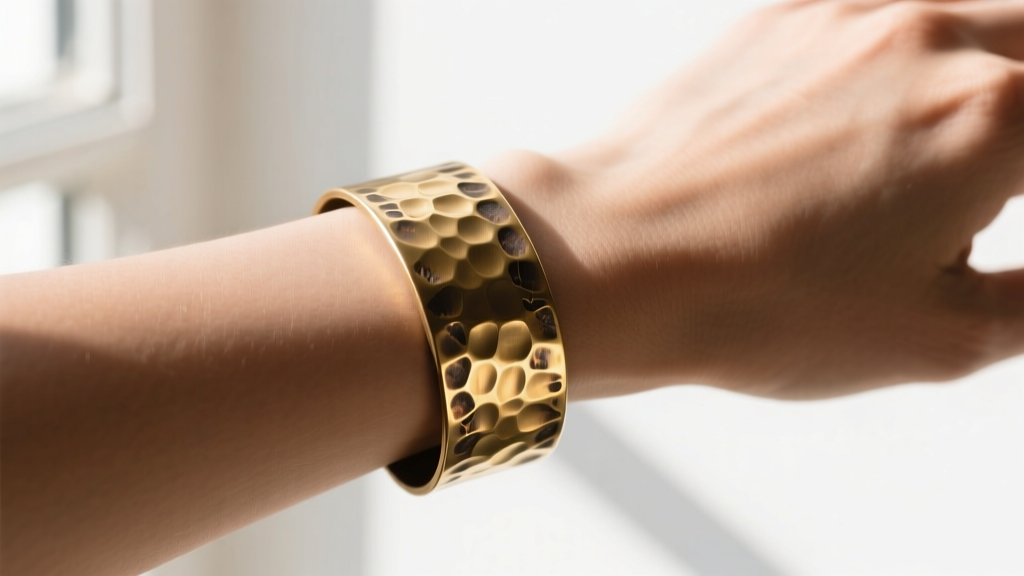
When the copper in your brass jewelry comes into prolonged contact with this acidic, salty moisture, it oxidizes and forms copper chloride and copper chelates. These compounds are green and easily transfer to the stratum corneum (the outermost layer of your skin). The intensity of this reaction depends heavily on your individual body chemistry. People with more acidic sweat, or those who live in high-humidity environments, will experience faster and darker staining.
'The green stain is entirely harmless and washes off with soap and water, but it is understandably undesirable for aesthetic reasons. Managing the moisture barrier between the metal and the skin is the only permanent fix.' — Gemological Institute of America (GIA) educational resources on base metal care.
Proven Methods to Prevent Tarnish and Staining
If you want to wear your brass jewelry daily without worrying about skin discoloration, you must create a physical barrier between the metal and your sweat. Here are the most effective methods, ranked from professional to DIY:
1. Copolymer Coatings (The Professional Choice)
Products like ProtectaClear or Everbrite are specifically engineered for jewelry. These are clear, skin-safe copolymer coatings that cure into a microscopic, durable shell over the metal. Unlike sprays, they self-level, meaning they won't pool in the crevices of intricate filigree work. A single coat can last for months of daily wear before needing a gentle reapplication.
2. Microcrystalline Wax (The Conservator's Secret)
Renaissance Wax is a staple in museum conservation. It is a highly refined, acid-neutral wax that buffs to a hard, invisible shine. While excellent for pendants, earrings, and brooches, wax tends to wear off quickly on rings and bracelets due to the high friction and frequent hand-washing associated with those areas.
3. Clear Nail Polish (The Budget Hack)
Painting the inside of a brass ring with clear polyurethane nail polish is a classic beginner trick. While it works in a pinch, it is not recommended for high-end artisan pieces. Nail polish tends to chip, peel, and yellow over time, and removing it requires acetone, which can damage certain gemstones or patinas on the exterior of the piece.
4. Rhodium or Gold Flash Plating
Many commercial brands solve the issue by electroplating a microscopic layer of rhodium or 18k gold over the solid brass core. This provides the structural weight and affordability of brass with the hypoallergenic, non-tarnishing surface of a precious metal. However, once this plating wears through (usually after 1 to 2 years of daily wear), the brass underneath will be exposed.
Cleaning Protocols and Patina Management
Over time, unsealed brass will develop a patina—a dark, mottled oxidation layer caused by exposure to oxygen and sulfur in the air. Some collectors prize this antique look, while others prefer a brilliant shine. Fortunately, brass is incredibly forgiving and easy to restore.
DIY vs. Commercial Cleaners
When it comes to cleaning, you don't need harsh chemicals. In fact, commercial polishes like Brasso contain ammonia and abrasive micro-particles that can scratch high-polish finishes and strip intentional antiquing from engraved details.
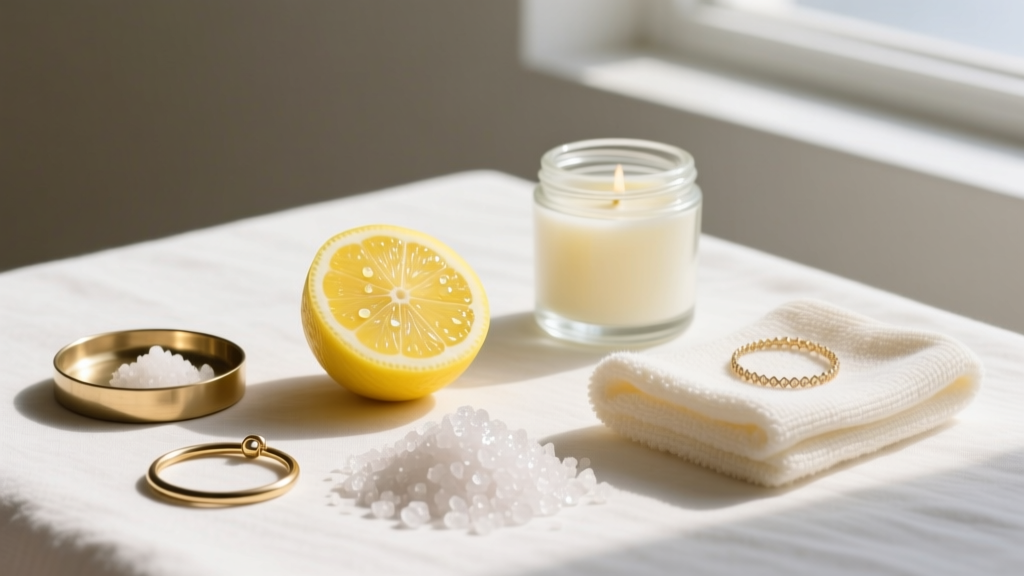
- The Ketchup Method: The acetic acid in tomatoes, combined with the salt in ketchup, gently dissolves copper oxide. Coat the piece, let it sit for 10 minutes, and rinse thoroughly.
- Lemon and Baking Soda: Create a paste with fresh lemon juice and baking soda. Apply with a soft toothbrush to reach intricate textures, then rinse and dry immediately to prevent water spots.
- Mild Soap and Water: For routine maintenance, simply washing your brass jewelry with standard dish soap and a soft cloth after wearing it removes the acidic sweat and oils before they can trigger heavy oxidation.
Smart Buying Advice for Beginners
When shopping for brass jewelry, always read the product descriptions carefully. Look for the term 'solid brass' or specific alloy callouts like 'jeweler's grade C26000 brass.' Be highly skeptical of terms like 'brass-toned' or 'brass-plated,' as these usually indicate a base of cheap steel or zinc alloy that will eventually flake, rust, and degrade.
In terms of pricing, expect to pay between $15 and $45 for mass-produced solid brass pieces, and $50 to $150+ for hand-forged, artisan-crafted solid brass jewelry featuring high-quality lapidary stones. By investing in solid, well-made brass and utilizing a simple clear-coat barrier, you can enjoy the golden warmth of this historic alloy for a lifetime, completely stain-free.


