How Do You Clean Copper Jewelry? Expert Step-by-Step Guide
Learn how do you clean copper jewelry safely. Expert step-by-step methods for raw copper, sealed finishes, and delicate gemstone inlays.

The Chemistry of Copper Tarnish: Why It Happens
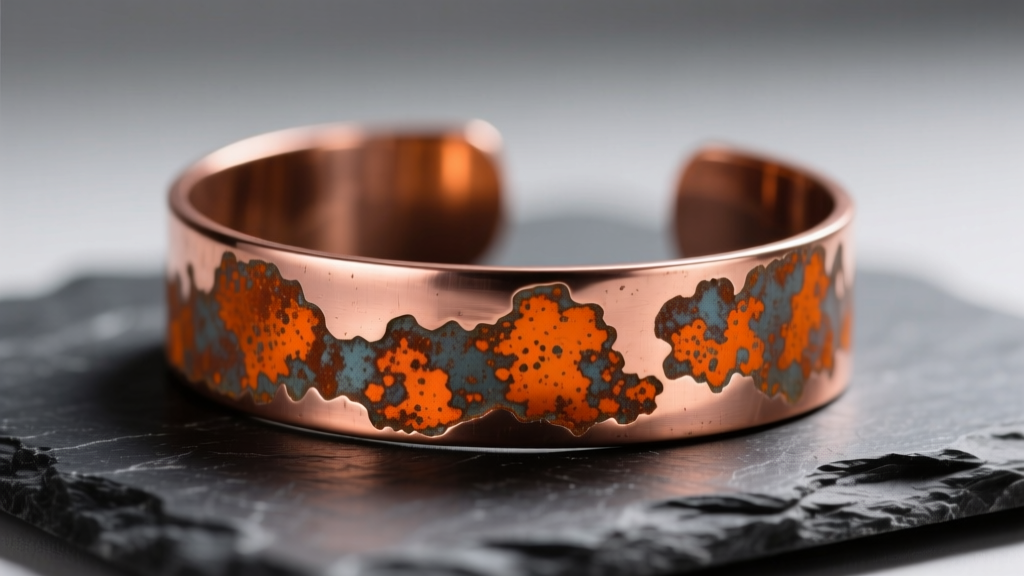
Copper is a highly reactive, non-ferrous metal. Unlike gold or platinum, it actively interacts with its environment. When exposed to oxygen, moisture, and sulfur compounds in the air (or on your skin), copper undergoes oxidation. This creates a layered chemical reaction: first forming copper oxide (which appears as a dull brown or black tarnish), and eventually, in the presence of carbon dioxide and moisture, forming copper carbonate—commonly known as verdigris (the bright green patina).
When collectors and artisans ask, how do you clean copper jewelry without stripping its character or damaging delicate inlays, the answer is never a one-size-fits-all approach. The internet is flooded with generic advice suggesting ketchup, lemon juice, or vinegar. While these weak acids (pH 2.0 to 3.5) do strip oxidation, they are highly destructive to intentional patinas, porous gemstones, and micro-textured surfaces. As a master jeweler, I recommend a methodical, chemistry-based approach to restoration and maintenance.
Step 1: Identify Your Copper Finish
Before applying any cleaner, you must identify the surface treatment of the piece. Misidentifying the finish is the leading cause of irreversible damage to artisan copper jewelry.
Raw, Unsealed Copper
This copper has no protective coating. It will tarnish quickly, develop a natural patina from skin oils, and leave a temporary green mark on the skin (a harmless reaction caused by copper chelates). It feels slightly metallic to the touch and smells like pennies when rubbed.
Sealed or Lacquered Copper
Commercial copper jewelry is often coated with a clear polyurethane lacquer or nano-ceramic sealant (like ProtectaClear) to prevent tarnish. If the piece remains brilliantly shiny after months of wear and lacks a metallic scent, it is sealed. Never use acids or abrasives on sealed copper; you will cloud and strip the polymer coating.
Intentional Patina (Liver of Sulfur)
Many metalsmiths use Liver of Sulfur (LOS) to force a dark brown, black, or iridescent patina, then polish the high spots to create contrast. Acidic cleaners will strip this intentional antiquing in seconds, ruining the artisan's design.
Step-by-Step: How Do You Clean Copper Jewelry (Raw & Unsealed)
If you have confirmed your piece is raw, unsealed copper with no gemstone inlays, follow this controlled restoration process to remove heavy oxidation without pitting the metal.
- The Surfactant Wash: Mix warm water with a few drops of pH-neutral dish soap (like Dawn). Use a soft baby toothbrush to gently scrub away surface oils, lotions, and dirt. This prevents you from grinding debris into the metal during the polishing stage. Rinse and pat dry with a microfiber cloth.
- Targeted Acid Bath (For Heavy Tarnish Only): Create a solution of 1/2 cup distilled white vinegar (acetic acid) and 1/4 teaspoon of non-iodized salt. The chloride ions in the salt act as a catalyst, accelerating the acid's ability to dissolve copper oxide. Submerge the jewelry for no more than 60 seconds. Prolonged exposure will cause micro-pitting and a salmon-pink, stripped appearance.
- Immediate Neutralization: Remove the piece and immediately submerge it in a baking soda and water bath (pH 8.3) to halt the acidic reaction. Rinse thoroughly with distilled water.
- Mechanical Polishing: Once completely dry, use a treated jeweler's cloth, such as a Sunshine Polishing Cloth, which is impregnated with micro-abrasives and jeweler's rouge. Buff the high points to a mirror shine, leaving recesses dark if desired.
The Danger Zone: Cleaning Copper with Gemstone Inlays
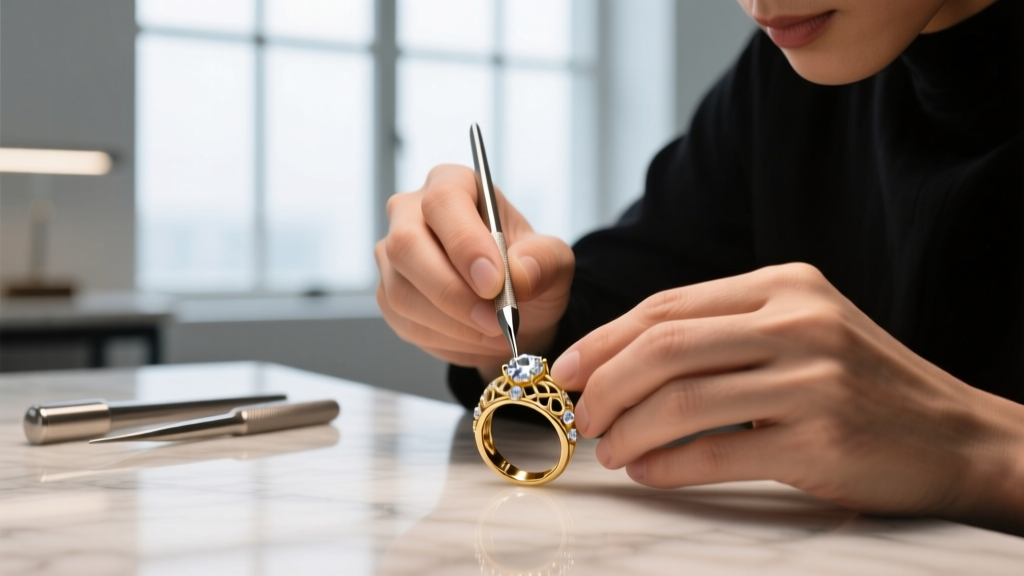
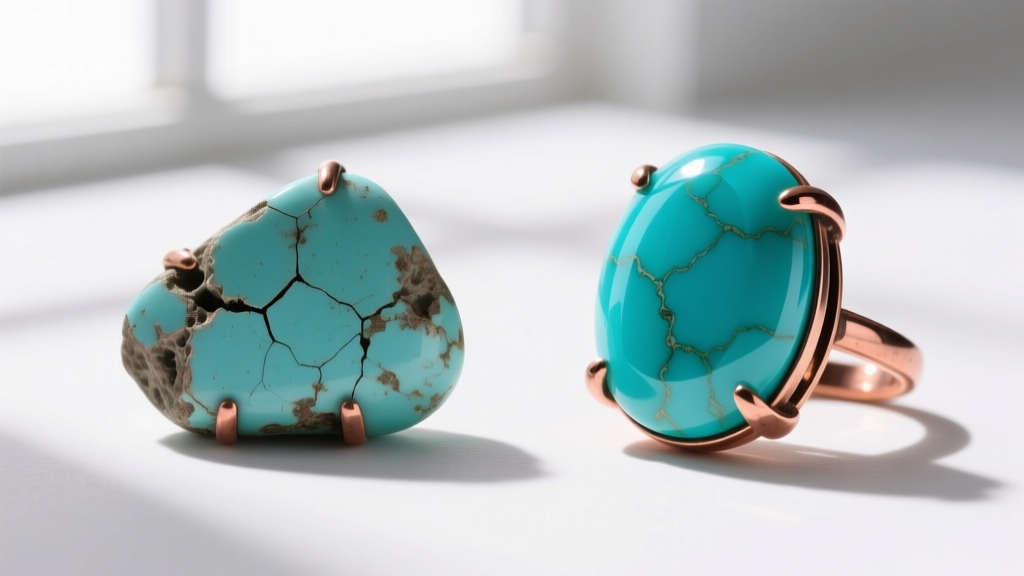
The most critical mistake amateurs make is applying copper cleaning acids to jewelry set with natural stones. Copper is frequently paired with Southwestern and artisan gemstones, many of which are highly porous or chemically sensitive. According to the Gemological Institute of America (GIA), porous stones can absorb liquids, leading to internal fracturing or permanent discoloration.
| Gemstone | Mohs Hardness | Porosity / Sensitivity | Safe Cleaning Method | Avoid At All Costs |
|---|---|---|---|---|
| Turquoise | 5.0 - 6.0 | Highly porous; absorbs oils/chemicals | Damp microfiber cloth only | Vinegar, lemon, ultrasonic, ammonia |
| Malachite | 3.5 - 4.0 | Extremely sensitive to acids (it is a copper carbonate) | Dry polishing cloth on metal only | ANY acid, water immersion, steam |
| Opal | 5.5 - 6.5 | Contains 3-21% water; thermal shock risk | Soft dry brush; avoid metal polishes | Ultrasonic, heat, harsh chemicals |
| Lapis Lazuli | 5.0 - 5.5 | Contains calcite; reacts with acid | Mild soapy water (quick wipe) | Vinegar, lemon juice, ultrasonic |
Expert Protocol for Inlaid Pieces: When cleaning copper set with these stones, abandon liquid acids entirely. Instead, use a wooden skewer or a dry, soft-bristled brush to apply a tiny amount of non-liquid metal polish (like Simichrome) strictly to the exposed metal, carefully working around the bezel. Wipe away residue immediately with a clean, dry cotton swab.
Preserving Intentional Patina (Liver of Sulfur)
If your copper jewelry features a deliberate dark patina created via Liver of Sulfur, your goal is to clean away skin oils and environmental grime without removing the oxidation.
- Do: Wash with warm water, a drop of mild dish soap, and your fingertips. Dry immediately. Use a Sunshine cloth only on the raised, high-polish areas of the design.
- Do Not: Use ultrasonic cleaners. The high-frequency cavitation can literally blast the delicate sulfide patina out of the textured crevices. As noted in metal finishing guides by major suppliers like Rio Grande, ultrasonic waves are the enemy of chemical patinas.
Post-Cleaning: Sealing and Storing for Longevity
Once you have successfully restored your raw copper jewelry, you must decide whether to let it patina naturally or seal it to maintain the shine.
Sealing Raw Copper
To lock in a mirror shine and prevent the 'green skin' effect, apply a micro-crystalline wax. Renaissance Wax, originally developed by the British Museum for artifact preservation, is the gold standard. Apply a microscopically thin layer with a lint-free cloth, let it dry for 10 minutes, and buff gently. This creates a moisture-resistant barrier that lasts for months of daily wear.
Proper Storage
Copper tarnishes rapidly in the presence of sulfur and humidity. Never store copper jewelry in cardboard boxes, newspaper, or near rubber bands, as these materials off-gas sulfur compounds. Instead, store your pieces in airtight polyethylene ziplock bags alongside 3M anti-tarnish strips and a silica gel desiccant packet to control ambient moisture.
Master Jeweler's Note on Skin Acidity: The pH of your skin dictates how fast your copper tarnishes. Individuals with highly acidic sweat (pH below 5.0) will oxidize raw copper jewelry in a matter of hours. If you fall into this category, consider having your favorite raw copper pieces professionally sealed with a jeweler-grade epoxy resin or nano-coating to enjoy the metal's aesthetic without the constant maintenance.
Understanding the metallurgy and gemology behind your accessories transforms maintenance from a chore into an act of preservation. By avoiding harsh kitchen acids and employing targeted, pH-conscious cleaning methods, your copper jewelry will retain its structural integrity and artisan beauty for generations.


