Supply Buying Guide: Making Copper Jewelry From Copper Wire
Discover what to look for when making copper jewelry from copper wire. Our buying guide covers wire gauges, temper, tools, and supplier pricing.

The Foundation of Wire Wrapping: Selecting the Right Copper
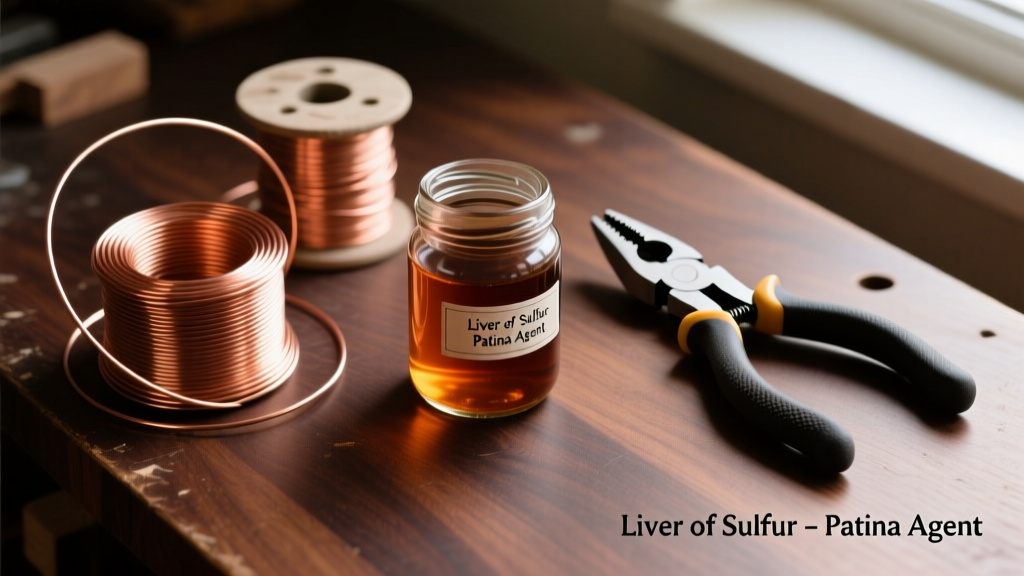
The art of making copper jewelry from copper wire has seen a massive resurgence, driven by the metal's warmth, affordability, and incredible malleability. However, a successful wire-wrapping or forging project begins long before the first bend is made; it starts with sourcing the correct materials. Walking into a hardware store and grabbing a spool of generic copper wire is the most common mistake beginners make. Hardware wire is often lacquered, alloyed, or copper-clad, which ruins the work-hardening process and prevents proper patina development. This comprehensive buying guide breaks down exactly what to look for when purchasing copper wire, essential tools, and finishing supplies for your jewelry studio.
Decoding Copper Wire: Purity, Temper, and Gauge
When shopping at dedicated jewelry suppliers like Rio Grande or Fire Mountain Gems, you will encounter specific metallurgical terms. Understanding these is critical for structural integrity.
Purity Grades: C110 vs. CCA
For jewelry, you want C110 Electrolytic Tough Pitch (ETP) copper, which is 99.9% pure. This grade oxidizes beautifully and anneals predictably. Avoid Copper-Clad Aluminum (CCA) at all costs. CCA is frequently sold in big-box stores for electrical grounding; it features a thin copper skin over an aluminum core. If you file or sand CCA, the silver-colored aluminum core is exposed, ruining the aesthetic and making soldering impossible.
Temper: The Secret to Structural Integrity
Temper refers to the hardness of the wire, which dictates how it behaves when manipulated.
- Dead Soft: Extremely pliable. Ideal for intricate wire weaving, coiling, and wrapping around cabochons. It work-hardens quickly as you bend it.
- Half-Hard: Offers a balance of malleability and rigidity. Best for making ear wires, jump rings, clasps, and structural frames that need to hold their shape under mild stress.
- Full-Hard: Very stiff and brittle. Rarely used in hand-wrapped jewelry because it will snap if bent at a sharp angle without prior annealing.
Wire Gauge Application Chart
| AWG Gauge | Millimeter (mm) | Primary Jewelry Application | Recommended Temper |
|---|---|---|---|
| 28g - 26g | 0.32mm - 0.40mm | Micro-weaving, coiling, securing small beads | Dead Soft |
| 24g - 22g | 0.51mm - 0.64mm | Standard wire wrapping, bail making, chainmaille | Dead Soft / Half-Hard |
| 20g - 18g | 0.81mm - 1.02mm | Ear wires, jump rings, structural frames, rings | Half-Hard |
| 16g - 14g | 1.29mm - 1.63mm | Heavy bangles, thick clasps, forged cuffs | Half-Hard / Soft (then forged) |
Essential Tools to Buy for Copper Wire Jewelry
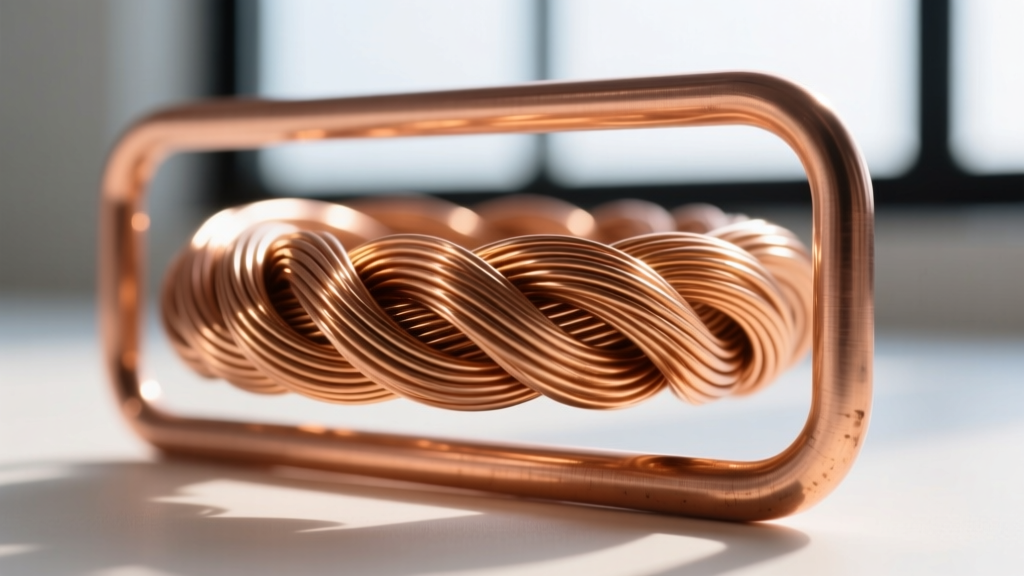
The right tools prevent marring the soft copper surface and reduce hand fatigue during long weaving sessions.
Pliers: Nylon Jaw vs. Smooth Jaw
Copper is softer than sterling silver or gold-filled wire, meaning steel plier teeth will leave deep, permanent gouges. Invest in nylon jaw pliers for pulling wire tight and straightening coils. For tight loops and sharp bends, use smooth-jawed chain-nose or round-nose pliers. Brands like Swanstrom or Lindstrom offer ergonomic handles that reduce the risk of carpal tunnel syndrome during repetitive wire wrapping.
Cutters: Flush vs. Bevel
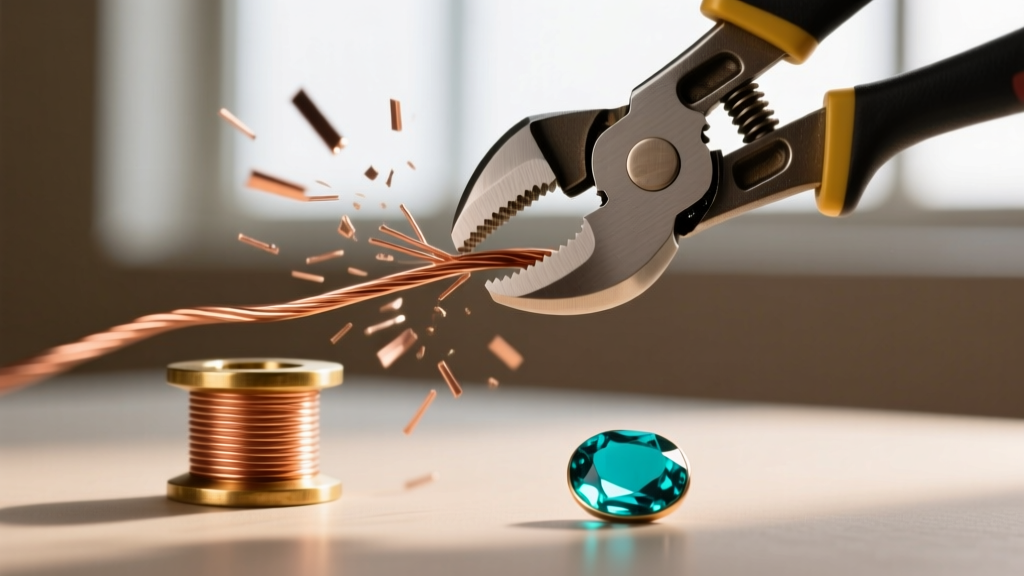
Standard side cutters leave a sharp, pinched point on the wire. You must buy flush cutters. Flush cutters feature a flat blade on one side and a beveled edge on the other, allowing you to snip the wire perfectly flat against your weave or frame. Keep a dedicated pair of flush cutters exclusively for copper; cutting steel memory wire or thick findings with them will instantly dull the precision blades.
Mandrels and Jigs
For consistent jump rings and ear wires, purchase stepped steel or brass mandrels. Wooden ring mandrels are excellent for shaping heavy-gauge copper bangles, as the wood absorbs hammer strikes without denting the metal.
Sourcing and Pricing: What to Expect
Pricing for bare copper wire fluctuates with the commodities market, but jewelry-grade wire is sold by the troy ounce or the foot. Expect to pay between $4.00 and $8.00 per ounce for 18-gauge C110 copper wire from specialized suppliers. While this is more expensive than a $15 spool of hardware store wire, the jewelry-grade spool guarantees zero lacquer coatings, accurate AWG sizing, and proper temper annealing.
When buying in bulk, look for suppliers that offer continuous lengths. A common frustration for wire artists is receiving three 10-foot pieces instead of one continuous 30-foot spool, which limits the size of the frames you can create.
Patina and Finishing Supplies
One of the main reasons artists enjoy making copper jewelry from copper wire is the metal's reactive nature, allowing for stunning chemical patinas. Your shopping cart should include:
- Liver of Sulfur (LOS): The industry standard for oxidizing copper. A small lump dissolved in warm water creates deep browns and blacks. For vibrant blues and purples, add a pinch of ammonia or baking soda to the LOS bath.
- Brass Brush and Fine Steel Wool: Used to gently remove oxidation from the high points of the wire weave, leaving the dark patina in the recesses for an antique, high-contrast finish.
- Rotary Tumbler: If you plan to produce in volume, a rotary tumbler with stainless steel shot and a drop of dish soap will work-harden your copper pieces and burnish them to a mirror shine in under an hour.
- Microcrystalline Wax or Renaissance Wax: Copper oxidizes from skin oils and humidity. Sealing the finished piece with wax prevents unwanted green skin reactions and locks in your deliberate patina.
Common Mistakes When Buying Copper Supplies
Avoid purchasing "enameled copper wire" (often used for coil building or electronics) unless you specifically want a solid, non-reactive color. Enamel prevents oxidation and cannot be soldered. Additionally, beware of "craft wire" labeled as copper-colored; this is usually a brass or aluminum core with a thin copper electroplate that will wear off over time, exposing the base metal and causing skin discoloration. Always verify the product description states solid bare copper or C110.
Final Thoughts on Studio Setup
Building a kit for making copper jewelry from copper wire is an investment in metallurgy as much as art. By prioritizing C110 purity, matching the correct temper to your specific gauge needs, and utilizing non-marring tools, you elevate your work from amateur craft to professional-grade jewelry. Start with a modest selection of 26g, 20g, and 16g dead-soft and half-hard wires, master the work-hardening process, and expand your studio inventory as your weaving techniques advance.


