Enamel on Copper Jewelry: A Beginner's Style Guide
Discover how enamel on copper jewelry is made, why it lasts, and how to care for your vibrant pieces. A beginner-friendly guide to enamel techniques.

What is Vitreous Enamel?
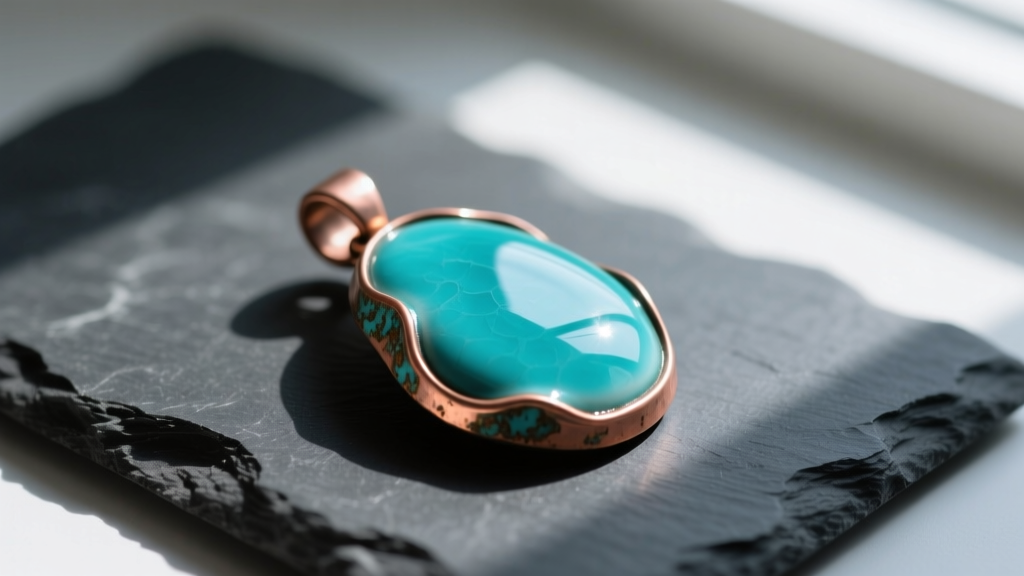
When you first encounter enamel on copper jewelry, it is easy to mistake the vibrant, glossy surface for paint or resin. In reality, vitreous enamel is finely ground glass that has been fused to a metal surface at extreme temperatures. This ancient technique, dating back to the Mycenaean Greeks and later perfected in Byzantine and Celtic metalwork, results in a surface that is remarkably durable, UV-resistant, and capable of holding brilliant colors for centuries. For beginners and seasoned collectors alike, understanding the synergy between glass and copper is the key to appreciating and caring for these stunning pieces.
The Metallurgy: Why Copper is the Perfect Canvas
Not all metals can support vitreous enamel. The secret to a successful bond lies in the Coefficient of Thermal Expansion (CTE). When a piece of jewelry is heated in a kiln and then cooled, both the metal and the glass expand and contract. If they do so at drastically different rates, the glass will shatter or pop off the metal.
Copper is the gold standard for enameling for several specific reasons:
- CTE Compatibility: Pure copper's expansion rate closely matches that of most commercial vitreous enamels, minimizing internal stress during the cooling phase.
- Purity Requirements: Enamelists specifically use C11000 (ETP - Electrolytic Tough Pitch) copper. This grade is 99.9% pure. Impurities like zinc or lead (found in brass or bronze) release gases during firing, causing bubbles and pits in the glass surface.
- Malleability: Copper is easily formed into domes, cuffs, and intricate shapes before the rigid enamel is applied.
Most high-quality enameled copper jewelry is crafted from 18 to 20-gauge copper sheet. This thickness provides enough structural rigidity to prevent the metal from warping under the surface tension of the melting glass, while remaining light enough for comfortable daily wear.
Opaque vs. Transparent Enamels on Copper
The visual effect of enamel on copper jewelry depends heavily on the opacity of the glass powder used.
Opaque Enamels
Opaque enamels contain opacifiers (like tin oxide or zirconium) that block light from reaching the copper base. These are excellent for bold, solid blocks of color and do not require a base layer of clear flux. They are highly forgiving for beginners and provide a brilliant, painted look.
Transparent Enamels
Transparent enamels allow light to pass through the glass, hit the metal, and reflect back, creating a stained-glass effect. However, copper naturally forms a dark copper oxide scale when heated. If transparent enamel is applied directly to bare copper, the oxide will turn the glass muddy, brown, or green. To prevent this, jewelers first apply a thin layer of clear lead-free flux, fire it, and then apply the transparent color on top of the clean, sealed surface.
Classic Enameling Techniques
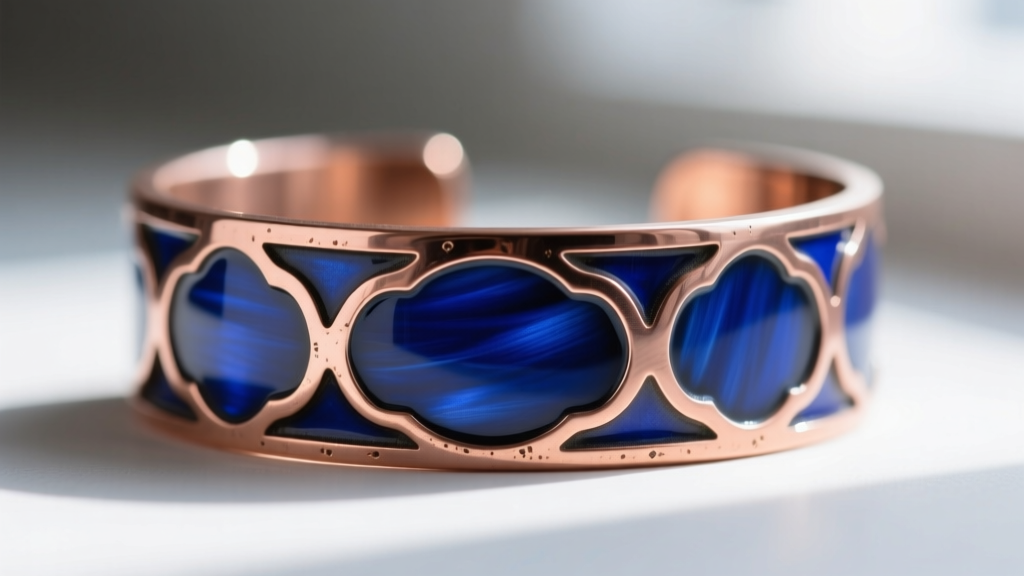
The way the glass is contained on the copper dictates the style of the jewelry. According to the Enamel Arts Foundation, there are three primary techniques you will encounter when shopping for or studying enameled jewelry.
1. Cloisonné
In cloisonné, thin wires (usually pure silver or fine copper) are bent into intricate shapes and soldered or glued to the copper base. These wire 'cloisons' (partitions) act as walls. The jeweler then packs wet enamel powder into the cells and fires the piece multiple times, grinding it flat between firings until the glass is perfectly level with the top of the wires.
2. Champlevé
Champlevé involves carving, etching, or stamping deep recesses directly into the thick copper base. The enamel is packed into these carved valleys, fired, and then sanded smooth. The raised, un-enameled copper walls remain visible, providing a beautiful metallic contrast to the glass.
3. Plique-à-jour
Often described as 'stained glass without a backing,' plique-à-jour uses a copper or silver framework where the cells are completely open on the back. A temporary backing (like mica or copper foil) is used during firing and then dissolved or removed, allowing light to shine directly through the transparent enamel.
The Crucial Step: Counter-Enameling
One of the most common questions beginners ask is why the back of their copper pendant is also covered in a plain layer of glass. This is called counter-enameling, and it is structurally mandatory for most flat or domed pieces larger than one inch.
'When vitreous enamel cools, it shrinks and pulls on the metal. If enamel is only on the front, the copper will bow and warp like a bimetallic strip, eventually causing the front glass to crack. Counter-enamel balances this surface tension.' - Ganoksin Jewelry Making Community
When inspecting enamel on copper jewelry, always check the back. A well-made piece will have a smooth, evenly fired counter-enamel layer, usually in a neutral color like white, grey, or a dark flux tone.
Troubleshooting Common Defects
Even with perfect technique, enamel can fail. Here is a quick reference guide to identifying manufacturing flaws when purchasing vintage or artisan enameled copper jewelry.
| Defect Name | Visual Appearance | Root Cause | Impact on Wearability |
|---|---|---|---|
| Crazing | Fine, spiderweb-like cracks in the glass | Cooling the piece too quickly (thermal shock) or poor CTE match between glass and copper. | Structurally weak; enamel may flake off over time. |
| Fishhooks | Tiny, sharp copper wires poking through the enamel surface | Copper wire inclusions expanding and pushing through the glass during firing. | Can snag clothing or scratch the skin; requires professional stoning. |
| Fire Scale Inclusion | Dark, cloudy spots under transparent enamel | Copper oxide was not properly cleaned (pickled) before applying the clear flux base. | Strictly cosmetic, but lowers the aesthetic and monetary value. |
| Pinholes | Tiny bubbles trapped at the surface of the glass | Moisture or organic impurities in the enamel powder releasing gas during firing. | Cosmetic; can trap dirt and oils over years of wear. |
Daily Care and Maintenance
While glass is harder than copper and highly resistant to scratches, it is inherently brittle. Proper care will ensure your enamel on copper jewelry lasts for generations.

What to Avoid
- Ultrasonic Cleaners: Never put enameled jewelry in an ultrasonic bath. The high-frequency vibrations will shatter the glass or cause micro-fractures that lead to chipping.
- Steam Cleaners: Sudden temperature changes (thermal shock) will cause the enamel to crack or pop off the copper base.
- Hard Impacts: Dropping an enameled copper ring on a tile floor will almost certainly chip the glass. Put your jewelry on after getting dressed to avoid knocking it against hard surfaces.
How to Clean Safely
To clean your pieces, use a soft, lint-free microfiber cloth. If the piece is oily or dirty, use lukewarm water and a drop of mild, non-detergent dish soap. Gently rub with your fingertips, rinse in lukewarm water, and pat dry immediately. Avoid any jewelry dips or harsh chemical polishes, as these can strip the oxidation from the exposed copper wire cells or dull the glass finish.
Storing Your Collection
Copper is a reactive metal, and any exposed copper edges (like the rims of a champlevé piece) will naturally tarnish and develop a patina over time. While some collectors love this antique look, those who prefer bright copper should store their pieces in anti-tarnish bags or in a jewelry box lined with Pacific cloth. Always store enameled pieces individually in soft pouches to prevent the bare copper edges of one piece from scratching the glass surface of another.
Final Thoughts for Beginners
Enamel on copper jewelry represents a perfect marriage of chemistry, metallurgy, and art. By understanding the specific grades of copper used, the necessity of counter-enameling, and the delicate nature of fused glass, you can confidently curate a collection of vibrant, heirloom-quality accessories. Whether you are drawn to the intricate wirework of cloisonné or the bold, carved depths of champlevé, these pieces offer a timeless splash of color that synthetic resins and paints simply cannot replicate.


