Wearing Copper Jewelry Benefits: A Budget & Value Assessment
Do wearing copper jewelry benefits justify the price? We analyze real value, therapeutic claims, material costs, and budget alternatives.

The Core Question: Aesthetic Appeal vs. Therapeutic Claims
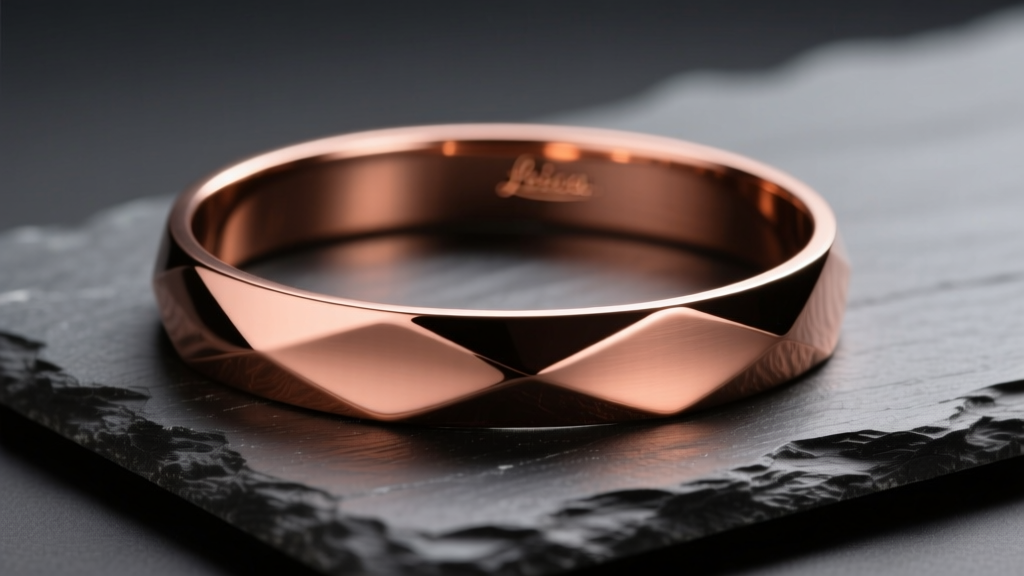
When consumers search for the wearing copper jewelry benefits, they are typically navigating a minefield of marketing myths and genuine metallurgical science. The market is saturated with 'therapeutic' copper bracelets and rings priced anywhere from $25 to over $150, promising relief from joint pain, improved circulation, and antimicrobial protection. But from a strict budget and value assessment perspective, do these purported benefits justify the premium price tags, or are you simply paying for an aesthetic alloy?
To determine the true value of copper jewelry, we must separate the oligodynamic effect (copper's proven ability to destroy bacteria and viruses on contact) from the highly debated systemic health claims. According to a comprehensive study published in PLOS One by Richmond et al., wearing copper bracelets provides no clinically significant pain relief for rheumatoid arthritis beyond a placebo effect. Therefore, if you are budgeting for copper jewelry strictly for internal health benefits, the return on investment (ROI) is fundamentally flawed. However, if you value the antimicrobial surface properties—recognized by the EPA as a registered solid surface material—and the unique aesthetic evolution of the metal, copper offers exceptional value when priced correctly.
Material Grades and Pricing: What Are You Actually Paying For?
Understanding the raw material cost is the first step in assessing jewelry value. As of 2026, the global commodities market prices raw copper at approximately $4.20 per pound, or roughly $0.26 per ounce. A standard, solid copper cuff bracelet weighing 50 grams (1.76 ounces) contains less than $0.50 worth of raw metal. When you see 'therapeutic' copper bracelets selling for $85, you are paying a 17,000% markup for branding, magnetic inlays, and manufacturing labor.
Metallurgical grade also dictates value. High-end artisan jewelers typically use C10100 (Oxygen-Free Electronic Copper) or C11000 (Electrolytic Tough Pitch Copper). C10100 is 99.99% pure, highly malleable, and less prone to brittle fracturing during forging, justifying a slightly higher artisan price point. Conversely, mass-produced budget jewelry often uses architectural scrap copper or copper-plated base metals (like zinc or steel), which will eventually flake and cause severe skin irritation.
Copper Jewelry Pricing Tiers & Value Breakdown
| Tier | Price Range | Material Grade | Value Verdict |
|---|---|---|---|
| Budget (Mass Market) | $10 - $25 | Copper-plated brass/steel or low-grade scrap | Poor. Plating wears off in 3-6 months, exposing allergenic base metals. |
| Mid-Tier (Therapeutic Brands) | $35 - $80 | C11000 with embedded neodymium magnets | Fair. Good material, but you are paying a premium for unproven magnetic therapy. |
| Artisan / Handcrafted | $60 - $150+ | C10100 or C11000, hand-forged, sealed | Excellent. You are paying for skilled labor, unique design, and proper sealing. |
The Hidden Costs of Copper: Maintenance and Skin Reactions
A critical factor in the budget assessment of copper jewelry is the cost of maintenance and the reality of skin reactions. The infamous 'green skin' effect is not an allergic reaction; it is a chemical chelation process. When pure copper comes into contact with the chloride and lactic acid in human sweat, it oxidizes to form copper chloride and copper lactate—green salts that transfer to the epidermis.
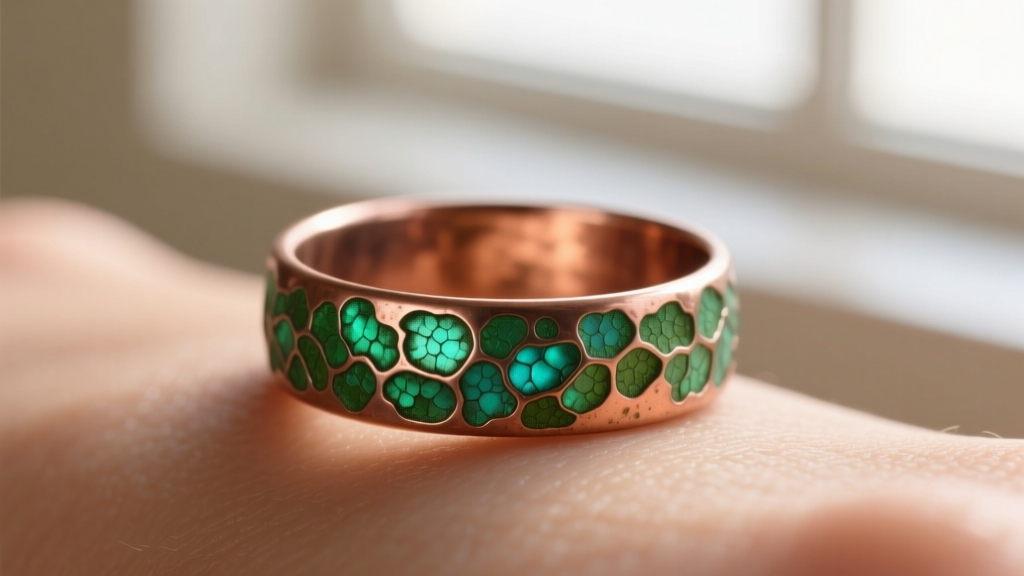
While harmless and easily washed off with soap, this patina transfer is undesirable for many. To prevent this, jewelers apply protective coatings. When evaluating a purchase, check what sealant is used. Budget pieces use cheap acrylic sprays that yellow and peel within weeks. High-value pieces are treated with micro-crystalline waxes (like Renaissance Wax) or advanced polyurethane coatings (like ProtectaClear), which cost the jeweler more but extend the wearability of the piece for years. If you buy unsealed raw copper to maximize the oligodynamic surface benefits, you must budget time for weekly polishing using a mild acid solution (like lemon juice and salt) to remove the dark cupric oxide tarnish.
Copper vs. Brass and Bronze: A Value Comparison
If your primary goal is aesthetic warmth and budget efficiency, it is worth comparing pure copper to its primary alloys: brass (copper and zinc) and bronze (copper and tin). According to the Copper Development Association, altering the alloy composition drastically changes the metal's hardness, tensile strength, and patina behavior, which directly impacts the jewelry's lifespan and value.
Brass (typically C26000 Cartridge Brass) is harder than pure copper, making it superior for intricate castings and clasps that require structural integrity. It develops a mottled, brownish-gold patina rather than the deep verdigris of pure copper. Bronze (typically C90500 Silicon Bronze) is the most expensive of the three due to the cost of tin, but it offers superior durability and a rich, dark, museum-quality patina that many collectors prefer.
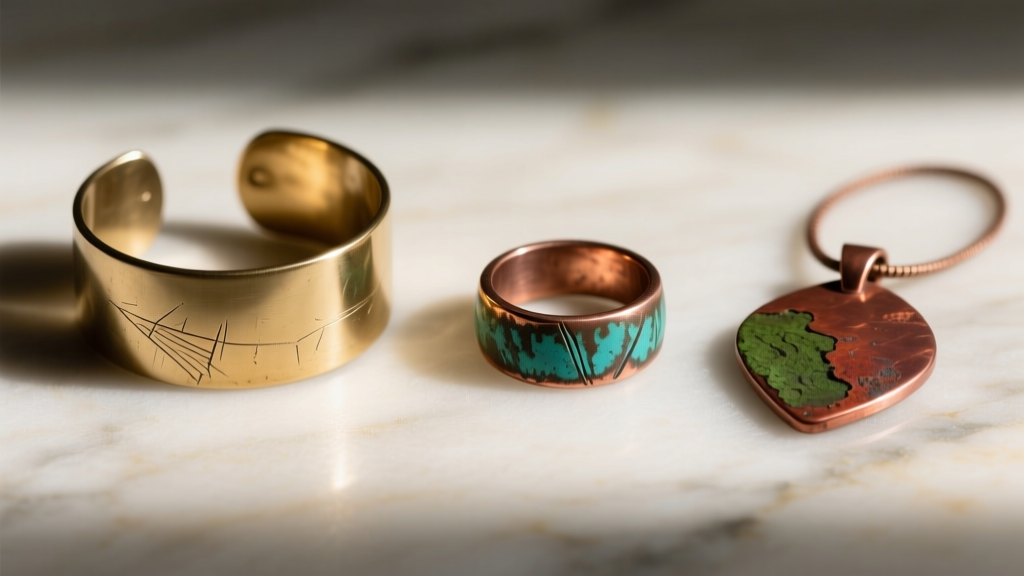
Alloy Comparison Chart for Jewelry Buyers
| Metal | Composition | Mohs Hardness | Patina Color | Skin Reaction Risk | Relative Cost |
|---|---|---|---|---|---|
| Pure Copper | 99.9% Cu | 2.5 - 3.0 | Dark Brown / Green Verdigris | High (Green salts) | Low ($) |
| Brass | Cu + Zn (10-40%) | 3.0 - 4.0 | Mottled Brown / Gold | Moderate (Zinc oxidation) | Low-Medium ($$) |
| Bronze | Cu + Sn (5-12%) | 3.5 - 4.5 | Deep Chocolate / Black | Low (Tin stabilizes) | Medium-High ($$$) |
Final Verdict: How to Maximize Your Copper Jewelry Budget
Ultimately, the wearing copper jewelry benefits are rooted in its striking visual evolution, its natural antimicrobial surface properties, and its affordability as a base metal—not in systemic medical miracles. To get the highest value for your money, avoid mass-produced 'magnetic therapy' brands that inflate prices based on pseudoscience. Instead, allocate your budget toward independent metalsmiths who utilize high-purity C11000 or C10100 copper, employ proper structural forging techniques, and offer transparent information about their sealing methods. If you prefer a lower-maintenance piece with a similar warm hue, consider shifting your budget to solid bronze, which offers superior durability and a more forgiving patina for everyday wear.