How to Clean Pewter Jewelry Without Ruining Its Value
Learn how to clean pewter jewelry safely while preserving its value. Compare DIY costs, antique patina rules, and professional restoration pricing.

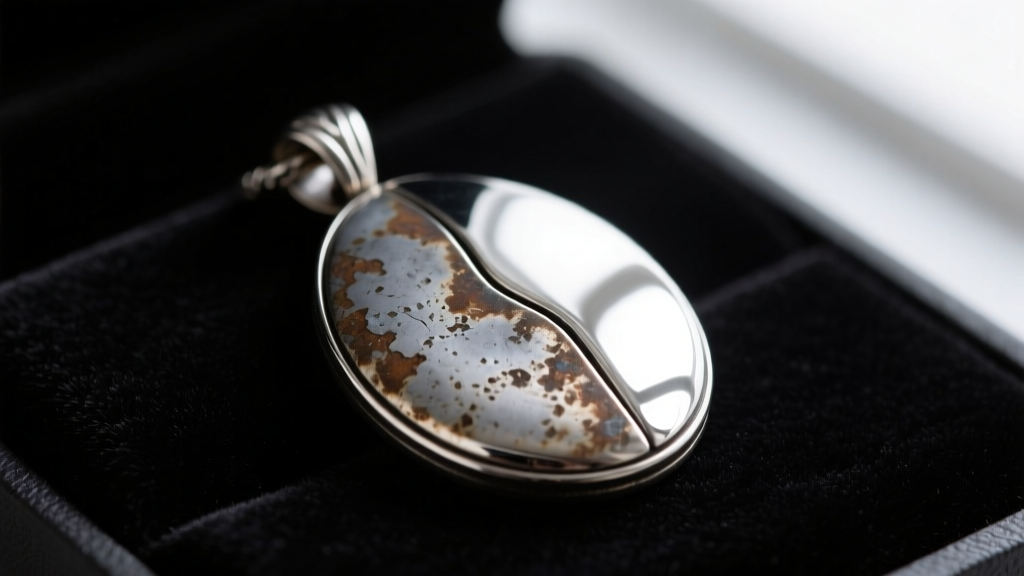
When collectors and vintage enthusiasts ask how to clean pewter jewelry, the immediate instinct is to reach for heavy-duty polishes to restore a brilliant shine. However, from a budget and value assessment perspective, this instinct can be financially disastrous. Pewter—an alloy primarily composed of tin (85-99%), mixed with antimony, copper, and sometimes bismuth or silver—reacts very differently to environmental stress and chemical cleaners than sterling silver or gold.
In the 2026 vintage jewelry market, artisan-cast pewter and pre-19th-century antique pieces have seen a surge in collector demand. Improper cleaning can strip historical patina, cause micro-pitting, or even expose hazardous lead in older pieces, effectively slashing a garment's resale value by 30% to 50%. This guide provides a strict, value-driven framework for assessing, cleaning, and maintaining your pewter jewelry without compromising its monetary or aesthetic worth.
The Value Dilemma: To Polish or Preserve?
Before applying any cleaning agent, you must determine the era and intended finish of your pewter piece. The Pewter Society emphasizes that the soft, mellow, blue-grey patina that develops on antique pewter over decades is highly prized by serious collectors. Stripping this oxidation down to bare, bright metal is considered 'over-restoration' and immediately devalues an antique piece.
Identifying Your Pewter Grade
- Fine Pewter (Modern/Artisan): Composed of tin, antimony, and copper. Safe for gentle polishing to a high shine. Value is tied to the artisan's hallmark and craftsmanship.
- Antique Pewter (Pre-1970s): May contain lead. The value is tied to age, rarity, and historical surface oxidation. Never polish to a bright shine.
- Satin or Matte Finish: Intentionally textured by the maker. Using abrasive pastes will ruin the texture and ruin the piece's value.
Budget Tip: If you acquire vintage pewter jewelry at an estate sale for under $20, invest in a $5 home lead-test swab kit before cleaning. Scrubbing leaded pewter can release microscopic lead dust, posing a severe health risk and rendering the jewelry unwearable, thus dropping its functional value to zero.
Cost-Benefit Analysis of Pewter Cleaning Methods
Not all cleaning methods yield a positive return on investment. Below is a value-assessment matrix comparing common cleaning techniques based on cost, risk to the metal, and ideal use cases.
| Cleaning Method | Est. Cost | Risk Level | Value Impact & Best Use Case |
|---|---|---|---|
| Mild Soap & Lukewarm Water | $0.05 | Very Low | Preserves value. Best for routine dirt/oil removal on all grades. |
| Specialty Pewter Paste | $8 - $15 | Moderate | Adds shine but removes patina. Use only on modern, bright-finish pieces. |
| Baking Soda Paste | $0.10 | High | Destroys value. Highly abrasive; causes micro-scratches on soft tin alloys. |
| Silver Dip (Thiourea) | $10 - $20 | Severe | Catastrophic value loss. Chemicals etch and permanently pit pewter surfaces. |
| Professional Conservation | $75 - $200 | Zero | Maximizes ROI for high-value antiques ($300+) and museum-grade artifacts. |
Step-by-Step: How to Clean Pewter Jewelry Safely
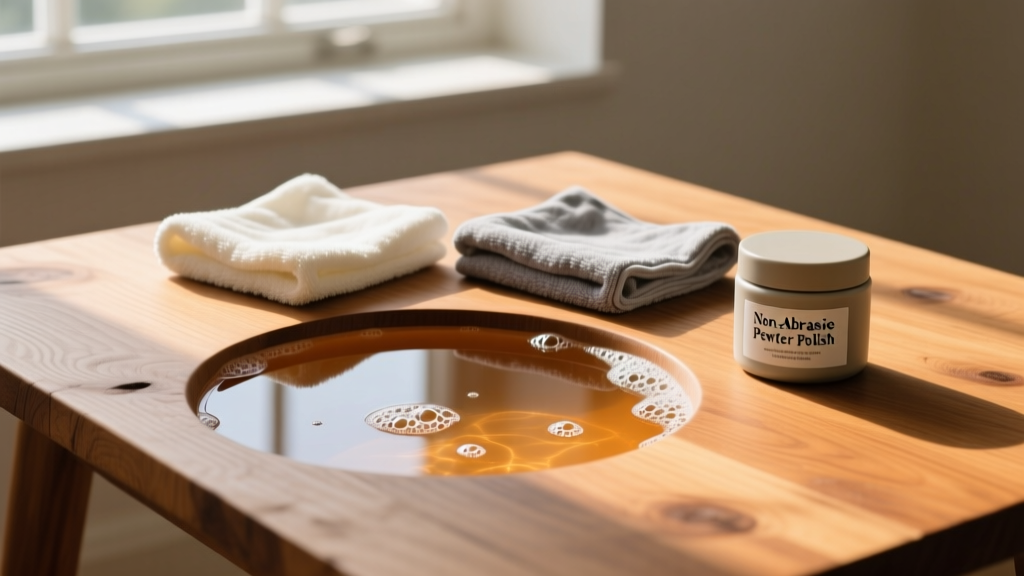
For modern, non-antique pewter jewelry where a clean, satin, or mildly bright finish is desired, follow this low-risk, high-reward protocol. According to guidelines outlined by the American Institute for Conservation, mechanical action should always be minimized on tin-based alloys due to their low Mohs hardness (1.5 to 2.0).
1. The Degreasing Wash
Mix a few drops of pH-neutral dish soap (like Dawn) into a bowl of lukewarm water. Never use hot or boiling water. While pewter's melting point is around 230°C (446°F), sudden thermal shocks can warp thin, delicate castings or loosen the adhesives holding gemstones in place. Submerge the jewelry for 5 to 10 minutes to loosen sebum and environmental grime.
2. Gentle Agitation
Use a baby-soft toothbrush or a cotton swab to gently dislodge dirt from crevices. Do not apply heavy pressure. Pewter scratches incredibly easily, and deep scratches require professional buffing to remove, which strips away valuable metal mass.
3. Drying and Buffing
Rinse under cool, distilled water to prevent hard water mineral spots. Pat dry immediately with a lint-free microfiber cloth. If the piece is modern and requires a higher shine, apply a pea-sized amount of specialized, non-abrasive pewter polish (such as Hagerty Pewter Clean) using a soft cotton rag. Buff in small, circular motions until the desired luster is achieved.
The Ultrasonic Trap: A Warning for Mixed-Metal Pieces
A common mistake in jewelry maintenance is tossing all metals into an ultrasonic cleaner. Never put pewter jewelry in an ultrasonic machine. The high-frequency cavitation bubbles that safely blast dirt off diamond and gold settings will aggressively pit and degrade the soft surface of pewter. Furthermore, many vintage pewter pieces feature glued-in glass cabochons or enamel work; the vibrations and harsh chemical baths used in ultrasonic cleaners will shatter the pewter's structural integrity or dissolve the adhesives, resulting in total loss of the piece's value.
When to Hire a Professional: Restoration Pricing
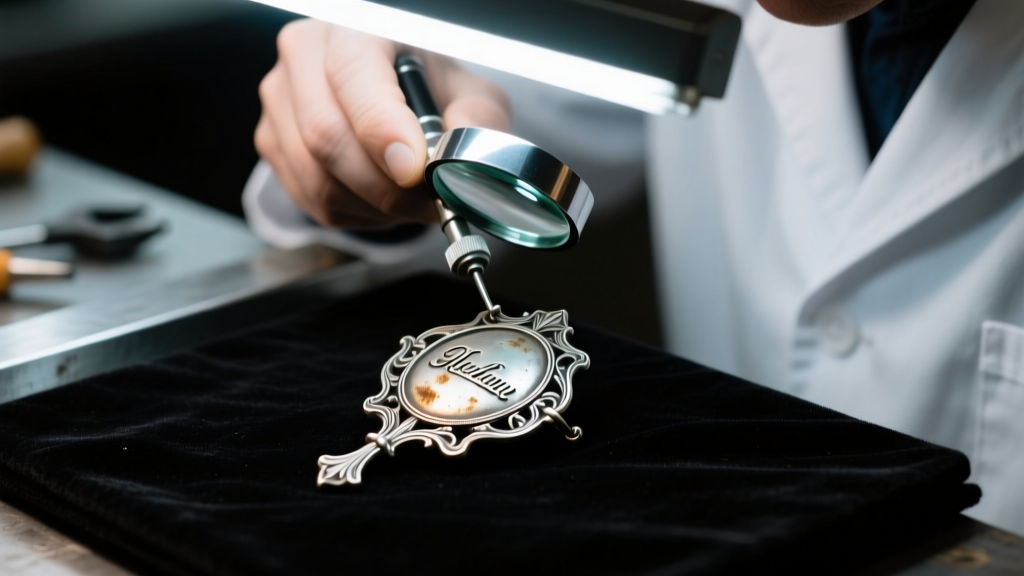
If you possess a verified antique pewter piece (such as a 19th-century Scottish pebble brooch or an Art Nouveau cast pendant) that has suffered from previous harsh cleanings, DIY methods will not restore its value. Professional metals conservators use specialized micro-crystalline waxes (like Renaissance Wax) and reversible, non-invasive stabilization techniques.
2026 Market Pricing for Professional Services:
- Surface Stabilization & Wax Coating: $45 - $85. Ideal for halting active 'tin pest' or severe oxidation on antiques.
- Structural Repair (Soldering Cast Pewter): $120 - $250. Pewter requires low-temperature, specialized soldering. Standard jewelers often refuse this work or risk melting the piece; seek a dedicated metals conservator.
- Appraisal & Authentication: $150+. Essential if you plan to insure or auction a hallmarked historical piece.
Storage ROI: Protecting Your Investment
The most cost-effective way to maintain pewter jewelry's value is to prevent aggressive oxidation in the first place. Pewter tarnishes when exposed to sulfur compounds and high humidity. Storing your pieces in standard cardboard boxes or PVC-plastic bags will accelerate degradation and cause irreversible 'tin pest'—a crystalline degradation that turns the metal into a crumbling powder.
Value-Preserving Storage Protocol:
- Wrap each piece individually in acid-free tissue paper or unbleached cotton.
- Place the wrapped jewelry inside an airtight, inert plastic container (polyethylene or polypropylene).
- Add a 3M anti-tarnish strip and a small silica gel desiccant packet to control sulfur and moisture.
- Store in a climate-controlled environment, avoiding attics or damp basements.
By understanding the metallurgical realities of tin alloys and approaching maintenance with a value-first mindset, you can safely clean and preserve your pewter jewelry, ensuring it remains a wearable asset rather than a degraded trinket.


