Gifting Bronze in Jewelry: 2026 Style & Occasion Guide
Discover how to gift bronze in jewelry for every occasion in 2026. Learn about alloys, patina care, and perfect piece matching for anniversaries and more.

Few materials carry the historical weight and organic warmth of bronze. As we navigate the 2026 jewelry landscape, consumers are increasingly moving away from mass-produced, high-polish precious metals in favor of materials with a soul. Gifting bronze in jewelry offers a unique opportunity to present a piece that is not only visually striking but deeply symbolic. Unlike silver or gold, bronze is a 'living' metal—it interacts with its environment, developing a rich patina that tells the story of the wearer. Whether you are shopping for a milestone anniversary, a graduation, or a bohemian birthday, understanding the nuances of this ancient alloy will elevate your gifting from ordinary to extraordinary.
The Metallurgy of Gifting: Understanding Bronze Alloys
To select the perfect piece, you must first understand that 'bronze' is not a single metal, but a family of copper-based alloys. The specific alloy used drastically affects the jewelry's color, durability, and how it wears against the skin. According to the Encyclopædia Britannica, traditional bronze is primarily an alloy of copper and tin, but modern jewelry makers utilize several specialized variations to achieve distinct aesthetic and structural results.
| Alloy Type | Composition | Color Profile | Best Jewelry Application |
|---|---|---|---|
| Silicon Bronze (C65500) | 96% Cu, 3% Si, 1% Mn | Warm, rosy-gold | Lost-wax cast pendants, intricate rings |
| Phosphor Bronze (C51000) | 95% Cu, 5% Sn, trace P | Deep, reddish-brown | Spring clasps, tension settings, ear wires |
| Aluminum Bronze (C60600) | 90% Cu, 10% Al | Bright, pale gold | Heavy cuffs, everyday wear bangles |
| Architectural Bronze | 57% Cu, 40% Zn, 3% Pb | Muted, antique yellow | Industrial-style geometric statement pieces |
When gifting, Silicon Bronze is generally the safest and most beautiful choice for cast items, offering excellent fluidity that captures fine details like fingerprints or leaf veining. Aluminum Bronze is highly recommended for recipients who live in humid climates, as the aluminum content creates a microscopic oxide layer that severely retards tarnishing and the dreaded 'green skin' effect.
Matching Bronze in Jewelry to Key Life Occasions
The true art of gifting lies in matching the material's symbolism to the recipient's milestone. Here is how to strategically gift bronze in jewelry for specific 2026 occasions.
The 8th Wedding Anniversary: The Traditional Bronze Year
Traditionally, the 8th wedding anniversary is celebrated with bronze or pottery. Bronze represents the strength, resilience, and beautiful aging of a long-term partnership. For this occasion, avoid flimsy or overly delicate pieces. Opt for substantial, heavy-gauge items that signify permanence.
Top Gifting Picks:
- Matching Signet Rings: Look for a 2.5mm thick shank with a matte or sandblasted finish. Engraving the wedding date in Roman numerals on the face adds a bespoke touch.
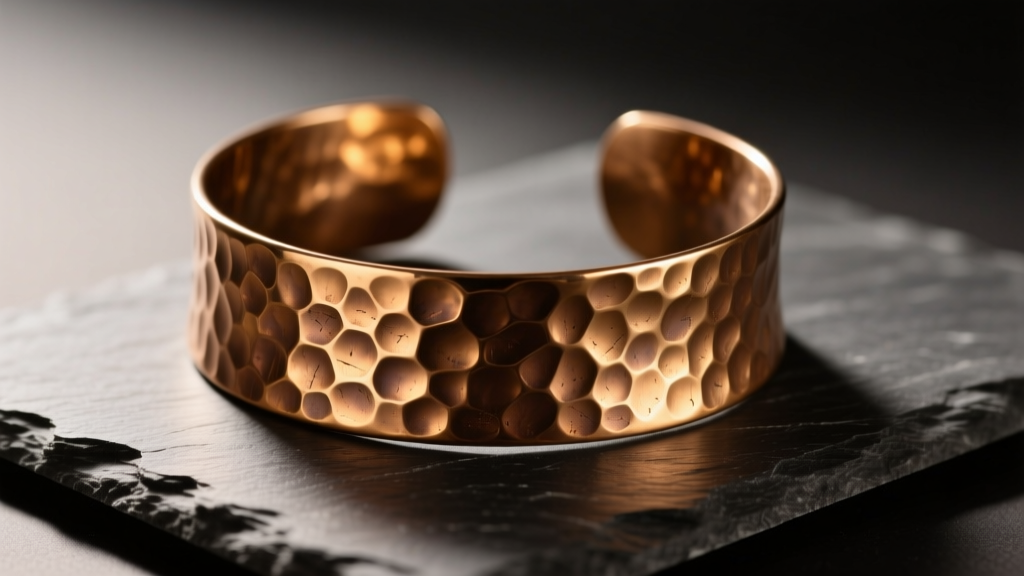
- Heavy Cuff Bracelets: A 12-gauge (2.05mm) thick silicon bronze cuff, hand-hammered to reflect light organically, serves as a daily wearable reminder of the milestone.
Graduations and Milestone Achievements
Bronze has been used for medals and awards for centuries, making it the ultimate metal for celebrating academic or professional triumphs. A bronze piece here acts as a modern 'laurel wreath.' Consider a cast bronze lapel pin or a pendant featuring classical motifs like the owl of Athena or a subtle geometric compass. Because graduates are often entering professional environments, choose pieces with a polished, refined finish rather than raw, rustic textures.
Bohemian and Earthy Everyday Birthdays
For the recipient who leans into earthy, bohemian, or 'cottagecore' aesthetics, bronze is the undisputed champion. It pairs flawlessly with raw, uncut gemstones like turquoise, labradorite, and moss agate. For these birthdays, seek out artisan wire-wrapped pieces or bezel-set cabochons where the bronze has been intentionally oxidized (darkened) to highlight the wirework and make the gemstone colors pop.
The Patina Promise: Educating Your Gift Recipient
Gifting bronze requires a brief education on its 'living' nature. Copper-rich alloys react with the chlorides, salts, and acids in human sweat, as well as oxygen and sulfur in the air. This results in two distinct phenomena: surface patina and skin discoloration.
Embracing the Surface Patina
Explain to your recipient that the darkening of the metal in the crevices of their jewelry is not 'dirt'—it is a protective layer and a record of the piece's history. The Victoria and Albert Museum's conservation guidelines note that stable patinas actually protect the underlying metal from further degradation. Encourage them to let the piece age naturally for a customized, antique look.
Preventing the 'Green Skin' Effect
The green stain left on the skin is caused by copper chelates forming and absorbing into the epidermis. It is harmless and washes off easily with soap and water, but it can be alarming to an uneducated recipient. To prevent this, include a small care kit with your gift:
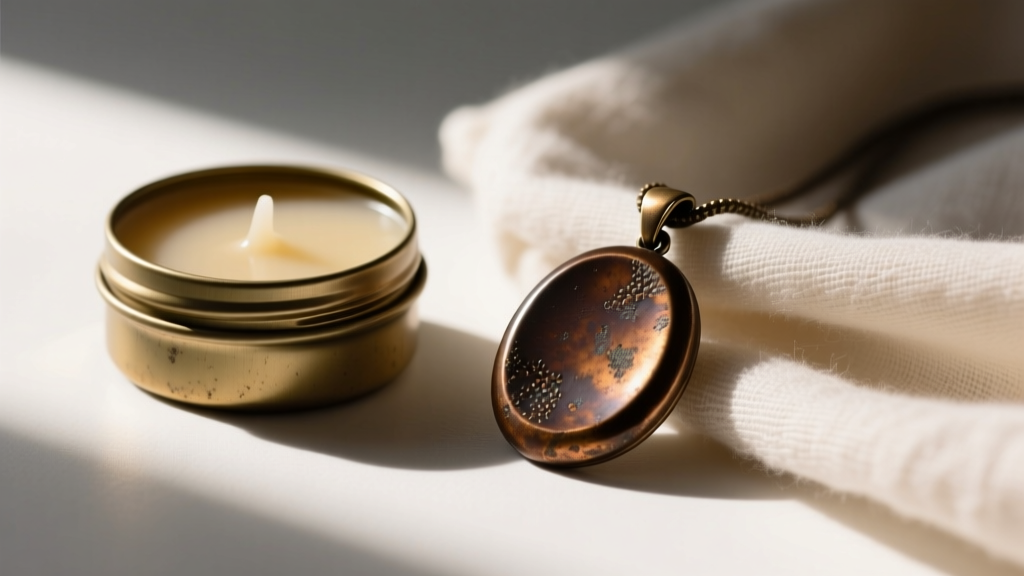
- Microcrystalline Wax: A tin of Renaissance Wax applied to the inside of rings or the back of pendants creates an invisible, non-yellowing barrier between the copper and the skin.
- The Reset Bath: If they prefer the bright, original gold-like shine, provide a small container of lemon juice and baking soda. A two-minute soak will strip the patina and restore the piece to its factory brightness.
Sizing, Gauges, and Practical Buying Specs
When purchasing bronze jewelry as a gift, structural integrity is paramount. Bronze is harder than pure copper and silver, but it possesses less tensile strength than steel or titanium. Therefore, gauge thickness is a critical buying metric to ensure the gift lasts a lifetime.
- Ring Shanks: Never purchase a bronze ring with a shank thinner than 1.5mm. The ideal durability sweet spot for daily wear is between 1.8mm and 2.2mm. Anything thinner will eventually warp under the pressure of handshakes and manual labor.
- Ear Wires and Posts: For earrings, 20-gauge (0.81mm) is the industry standard for bronze French wires. However, ensure the posts are explicitly marked as nickel-free. Some cheaper bronze alloys use nickel as a hardening agent, which can trigger severe contact dermatitis in the earlobe.
- Chain Links: If gifting a necklace, inspect the jump rings. Bronze jump rings should be soldered closed. Because bronze work-hardens and can become brittle over time, unsoldered jump rings are prone to snapping under the weight of heavier pendants.
Budgeting: What to Expect in 2026
Because the raw material cost of bronze is a fraction of precious metals, you are paying primarily for the artisan's labor, design, and casting quality. Here is a realistic pricing framework for your gifting budget:
- Entry Tier ($25 - $60): Mass-produced, stamped sheet metal pieces, or simple wire-wrapped designs. Great for casual birthdays or stocking stuffers.
- Artisan Tier ($85 - $250): Hand-carved wax models, lost-wax cast in small batches, featuring high-quality finishing and secure gemstone settings. This is the ideal tier for graduations and serious anniversaries.
- Bespoke Tier ($300 - $800+): Custom-commissioned pieces, often combining bronze with precious metals (like gold accents or silver inlays) and ethically sourced, high-grade gemstones.
Final Thoughts on Gifting Bronze
Gifting bronze in jewelry is a deliberate choice that signals thoughtfulness and an appreciation for organic beauty. By understanding the specific alloys, matching the piece to the emotional weight of the occasion, and preparing your recipient for the unique care requirements of copper-based metals, you ensure your gift will be cherished as it evolves, tarnishes, and shines through the years.


