Diamond Jewelry Gallery Studio City: Expert Care Guide
Discover expert care, cleaning, and maintenance tips to protect high-value diamonds and settings from top Studio City jewelry galleries.

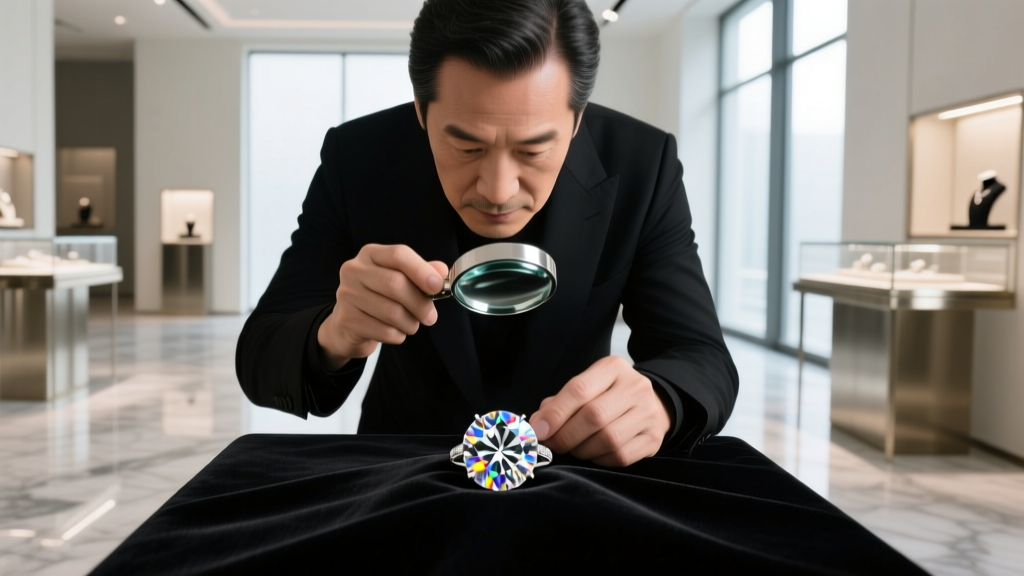
When you acquire a masterpiece from a prestigious diamond jewelry gallery in Studio City, you are investing in more than just carat weight and clarity. You are acquiring a triumph of metallurgical engineering and lapidary precision. The bespoke pieces favored by the discerning collectors of Los Angeles demand a caliber of maintenance that goes far beyond a quick wipe with a cloth. To preserve the optical performance and structural integrity of gallery-grade diamonds, one must adopt a meticulous, science-backed approach to care and cleaning.
The Physics of Gallery-Grade Diamond Maintenance
Diamonds are inherently lipophilic, meaning their molecular structure naturally attracts and holds onto oils, grease, and sebum from human skin. When a microscopic layer of oil coats the pavilion (the bottom half) of a diamond, it alters the stone's refractive index contrast. Instead of light entering the stone, bouncing off the internal facets, and returning to the eye as brilliance, the light 'leaks' out the bottom. For high-clarity stones (VVS1 to Flawless) with precision Hearts and Arrows cuts, this oil buildup can reduce visible light return by up to 40%, making a $50,000 stone look like dull glass.
Maintaining the fire and scintillation of your jewelry requires understanding the specific vulnerabilities of both the diamond and its precious metal setting. According to the Gemological Institute of America (GIA), regular, gentle cleaning is the most effective way to maintain a diamond's optical performance without risking damage to delicate micro-pavé or tension settings.
At-Home Cleaning Protocols for High-Value Stones
Forget harsh commercial jewelry dips or abrasive toothpaste. Gallery-grade pieces require a gentle, controlled cleaning environment. Here is the exact protocol recommended for high-carat and antique diamond jewelry:
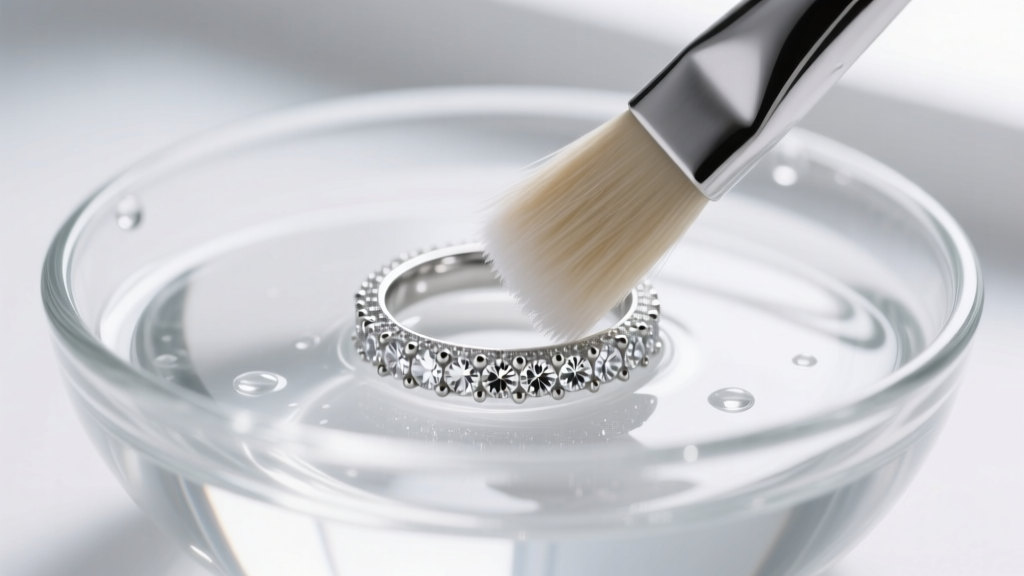
The Distilled Water Soak
- The Solution: Mix one cup of distilled water (never tap water, as dissolved calcium and magnesium leave hard water spots) with three drops of ammonia-free, phosphate-free dish soap.
- The Soak: Submerge the jewelry for exactly 15 to 20 minutes. This allows the surfactants to break the surface tension of the oils trapped beneath the gallery wire and inside the setting basket.
- The Agitation: Use a 100% natural baby-hair brush or an extra-soft makeup brush. Synthetic bristles can harbor microscopic static charges that attract dust, while hard nylon bristles can scratch 18k yellow gold, which sits at a mere 2.5 to 3 on the Mohs hardness scale.
- The Rinse and Dry: Rinse under a gentle stream of distilled water. Pat dry with a lint-free microfiber cloth, and use a blast of compressed, oil-free air to clear moisture from beneath the culet.
Ultrasonic Cleaners: A Warning for Bespoke Pieces
While commercial ultrasonic cleaners operate at 40 kHz frequencies to cavitate dirt away, they pose a severe risk to certain gallery pieces. If your diamond is fracture-filled, laser-drilled, or set in a fragile antique cluster setting, the high-frequency vibrations can shatter the stone or rattle micro-pavé diamonds right out of their beads. Reserve ultrasonics for solid, modern bezel or heavy prong settings only, and never use them on accompanying gemstones like emeralds or opals.
Professional Servicing: What Studio City Jewelers Actually Do
Even with flawless at-home care, professional maintenance is non-negotiable. High-end jewelers utilize industrial-grade equipment and microscopic inspection to ensure structural integrity. Below is the recommended maintenance schedule and associated costs for 2026.
| Service | Frequency | Purpose & Technical Detail | Est. Cost (2026) |
|---|---|---|---|
| Industrial Steam Cleaning | 3-6 Months | Uses 50 PSI steam at 250°F to blast out compacted lotions from beneath the gallery wire. | $25 - $50 |
| Prong Re-tipping | 2-3 Years | Laser-welding new platinum or gold onto worn prongs to prevent catastrophic stone loss. | $75 - $150 / prong |
| Rhodium Plating | 12-18 Months | Electroplating 0.75 to 1.0 microns of rhodium onto white gold to restore bright white luster. | $60 - $120 |
| Shank Sizing & Soldering | As Needed | Laser soldering to repair micro-fractures in the band caused by impact or metal fatigue. | $100 - $250 |
Organizations like Jewelers of America strongly advise having a master jeweler inspect your prongs under a 10x triplet loupe at least twice a year, as metal fatigue is often invisible to the naked eye until a stone falls out.
Environmental Hazards: Protecting Your Investment
The environment of Southern California presents unique hazards to fine jewelry. Understanding the chemical interactions between your environment and your jewelry's metallurgy is crucial for long-term preservation.
The Chlorine Threat to Gold Alloys
Never wear your diamond jewelry in a swimming pool or hot tub. Chlorine reacts violently with the copper, zinc, and nickel alloys used in 14k and 18k gold. This chemical reaction causes 'stress corrosion cracking,' a phenomenon where the microscopic crystalline structure of the metal degrades, leading to sudden, catastrophic snapping of the ring shank or prongs. Platinum (typically 95% pure) is highly resistant to chlorine, but the gold solder points used in its construction remain vulnerable.
Sunscreen, Lotions, and the Hydrophobic Effect
Studio City's sunny climate means daily sunscreen application. The zinc oxide and titanium dioxide in mineral sunscreens, combined with heavy emollients, create a thick, opaque paste that packs tightly into the under-gallery of a ring. Because diamonds are hydrophobic (water-repelling) and lipophilic (oil-attracting), this paste acts like a magnet for dead skin cells and airborne dust, forming a hardened cement that requires professional steam to remove.
Storage Solutions for Bespoke and Antique Pieces
How you store your jewelry is just as important as how you clean it. Diamonds are a 10 on the Mohs scale, meaning they can and will scratch not only each other but also the precious metal settings they are housed in.
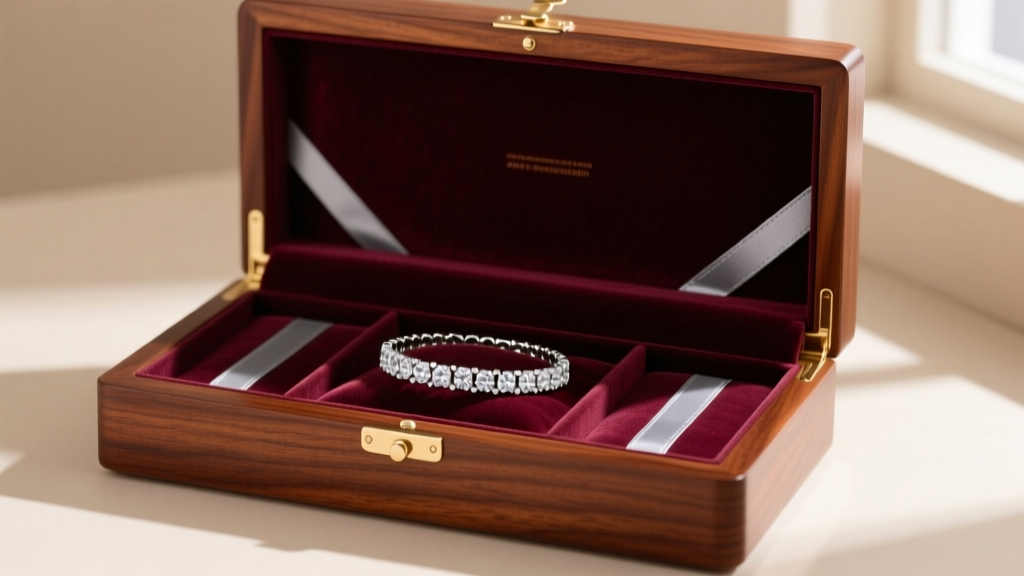
- Individual Compartments: Never toss multiple pieces into a single drawer. Use a lined mahogany or leather box with individual, soft velvet compartments.
- Anti-Tarnish Technology: While diamonds do not tarnish, the silver or low-karat gold alloys in secondary settings do. Place 3M anti-tarnish strips inside your storage boxes to absorb sulfur compounds and hydrogen sulfide from the ambient air.
- Humidity Control: For pieces featuring organic accents or secondary porous gems (like pearls or turquoise often found in vintage Studio City estate pieces), maintain a storage humidity level between 40% and 50% to prevent cracking or dehydration.
By treating your diamond jewelry with the same level of care and precision that the master jewelers of Studio City applied to its creation, you ensure that its brilliance, structural integrity, and heirloom value will endure for generations.


