Oblivion Red Diamond Jewelry: 2026 Dark Luxe Trend Guide
Explore the 2026 oblivion red diamond jewelry trend. We analyze dark luxe settings, lab-grown crimson gems, and styling tips for this avant-garde aesthetic.

The Genesis of the Oblivion Aesthetic in High Jewelry
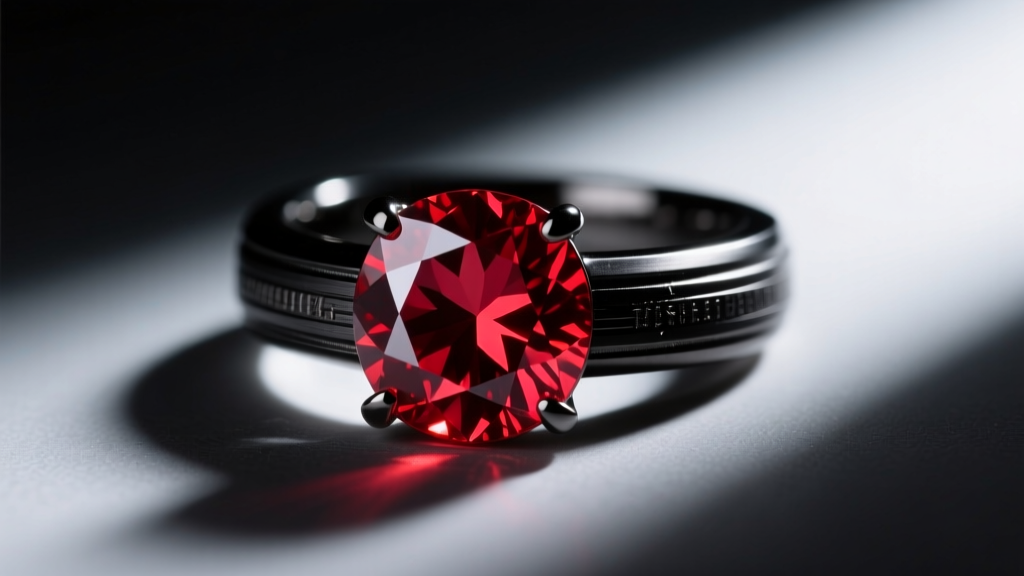
The 'Oblivion' aesthetic in fine jewelry represents a radical departure from the traditional brilliance-maximizing settings that dominated the early 2020s. As we navigate the 2026 high jewelry landscape, oblivion red diamond jewelry has emerged as the ultimate expression of dark luxe and avant-garde brutalism. This trend is defined by a stark, deliberate contrast: the fiery, visceral saturation of crimson diamonds set against light-absorbing, void-like metallic structures.
Unlike conventional settings that utilize open galleries and white metals to bounce maximum light back to the viewer's eye, the Oblivion style intentionally employs negative space, blackened alloys, and shadowed bezels. The goal is to make the red diamond appear as a solitary, glowing ember suspended in a lightless void. This architectural approach to jewelry design draws heavy inspiration from dark fantasy, gothic revivalism, and modern brutalist architecture, appealing to a new generation of collectors who view jewelry as wearable, subversive art rather than mere adornment.
Gemological Breakdown: Sourcing the Crimson Stone
To truly understand the value and visual impact of oblivion red diamond jewelry, one must examine the gemological mechanics that produce the red hue. According to the Gemological Institute of America (GIA), red is the rarest of all diamond color modifiers. The market in 2026 is segmented into three distinct categories, each with vastly different pricing and structural realities.
Natural vs. Lab-Grown vs. Treated
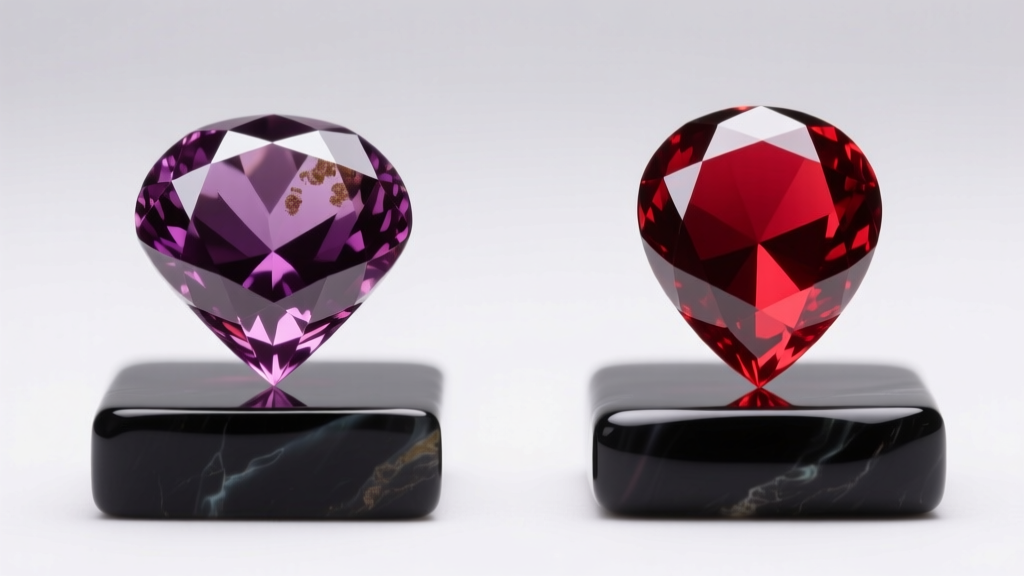
Natural red diamonds derive their color from 'plastic deformation'—a rare structural anomaly where the crystal lattice is twisted during its ascent to the Earth's surface. This creates microscopic glide planes that absorb green and blue light, transmitting only red. Because natural stones are exceptionally scarce and often exhibit secondary purplish or brownish modifiers, the Oblivion trend heavily relies on advanced lab-grown alternatives to achieve the pure, vivid crimson required for high-contrast dark settings.
Lab-grown red diamonds, primarily produced via Chemical Vapor Deposition (CVD), achieve this hue through a meticulously controlled post-growth process. The near-colorless CVD stones are subjected to electron irradiation followed by precise annealing at 800°C to 1000°C. This thermal treatment creates Nitrogen-Vacancy (N-V) centers within the synthetic lattice, resulting in a highly saturated, pure red that perfectly complements the dark metals of the Oblivion aesthetic.
| Category | Origin / Process | Color Modifiers | Avg Price / Carat | Setting Suitability |
|---|---|---|---|---|
| Natural Fancy Red | Mined; Plastic Deformation | Purplish, Brownish | $1,200,000+ | Low (Too valuable for dark void settings) |
| Treated Natural | Mined; Irradiated & Annealed | Orangey, Pinkish | $15,000 - $45,000 | Medium (Requires careful heat management) |
| Lab-Grown CVD Red | Synthetic; Post-growth N-V centers | Pure Vivid Crimson | $2,500 - $6,000 | High (Ideal for Oblivion brutalist mounts) |
| Red Spinel (Alt) | Mined; Chromium trace elements | Ruby-like, Pinkish | $800 - $3,000 | Medium (Lower hardness, 8 on Mohs scale) |
Design Signatures: Black Rhodium, DLC, and Negative Space
The structural execution of oblivion red diamond jewelry requires specialized metallurgical techniques. Standard white gold or platinum will reflect too much ambient light, destroying the 'void' illusion. In 2026, master jewelers are utilizing two primary darkening techniques to achieve the Oblivion signature look.
Black Rhodium Electroplating
Black rhodium is applied via electroplating over an 18k palladium white gold base. This creates a deep, gunmetal-to-onyx finish that absorbs peripheral light. However, black rhodium is a surface treatment with a hardness of roughly 250 Vickers. It is susceptible to wear, particularly on rings and bracelets, and requires professional re-plating every 12 to 18 months to maintain the Oblivion aesthetic. Designers often use this technique for high jewelry necklaces and earrings where friction is minimal.
Diamond-Like Carbon (DLC) Coating
For everyday Oblivion pieces, particularly rings and cuff bracelets, the industry has shifted toward DLC-coated Grade 5 Titanium. DLC is applied via Physical Vapor Deposition (PVD) in a vacuum chamber, bonding carbon atoms to the titanium substrate at a molecular level. The result is a pitch-black, highly reflective surface with a hardness exceeding 70 HRC (Rockwell C scale). DLC is virtually scratch-proof and will never fade, making it the superior choice for the brutalist, heavy-gauge mounts characteristic of the Oblivion trend.
The Oblivion movement isn't just about dark metal; it is about the architectural manipulation of negative space to make the red diamond appear as though it is floating in a lightless void, amplifying its internal fire by eliminating peripheral visual noise.
Furthermore, the settings themselves often feature 'shadow bezels'—a technique where the interior cup of the bezel is lined with black enamel or oxidized silver. This prevents light from passing through the pavilion of the diamond and reflecting off the wearer's skin, forcing the eye to focus entirely on the crown's crimson saturation.

Styling the Void: Wardrobe and Occasion Pairings
Wearing oblivion red diamond jewelry requires a deliberate approach to styling. Because the pieces are inherently heavy in visual weight and rely on high contrast, they can easily clash with busy patterns or overly colorful textiles. The Natural Diamond Council notes that dark luxe pieces perform best when treated as the focal point of a minimalist, monochromatic wardrobe.
- Textile Pairings: Matte black silk, charcoal merino wool, and deep oxblood leather provide the ideal backdrop. Avoid high-gloss fabrics like satin, which can compete with the diamond's refractive index.
- Necklines and Silhouettes: High-necked, architectural garments complement the brutalist lines of Oblivion chokers and pendants. Plunging necklines work well for Y-drop necklaces, allowing the dark metal to rest directly against the skin, creating a stark organic contrast.
- Makeup and Grooming: The trend pairs exceptionally well with matte, desaturated makeup looks. A sharp, graphic eyeliner or a deep matte burgundy lip can echo the crimson tones of the jewelry without overpowering it.
- Occasion Suitability: While traditional red diamonds are reserved for galas, the durability of DLC-coated titanium and lab-grown crimson stones makes Oblivion rings and studs suitable for daily wear, particularly in creative, fashion-forward, or alternative professional environments.
Investment and Care Protocols for Dark-Set Reds
Maintaining oblivion red diamond jewelry requires specific care protocols that differ vastly from traditional fine jewelry. The primary concern is not the diamond itself—which remains a 10 on the Mohs scale and is impervious to standard chemicals—but the dark metallic finishes that define the style.
Ultrasonic Cleaners: Never place black rhodium-plated Oblivion pieces in an ultrasonic cleaner. The high-frequency cavitation will strip the rhodium plating from the microscopic pores of the white gold base, resulting in a patchy, ruined finish. DLC-coated titanium, however, is completely safe for ultrasonic cleaning due to its molecular bond.
Routine Cleaning: For all Oblivion pieces, the safest and most effective cleaning method is a soak in lukewarm water with a few drops of pH-neutral dish soap, followed by gentle agitation with a soft-bristled baby toothbrush. This removes sebum and cosmetic buildup from the diamond's crown without risking the integrity of the darkened metal gallery.
Storage: Store Oblivion pieces individually in soft microfiber pouches. While the diamonds cannot be scratched, the black rhodium or DLC coatings can be marred by friction against other jewelry. Furthermore, keeping the pieces in a low-humidity environment prevents any potential oxidation of the underlying alloys should the surface coating become microscopically compromised over decades of wear.


