Fixing Cloudy Moissanite Jewelry: Troubleshooting Guide
Is your moissanite jewelry looking dull or cloudy? Discover the science behind oil attraction and learn expert troubleshooting steps to restore its brilliance.

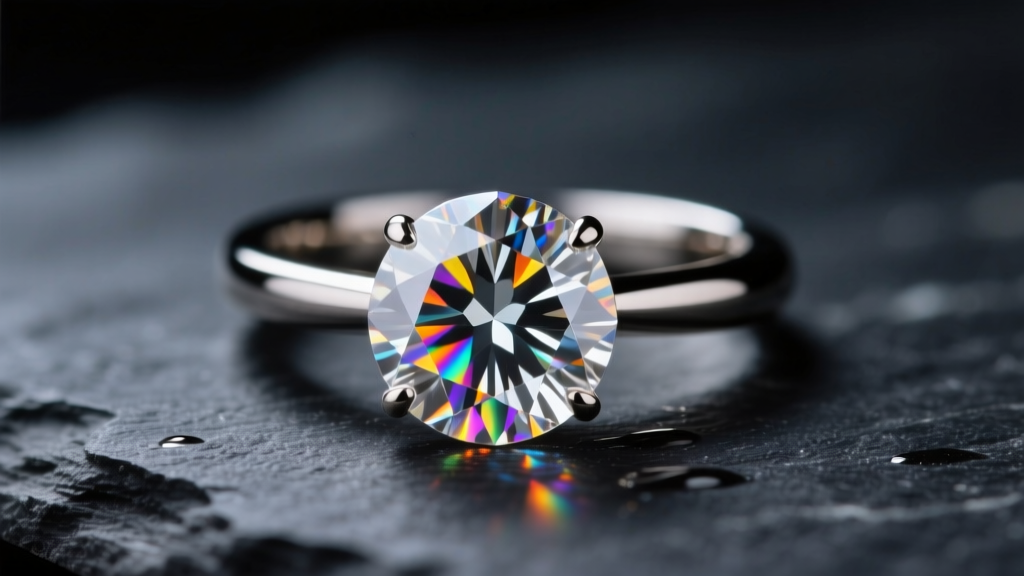
Moissanite is a marvel of modern gemology. With a hardness rating of 9.25 on the Mohs scale and a refractive index that outshines natural diamond, it is an exceptionally durable and brilliant choice for everyday wear. However, a common complaint among owners of moissanite jewelry is that the stone can suddenly appear cloudy, dull, or milky. If your once-fiery gemstone now looks like a piece of foggy glass, do not panic. Your stone has not degraded. Instead, you are likely dealing with surface contamination, setting wear, or optical interference. In this comprehensive troubleshooting guide, we will break down the exact science behind why moissanite gets cloudy and provide actionable, expert-level solutions to restore its original fire.
The Science of the Smudge: Why Moissanite Attracts Oil
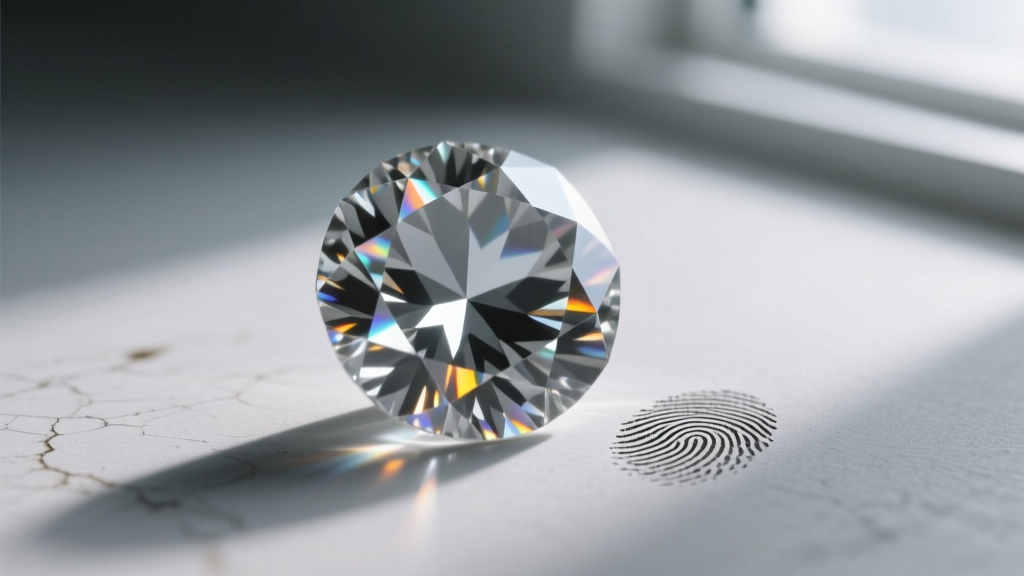
To troubleshoot cloudiness, you must first understand the chemical nature of your gemstone. Moissanite is composed of silicon carbide (SiC). While it is incredibly hard and resistant to scratching, silicon carbide is highly oleophilic, meaning it has a strong chemical affinity for oils and grease. When you wear your ring, microscopic layers of sebum from your skin, combined with lotions, soaps, and cooking oils, adhere to the pavilion (the bottom facets) of the stone.
Because light must enter the stone, bounce off the pavilion facets, and return to your eye to create brilliance, a microscopic film of oil acts as a barrier. It scatters the light before it can properly refract, resulting in a dull, grayish, or cloudy appearance. According to the Gemological Institute of America (GIA), while diamonds also attract grease, the specific surface tension properties of lab-created silicon carbide can cause it to hold onto skin oils more aggressively in certain environments.
Step-by-Step Troubleshooting for Cloudy Stones
If your moissanite jewelry has lost its luster, follow this tiered troubleshooting protocol to strip away oleophilic buildup without damaging your setting.
The Daily Degreasing Protocol
For routine cloudiness caused by hand creams and natural skin oils, a simple degreasing soak is the most effective remedy. Fill a small bowl with warm (not hot) water and add a few drops of a high-quality grease-cutting dish soap, such as Dawn. Allow the ring to soak for 15 to 20 minutes. This breaks the surface tension of the oils. After soaking, use a clean, ultra-soft baby toothbrush to gently agitate the pavilion and the area directly beneath the girdle. Rinse with distilled water to prevent hard water spots and dry with a lint-free microfiber cloth.
Ultrasonic Cavitation: When to Use It
If the stone remains cloudy after a manual wash, the oil may be baked into the microscopic junctions where the girdle meets the prongs. An ultrasonic cleaner operating at a standard 42 kHz frequency uses cavitation bubbles to blast away microscopic debris. However, you must exercise caution. While the GIA Gem Care Guidelines note that solid moissanite is perfectly safe in ultrasonic cleaners, the setting may not be. Never use an ultrasonic cleaner if your moissanite jewelry features pave-set diamond accents, as the high-frequency vibrations can loosen the tiny melee stones. Additionally, avoid ultrasonics if your ring is set in a tension setting, as the vibrations can compromise the metal's structural grip.
The Ammonia and Rhodium Conflict
A frequent troubleshooting mistake is using harsh commercial jewelry dips containing high concentrations of ammonia. While ammonia will strip the oil from the moissanite, it will also strip the rhodium plating off white gold settings. If your white gold ring suddenly looks yellowish or brassy after cleaning, the ammonia has degraded the rhodium layer. Stick to mild, pH-neutral degreasers to preserve both the stone and the metal.
| Cleaning Method | Efficacy on Oil | Setting Safety | Recommended Frequency |
|---|---|---|---|
| Dish Soap Soak | High | Excellent (All settings) | Weekly |
| Ultrasonic (42 kHz) | Very High | Poor for Pave/Tension | Monthly |
| Steam Cleaning | Extreme | Good (Avoid thermal shock) | Bi-Annually |
| Ammonia Dips | High | Poor (Strips Rhodium) | Never |
Mechanical Troubleshooting: Prong Wear and Loosening
Cloudiness is not always caused by dirt; sometimes, it is an optical illusion caused by the stone shifting in its setting. Moissanite ranks at 9.25 on the Mohs scale, making it significantly harder than the metals typically used to hold it. A standard 14k gold alloy has a Mohs hardness of roughly 2.5 to 3. Over a period of 5 to 10 years of daily wear, the hard silicon carbide girdle can act like fine sandpaper against the interior of the gold prongs, slowly wearing them down from the inside out.

If your stone appears cloudy or "off-center," it may be sitting unevenly due to worn prong seats, allowing dust and oils to accumulate in the newly formed gaps. If you notice any rattling when you tap the ring against your fingernail, the stone is loose. Stop wearing the ring immediately and take it to a bench jeweler for a prong re-tipping. As of 2026, many jewelers recommend upgrading to platinum or palladium settings for moissanite jewelry, as these denser, more durable metals resist the abrasive wear caused by hard SiC girdles far better than gold.
Aesthetic Troubleshooting: Mitigating the Disco Ball Effect
While not a traditional "defect," a common troubleshooting request from buyers is how to tone down the intense rainbow flash of moissanite. Moissanite possesses a dispersion value of 0.104, which is more than double that of a natural diamond (0.044). In certain lighting environments, this high dispersion creates a "disco ball" effect that some wearers find overwhelming or distracting.
If you love the durability of moissanite but want to troubleshoot the excessive fire, consider the following aesthetic adjustments:
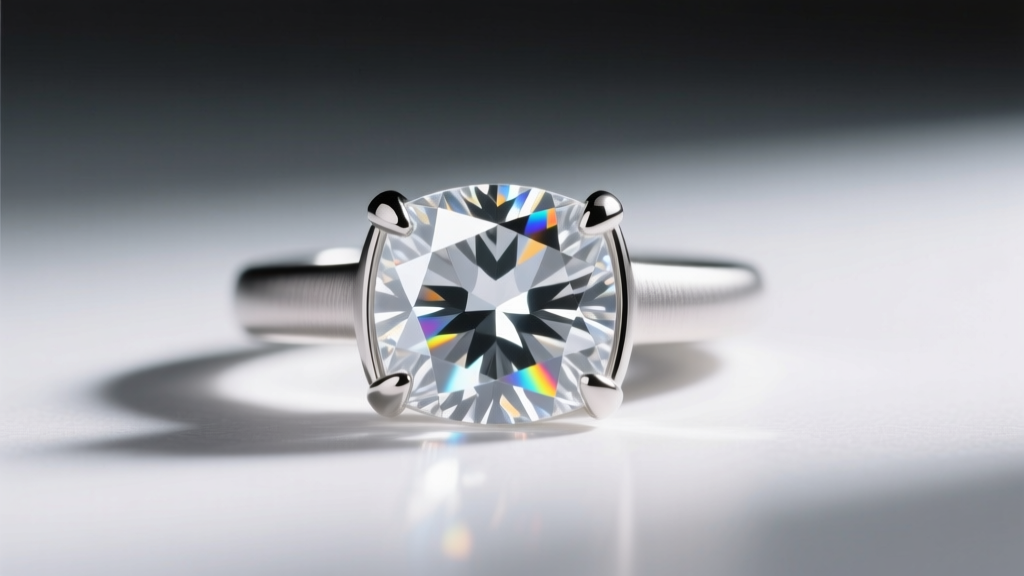
- Switch to a Crushed Ice Cut: Unlike a traditional round brilliant cut, which is mathematically optimized to maximize light return and fire, a crushed ice cut features a complex, fragmented pavilion. This scatters the light into smaller, less organized flashes, significantly reducing the rainbow dispersion and mimicking the icy, white-light appearance of a cushion-cut diamond.
- Opt for Lower Profile Settings: High-set cathedral settings allow light to enter the stone from all angles, amplifying the fire. A low-profile bezel or semi-bezel setting restricts side-light entry, forcing the eye to focus on the white light returning from the crown.
- Pair with Matte Metals: High-polish metal bands reflect light back into the stone, compounding the rainbow effect. Choosing a matte or brushed finish for your band absorbs ambient light, providing a neutral backdrop that lets the stone's white brilliance take center stage.
Expert Insight: As of 2026, some manufacturers are experimenting with hydrophobic nano-coatings applied to the pavilion of moissanite stones to repel skin oils. While these coatings are highly effective at preventing cloudiness for the first 12 to 18 months, they eventually wear off due to friction and exposure to hand sanitizers. Routine manual degreasing remains the most reliable, long-term maintenance strategy.
Final Thoughts on Moissanite Maintenance
Troubleshooting cloudy moissanite jewelry is almost always an exercise in deep cleaning and understanding the unique physical properties of silicon carbide. By recognizing its oleophilic nature, avoiding harsh chemical dips that damage your setting, and keeping a close eye on the mechanical wear of your gold prongs, you can ensure your gemstone maintains its legendary brilliance for a lifetime. When in doubt, a professional steam clean by a certified bench jeweler will safely blast away the most stubborn microscopic oils, instantly restoring the fiery brilliance that makes moissanite so extraordinary.


