Evaluate the Fine Jewelry Company Diamond Nexus on Lab-Grown Diamonds
Assess Diamond Nexus lab-grown diamonds vs simulants. We break down 2026 pricing, IGI certification, cut quality, and long-term upgrade value.

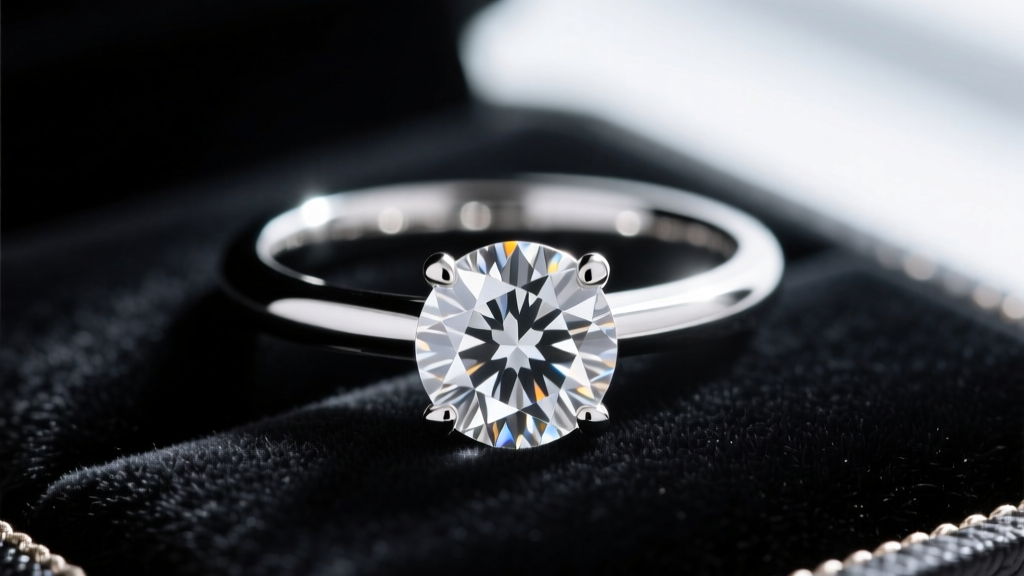
The landscape of alternative and lab-created gemstones has shifted dramatically by 2026. As wholesale prices for lab-grown diamonds continue to stabilize and drop, consumers are scrutinizing legacy alternative brands to see if their offerings still hold up. Many consumers typing 'evaluate the fine jewelry company diamonresnu on lab grown diamonds' into search engines are actually looking for Diamond Nexus, a brand famous for its diamond simulants that has since expanded into the lab-grown market. But does their lab-grown inventory offer genuine value, or are you paying a premium for brand recognition? In this comprehensive budget and value assessment, we break down the exact pricing, certification standards, and long-term upgrade policies of Diamond Nexus lab-grown diamonds to help you make an informed financial decision.
The Core Confusion: Nexus Diamond Alternative vs. Lab-Grown Diamonds
Before assessing value, we must address the primary source of buyer confusion. Diamond Nexus built its empire on the 'Nexus Diamond Alternative,' which is not a lab-grown diamond. It is a patented diamond simulant (essentially a highly refined, coated cubic zirconia composite) designed to mimic the optical properties of a diamond. While beautiful and budget-friendly (typically ranging from $40 to $90 per carat), it is not carbon, it will not test positive on a diamond tester, and it ranks lower on the Mohs hardness scale (around 8.5 compared to a diamond's 10).
However, Diamond Nexus also sells actual lab-grown diamonds. These are chemically, physically, and optically identical to mined diamonds, created via Chemical Vapor Deposition (CVD) or High Pressure High Temperature (HPHT) methods. When evaluating the fine jewelry company Diamond Nexus on lab-grown diamonds, you must ensure your cart explicitly states 'Lab-Grown Diamond' and not 'Nexus Diamond Alternative.' The price gap between the two is massive, and confusing them is the most common budgeting mistake buyers make on their platform.
2026 Pricing Breakdown & Value Assessment
To truly evaluate the fine jewelry company Diamond Nexus on lab-grown diamonds, we must compare their 2026 pricing against the broader market. The lab-grown diamond market has seen significant price compression over the last three years. Below is a comparative value matrix for a standard 1.50-carat, Round Brilliant, G Color, VS1 Clarity stone.
| Retailer / Stone Type | Avg. Price (1.50ct G/VS1) | Certification | Resale / Trade-In Value |
|---|---|---|---|
| Diamond Nexus (Lab-Grown) | $1,350 - $1,600 | IGI / GCAL | Lifetime Upgrade (Store Credit) |
| Diamond Nexus (Simulant) | $75 - $120 | None (Simulant) | Lifetime Upgrade (Store Credit) |
| Brilliant Earth (Lab-Grown) | $1,100 - $1,400 | IGI / GIA | Standard Trade-In Program |
| Direct Wholesale (e.g., Dorsey) | $800 - $1,050 | IGI / GIA | None / Minimal |
As the data illustrates, Diamond Nexus lab-grown diamonds carry a slight premium (roughly 15-20% higher) compared to direct-to-consumer wholesale lab diamond retailers. This premium is largely attributed to their aggressive marketing, US-based customer service, and their heavily promoted lifetime upgrade policy. If your budget is strictly constrained, you can find identical lab-grown specs for less elsewhere. However, if you value a robust return and upgrade safety net, the Nexus premium may be justifiable.
Certification and the 4Cs: What You Actually Get
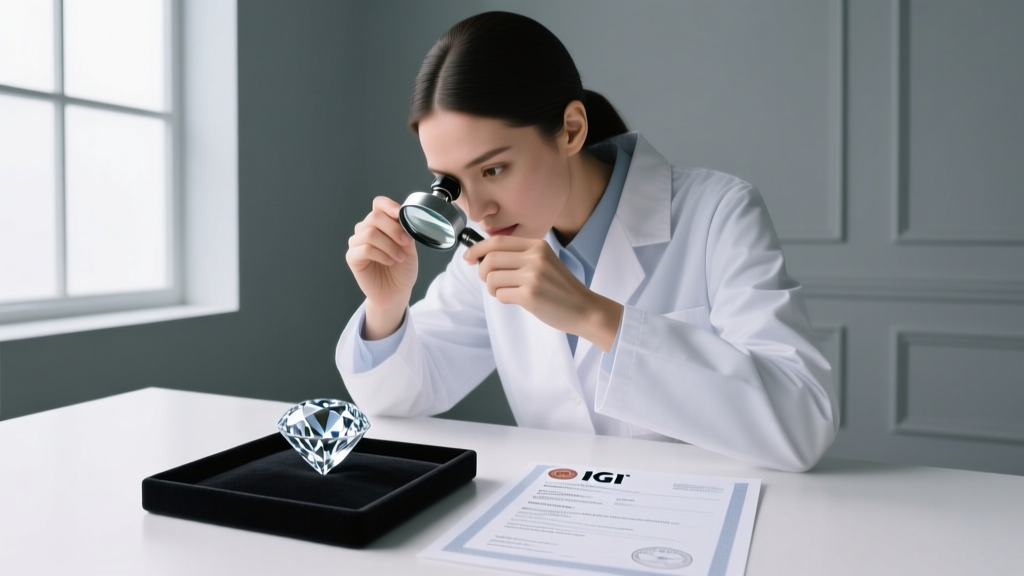
When purchasing any lab-grown diamond, independent certification is non-negotiable. According to the FTC Guides for the Jewelry Industry, retailers must clearly disclose the origin and nature of lab-created stones. Diamond Nexus complies with this by providing grading reports for their lab-grown inventory, primarily through the International Gemological Institute (IGI) and occasionally GCAL.
The Cut Quality Factor
While color and clarity are important, cut dictates a diamond's brilliance. Diamond Nexus typically stocks lab-grown diamonds with 'Ideal' or 'Excellent' cut grades on their IGI reports. However, as GIA research on laboratory-grown diamonds notes, not all 'Excellent' cuts are created equal. When browsing their inventory, look beyond the certificate grade. Request the diamond's light performance scan (like an ASET or Idealscope image) if it is not provided on the product page. A lab-grown diamond with poor symmetry or a too-thick girdle will leak light, regardless of its 'Excellent' paper grade. Diamond Nexus is generally reliable with cut quality, but verifying the specific stone's proportions (e.g., table percentage between 54-57% and depth between 61-62.5% for round brilliants) is a crucial step for the savvy buyer.
Warranty, Upgrades, and Long-Term Value
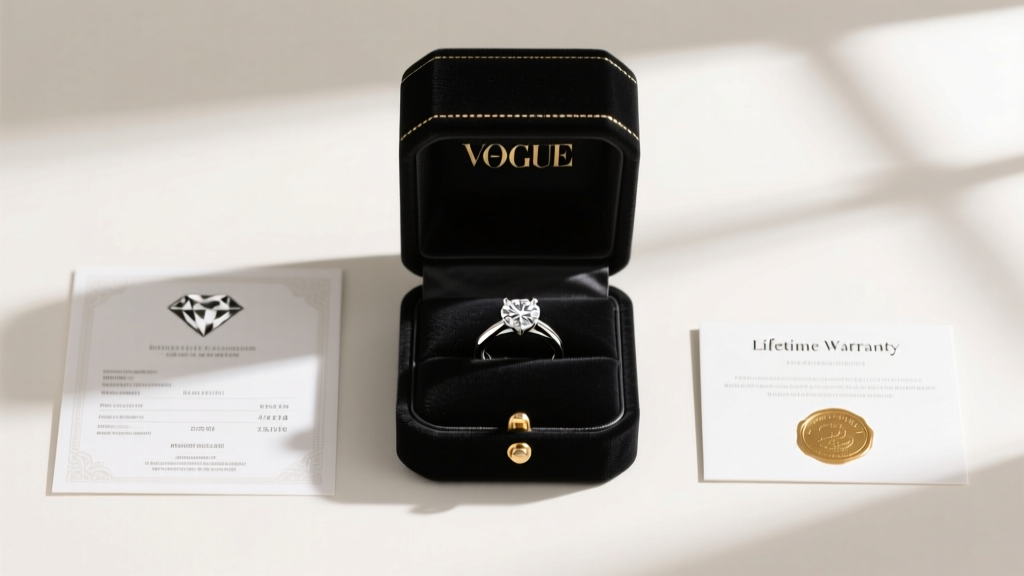
The most compelling argument for paying the Diamond Nexus premium is their warranty and upgrade ecosystem. Unlike wholesale vendors where a lab-grown diamond purchase is a final, depreciating transaction, Diamond Nexus offers a Lifetime Upgrade Policy.
Here is how the math actually works in 2026: If you purchase a 1-carat lab-grown diamond for $900, you can later trade it in toward a larger or higher-quality stone. The catch? You must purchase a new stone that is at least twice the value of your original purchase. This means you would need to spend a minimum of $1,800 on the new item to qualify for the $900 credit. Furthermore, this policy applies strictly to their lab-grown and mined diamond inventory; you cannot upgrade a Nexus Diamond simulant into a real lab-grown diamond using this specific credit structure. For buyers who view an engagement ring as a stepping stone to a larger anniversary upgrade, this policy provides tangible, albeit restrictive, financial utility.
Final Verdict: Is Diamond Nexus Worth Your Budget?
Evaluating the fine jewelry company Diamond Nexus on lab-grown diamonds ultimately depends on your purchasing philosophy. If you are a strict value-maximizer looking for the lowest possible price per carat on a G/VS1 lab-grown stone, Diamond Nexus is not the cheapest option in the 2026 market. You will save 15% or more by utilizing wholesale lab-grown diamond platforms.
However, if you want the security of a US-based company with a transparent, documented lifetime upgrade policy, responsive customer service, and reliable IGI certification, the 15-20% markup is a reasonable insurance premium. Just remember the golden rule of their storefront: read the fine print to ensure you are adding a true carbon lab-grown diamond to your cart, and not their patented simulant, unless a $60 fashion stone is exactly what your budget requires.


