How to Inspect and Buy Lab Made Diamond Jewelry Like a Pro
Learn how to inspect and buy lab made diamond jewelry with our expert step-by-step guide. Master IGI reports, CVD vs. HPHT, and 2026 pricing tactics.

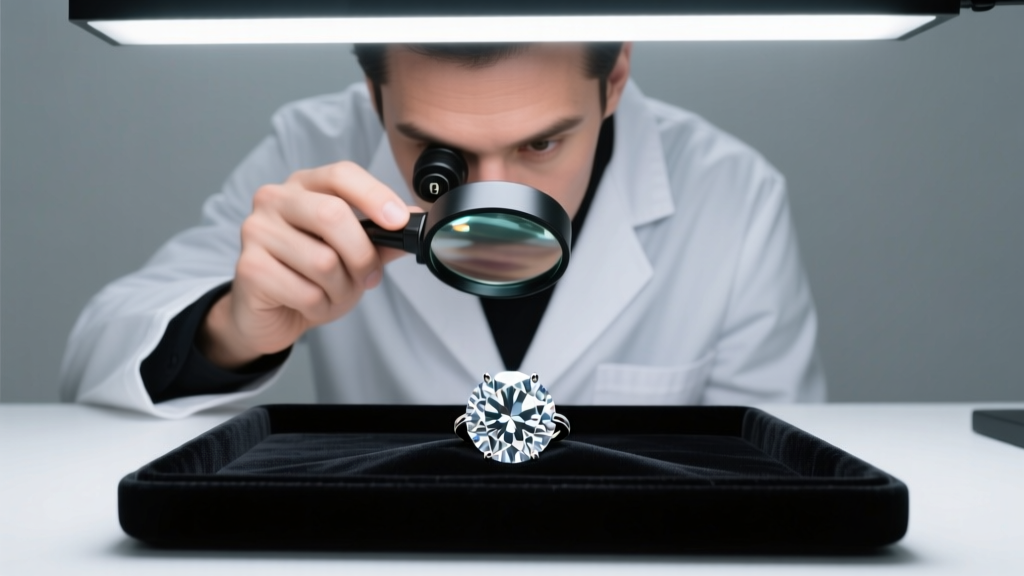
The New Standard in Fine Jewelry
The landscape of fine jewelry has fundamentally shifted. As we navigate the market in 2026, lab made diamond jewelry is no longer just an "alternative"—it is the dominant choice for engagement rings, anniversary bands, and high-end fashion jewelry. However, the accessibility of these stones has also led to a flood of varying qualities. Not all lab-grown diamonds are created equal. To ensure you are investing in a stone with optimal brilliance, durability, and value, you must look beyond the basic 4Cs and understand the gemological nuances of synthetic diamond production. This step-by-step guide will teach you how to evaluate, select, and verify lab made diamond jewelry with the precision of a seasoned gemologist.
Step 1: Decode the Certification (IGI vs. GIA)
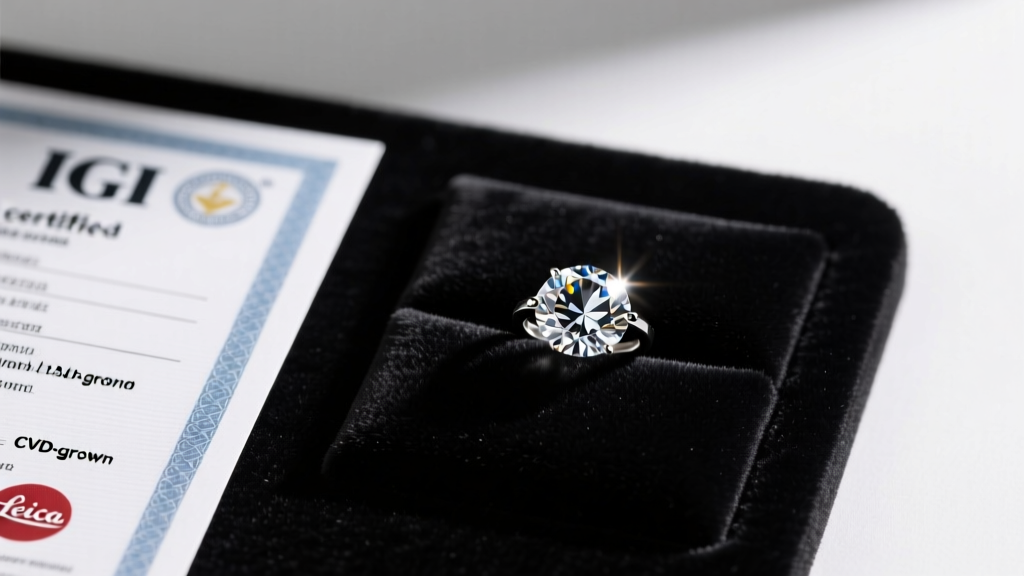
Never purchase lab made diamond jewelry without a reputable grading report. While the Gemological Institute of America (GIA) remains the titan of natural diamond grading, the International Gemological Institute (IGI) is widely considered the gold standard for lab-grown stones. IGI provides highly detailed cut grades and color/clarity breakdowns that are crucial for evaluating synthetic diamonds.
Reading the IGI Report for Lab Diamonds
When reviewing an IGI report, pay close attention to the "Growth Process" section. The report will explicitly state whether the stone was created via Chemical Vapor Deposition (CVD) or High Pressure High Temperature (HPHT). Furthermore, look for the Comments section. If you see phrases like "Post-growth color treatment" or "Annealed," it means the CVD diamond was subjected to heat treatment after growth to remove brown or green tints. While this is a standard and permanent industry practice, it is vital to know what you are buying.
| Feature | IGI Lab Diamond Report | GIA Lab Diamond Report |
|---|---|---|
| Cut Grade Detail | Highly specific (Ideal, Excellent, Very Good) | Historically broader, though improving in 2026 |
| Color/Clarity | Exact grades (e.g., G, VS1) | Often uses ranges for lower-tier lab stones |
| Market Acceptance | Industry standard for lab jewelry | Preferred for ultra-premium/natural stones |
For a deeper understanding of grading discrepancies, consult GIA's Laboratory-Grown Diamond Research and IGI Educational Resources.
Step 2: Choose the Growth Method (CVD vs. HPHT)
The method used to grow your diamond drastically affects its internal characteristics, fluorescence, and potential inclusions. Understanding the difference between CVD and HPHT is a hallmark of an educated buyer.
- CVD (Chemical Vapor Deposition): Grown in a vacuum chamber using carbon-rich gases. CVD diamonds often exhibit exceptional clarity (VVS or VS) but can suffer from strain patterns visible under cross-polarized light. If not properly annealed, CVD stones can show a faint brown or gray undertone, even if graded as a 'G' or 'H' color.
- HPHT (High Pressure High Temperature): Mimics the earth's natural diamond-forming conditions using a metallic flux catalyst. HPHT diamonds are renowned for their superior color grades (often achieving D, E, or F) and lack the strain patterns seen in CVD stones. However, they can contain microscopic metallic flux inclusions. In rare cases, these inclusions can make the diamond slightly magnetic, which is a fascinating quirk but does not affect durability.
Pro Tip: If you are buying a step-cut shape like an Emerald or Asscher cut, prioritize HPHT stones for their superior color purity. For brilliant cuts like Round or Oval, a well-cut CVD stone will hide minor color tints beautifully while offering massive carat-for-price value.
Step 3: Evaluate Cut Quality and Light Performance
A common mistake buyers make is assuming that because a lab made diamond jewelry piece is graded "Excellent" in cut, it will automatically sparkle. In 2026, the market is saturated with "Excellent" cut stones that suffer from light leakage. To truly evaluate light performance, you must request optical precision imaging.
ASET and Idealscope Imaging
Ask the jeweler for an ASET (Angular Spectrum Evaluation Tool) or Idealscope image. These tools map the light return of the diamond. You want to see a vibrant, saturated red indicating strong light return, with a crisp, symmetrical pattern of black arrows (the "Hearts and Arrows" phenomenon). Avoid stones with large areas of white or clear leakage, which indicate poor facet alignment and a lifeless appearance in natural lighting.
Step 4: Navigate 2026 Pricing and Market Value
The pricing of lab made diamond jewelry has undergone a massive correction over the last few years. What cost $4,000 in 2022 can now be acquired for a fraction of the price. Understanding current wholesale-to-retail markups will save you thousands.
| Carat Weight | Color/Clarity (G / VS1) | Estimated 2026 Retail Price Range |
|---|---|---|
| 1.00 ct - 1.20 ct | G / VS1 | $600 - $950 |
| 1.50 ct - 1.75 ct | G / VS1 | $900 - $1,400 |
| 2.00 ct - 2.50 ct | G / VS1 | $1,300 - $2,100 |
| 3.00 ct+ | G / VS1 | $2,200 - $3,500 |
Note: Prices vary based on brand prestige, setting complexity, and precise cut quality. Always compare the loose stone's price against the setting's metal weight and craftsmanship.
Step 5: Verify Post-Purchase Authenticity
Once you have purchased your lab made diamond jewelry, verification is the final step. Because lab diamonds share the exact same carbon crystal structure as mined diamonds, standard thermal diamond testers will identify them as real diamonds. However, they will not differentiate between natural and lab-grown.
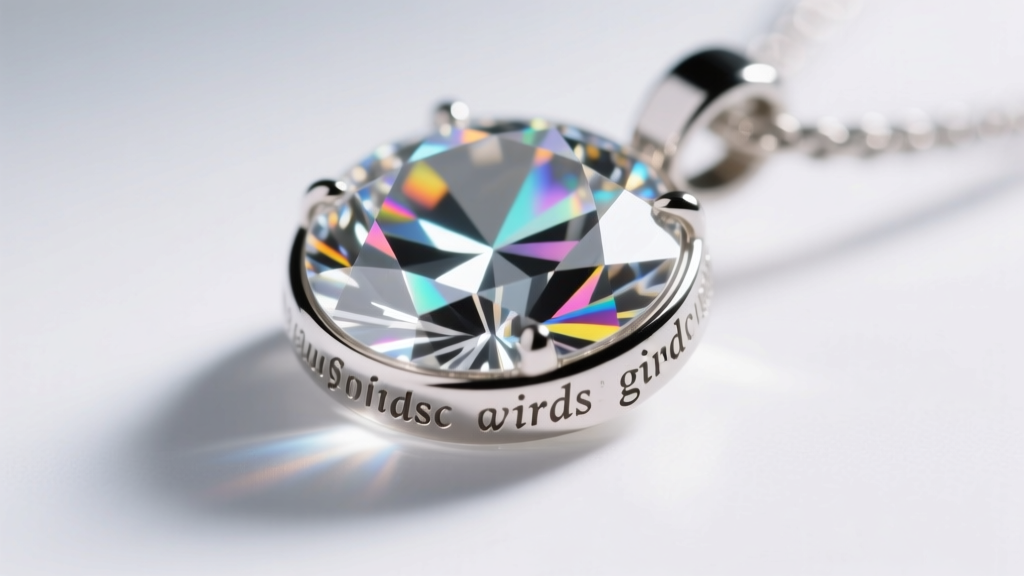
To verify your specific stone, use a 10x or 30x jeweler's loupe to locate the laser inscription on the diamond's girdle. The inscription will match the report number and will typically include a prefix like "IGI LG" or "Lab Grown." Furthermore, if you have a CVD diamond, exposing it to shortwave UV light will often reveal a striking orange or red fluorescence pattern, a telltale signature of the CVD growth process. For professional verification and appraisal, always consult a certified gemologist affiliated with the American Gem Society.
Expert Insight on Resale Value: Unlike natural diamonds, lab made diamond jewelry currently holds minimal resale value. You should purchase lab-grown stones for their unmatched beauty, ethical sourcing, and immediate financial savings, not as a financial investment. Treat it as a luxury purchase, much like a high-end vehicle, where the value lies in the enjoyment and wearability rather than future equity.


