How to Authenticate Amber Jewelry Artesia Masterpieces
Learn how to authenticate, clean, and style amber jewelry Artesia pieces. Expert tips on UV testing, Mohs hardness care, and 2026 layering trends.

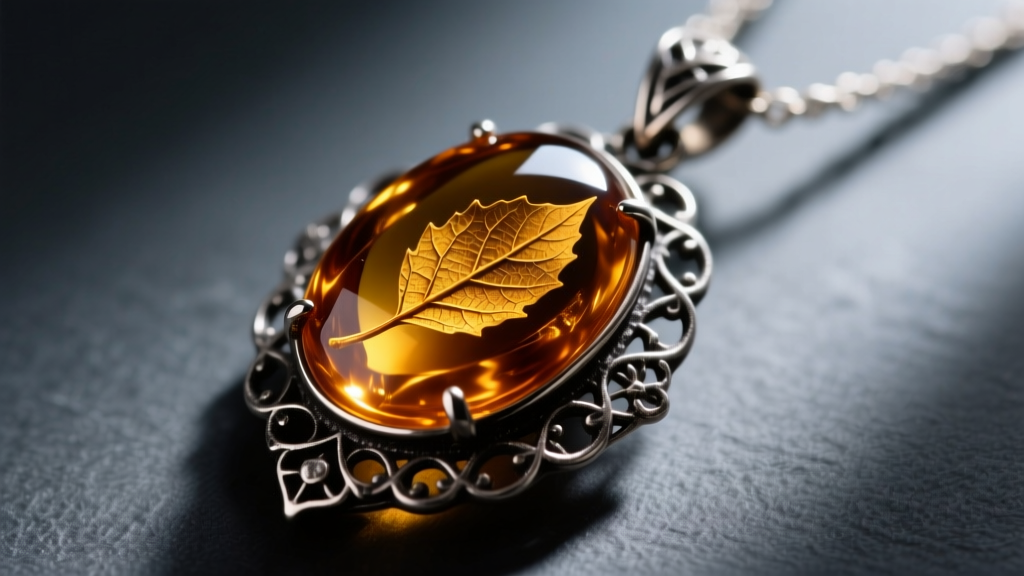
Understanding the Artesia Amber Aesthetic
When collectors and stylists refer to amber jewelry Artesia pieces, they are invoking a specific, highly sought-after artisan aesthetic. Originating from boutique guilds that specialize in botanical and nature-inspired metalwork, Artesia-style amber jewelry pairs high-clarity Baltic or Dominican amber with intricate, often oxidized sterling silver or matte-finish gold filigree. Unlike mass-produced cabochon rings, Artesia pieces treat the fossilized resin as a living specimen, cradling raw edges, prehistoric insect inclusions, and botanical debris in custom-forged bezels.
As we navigate the 2026 gemstone market, the demand for these artisan-crafted pieces has surged. However, this popularity has also led to an influx of sophisticated copal (immature resin) and polymer imitations. This step-by-step guide will teach you how to authenticate, properly maintain, and expertly style your Artesia amber collections.
Step 1: Authenticating Your Artesia Amber Pieces
True amber is fossilized tree resin, primarily from the extinct Pinus succinifera, dating back 30 to 90 million years. According to the Gemological Institute of America (GIA), distinguishing genuine amber from copal or plastic requires a multi-step diagnostic approach.
The Specific Gravity Saltwater Test
Amber has a specific gravity of 1.05 to 1.10, meaning it is only slightly denser than water. You can perform a non-destructive float test at home:
- Mix a solution of 1 part table salt to 4 parts warm water in a clear glass.
- Stir until the salt is completely dissolved.
- Gently drop your Artesia amber piece into the solution.
- Result: Genuine amber will float or suspend in the middle. Most plastics, glass, and heavy copal blends will sink to the bottom.
Note: This test is only accurate if the piece is not heavily weighted by a thick solid gold or silver setting. If your Artesia pendant has a massive sterling silver backing, the metal's density will cause it to sink regardless of the stone's authenticity.
UV Fluorescence Diagnostics
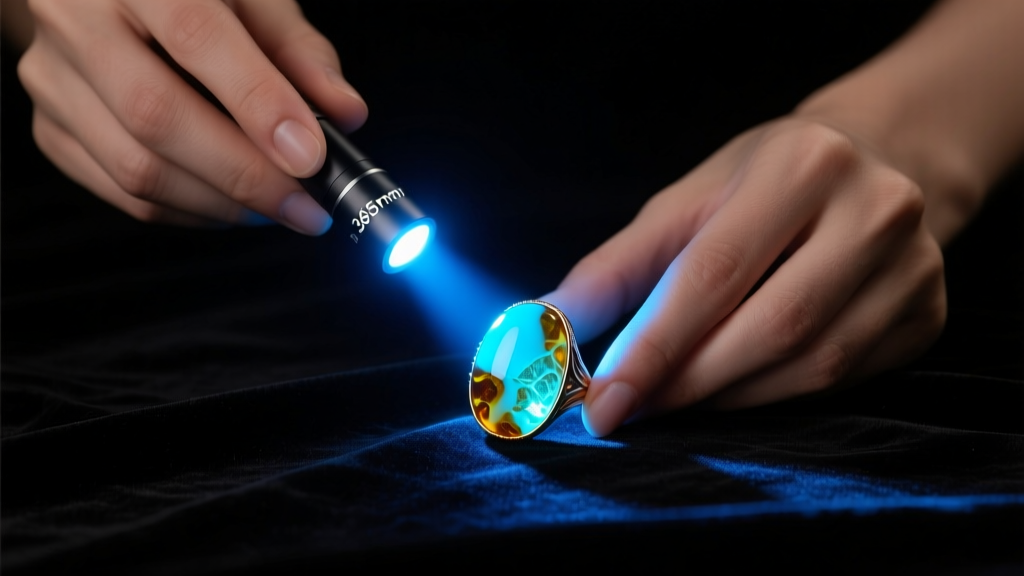
For mounted Artesia jewelry where the saltwater test is impractical, ultraviolet fluorescence is your best tool. You must use a 365nm UV flashlight (not the common 395nm purple lights used for scorpion hunting).
- Baltic Amber: Glows a pale, milky blue or soft green under 365nm UV light.
- Dominican Blue Amber: Exhibits an intense, surface-level fluorescent blue glow.
- Copal (Fake/Immature): Glows a stark, chalky white.
- Polymer/Plastic: Shows no fluorescence or absorbs the light entirely.
Step 2: Identifying Metalwork Quality in Artesia Settings
The defining feature of amber jewelry Artesia designs is the metalwork. Authentic artisan pieces utilize cast or hand-forged 925 sterling silver, often treated with liver of sulfur to create an oxidized, antiqued finish that highlights the botanical filigree. When inspecting a piece:
- Check the prongs and bezels. Artesia settings use flexible, hand-burnished bezels that grip the amber without adhesives.
- Look for hallmarks. Genuine pieces will bear a '925' stamp, often tucked inside a leaf motif or on the interior of the ring shank.
- Avoid pieces where the amber is glued into a rigid, machine-stamped setting, as this indicates mass production rather than true Artesia craftsmanship.
Step 3: Proper Cleaning and Maintenance
Amber ranks at a mere 2.0 to 2.5 on the Mohs hardness scale. For context, your fingernail is a 2.5, and a copper penny is a 3.0. This extreme softness means that everyday dust (which contains quartz particles at a 7.0) can easily scratch the surface of your jewelry. The GIA Amber Care Guide strongly advises against ultrasonic and steam cleaners.
| Cleaning Agent / Method | Effect on Artesia Amber | Safety Verdict |
|---|---|---|
| Warm Water & Mild Dish Soap | Gently removes skin oils and lotions without stripping the resin's natural moisture. | ✅ Safe (Use Sparingly) |
| Ultrasonic Cleaners | High-frequency vibrations will cause internal fracturing and shatter the amber. | ❌ Never Use |
| Rubbing Alcohol / Acetone | Dissolves the surface layer, leaving a permanent, sticky, white haze. | ❌ Never Use |
| Commercial Silver Dip | Will chemically burn the amber while cleaning the silver setting. | ❌ Never Use |
| Microfiber Cloth | Safely buffs away fingerprints without introducing micro-scratches. | ✅ Highly Recommended |
Pro-Tip for Oxidized Silver: Never use liquid silver polish on Artesia settings. The chemicals will strip the intentional black oxidation from the filigree crevices, ruining the contrast that makes the design pop. Instead, use a dry silver polishing cloth only on the high-relief areas.
Step 4: Styling Artesia Amber for 2026 Trends
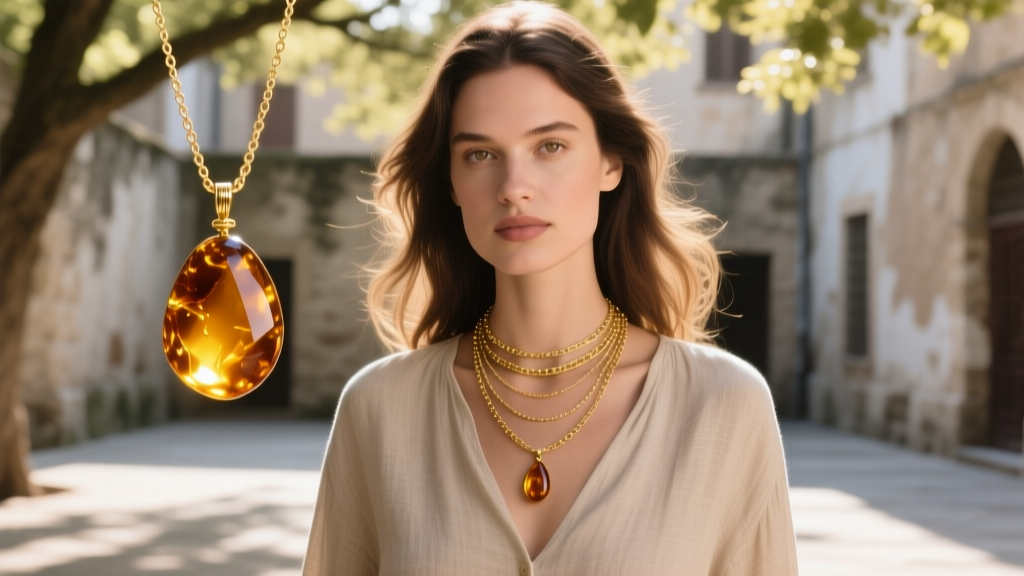
The 2026 styling paradigm shifts away from wearing amber as a solitary, vintage statement piece. Instead, the modern approach embraces juxtaposition and layering.
The Contrast Layering Technique
Because Artesia amber often features dark, oxidized silver and warm cognac or cherry resin, it serves as an anchor for mixed-metal stacking.
- The Anchor: Wear your heavy Artesia amber pendant on a 24-inch oxidized silver chain.
- The Mid-Layer: Add an 18-inch matte 14k yellow gold chain with a small, geometric citrine or peridot drop.
- The Top-Layer: Finish with a 16-inch delicate gold choker or a simple silk cord.
This technique pulls the amber out of the 'boho-chic' cliché and grounds it in contemporary, high-fashion layering.
Seasonal Color Mapping
While amber is traditionally associated with autumn, the Artesia aesthetic translates beautifully year-round if you map the resin color to the metal correctly. Pair lemon and butterscotch amber with bright, high-polish sterling silver for a crisp, spring-appropriate look. Reserve the deep cherry and cognac ambers set in antiqued gold for winter layering over heavy knits and wool.
Expert Troubleshooting: Dealing with Crazing and Clouding
Over time, amber can lose its natural moisture, leading to a network of fine surface cracks known as crazing, or a general cloudy appearance. This is often accelerated by exposure to direct sunlight, extreme heat, or harsh perfumes.
How to Revive Cloudy Artesia Amber:
- Clean the piece gently with a damp microfiber cloth and let it air dry completely.
- Apply a single, microscopic drop of pure mineral oil (never olive or coconut oil, which will oxidize and turn rancid) to your fingertip.
- Rub the oil gently into the amber cabochon, avoiding the silver setting.
- Let it sit for 10 minutes, then buff vigorously with a clean, dry microfiber cloth.
This process rehydrates the microscopic surface fissures, restoring the deep, glassy luster characteristic of premium Artesia amber jewelry. For more historical context on fossilized resin preservation, the Encyclopedia Britannica's entry on Amber provides excellent foundational geology.
Final Thoughts on Curating Artesia Collections
Owning amber jewelry Artesia pieces is an exercise in appreciating both prehistory and master metalsmithing. By rigorously authenticating your stones with UV and specific gravity tests, respecting the Mohs 2.5 hardness limit during cleaning, and embracing modern mixed-metal layering, you ensure your collection remains vibrant, structurally sound, and effortlessly stylish for decades to come.


