The Ultimate Guide to Buying and Caring for Green Turquoise Jewelry
Learn how to authenticate, clean, and style rare green turquoise jewelry. Discover treatment types, matrix patterns, and expert care steps.

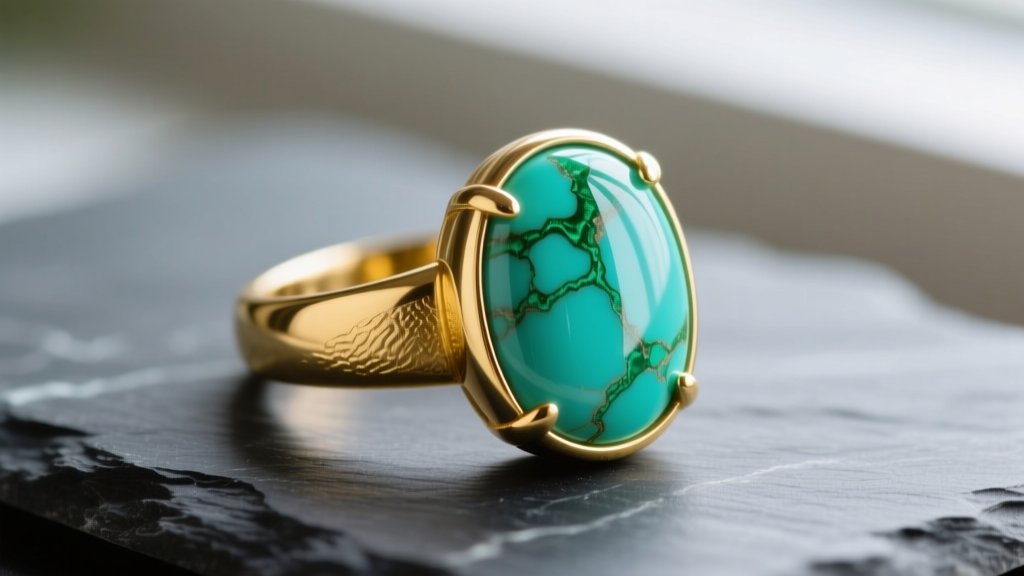
While classic robin's-egg blue turquoise dominates the mainstream market, green turquoise jewelry represents a rare, highly coveted niche for serious collectors and avant-garde stylists. The striking lime, apple, and deep olive hues of green turquoise offer a unique alternative to traditional blue stones, but their rarity also makes them a prime target for synthetic imitations and misidentified minerals.
Whether you are hunting for a vintage Carico Lake pendant or maintaining a modern green turquoise cocktail ring, understanding the geology, treatment processes, and proper care protocols is essential. This step-by-step guide will teach you how to authenticate, evaluate, and preserve your green turquoise jewelry with expert precision.
The Geology of Green Turquoise: Why Color Matters
To properly authenticate green turquoise, you must first understand its chemical origins. Classic blue turquoise is a hydrous phosphate of copper and aluminum. The blue hue is derived directly from copper. However, when zinc, iron, or barium substitute or interact with the copper in the mineral matrix, the resulting stone shifts into the green spectrum.
The most famous source of genuine green turquoise is the Carico Lake mine in Lander County, Nevada. Stones from this mine are renowned for their vivid apple-green and lime-green colors, often featuring dramatic black or brown webbing (matrix). Other notable sources include the Tonopah Blue mine (which occasionally yields greenish hues) and certain deposits in the Hubei province of China. Because true green turquoise is geologically rarer than its blue counterpart, untreated, high-quality specimens command a significant premium in the 2026 gemstone market.
Step 1: Authenticating Green Turquoise Jewelry
The market is flooded with dyed howlite, magnesite, and even variscite (a distinct green phosphate mineral) mislabeled as green turquoise. Follow these diagnostic steps to verify your stone.
Visual and Tactile Inspection
- Luster Check: Genuine turquoise has a waxy to sub-vitreous luster. If the stone looks overly glassy or plastic-like, it is likely a synthetic or heavily resin-impregnated fake.
- Matrix Analysis: The host rock (matrix) in natural green turquoise should appear organic and uneven. In dyed howlite, the 'matrix' is often printed or artificially injected, resulting in uniform, unnaturally sharp black lines that do not penetrate the stone's depths.
- The Hot Pin Test (Use Caution): Heating a needle and touching an inconspicuous area of the stone will melt plastic or resin fakes, releasing a chemical odor. Natural turquoise will not melt, though stabilized turquoise may show minor resin melting.
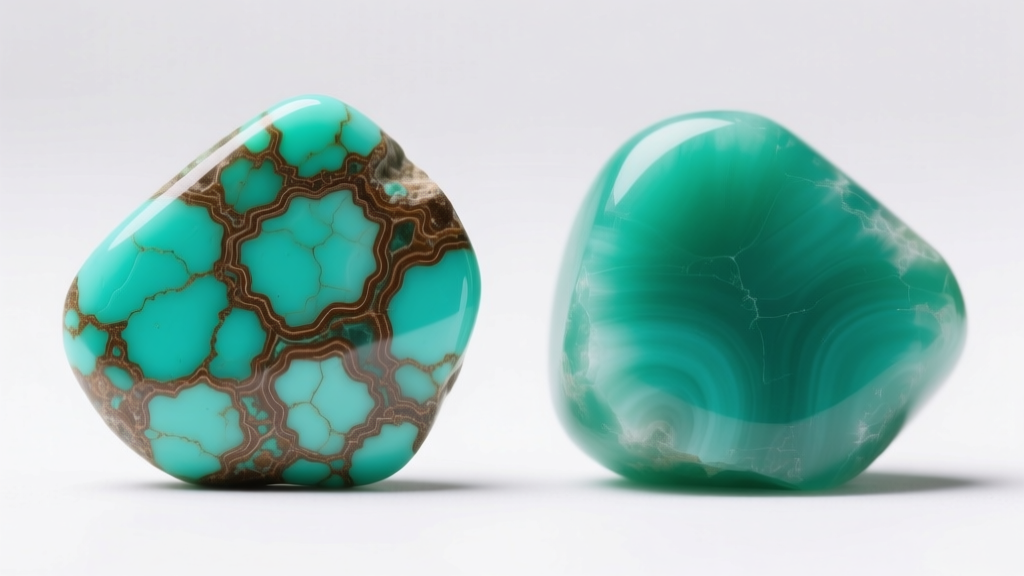
Comparison Chart: Genuine vs. Imitation Green Stones
| Characteristic | Natural Green Turquoise | Stabilized Turquoise | Dyed Howlite / Magnesite |
|---|---|---|---|
| Mohs Hardness | 5.0 - 6.0 | 6.0 - 7.0 (Resin hardened) | 3.5 - 4.5 (Softer, scratches easily) |
| Color Distribution | Uneven, natural zoning | Enhanced, uniform saturation | Dye concentrates in cracks/crevices |
| Matrix | Organic host rock inclusions | Host rock intact but hardened | Faux matrix, often surface-level |
| UV Reaction | Usually inert or weak yellow | May fluoresce due to resins | Dyes may show strong UV reactions |
For definitive identification, always request a report from a reputable gemological laboratory. The Gemological Institute of America (GIA) provides comprehensive identification reports that detail any detectable treatments or polymer impregnations.
Step 2: Proper Cleaning and Maintenance Protocols
Turquoise is inherently porous. On the Mohs scale, it ranks between 5 and 6, making it susceptible to scratching, chemical alteration, and dehydration. Improper cleaning is the leading cause of damage to green turquoise jewelry.
Expert Warning: Never use ultrasonic cleaners, steam cleaners, or commercial jewelry dips on turquoise. The high-frequency vibrations can shatter the stone along natural matrix faults, and harsh chemicals will strip the stone's natural waxy luster and alter its color.
The Safe Cleaning Method
- Prepare a Mild Solution: Mix lukewarm water with a single drop of pH-neutral, fragrance-free dish soap.
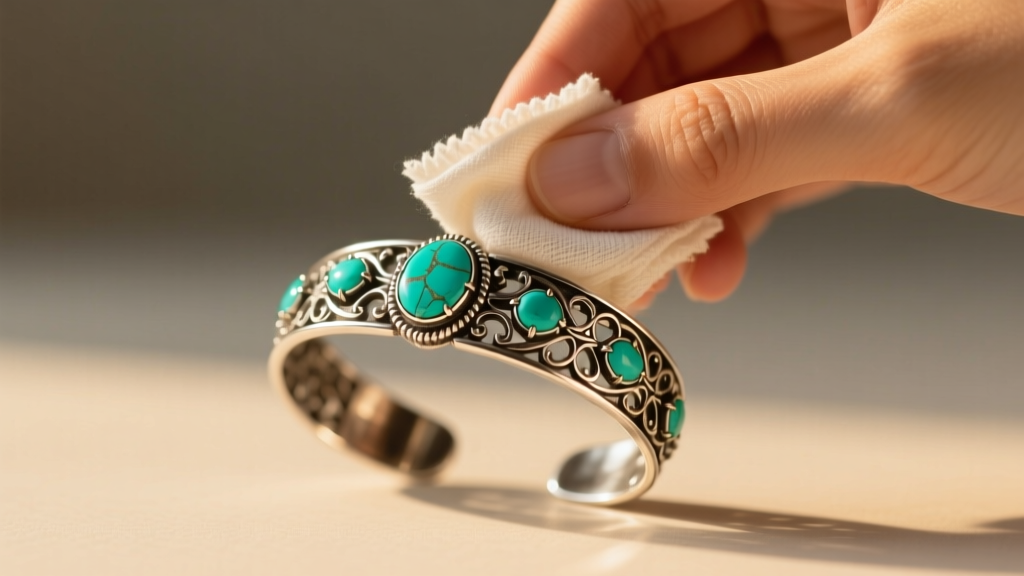
- Wipe Gently: Dampen a soft, lint-free microfiber cloth in the solution. Do not submerge the stone in water, as prolonged exposure can cause the porous mineral to absorb moisture and potentially crack upon drying.
- Polish the Stone: Gently wipe the surface of the green turquoise to remove skin oils and environmental dust.
- Dry Immediately: Use a separate dry microfiber cloth to buff the stone and remove all residual moisture.
- Metal Care: If the setting is sterling silver, use a dedicated silver polishing cloth on the metal only, avoiding contact with the turquoise to prevent abrasive compounds from scratching the gem.
Step 3: Selecting the Right Jewelry Settings
Because green turquoise is relatively soft and often contains brittle matrix webbing, the structural integrity of the jewelry setting is paramount. When buying or commissioning green turquoise jewelry, pay close attention to the mounting style.
- Bezel Settings: A full bezel setting (where a metal rim completely encircles the gemstone's girdle) is the gold standard for turquoise. It protects the vulnerable edges from chipping during daily wear.
- Avoid Prong Settings: Prongs place localized pressure on the stone and leave the edges exposed. Given turquoise's cleavage and fracture tendencies, prong settings dramatically increase the risk of catastrophic damage.
- Backing Materials: Many high-quality turquoise cabochons are backed with a thin layer of epoxy or a metal plate (like copper or silver) to provide structural support. According to mineralogical data from Mindat.org, this is a standard, acceptable practice to prevent the cabochon from cracking under the pressure of a bezel setting.
Step 4: Evaluating Market Value and Pricing in 2026
The valuation of green turquoise jewelry depends heavily on the mine of origin, the treatment status, and the aesthetic appeal of the matrix. Here is a baseline pricing framework for the current market:
- Natural, Untreated Carico Lake (High Grade): $8.00 to $20.00+ per carat. Specimens with vivid apple-green color and tight, spider-web black matrix are the most valuable.
- Stabilized Green Turquoise: $2.00 to $6.00 per carat. Stabilization (impregnating the stone with clear epoxy to enhance hardness and color) is an accepted industry practice for mid-tier jewelry, provided it is fully disclosed.
- Chinese Green Turquoise (Treated): $0.50 to $2.00 per carat. Often heavily treated, dyed, or reconstituted. Suitable for fashion jewelry but holds little collector value.
When purchasing, always ask the jeweler for the specific mine origin and a clear disclosure of any stabilization or enhancement processes. Genuine, untreated green turquoise is an investment-grade gemstone that continues to appreciate as Nevada mines become increasingly depleted.
Final Thoughts on Styling Green Turquoise
Green turquoise jewelry bridges the gap between Southwestern heritage and modern high fashion. While sterling silver provides a classic, high-contrast backdrop that emphasizes the stone's earthy matrix, setting apple-green Carico Lake turquoise in 14k or 18k yellow gold elevates the stone into luxury territory, enhancing its warm, vibrant undertones. By prioritizing authentic stones, demanding proper bezel settings, and adhering to strict, non-chemical cleaning protocols, your green turquoise pieces will retain their striking color and structural integrity for generations.


