Authentic Baltic Amber Jewelry: A Complete Buyer Guide
Discover how to identify, grade, and buy authentic Baltic amber jewelry. Learn expert testing methods, color values, and care tips in our 2026 guide.

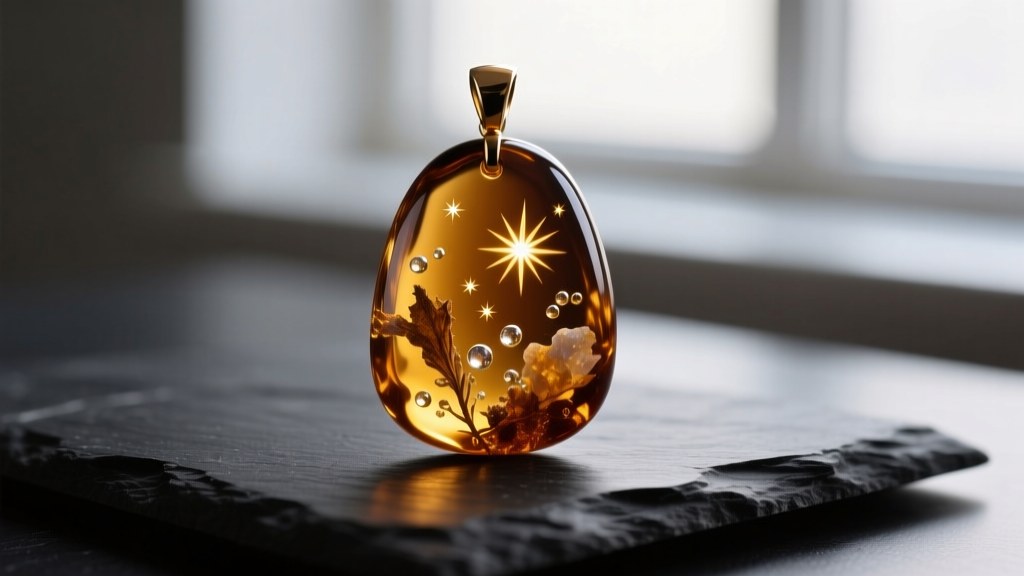
The Eocene Legacy: Understanding True Baltic Amber
When shopping for Baltic amber jewelry, you are not merely purchasing a gemstone; you are acquiring a 44-million-year-old botanical time capsule. Unlike crystalline minerals formed under intense geological pressure, Baltic amber (scientifically known as succinite) is the fossilized resin of the extinct Pinus succinifera tree. According to the Mindat Mineral Database, true Baltic amber is uniquely defined by its succinic acid content, which ranges from 3% to 8% by weight—a chemical signature entirely absent in younger resins or synthetic imitations.
The vast majority of the world's commercial supply is dredged from the Baltic Sea or mined in the Kaliningrad exclave, Poland, and Lithuania. Because it is an organic gemstone, Baltic amber requires a highly specialized approach to grading, setting, and maintenance. This comprehensive buyer's guide will equip you with the gemological data needed to navigate the 2026 market, avoid sophisticated counterfeits, and select pieces that hold both aesthetic and archival value.
Decoding the Spectrum: Color Grading and Market Value
The value of Baltic amber jewelry is heavily dictated by color, opacity, and the presence of prehistoric inclusions. While many consumers default to the classic translucent 'cognac' hues, the most prized and expensive varieties are actually the opaque, pastel shades. The International Amber Association recognizes several distinct color categories, each with unique optical properties caused by microscopic gas bubbles trapped within the resin matrix.
| Color Classification | Visual Characteristics | Rarity Level | Approx. Market Value (Per Gram) |
|---|---|---|---|
| Cognac / Honey | Translucent, warm brown-orange | Common | $2 - $5 |
| Lemon / Yellow | Semi-transparent, bright citrus | Moderate | $5 - $12 |
| Cherry / Red | Deep reddish-brown, often heat-treated | Uncommon | $10 - $20 |
| Butterscotch | Opaque, creamy yellow with swirls | High Demand | $15 - $35 |
| White / Bone | Chalky, completely opaque, high bubble density | Rarest | $40 - $80+ |
Note: Natural inclusions (such as intact prehistoric insects or rare flora) bypass standard color grading and are valued on a case-by-case scientific and collector basis, often fetching hundreds of dollars per piece.
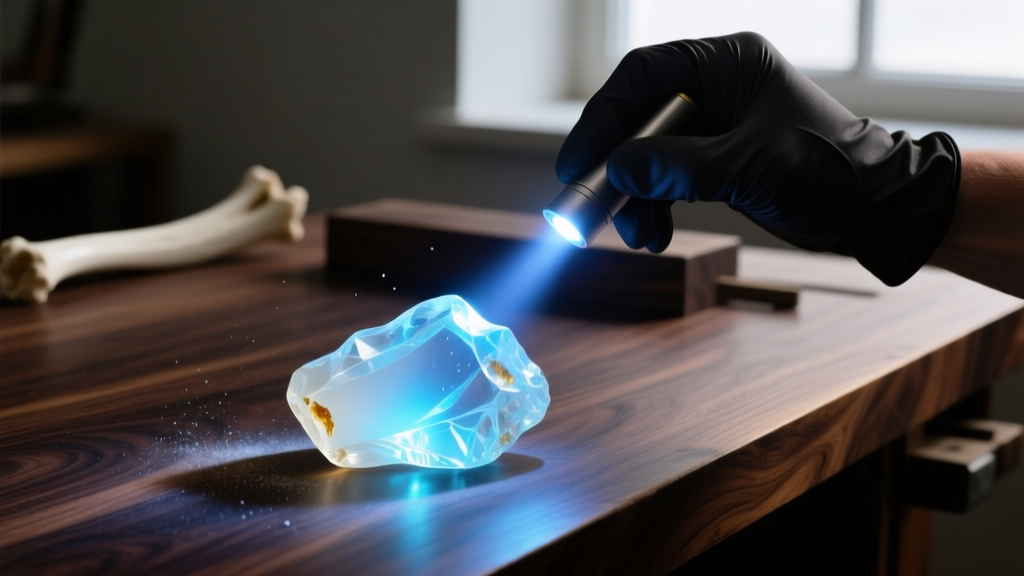
The Counterfeit Crisis: How to Authenticate Your Amber
The surging popularity of organic gemstones has led to a flooded market of imitations. To confidently buy Baltic amber jewelry, you must understand the difference between natural succinite, pressed amber, copal, and synthetic plastics.
1. The Copal Trap
Copal is a young, sub-fossilized tree resin (often from Colombia or Madagascar) that is only hundreds or thousands of years old, not millions. While it looks identical to the naked eye, copal has not fully polymerized. If you apply a single drop of acetone or rubbing alcohol to copal, the surface will become tacky and dissolve slightly. True Baltic amber is fully cured and will remain completely unaffected by brief solvent exposure.
2. Identifying Pressed Amber (Ambroid)
Pressed amber is created by fusing amber dust and small chips under high heat and pressure. While it is technically 'real' amber, it lacks the structural integrity and value of whole stones. Under long-wave UV light (365nm), natural Baltic amber fluoresces a smooth, pale blue or green. Pressed amber, however, will display a patchy, fragmented fluorescence with dark, cloudy borders where the individual dust particles were fused together.
3. The Specific Gravity (Saltwater) Test
Baltic amber has a specific gravity of 1.05 to 1.10, making it one of the lightest gemstones on earth. You can perform a highly reliable non-destructive test at home:
- Mix 1 part table salt to 4 parts warm water until fully dissolved.
- Drop the loose amber bead or pendant into the solution.
- Result: Authentic Baltic amber will float to the surface. Glass, most plastics, and copal will sink to the bottom.
Evaluating Craftsmanship and Jewelry Settings
Amber is remarkably soft, registering only a 2.0 to 2.5 on the Mohs hardness scale. For context, a human fingernail is roughly 2.5, and a copper penny is 3.5. This extreme softness dictates how high-quality Baltic amber jewelry must be constructed.
Avoid Prong Settings: Ring and pendant settings that rely on metal prongs gripping the stone are a major red flag. Over time, minor impacts or the natural tightening of prongs can chip, crack, or fracture the amber.
Opt for Bezel or Wire Wrapping: A smooth, flush bezel setting or a carefully executed wire-wrapped cage provides structural support without applying localized pressure points to the fragile resin. Furthermore, if you are purchasing an amber bead necklace, inspect the stringing. High-end pieces are individually hand-knotted between every single bead. This prevents the beads from grinding against one another (which causes micro-scratches) and ensures that if the silk thread snaps, you lose only one bead rather than the entire strand.
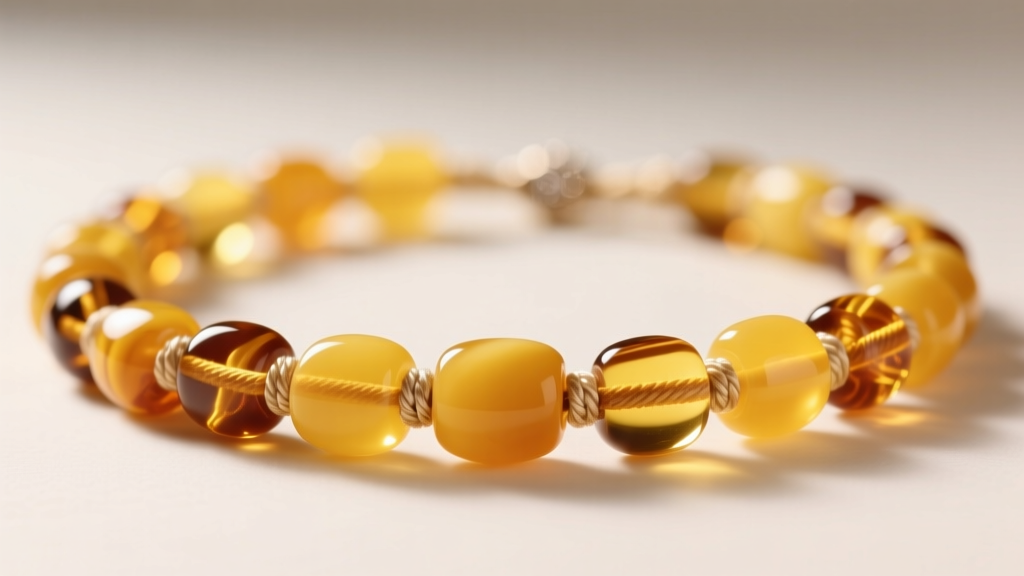
Safety First: The Truth About Amber Teething Necklaces
No buying guide for Baltic amber jewelry is complete without addressing the controversial amber teething necklace market. Proponents claim that succinic acid is absorbed through the skin to reduce infant inflammation. However, from a purely gemological and safety standpoint, extreme caution is required.
Major pediatric organizations, including the American Academy of Pediatrics (AAP), strongly advise against using any necklaces for infants due to severe strangulation and choking hazards.
If you choose to purchase an amber teething necklace, it must feature a certified breakaway safety clasp that pops open under minimal tension, and the beads must be individually knotted to prevent a cascade of loose choking hazards if the cord breaks. Never allow an infant to chew directly on the amber beads, as the soft resin can fracture into sharp, swallowable shards.
Archival Care and Long-Term Preservation
Preserving the optical clarity and structural integrity of your Baltic amber jewelry requires a departure from standard gemstone care routines. The Gemological Institute of America (GIA) warns that amber is highly sensitive to environmental stressors.
- Never use Ultrasonic or Steam Cleaners: The high-frequency vibrations and sudden thermal shock will shatter the fossilized resin instantly.
- Avoid Chemical Exposure: Hairspray, perfumes, and alcohol-based cosmetics will cause 'crazing'—a network of microscopic surface cracks that permanently clouds the amber's transparency. Always put your amber jewelry on after applying cosmetics.
- Proper Cleaning: Use only lukewarm water, a drop of mild pH-neutral soap, and a microfiber cloth. Dry immediately.
- Storage: Store amber pieces in a soft pouch, entirely separated from diamonds, sapphires, or metal chains that will easily scratch its delicate surface.
By understanding the geological rarity, precise grading metrics, and strict handling requirements of succinite, you can confidently invest in authentic Baltic amber jewelry that will remain a stunning, wearable artifact for generations to come.


