Best Leather Type Thickness Conch Shell Jewelry Making & Gem Care
Discover the best leather type thickness conch shell jewelry making techniques and learn how to clean hybrid gemstone, shell, and leather pieces.

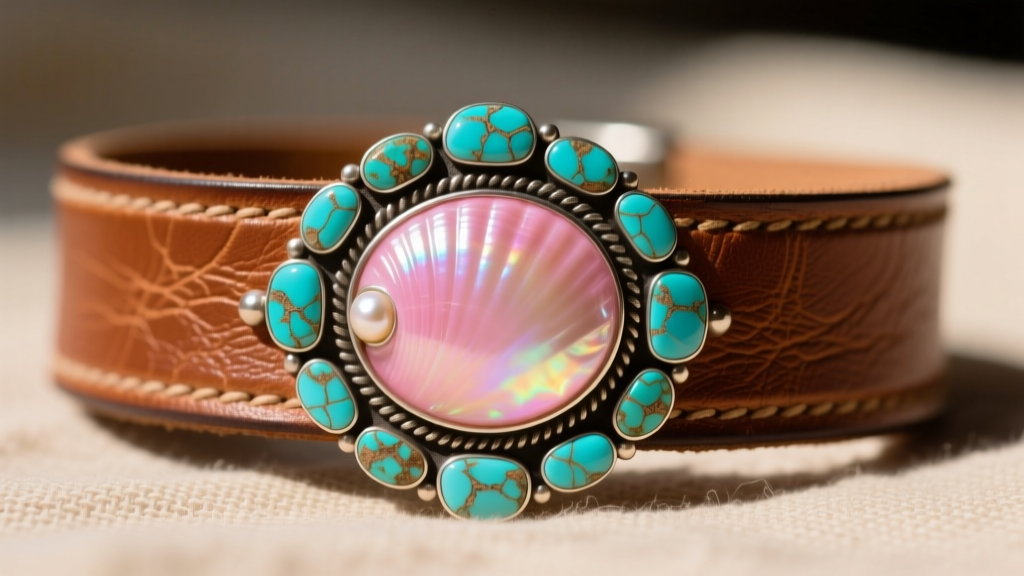
The Challenge of Hybrid Materials: Leather, Conch, and Crystals
As hybrid organic jewelry continues to dominate artisan markets in 2026, the combination of leather, conch shell, and gemstones has become a hallmark of high-end bohemian and coastal-chic design. However, combining these three distinct materials creates a unique maintenance challenge. You are merging a porous protein matrix (leather), a fragile calcium carbonate structure (conch shell), and varying mineral hardness levels (gemstones). A cleaning method that perfectly restores a turquoise cabochon might permanently etch a conch shell or stain a leather strap. Understanding the material science behind each component is the first step in preserving these intricate pieces.
Selecting the Best Leather Type & Thickness for Conch Shell Jewelry Making
When researching the best leather type thickness conch shell jewelry making techniques, artisans quickly realize that not all hides are compatible with delicate organic shells. Chrome-tanned leather, while soft and water-resistant, utilizes harsh chromium salts and acidic dyes that can off-gas and degrade the pearlescent finish of a conch shell over time. Therefore, vegetable-tanned leather (veg-tan) is the undisputed standard for this hybrid craft. Veg-tan relies on natural tannins from tree bark, offering a neutral pH baseline that is safe for prolonged contact with calcium carbonate.
Thickness, measured in ounces (oz) or millimeters (mm), dictates the structural integrity of the piece without overwhelming the fragile shell. Below is the definitive weight chart for hybrid jewelry applications:
| Leather Weight | Thickness (mm) | Best Application in Shell Jewelry | Care Consideration |
|---|---|---|---|
| 1 - 2 oz | 0.4 - 0.8 mm | Micro-braiding, delicate wrapping, and fringing. | Highly susceptible to stretching; requires gentle dry dusting. |
| 3 - 4 oz | 1.2 - 1.6 mm | Structural bezels, cuff bases, and secure cabochon backing. | Ideal balance of flexibility and strength; accepts beeswax conditioners well. |
| 5 - 6 oz | 2.0 - 2.4 mm | Heavy-duty belt bases or thick choker cores. | Too stiff for wrapping; requires specialized saddle soap for deep cleaning. |
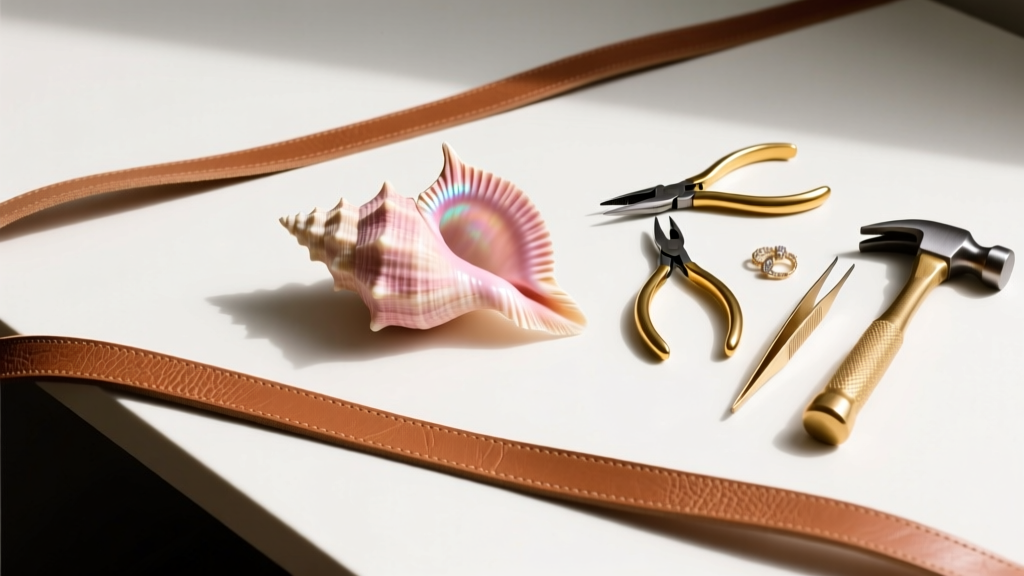
Gemstone Integration: Choosing Crystals That Will Not Scratch Conch
Conch shell (Strombus gigas) ranks at a mere 3 to 3.5 on the Mohs hardness scale. This makes it exceptionally vulnerable to micro-abrasions. When designing and maintaining hybrid pieces, you must consider the Mohs scale of the accompanying gemstones. According to the Gemological Institute of America (GIA), stones like faceted sapphire (Mohs 9) or quartz (Mohs 7) will act like sandpaper against the conch shell if they rub together during wear or storage.
For optimal care and longevity, pair conch shell with softer, cabochon-cut gemstones such as turquoise (Mohs 5-6), malachite (Mohs 3.5-4), or moonstone (Mohs 6-6.5). Cabochon cuts lack the sharp, faceted edges that cause localized pressure points and scratches on the shell's surface. Furthermore, avoid using copper or raw brass findings directly against the shell, as the oxidation (patina) from these metals can stain the porous edges of the conch.
The Tri-Material Cleaning Protocol: Care & Maintenance
Cleaning a piece that features leather, conch shell, and gemstones requires a segmented approach. Never submerge hybrid jewelry in water, and never use ultrasonic cleaners. The high-frequency vibrations of an ultrasonic bath will exploit micro-fissures in the conch shell, causing it to shatter, while simultaneously stripping the natural oils from the leather.
Step 1: Dry Dusting and Soft Brushing
The safest way to remove daily accumulation of dead skin cells, dust, and environmental grit is through dry mechanical action. Use a clean, soft horsehair brush (the type used for polishing dress shoes or makeup application). Gently brush the leather crevices, the gemstone settings, and the carved details of the conch shell. This prevents abrasive dirt from being ground into the shell's polish during subsequent wet cleaning steps.
Step 2: Targeted Gemstone and Shell Spot Cleaning
Conch shell is calcium carbonate, meaning it is highly reactive to acids. Even mild acids like white vinegar, lemon juice, or the natural acidity of human sweat (pH 4-6) will chemically etch the shell, leaving it dull and chalky. To clean the shell and non-porous gemstones:
- Dampen a microfiber cloth with distilled water (tap water contains chlorine and minerals that can leave spots).
- If necessary, add a single drop of pH-neutral castile soap to the cloth, never directly to the jewelry.
- Gently wipe the gemstone and the conch shell, strictly avoiding the leather.
- Immediately dry the shell with a separate, lint-free cotton cloth to prevent water spotting.
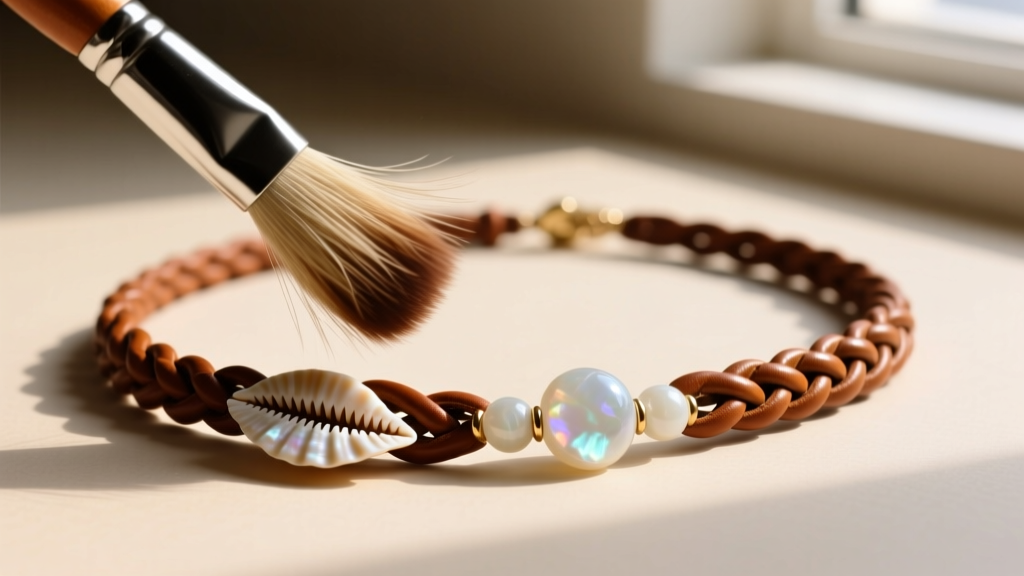
Step 3: Leather Conditioning Without Shell Damage
Leather requires periodic conditioning to prevent cracking, but standard leather oils (like neatsfoot or mink oil) can oxidize, turn rancid, and stain the adjacent conch shell. Furthermore, if these oils seep into porous gemstones like turquoise, they will permanently darken the stone. According to experts at the Leather Craft Library, the best conditioner for hybrid jewelry is a pure, unbleached beeswax or a specialized micro-crystalline wax.
Apply a minuscule amount of beeswax-based balm to a cotton swab. Carefully trace the leather strands or cuff, ensuring the wax does not touch the conch shell. Wax buildup on the shell will dull its natural iridescence and trap dirt. Once the leather is conditioned, use a clean horsehair brush to buff the hide to a gentle sheen, removing any excess product that might migrate to the shell later.
Sealing and Environmental Protection
To protect the conch shell from the natural acids in the wearer's skin, many master artisans apply a microscopic layer of Renaissance Wax (a museum-grade micro-crystalline wax). This creates an invisible, acid-resistant barrier over the calcium carbonate without altering the shell's optical properties. This sealing process should be repeated every six months for pieces worn daily.
When storing hybrid jewelry, environmental control is just as critical as cleaning. Leather absorbs ambient humidity, which can lead to mold growth, while extreme dryness causes it to crack. Store your pieces in a breathable cotton pouch (never sealed plastic, which traps moisture and promotes leather rot) alongside a small silica gel packet to regulate humidity. Always store hybrid pieces flat; hanging heavy leather and shell necklaces can cause the leather to stretch permanently and the silk or wire wrapping around the conch shell to warp.
Conclusion
Mastering the care of hybrid organic jewelry requires respecting the chemical and physical boundaries of each material. By selecting the correct vegetable-tanned leather weight, pairing the shell with appropriately scaled gemstones, and utilizing a strict, dry-first cleaning protocol, you can ensure that your conch shell and crystal creations remain vibrant, structurally sound, and visually stunning for decades.


