Black Dress with Turquoise Jewelry: A Material & Style Guide
Discover how to pair a black dress with turquoise jewelry. Compare gemstone properties, matrix types, and treatments for elegant evening styling.

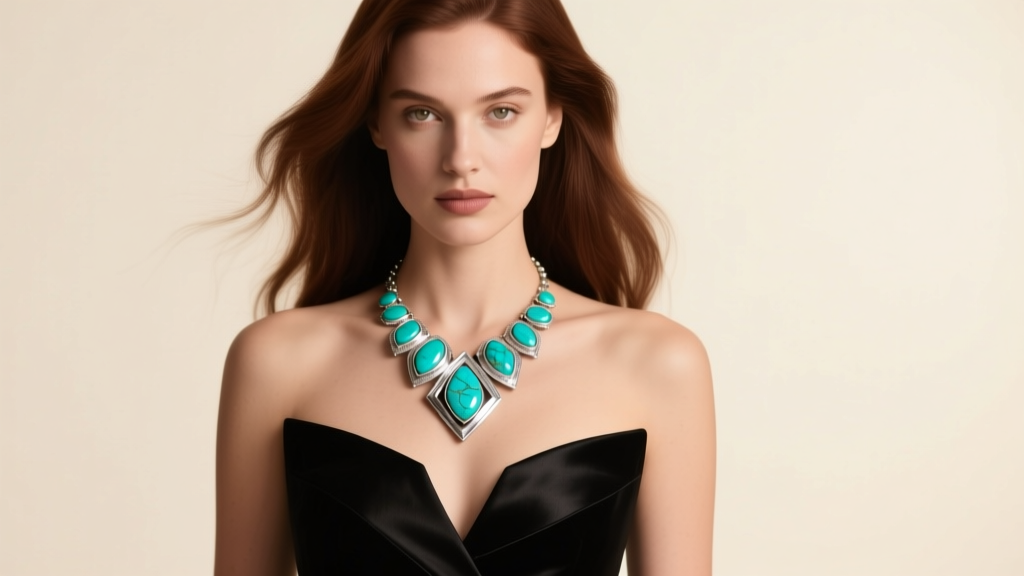
The Gemological Contrast: Why Turquoise Pops Against Black
Pairing a black dress with turquoise jewelry is a timeless sartorial choice, but the reason this combination works so brilliantly goes far beyond simple color theory. From a gemological perspective, the optical properties of turquoise make it uniquely suited to contrast with light-absorbing black fabrics like silk crepe, matte wool, or velvet. Turquoise is an opaque to semi-translucent hydrous phosphate of copper and aluminum, possessing a waxy to sub-vitreous luster. Unlike faceted gemstones such as diamonds or sapphires that rely on light return and brilliance, turquoise absorbs and scatters light across its surface.
When you wear a black dress, the fabric absorbs ambient light, creating a visual void. The copper-driven blue and iron-driven green wavelengths of turquoise reflect softly against this dark canvas, creating a striking, high-contrast focal point without the harsh glare associated with crystalline gems. According to the Gemological Institute of America (GIA), the opacity of turquoise means its visual impact relies entirely on its body color and surface polish, making it the ultimate statement stone for evening wear where dramatic contrast is desired.
Natural vs. Stabilized: Choosing the Right Material for Formal Events
When selecting turquoise to accompany formal attire, understanding the material's structural integrity is paramount. Natural turquoise is relatively soft, ranking between 5 and 6 on the Mohs hardness scale, and is inherently porous. In the high-stakes environment of an evening gala—where the stone may be exposed to perspiration, perfume, and temperature fluctuations—wearing untreated, high-porosity turquoise can lead to permanent discoloration as the stone absorbs oils and chemicals.
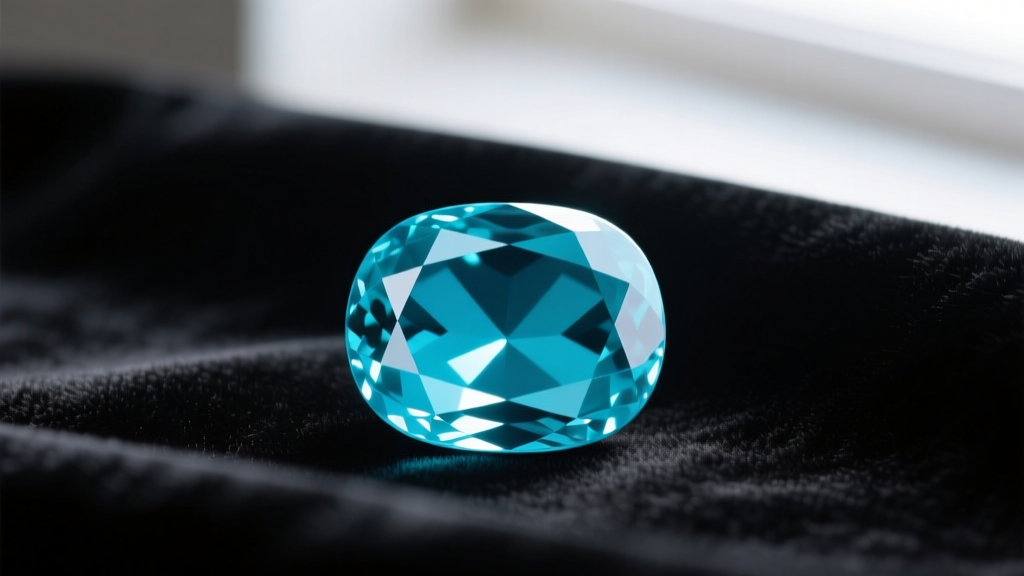
The Stabilization Process
To combat this, over 90% of the turquoise on the modern market undergoes stabilization. This is not inherently a negative; it is a practical necessity for jewelry making. Stabilization involves subjecting the porous rough stone to pressure, forcing a clear epoxy resin or liquid plastic into its microscopic pores. This process permanently hardens the stone, increases its Mohs rating closer to 6.5, and locks in the color, making it safe to wear against the skin and resilient against accidental cosmetic exposure.
The Zachery Treatment
For the gemstone purist who desires a natural feel without plastics, the Zachery treatment is the gold standard. Developed by electrical engineer James Zachery, this proprietary method treats turquoise with a potassium silicate solution rather than epoxy. It enhances the stone's hardness and reduces porosity without introducing plastics, meaning the stone retains a more natural thermal conductivity and luster. When shopping for high-end turquoise to pair with a designer black dress, asking the jeweler about Zachery-treated versus epoxy-stabilized stones will immediately signal your material expertise.
Comparing Turquoise Varieties for Evening Wear
Not all turquoise is created equal. The mineral inclusions, known as the matrix, and the specific chemical balance of the mine's soil dictate the stone's color and value. Below is a comparative breakdown of the most prominent turquoise varieties to consider for formal jewelry pieces.
| Variety / Mine | Color Profile | Matrix Characteristics | Typical Treatment | Approx. Price per Carat |
|---|---|---|---|---|
| Sleeping Beauty (AZ, USA) | Uniform sky blue | None or very minimal | Heavily stabilized | $2 - $15 (Natural: $50+) |
| Kingman (AZ, USA) | Deep blue to blue-green | Pyrite (iron sulfide) or quartz | Stabilized / Natural | $5 - $30 |
| Nishapur (Persian, Iran) | Robin's egg blue | Brown limonite spiderweb | Often completely natural | $20 - $150+ |
| Hubei (China) | Green to teal | Heavy brown/black host rock | Heavily treated / Dyed | $1 - $5 |
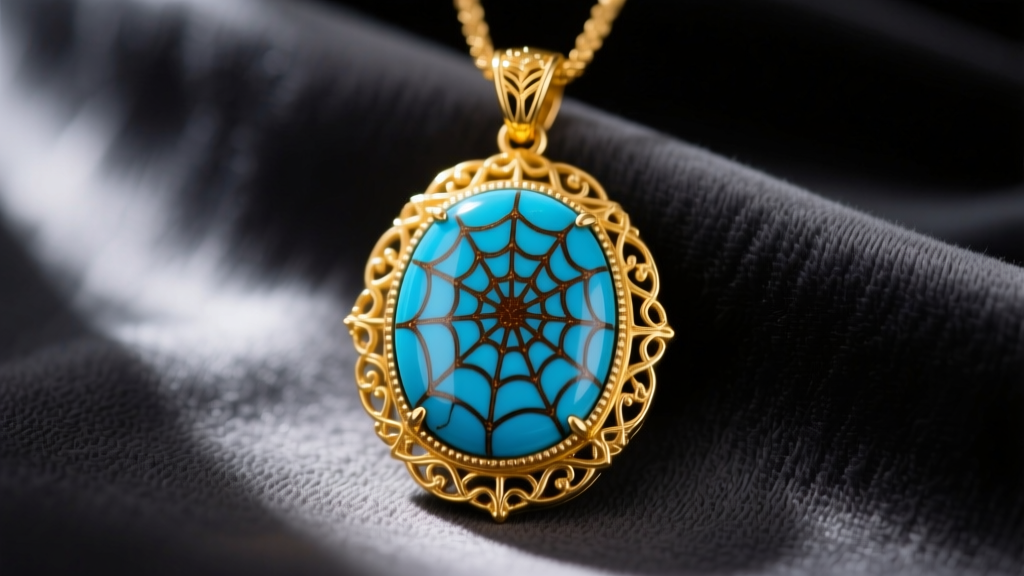
For a sleek, modern black dress, the matrix-free sky blue of Sleeping Beauty offers a clean, minimalist pop of color. Conversely, if your black dress features intricate lace or vintage detailing, the complex brown and gold spiderweb matrix of natural Persian Nishapur turquoise provides a rich, textural complement that echoes the complexity of the garment.
Metal Pairings: How Silver, Gold, and Platinum Alter Turquoise
The metal setting acts as a reflective frame that fundamentally alters the perceived color temperature of the turquoise. Because turquoise is opaque, the light that enters the stone from the sides and bounces off the metal bezel influences its overall hue.
- Sterling Silver: The traditional pairing. Silver's cool, white reflectivity amplifies the blue and green tones of the stone. Against a black dress, high-polish silver and turquoise create a sharp, graphic, and slightly Southwestern or Art Deco aesthetic.
- 18k Yellow Gold: Gold introduces warm wavelengths that pull out the golden-brown hues in the stone's matrix and shift blue turquoise toward a rich teal. This pairing feels distinctly luxurious and is ideal for Persian turquoise with a brown spiderweb matrix.
- Platinum / White Gold: Offers a more subdued, modern contrast. The darker, less reflective nature of platinum allows the stone's natural color to dominate without the bright flash of silver, making it perfect for understated, high-society evening events.
Care and Maintenance: Protecting Porous Gems at Evening Galas
Even stabilized turquoise requires specific care protocols to maintain its structural integrity and polish. The most common failure mode for turquoise worn at formal events is chemical degradation from cosmetics and environmental exposure.
"Always apply your perfume, hairspray, and lotions at least 20 minutes before putting on your turquoise jewelry. The alcohol and volatile organic compounds in these products can break down epoxy stabilizers over time and dull the stone's polish." — Gemological Care Guidelines
Furthermore, never use ultrasonic cleaners or steam cleaners on turquoise. The high-frequency vibrations can fracture stones that have internal tension lines, and the heat can melt or cloud the stabilizing resins. To clean your jewelry after an evening out, simply wipe it gently with a soft, slightly damp microfiber cloth and dry it immediately. Store it in a soft pouch away from harder gemstones like diamonds or sapphires, which can easily scratch the turquoise's 5.5 Mohs surface.
Sourcing and Authenticity: Avoiding Imitations
As the demand for high-quality turquoise has surged, so has the market for sophisticated imitations. The most common substitutes are dyed howlite and magnesite. These porous white minerals are easily dyed to mimic turquoise, but they lack the specific gravity and refractive properties of the real gem.
According to the Mindat Mineral Database, natural turquoise has a specific gravity of 2.6 to 2.9, while howlite is significantly lighter at 2.5. While you cannot test specific gravity easily at a jewelry counter, you can look for visual clues. Dyed howlite often features a greyish, web-like matrix that looks painted on, and the dye tends to pool in the cracks, creating unnaturally dark, jagged lines. Additionally, under long-wave UV light, the epoxy resins used in heavy stabilization or imitation backing will often fluoresce a pale yellow or green, whereas natural turquoise is typically inert. When investing in a premium turquoise statement necklace to anchor your black dress wardrobe, always request a certificate of authenticity from a reputable gemological laboratory to ensure you are purchasing genuine copper-aluminum phosphate.
Final Styling Thoughts
Ultimately, styling a black dress with turquoise jewelry is an exercise in balancing optical contrast with material science. By understanding the gemological properties of the stone—from the presence of pyrite matrix to the type of stabilization used—you can select a piece that not only elevates your evening attire but also stands the test of time as a durable, authentic work of natural art.


