Youniverse Crystal Growing Jewelry Instructions & Style Guide
Master the Youniverse crystal growing jewelry instructions with our 2026 style guide. Learn sealing, setting, and styling for DIY alum gemstones.

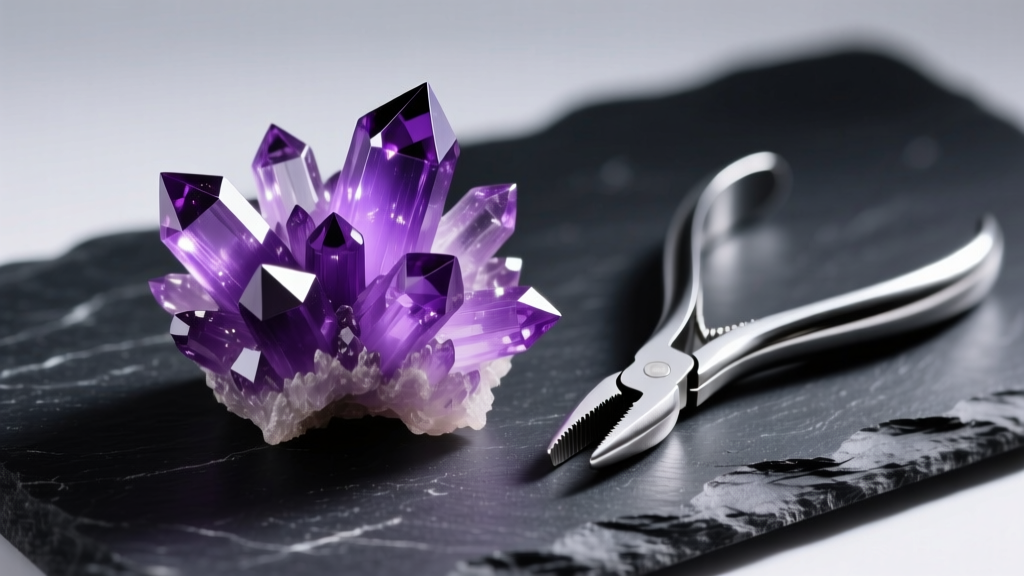
The intersection of science and fashion has never been more vibrant than it is in 2026. As the 'slow fashion' and 'personalized alchemy' movements continue to dominate the accessories market, DIY crystal kits have evolved from children's toys into legitimate tools for bespoke jewelry design. Among the most popular of these is the Youniverse crystal growing system. However, transforming a fragile, lab-grown geode into a wearable, sweat-resistant piece of jewelry requires a deep understanding of both chemistry and lapidary techniques. This comprehensive guide breaks down the exact Youniverse crystal growing jewelry instructions, bridging the gap between scientific experimentation and high-end jewelry styling.
The 2026 Revival of DIY Crystal Jewelry
Over the past few years, the jewelry industry has seen a massive pivot toward hyper-personalization and sustainable, lab-created alternatives. While lab-grown diamonds and synthetic sapphires dominate the fine jewelry space, the indie jewelry sector has embraced the raw, unpolished aesthetic of home-grown crystals. Youniverse kits primarily utilize potassium aluminum sulfate—commonly known as alum—to grow stunning, geometric crystal clusters. According to Mindat.org's mineral database, alum forms in the isometric crystal system, yielding beautiful octahedrons that mimic the look of natural fluorite or uncut diamonds. The appeal lies in the narrative: you are quite literally cultivating your own gemstone from a saturated solution, making every pendant and ring entirely one-of-a-kind.
Core Youniverse Crystal Growing Jewelry Instructions
To create jewelry-worthy stones, you must move beyond the basic instructions on the box and apply strict chemical controls. The goal is to grow a single, large, flawless seed crystal rather than a cluster of tiny, cloudy formations.
Step 1: Achieving Perfect Supersaturation
The foundation of crystal growth is a supersaturated solution. You must dissolve the alum powder in water heated to exactly 95°C (203°F). A standard ratio for jewelry-grade clarity is 3 tablespoons of alum per 1 cup of distilled water. Tap water contains impurities and chlorine that will cause internal fracturing and cloudiness. Stir continuously until the liquid is completely clear, then allow it to cool undisturbed for 24 hours.
Step 2: Selecting and Suspending the Seed Crystal
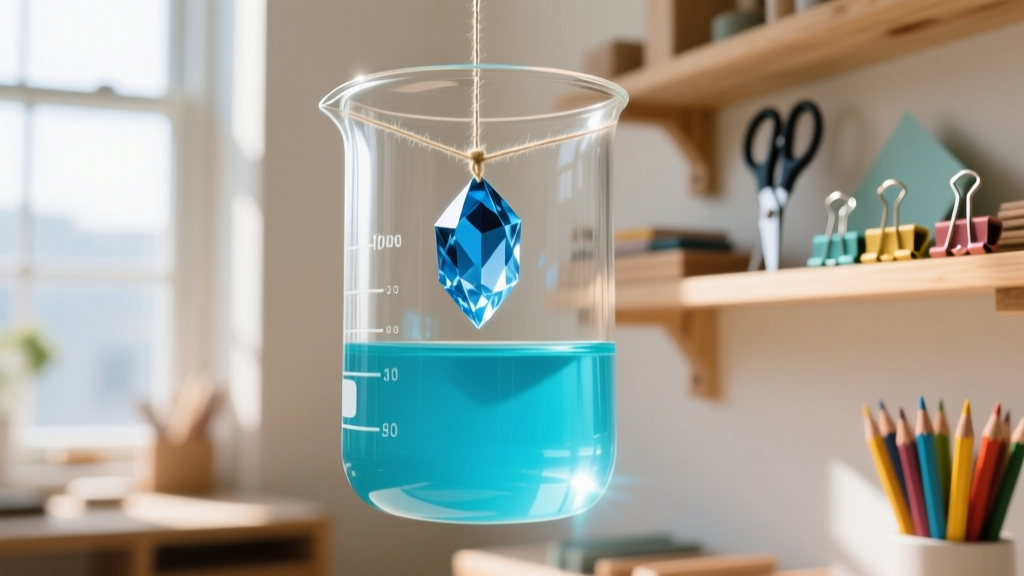
After 24 hours, small crystals will form at the bottom of your jar. Select the most geometrically perfect, smallest crystal to act as your 'seed.' Tie this seed to a nylon fishing line (never use cotton thread, as it will wick the solution and cause unwanted crystallization along the string). Suspend the seed into a freshly prepared, slightly cooled supersaturated solution, ensuring it hangs exactly in the center of the jar without touching the sides.
Step 3: The Cooling Curve
Temperature fluctuations are the enemy of clarity. To grow a gemstone suitable for jewelry, the solution must cool at a glacial pace. Wrap the jar in a towel and place it in a room with a stable ambient temperature of 21°C (70°F). Over the next 7 to 14 days, the alum will slowly deposit onto your seed crystal, creating a large, flawless geometric stone.
The Fragility Problem: Sealing Grown Crystals
Here is where most DIY jewelers fail. Alum is highly water-soluble. If you wear an unsealed Youniverse crystal against your skin, your natural sweat and body humidity will dissolve the stone within hours, leaving a powdery, sticky residue on your neck or finger. To make these crystals wearable, they must be hermetically sealed.
According to Rio Grande's jewelry adhesive guidelines, choosing the right sealant is critical for maintaining the optical clarity of the crystal while providing a moisture barrier. Below is a comparison of the most effective sealing methods for alum jewelry.
| Sealant Type | Durability & Water Resistance | Application Method | Best Jewelry Use Case |
|---|---|---|---|
| Jewelry-Grade UV Resin | High; cures hard and glass-like | Brush on thin layers, cure under 36W UV lamp for 3 mins per coat | Pendants and earrings where impact is low |
| Two-Part Clear Epoxy | Very High; flexible and highly water-resistant | Mix 1:1 ratio, apply with a silicone brush, let cure 24 hours | Rings and bracelets subject to daily wear |
| Acrylic Conformal Coating | Low to Medium; can degrade with skin oils | Spray or dip, requires 48 hours to fully off-gas and dry | Temporary display pieces or brooches |
Pro Tip: Before applying any resin, gently wipe the grown crystal with a dry, lint-free microfiber cloth. Do not use alcohol or water to clean it, as even a damp cloth will etch the surface of the alum.
Wire Wrapping vs. Resin Encasement: Setting Techniques
Once your Youniverse crystal is sealed, it must be set into a jewelry finding. Because alum is significantly softer and more brittle than quartz or beryl (ranking around 2 to 2.5 on the Mohs hardness scale), traditional prong settings and bezel pushing will crush the stone. You are left with two primary setting techniques:
1. Tension-Free Wire Wrapping
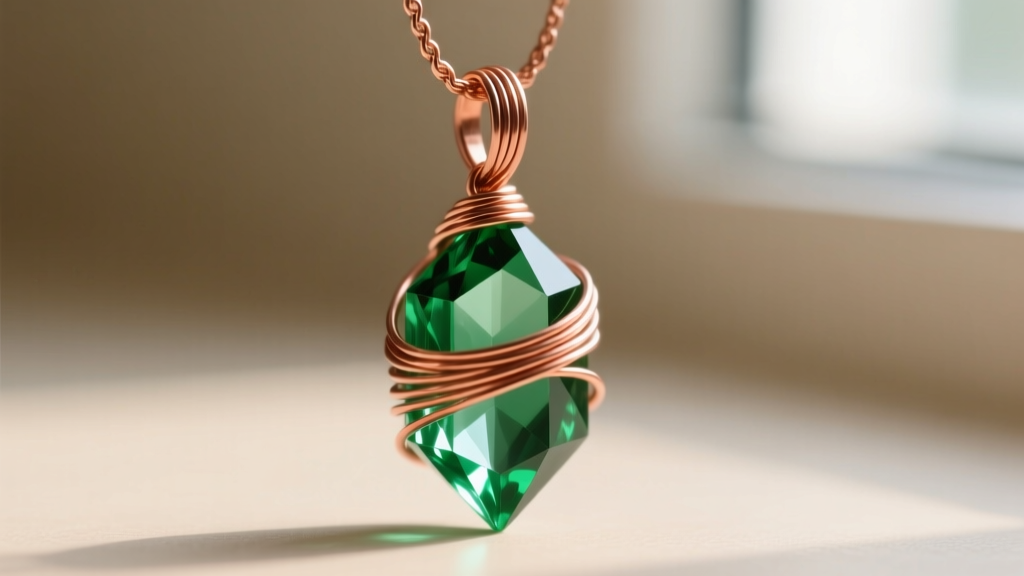
Wire wrapping is the most popular method for setting DIY crystals. Use 24-gauge or 26-gauge dead-soft copper, brass, or sterling silver wire. 'Dead-soft' is crucial because it requires minimal force to bend, reducing the risk of applying pressure to the crystal. Create a traditional 'cage' or 'net' setting, weaving the wire around the natural grooves of the octahedron. Always leave a 1-millimeter gap between the wire and the crystal to account for thermal expansion, ensuring the metal never squeezes the stone.
2. Deep-Pour Resin Encasement
For a highly modern, 2026 aesthetic, many designers are fully encasing their grown crystals in deep-pour epoxy resin. By placing the sealed alum crystal inside a silicone pendant mold and pouring crystal-clear jewelry resin over it, you create a protective, glass-like outer shell. This not only solves the fragility issue entirely but also magnifies the internal geometry of the crystal, acting as a wearable lens. When using this method, ensure your alum crystal is fully sealed with a quick coat of UV resin first, otherwise the liquid epoxy can penetrate microscopic fissures and cloud the stone from the inside out.
Styling Your Custom-Grown Pieces
The aesthetic appeal of Youniverse crystals lies in their vibrant, lab-controlled colors and raw geometric shapes. When styling these pieces, lean into the 'Geode Core' and 'Scientific Romanticism' trends that are currently shaping indie fashion.
- Color Blocking with Dyes: Youniverse kits come with concentrated liquid dyes. For a high-fashion look, mix complementary dyes (like a drop of blue and a drop of yellow) to create striking, deep emerald greens that mimic natural peridot or tsavorite garnet. Avoid using too much dye, as oversaturation will make the crystal look opaque and plastic-like.
- Mixed Metal Pairings: The sharp, mathematical angles of alum octahedrons contrast beautifully with organic, hammered metalwork. Pair a vibrant magenta crystal with oxidized, hammered sterling silver for a gothic, earthy vibe, or use high-polish 14k gold-filled wire for a luxurious, high-contrast finish.
- The Raw Earth Aesthetic: Leave the bottom half of the crystal cluster unpolished and un-wrapped, allowing the 'root' of the growth to remain visible. This highlights the handmade, alchemical origin of the piece, a major selling point for consumers seeking authenticity and narrative in their accessories.
Final Thoughts on DIY Gemology
Mastering the Youniverse crystal growing jewelry instructions is an exercise in patience, chemistry, and artistic vision. By respecting the water-soluble nature of alum and employing professional-grade sealants and tension-free setting techniques, you can elevate a simple science experiment into a stunning, wearable work of art. As the 2026 jewelry market continues to reward uniqueness and personal storytelling, these home-grown gemstones offer an unparalleled opportunity to wear a piece of science that you brought to life with your own hands.


