How to Clean and Care for Bernard Passman Black Coral Jewelry
Learn expert care, cleaning, and storage tips for Bernard Passman black coral jewelry to protect its organic gemstone and precious metal settings.

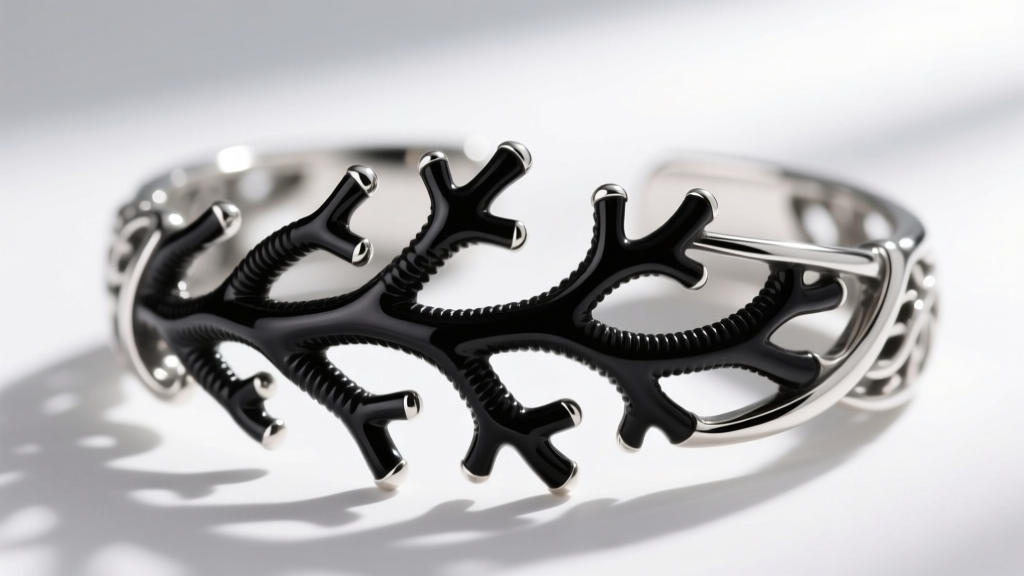
The Legacy and Gemology of Bernard Passman Black Coral
Since 1965, Bernard Passman has been synonymous with luxury Caribbean jewelry, famously operating out of Grand Cayman and pioneering the use of black coral (Antipatharia) in high-end designs. Unlike mineral gemstones such as diamonds or sapphires, black coral is an organic gem, much like pearl, amber, or tortoiseshell. It is the skeletal structure of deep-water marine colonies, composed primarily of calcium carbonate and a protein called chitin. This unique biological makeup gives the coral its stunning, jet-black luster but also makes it highly susceptible to environmental damage, chemical erosion, and dehydration.
With the implementation of strict CITES Appendix II regulations to protect coral species from overharvesting, authentic Bernard Passman black coral jewelry has become increasingly rare and valuable. Preserving the structural integrity and polished finish of these heirloom pieces requires a specialized approach to maintenance. Standard jewelry cleaning methods that work perfectly for diamonds can permanently ruin the organic matrix of black coral. In this comprehensive guide, we will explore the exact protocols for cleaning, polishing, and storing your Passman pieces to ensure they survive for generations.
Understanding the Vulnerabilities of Organic Coral
Before applying any cleaning solution, it is critical to understand the physical properties of black coral. On the Mohs scale of mineral hardness, black coral ranks between 3.5 and 4.0. This makes it softer than turquoise but slightly harder than a pearl. Because it is relatively soft, it is highly prone to micro-scratches from abrasive materials or dust particles (which often contain quartz, ranking at 7.0 on the Mohs scale).
Furthermore, black coral is inherently porous. The microscopic channels that once transported nutrients through the living organism can easily absorb harsh chemicals, cosmetics, and even the chlorine found in tap water. When these substances penetrate the coral, they can cause irreversible 'chalking'—a process where the surface loses its deep black luster and turns a dull, ash-gray color. According to the Gemological Institute of America (GIA), organic gems require a strictly neutral pH environment and must be protected from sudden thermal shocks, which can cause the chitin structure to fracture or splinter.
Step-by-Step Cleaning Guide for Passman Pieces
Routine maintenance of your Bernard Passman black coral jewelry should be gentle, deliberate, and entirely free of automated cleaning systems. Never use an ultrasonic cleaner; the high-frequency vibrations will shatter the internal organic structure of the coral. Similarly, steam cleaners will cause immediate thermal shock and irreversible dehydration.
1. Preparation and Dusting
Before introducing any moisture, use a clean, dry, ultra-soft microfiber cloth to gently wipe away surface dust. This prevents dragging abrasive silica particles across the coral's polished surface during the wet cleaning phase. For intricate carvings or deep crevices typical of Passman's botanical designs, use a soft-bristled makeup brush or a clean, unused baby toothbrush to flick away debris.
2. The Wet Cleaning Solution
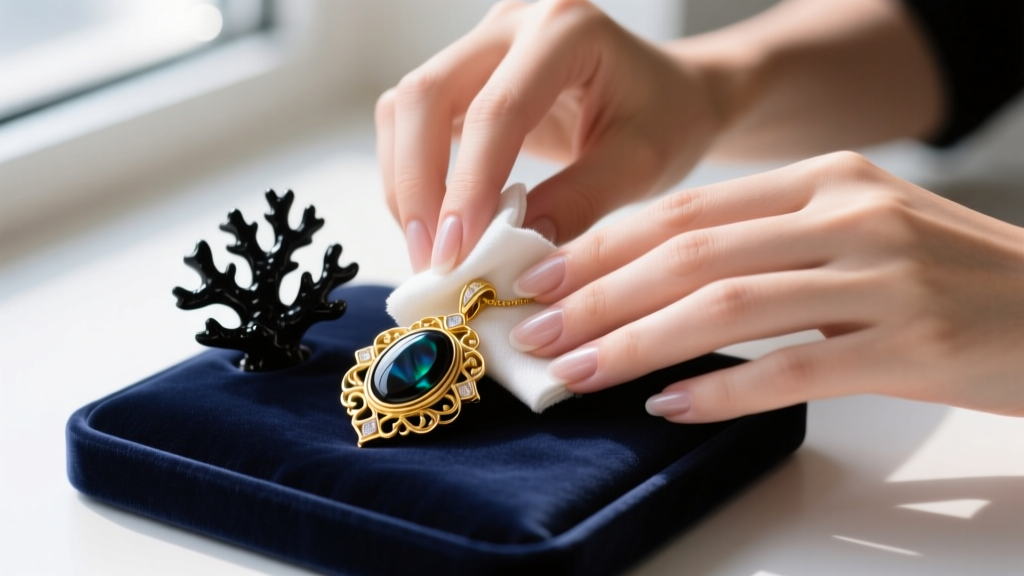
Mix a few drops of pH-neutral, fragrance-free liquid soap (such as baby shampoo or a dedicated organic gem cleaner) into a bowl of distilled water. Never use tap water, as the fluoride, chlorine, and hard minerals can leave a microscopic film that dulls the coral's natural luster. Dip a soft, lint-free cotton cloth into the solution, wring it out until it is only barely damp, and gently wipe the coral. Do not submerge the jewelry, as prolonged water exposure can weaken the adhesive used to set the coral into the metal bezels.
3. Rinsing and Drying
Dampen a second clean cloth with pure distilled water and wipe the piece to remove any soap residue. Immediately pat the jewelry dry with a soft towel, and then allow it to air-dry completely in a cool, shaded area for at least two hours before storing. Trapped moisture in the metal-coral junctions can lead to silver oxidation or gold setting degradation.
Polishing the Sterling Silver and Gold Settings
Bernard Passman frequently pairs black coral with sterling silver and 14-karat gold. While the coral requires a gentle touch, the sterling silver settings are prone to tarnishing due to the formation of silver sulfide when exposed to sulfur compounds in the air. Polishing the metal without damaging the adjacent coral is a delicate balancing act.
- Use a Treated Polishing Cloth: A high-quality jeweler's cloth (like a Sunshine cloth) is ideal for the metal. Fold the cloth carefully to ensure the treated inner layer does not accidentally rub against the black coral.
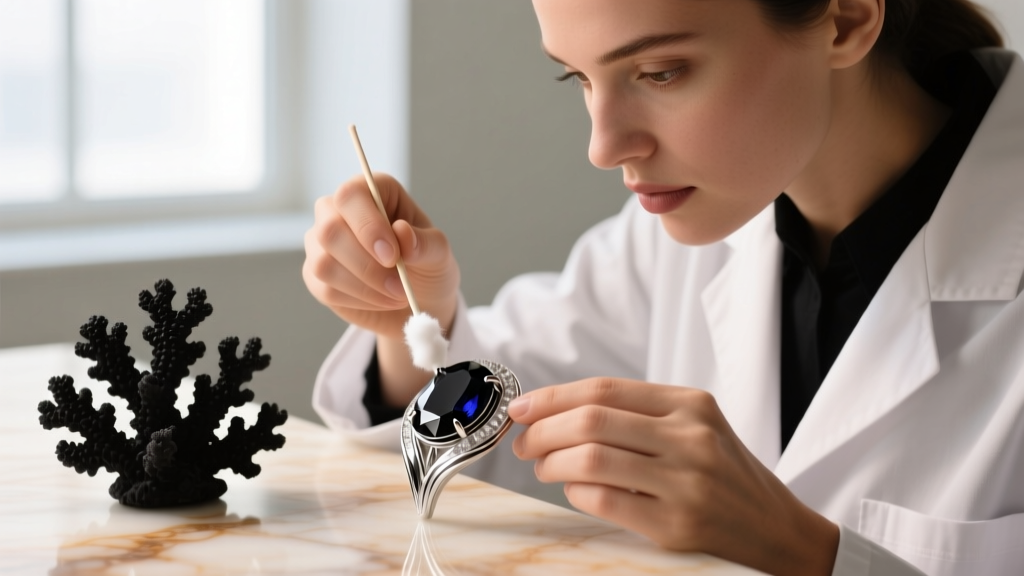
- Masking the Coral: If the silver is heavily tarnished and requires a liquid or paste silver polish, you must protect the coral. Apply a piece of low-tack painter's tape over the coral gemstone, or use a cotton swab to apply the polish exclusively to the metal crevices. Silver dips and ammonia-based cleaners will instantly bleach and destroy black coral.
- Gold Maintenance: 14k gold settings are much more stable and rarely tarnish. A simple wipe with a damp microfiber cloth is usually sufficient to restore the gold's shine without risking chemical cross-contamination.
Environmental Controls and Proper Storage
Because black coral is an organic material that contains trace amounts of water within its protein matrix, it is highly sensitive to its storage environment. Storing your jewelry incorrectly is the fastest way to induce micro-fractures, warping, or surface crazing.
Humidity and Temperature
Black coral thrives in a stable environment with a relative humidity (RH) of around 40% to 50%. Storing your Passman pieces in an airtight plastic bag or a safety deposit box with silica gel packets will draw the moisture out of the chitin, causing the coral to shrink, crack, and pull away from its metal prongs. Conversely, storing it in a humid bathroom exposes the metal to rapid tarnishing and the coral to potential mold growth in its microscopic pores.
Light and Heat Exposure
Prolonged exposure to direct ultraviolet (UV) sunlight or intense heat sources (like radiators or car dashboards) will degrade the organic proteins, leading to a loss of structural integrity and a faded, brownish tint on the surface. Always store your jewelry in a dark, climate-controlled drawer or a lined jewelry box.
Chemical Hazards: What to Avoid at All Costs
To protect your investment, it is vital to understand which common household and beauty products pose a severe threat to organic gemstones. The table below outlines the most common hazards and their specific effects on Bernard Passman jewelry.
| Substance / Hazard | Effect on Black Coral | Effect on Metal Settings |
|---|---|---|
| Ammonia / Windex | Strips natural oils, causes severe chalking and bleaching | Can discolor certain gold alloys |
| Chlorine (Pools/Spas) | Degrades calcium carbonate, leading to pitting | Pits and weakens sterling silver prongs |
| Perfumes & Hairspray | Leaves a sticky, acidic film that dulls the polish | Accelerates silver tarnishing |
| Ultrasonic Cleaners | Shatters internal structure via high-frequency vibration | May loosen gemstone adhesives |
| Silver Dip Solutions | Instantly burns the organic surface, irreversible damage | Strips intentional antiquing/oxidation |
When to Seek Professional Restoration
While routine cleaning can be safely performed at home, certain maintenance tasks should only be entrusted to a master jeweler who has verifiable experience with organic gems and antique or vintage Caribbean jewelry. If your Bernard Passman piece exhibits any of the following issues, seek professional intervention:
- Loose Prongs or Bezel Separation: If the coral wiggles or you see a gap between the stone and the metal, stop wearing the piece immediately. The coral is highly vulnerable to chipping if it strikes a hard surface while loose.
- Deep Surface Scratches: Unlike mineral stones that can be aggressively repolished with diamond grit, black coral must be sanded and polished using specialized, ultra-fine organic abrasives. A jeweler can carefully re-buff the surface to restore its mirror-like finish without removing too much of the precious material.
- Severe Chalking or Discoloration: In some cases, a professional can apply a microscopic layer of specialized mineral oil or natural wax to rehydrate the surface and restore the deep black color, though this must be done with precision to avoid attracting dust to the metal settings.
By adhering to these meticulous care guidelines, your Bernard Passman black coral jewelry will maintain its striking contrast, organic beauty, and immense heritage value for decades to come. Treat it not just as a piece of jewelry, but as a rare artifact of the deep ocean.


