Emerald Jewelry OSRS Replicas: Real-World Budget & Value
Discover the real-world value of emerald jewelry OSRS fans love. Compare game stats to actual gem grades, pricing, and budget tips for 2026 buyers.

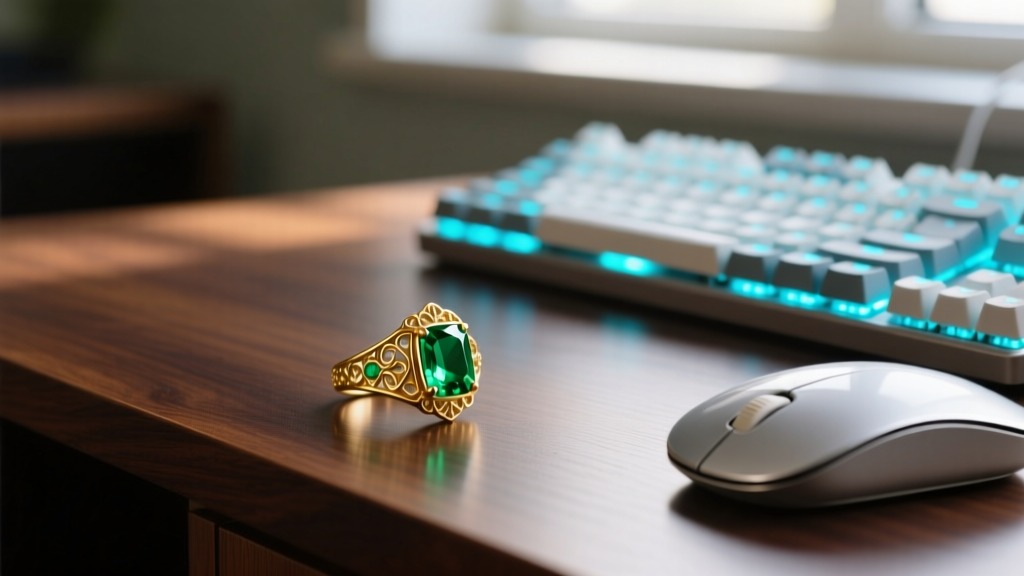
For millions of players who have spent countless hours grinding crafting levels in Old School RuneScape (OSRS), the sight of a freshly cut emerald carries a deep sense of nostalgia. In Gielinor, reaching Crafting level 27 allows you to cut an emerald and fashion it into an iconic emerald ring, necklace, or amulet. But what happens when you want to bring that pixelated green prestige into the real world? Transitioning from the Grand Exchange to a real-life jeweler requires a massive shift in how you assess budget, value, and gemological quality.
In this comprehensive 2026 guide, we bridge the gap between virtual nostalgia and physical luxury. If you are hunting for emerald jewelry OSRS fans covet, you need to understand the real-world mechanics of beryl, clarity treatments, and market pricing to ensure you do not get scammed.
The Gemological Reality: Beyond the Green Pixel
In OSRS, every emerald looks identical. In reality, emerald is the green variety of the mineral beryl, colored by trace amounts of chromium, vanadium, or sometimes iron. The specific combination of these elements dictates not just the hue, but the geographic origin and the ultimate market value of the stone.
Colombian vs. Zambian: Choosing Your Origin
- Colombian Emeralds (Muzo, Chivor, Coscuez): Prized for their warm, pure, and intensely saturated green. The Muzo mine is the equivalent of a "rare drop" in gaming, producing stones with a deep, velvety appearance that commands the highest premium per carat.
- Zambian Emeralds (Kagem Mine): Often exhibiting a cooler, slightly bluish-green undertone due to higher iron content. Zambian stones generally have better natural clarity and are more budget-friendly, making them an excellent entry point for IRL inventory building.
Clarity and the "Jardin": Why Flaws Are Expected
Unlike diamonds, where clarity is heavily penalized, emeralds are classified by the Gemological Institute of America (GIA) as Type III gemstones. This means they are almost always naturally included. These internal fractures and mineral inclusions are poetically referred to as the jardin (French for garden).
Expert Rule of Thumb: If an emerald looks completely flawless to the naked eye and is priced under $5,000 per carat, it is almost certainly synthetic (lab-created) or a glass imitation. Natural, untreated, eye-clean emeralds are exceptionally rare.
Budget Assessment: Building Your IRL Inventory
When budgeting for real-world equivalents of your favorite OSRS items, you must evaluate pricing based on the 4 Cs, with Color and Clarity enhancements acting as the primary multipliers. Below is a 2026 market assessment comparing in-game concepts to real-world budget tiers.
| OSRS Item Concept | Real-World Equivalent | Quality Tier | Est. Price Per Carat (2026) |
|---|---|---|---|
| Standard Emerald Ring | 1.00ct Zambian Emerald, 14k Gold, Moderate Oil | Commercial / Good | $300 - $800 |
| Strung Emerald Amulet | 2.50ct Colombian Pendant, 18k Gold, Minor Oil | Fine | $2,500 - $6,000 |
| Enchanted / High-Tier | 3.00ct+ Muzo Mine, Vivid Saturation, No Oil | Extra Fine / Investment | $12,000 - $25,000+ |
The Hidden Cost of Settings
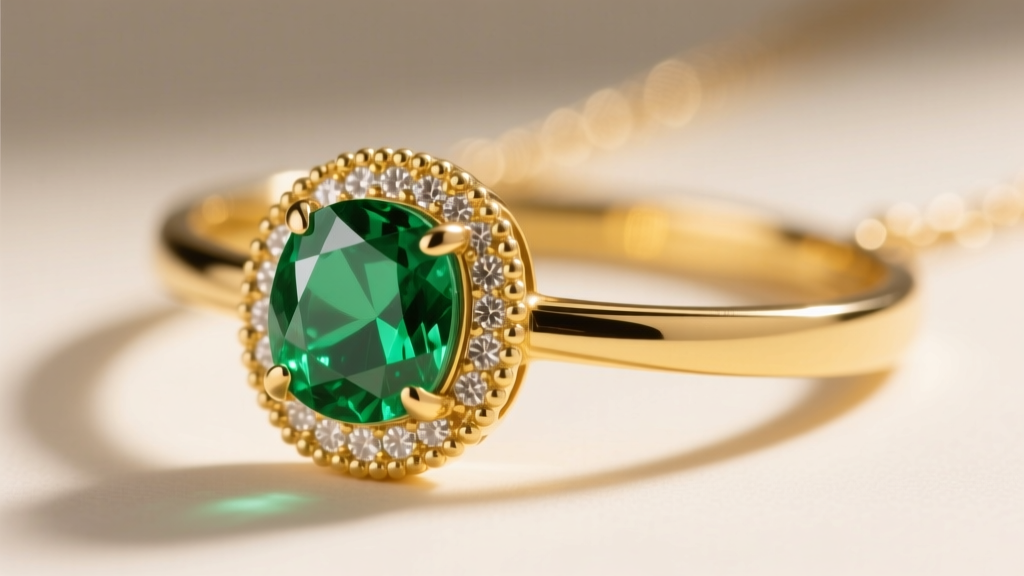
Because emeralds are brittle (rating 7.5-8 on the Mohs scale but highly prone to chipping due to the jardin), the setting is critical. Avoid high-prong tension settings. Instead, opt for bezel settings or halos that protect the vulnerable corners of an emerald-cut stone. Expect to pay a $500 to $1,500 premium for a high-quality, protective 18k gold custom setting.
Treatments: The Oil Multiplier
Over 90% of natural emeralds on the market undergo clarity enhancement. Because the stone's natural fractures reach the surface, gem cutters historically submerged them in cedar oil to mask the fissures and improve transparency. Today, the type of filler drastically impacts the budget and value.
- None (Untreated): The holy grail. Commands a 50-100% premium over oiled stones of similar visual quality.
- Minor (F1): Traditional cedar oil or synthetic equivalents like Opticon. Widely accepted in the fine jewelry trade.
- Moderate to Prominent (F2/F3): Heavy epoxy resins or glass-filling. These stones are structurally compromised and hold very little resale value. Avoid these entirely.
Always demand a lab report from a reputable institution like the Gemological Institute of America (GIA) or AGL for any stone priced above $3,000. The report will explicitly state the origin and the exact level of clarity enhancement.
Sourcing and Avoiding the "Grand Exchange" Scams
The real-world jewelry market is rife with misleading terminology. When shopping for emerald jewelry OSRS players might research online, beware of the following traps:
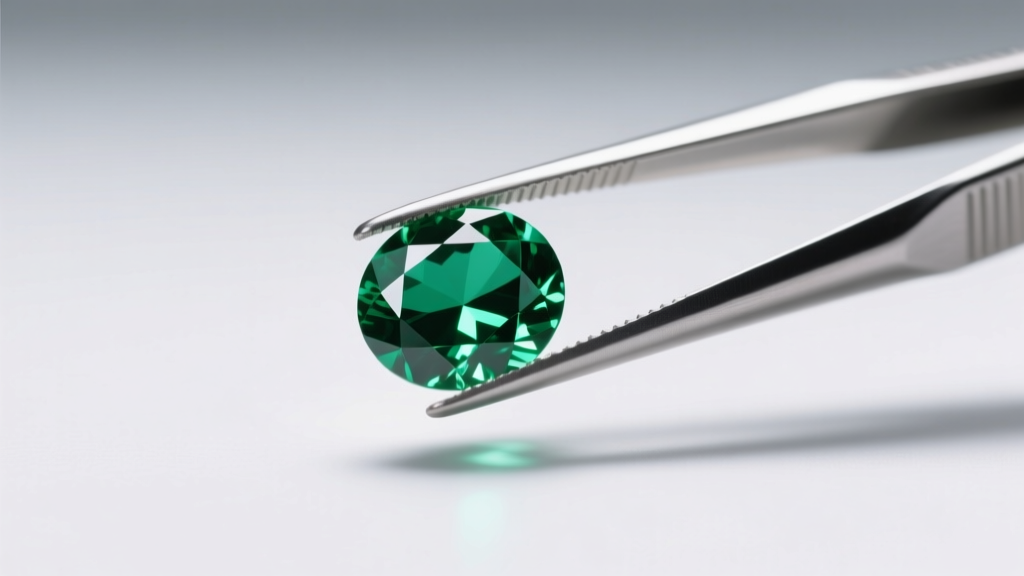
- "Created" or "Hydrothermal" Emeralds: These are chemically identical to natural emeralds but are grown in a lab. They are completely flawless and vividly colored but should cost no more than $100-$300 per carat. Do not pay natural prices for synthetic stones.
- Dyed Beryl or Green Glass: Often sold in tourist traps or unverified online auctions. A jeweler's loupe will reveal dye concentrations in the cracks of dyed beryl, or gas bubbles in glass.
- Composite Stones: Doublets or triplets where a thin slice of pale emerald is glued to a green glass backing. Always inspect the stone from the side profile to check for glue lines.
To avoid these pitfalls, stick to reputable vendors that provide high-resolution 360-degree videos and verifiable lab reports before purchase. Specialized colored gemstone dealers and established platforms like Pearlman's or James Allen offer the transparency required for high-ticket IRL purchases.
Care and Maintenance for Your IRL Inventory
In OSRS, your jewelry never degrades. In reality, improper care will destroy an emerald's value and appearance in seconds. Because most emeralds are oil-treated, you must never put an emerald in an ultrasonic cleaner or expose it to steam. The high-frequency vibrations will shatter the brittle stone, and the heat will boil out the cedar oil, leaving the gem looking cloudy, white, and heavily fractured.
For safe maintenance, the GIA Care and Cleaning Guide recommends using only lukewarm water, a mild dish soap, and a very soft baby-hair brush to gently clean the surface. Dry it with a microfiber cloth and store it separately from diamonds and sapphires to prevent surface scratching. If your emerald begins to look dry or chalky after a few years of wear, a professional lapidary can safely clean and re-oil the stone to restore its original luster.
Final Verdict: Is the Grind Worth It?
Translating the magic of OSRS into a tangible, wearable asset requires patience, education, and a strict adherence to gemological data. While you cannot simply click a gemstone onto a gold bar at an anvil, the thrill of hunting down a perfectly saturated, ethically sourced, and properly certified Colombian emerald is a real-world quest entirely worth the effort. Set your budget, verify the lab reports, and wear your IRL crafting achievements with pride.


