How to Choose Ruby Jewelry for 40th Wedding Anniversary Gifts
Discover our step-by-step guide to selecting the perfect ruby jewelry for 40th wedding anniversary gifts, covering cuts, clarity, and custom designs.

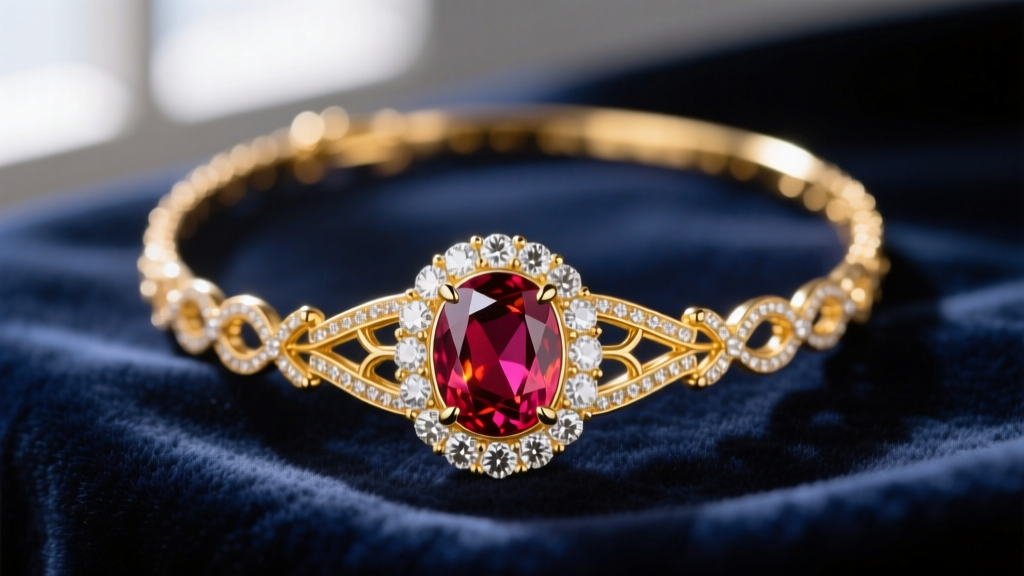
Reaching a 40th wedding anniversary is a monumental milestone, traditionally celebrated with the vibrant, passionate energy of the ruby. As the second hardest natural gemstone on the Mohs scale (rating a 9), ruby jewelry for 40th wedding anniversary gifts symbolizes a love that is both fiery and incredibly enduring. However, navigating the complex colored gemstone market requires a strategic approach. Unlike diamonds, where the 4Cs are strictly standardized, rubies demand a nuanced understanding of origin, treatment, and crystal structure.
This comprehensive, step-by-step guide will walk you through the exact process of selecting, verifying, and securing a high-quality ruby heirloom that will last for the next forty years and beyond.
Step 1: Decode Ruby Origins and Market Values
The geographic origin of a ruby drastically influences its market value and color profile. When shopping for an anniversary heirloom, you will primarily encounter stones from three key regions:
- Myanmar (Burma): The historical benchmark for rubies. Burmese stones are famous for their strong fluorescence and "pigeon's blood" color—a deep, vivid red with a slight purplish secondary hue. Unheated Burmese rubies command the highest premiums in the world.
- Mozambique: Currently the market leader for high-quality, accessible rubies. Mozambican stones often possess exceptional clarity and a slightly darker, more garnet-like red tone. They offer incredible value for larger carat weights (2.00ct and above).
- Madagascar: Known for stones that range from bright pinkish-red to deep crimson. These are excellent alternatives for buyers seeking vibrant brilliance on a moderate budget.
Step 2: Navigate the Treatment Hierarchy
Understanding gemstone treatments is the most critical step in buying colored gems. The Gemological Institute of America (GIA) categorizes ruby treatments into distinct tiers, which directly dictate the stone's longevity and price.
The Acceptable Standard: Heat Treatment
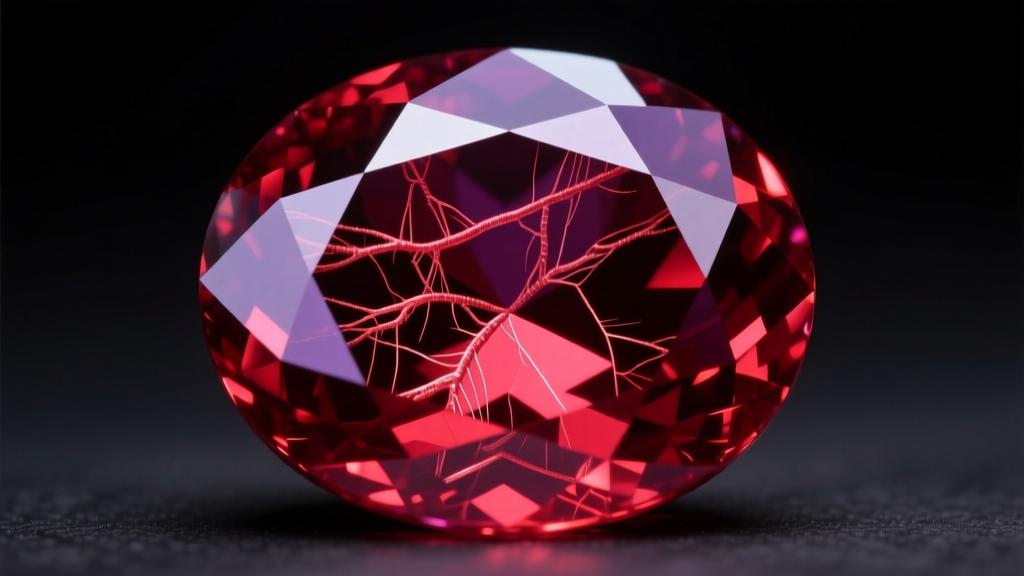
Approximately 95% of rubies on the market are heat-treated. This permanent, stable process dissolves rutile silk inclusions and enhances color saturation. A heat-treated ruby is a sound investment for an anniversary gift, provided it is priced accordingly and fully disclosed.
The Dealbreakers: Fracture Filling and Lattice Diffusion
Never purchase fracture-filled (glass-filled) or lattice-diffused rubies for a 40th-anniversary heirloom. Fracture filling uses lead glass to mask cracks, making the stone highly vulnerable to damage from mild acids (even lemon juice or household cleaners). Lattice diffusion introduces foreign elements (like beryllium) into the crystal lattice to artificially create red color, meaning the stone is not naturally red throughout.
Step 3: Select the Optimal Cut and Carat Weight
Rubies are cut to maximize color and retain carat weight, rather than strictly for optical symmetry. Because large, clean rubies are exponentially rarer than diamonds, the price per carat jumps significantly at the 1.00, 2.00, and 3.00-carat thresholds.
| Cut Style | Characteristics | Best Application | Relative Price Premium |
|---|---|---|---|
| Oval | Elongated shape, brilliant faceting | Maximizing face-up size and carat weight | Baseline (Standard) |
| Cushion | Rounded corners, deep pavilion | Enhancing deep color saturation and fire | +10% to 15% |
| Emerald (Step) | Rectangular, parallel step facets | Stones with exceptional, loupe-clean clarity | +20% to 30% (Rare) |
| Cabochon | Smooth, polished dome (no facets) | Translucent stones or those exhibiting asterism (star rubies) | Varies widely by star quality |
Pro Tip: For a 40th anniversary, aim for a minimum of 1.50 carats if choosing a solitaire ring. If opting for a necklace or earrings, a matched pair of 0.75-carat oval rubies offers a luxurious, balanced aesthetic without the steep premium of large single stones.
Step 4: Engineer the Right Metal Setting
A ruby may be a 9 on the Mohs scale, but a poorly engineered setting will compromise the stone's security over decades of daily wear. When commissioning or selecting ruby jewelry for 40th wedding anniversary milestones, the metal choice is paramount.
Platinum 950 vs. 18k Gold
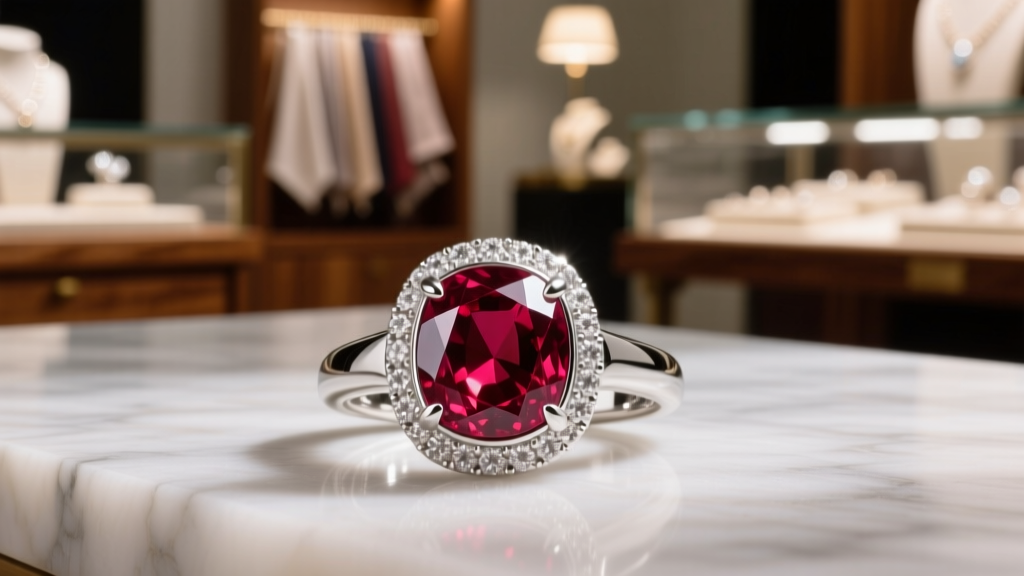
Platinum 950 is the ultimate choice for heirloom ruby rings. Its density and durability mean that prongs will bend rather than snap if impacted, keeping the stone secure. 18k Yellow or Rose Gold provides a beautiful warm contrast to the red hue of the ruby, making the stone appear richer. However, 18k gold prongs will wear down faster than platinum and require re-tipping every 15-20 years.
Avoid 14k gold or lower for high-value ruby heirlooms, as the higher alloy content can cause long-term metal fatigue and does not match the prestige of a 40-year milestone.
Step 5: Mandate Independent Laboratory Certification
Never purchase a significant ruby without a report from a top-tier, independent gemological laboratory. While the GIA is the gold standard for diamonds, the colored gemstone market often relies on specialized labs for origin and treatment determination.
- AGL (American Gemological Laboratories): Highly respected for colored stones. An AGL Prestige Report provides a detailed breakdown of origin, treatment, and a composite quality grade, which is invaluable for insurance and resale.
- Gübelin or SSEF: Swiss laboratories that are the absolute global authorities on determining the geographic origin of Burmese and Mozambican rubies. If you are paying a premium for an unheated Burmese stone, a report from one of these labs is mandatory.
Step 6: Implement a Long-Term Care Protocol
Once you have secured the perfect piece, proper maintenance ensures it survives to the 50th anniversary. While untreated and heat-treated rubies are highly durable, they still require specific care protocols.
- Routine Cleaning: Use a bowl of lukewarm water with a few drops of mild, non-detergent soap. Soak the jewelry for 10 minutes, then gently scrub the back of the stone (the pavilion) with a soft-bristled baby toothbrush to remove lotion and skin oils that dull the stone's brilliance.
- Ultrasonic Warnings: You can safely use an ultrasonic cleaner on only untreated or traditionally heat-treated rubies that have no surface-reaching fractures. If the stone has any clarity enhancements or liquid inclusions, ultrasonic vibrations will shatter it.
- Storage: Store ruby jewelry separately from diamonds. While diamonds (Mohs 10) cannot scratch a ruby easily, they can scratch the metal setting and cause micro-abrasions on the ruby's facet junctions over time.
"A 40th anniversary ruby is not just a purchase; it is the curation of a geological miracle. By prioritizing origin transparency, stable treatments, and structural setting integrity, you ensure the gemstone's physical beauty matches the endurance of the marriage it celebrates."
Selecting the right ruby requires patience and a willingness to look beyond basic carat weight. By following this step-by-step framework and relying on authoritative gemological data, you will secure a breathtaking piece of ruby jewelry for 40th wedding anniversary celebrations that will be cherished for generations.


