Jasper Jewelry Value Guide: Pricing, Grades, and Budget Tips
Discover how to evaluate jasper jewelry value. Learn pricing tiers, spot dyed fakes, and assess metal settings to make smart, budget-friendly purchases.
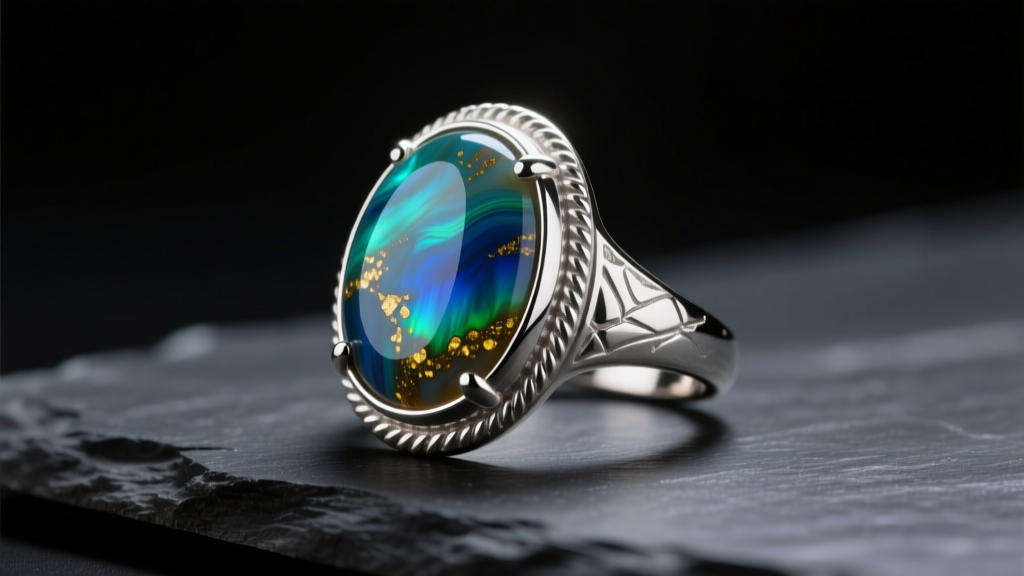
The True Market Value of Jasper Jewelry
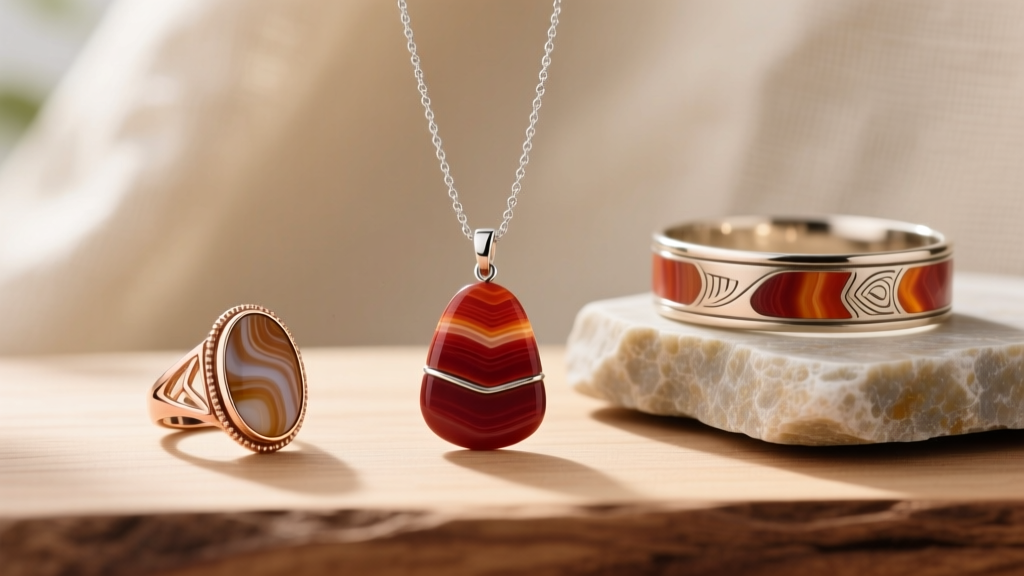
When navigating the 2026 gemstone market, evaluating opaque stones requires a completely different framework than assessing faceted diamonds or sapphires. With jasper jewelry, price-per-carat is virtually irrelevant. Instead, value is driven by three core pillars: pattern rarity, lapidary precision, and metalwork integrity. Jasper, an opaque microcrystalline quartz (chalcedony), is abundant globally. However, high-grade specimens with striking, unbroken landscapes or rare orbicular formations are becoming increasingly scarce due to depleted mines in Madagascar and Mexico.
For budget-conscious collectors and everyday wearers, the challenge lies in distinguishing between genuine, premium-grade jasper and the mass-produced, dyed agate that floods commercial jewelry markets. This guide provides a forensic breakdown of jasper pricing, grading, and value assessment to ensure you never overpay for your next piece.
Decoding Jasper Grades: From Commercial to Collector
To accurately assess a piece of jasper jewelry, you must first identify the grade and origin of the stone. The market generally segments jasper into three distinct tiers.
1. Commercial Grade (Dyed and Treated)
Over 60% of the 'jasper' sold in fast-fashion and low-tier boutique jewelry is actually gray or white agate that has been chemically dyed. Because agate and jasper share the same chemical composition (SiO2), they accept dyes similarly. Commercial stones are often sold under misleading names like 'Block Jasper' or 'Impression Jasper.' These stones have zero collector value and are prone to fading or bleeding dye onto the skin when exposed to sweat or lotions.
2. Mid-Tier (Standard Naturals)
This category includes widely available, untreated natural stones. According to the Gemological Institute of America (GIA), stones like Red Jasper, Picture Jasper, and Dalmatian Jasper fall here. While abundant, mid-tier jaspers offer excellent budget value when paired with high-quality sterling silver settings. Note: 'Dalmatian Jasper' is a mineralogical misnomer; it is actually an igneous rock containing arfvedsonite, but it trades under the jasper umbrella in the jewelry sector.
3. Premium and Rare Varieties
Top-tier jaspers command premium prices due to complex geological formation requirements. Mineralogical databases like Mindat.org note the specific localized environments required for these stones:
- Ocean Jasper (Madagascar): Known for spherical orbicular patterns. With the primary Kabamby mines largely exhausted, high-contrast, multi-colored Ocean Jasper has seen a 30% price increase over the last three years.
- Imperial Jasper (Mexico): Found only in the Jalisco region, prized for its smooth, pastel green and pink banding and high silica purity.
- Mookaite (Australia): A silicified porcelanite from Western Australia, valued for its vibrant mustard, cherry, and cream color blocks.
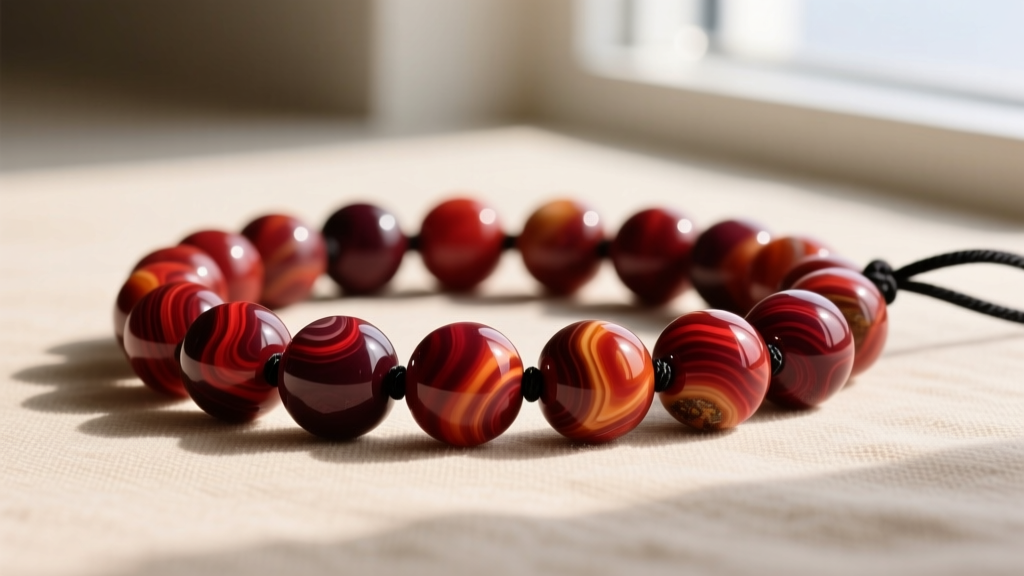
Pricing Breakdown: What Should You Actually Pay?
To build a realistic budget, you must separate the cost of the lapidary work (the cut and polished stone) from the metalwork. Below is a 2026 market matrix for standard 30x40mm oval cabochons and their corresponding finished jewelry price ranges.
| Jasper Variety | Grade | Loose Cabochon Value | 925 Silver Ring Price | 14k Gold Pendant Price |
|---|---|---|---|---|
| Red / Yellow Jasper | Commercial | $3 - $8 | $25 - $45 | N/A (Rarely set in gold) |
| Picture Jasper | Mid-Tier | $12 - $25 | $55 - $90 | $160 - $240 |
| Mookaite | Mid-Tier | $18 - $35 | $65 - $110 | $180 - $280 |
| Ocean Jasper | Premium | $45 - $130 | $120 - $260 | $450 - $850+ |
| Imperial Jasper | Collector | $70 - $160 | $160 - $320 | $650 - $1,200 |
Note: If you see a 'Premium' Ocean Jasper ring selling for $35, the stone is almost certainly dyed agate or synthetic resin.
Evaluating the Metal Setting: Where the Real Cost Lies
A common budget trap is buying a mid-tier jasper stone housed in a cheap, mass-produced setting. The metalwork often accounts for 70% of the jewelry's actual cost. Here is how to evaluate the setting to ensure you are getting fair value:
Bezels vs. Prongs
Jasper is a tough stone (6.5 to 7 on the Mohs scale), but it lacks cleavage planes, meaning it chips rather than shatters. Therefore, bezel settings are the industry standard for jasper jewelry. Prong settings are generally reserved for faceted gems. If a vendor is selling a jasper cabochon in a prong setting, it is a red flag indicating mass-produced, generic casting molds were used, significantly lowering the piece's intrinsic value.
Identifying Metal Quality
- Sterling Silver (925): The benchmark for jasper. Look for a flush, soldered bezel wall. Avoid settings where the silver bezel is visibly glued to a backplate.
- Gold Vermeil / Plated Brass: Often sold at a 40% markup over solid silver, despite the base metal being cheap brass. The plating will wear off within a year, exposing the brass which can react with the sulfur in some jaspers and cause green skin discoloration.
- Solid 14k/18k Gold: Only justifiable for Imperial or top-grade Ocean Jasper. The gold weight should be substantial (at least 3-5 grams for a standard ring).
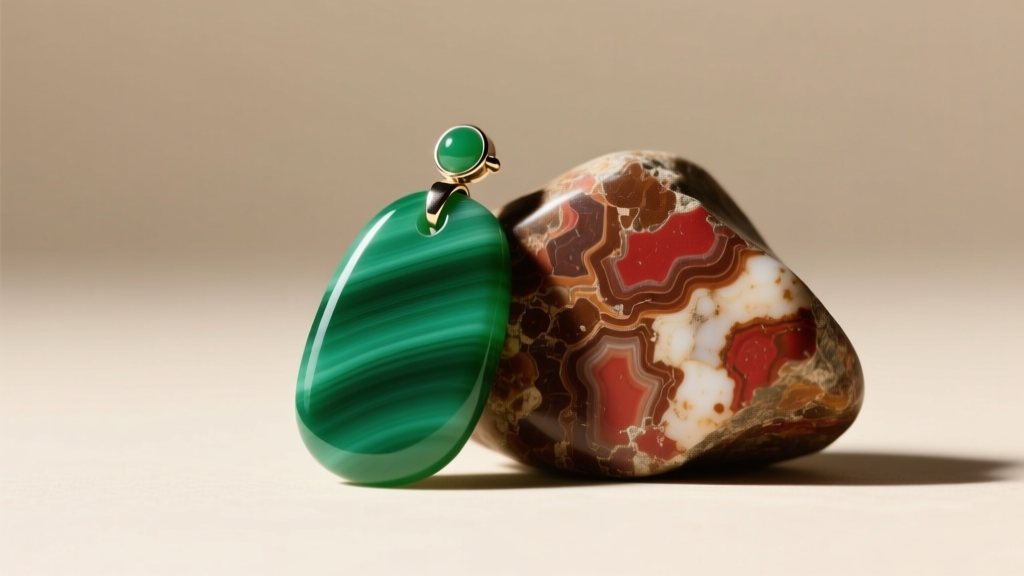
Red Flags: How to Spot Overpriced or Fake Jasper
Protecting your budget means knowing how to spot fakes and hazardous treatments. Keep these critical warning signs in mind when shopping:
"The presence of concentrated dye pools in the micro-fractures of a stone is the most definitive proof of chemical treatment. Genuine jasper exhibits uniform, naturally occurring color zoning, not jagged, ink-like bleeds."
The 'Bumblebee Jasper' Hazard
Bumblebee Jasper is highly sought after for its striking yellow, orange, and black banding. However, it is not true jasper; it is a mixture of sulfur, realgar, and orpiment (arsenic sulfides) from volcanic vents in Indonesia. Budget Warning: Genuine Bumblebee Jasper must be heavily stabilized with epoxy resin to be safe for jewelry wear, as raw arsenic sulfides are toxic. If you find 'cheap, raw' Bumblebee jewelry, it is either a severe health hazard or a painted fake. Authentic, safely stabilized Bumblebee rings typically start at $120.
The 'K2' Granite Misnomer
Often sold alongside jaspers, K2 (or K2 Jasper) features white granite with bright blue azurite spots. While beautiful, it is a granite, not a chalcedony. Unscrupulous sellers mark up K2 by 300% by labeling it a 'rare jasper.' Pay no more than standard mid-tier prices ($40-$80 for a silver ring) for K2 jewelry.
Final Verdict: Maximizing Your Budget
To get the highest value from your jasper jewelry budget, prioritize lapidary symmetry and metal weight over sheer stone size. A perfectly domed, flawlessly polished 20mm Picture Jasper cabochon set in a heavy, custom-soldered 925 silver bezel will retain its structural integrity and aesthetic appeal far longer than a massive, flat-cut, dyed agate stone in a flimsy glued setting.
By focusing on untreated, geologically verified varieties like Mookaite and Ocean Jasper, and demanding transparency in metal sourcing, you can build a collection of jasper jewelry that holds both deep stylistic resonance and genuine market value.