Lapis Stone Jewelry: A Beginner’s Guide to Buying & Care
Discover everything about lapis stone jewelry. Learn how to spot real lapis lazuli, understand grading, pair metals, and care for your deep blue gems.

The Allure of Lapis Lazuli: More Than Just a Blue Stone
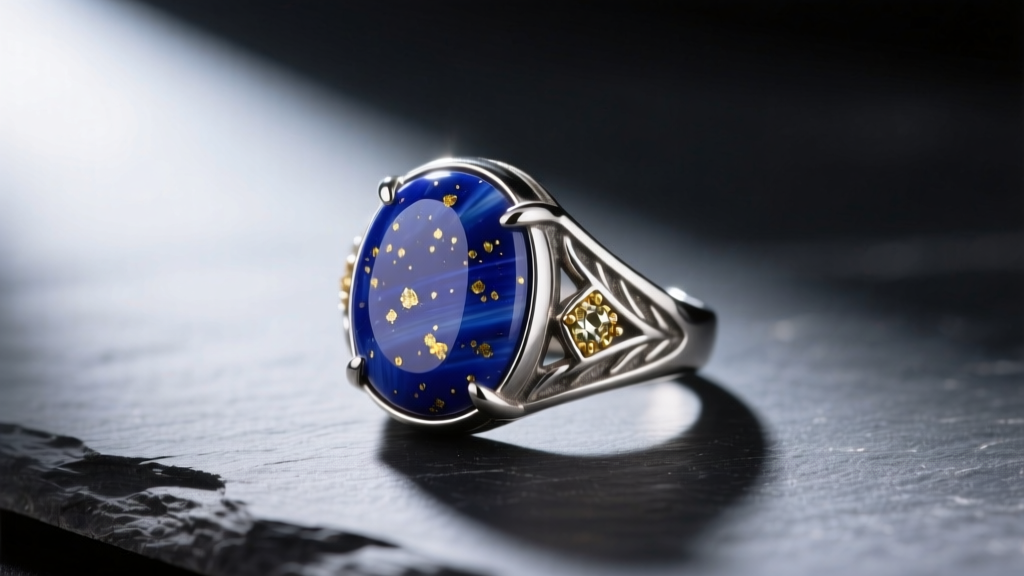
When you begin exploring the world of colored gemstones, lapis stone jewelry inevitably catches your eye. Revered since antiquity by Egyptian pharaohs and Mesopotamian royalty, lapis lazuli is not actually a single mineral, but a complex rock composed primarily of lazurite (which provides the iconic blue), calcite (white streaks), and pyrite (golden metallic flecks). According to the Gemological Institute of America (GIA), the most prized lapis lazuli exhibits a deep, intense, medium-dark blue to slightly violetish blue color, with a uniform distribution and no visible calcite.
For beginners, navigating the market for lapis stone jewelry can be tricky. The stone's relative softness and porosity make it a prime candidate for synthetic imitations and chemical treatments. This guide will equip you with the exact metrics, grading standards, and care protocols needed to build a high-quality lapis collection.
Decoding Lapis Grades and Origins
Not all lapis lazuli is created equal. The value of your lapis stone jewelry is heavily dictated by its geographic origin and the ratio of lazurite to calcite and pyrite. Mindat.org notes that while lapis is found globally, only a few regions produce gem-grade material.
| Grade / Origin | Color Profile | Inclusions | Market Value & Use |
|---|---|---|---|
| Premium (Afghan) | Deep, intense royal blue | Minimal calcite, even pyrite dust | Highest value; used in fine cabochons and high-end beads. |
| Mid-Grade (Russian) | Medium to lighter blue | Heavy pyrite, some calcite | Moderate value; popular in statement rings and pendants. |
| Commercial (Chilean) | Pale blue to greenish-blue | Heavy white calcite matrix | Lowest value; frequently dyed to mimic Afghan lapis. |
When shopping for lapis stone jewelry, always ask the jeweler for the origin. Afghan lapis from the Sar-e-Sang mines in the Kokcha Valley remains the gold standard. If a piece is exceptionally blue but priced suspiciously low, it is likely dyed Chilean material or a complete imitation.
Real vs. Fake: How to Spot Imitations
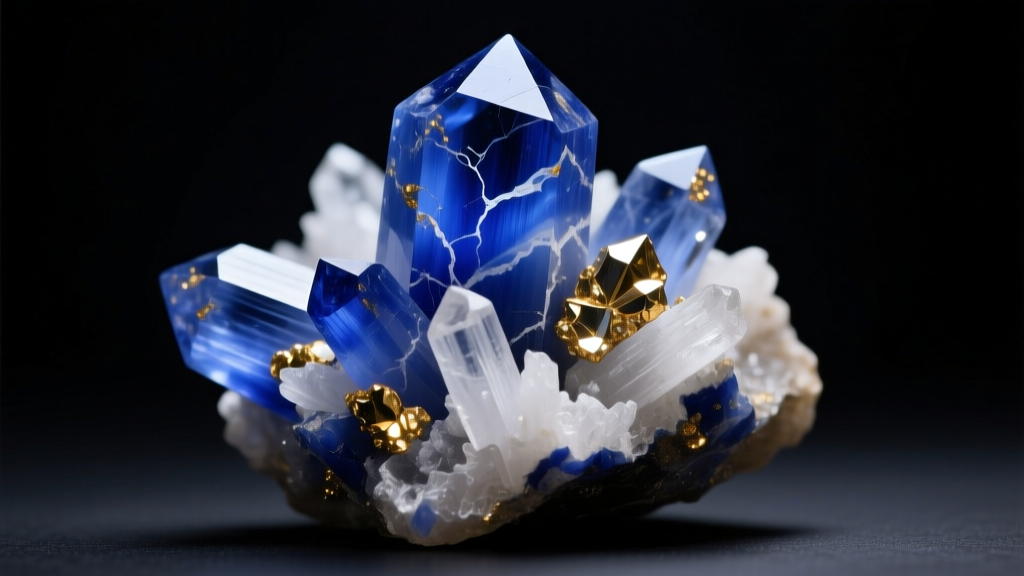
Because high-grade lapis lazuli commands a premium, the market is flooded with fakes. The most common substitutes include dyed howlite, dyed jasper, sodalite, and synthetic Gilson lapis. Here is a practical decision framework for authentication:
1. The Visual Inspection Test
- Pyrite Flecks: Genuine lapis contains pyrite (fool's gold) that appears as sharp, metallic, brassy flecks. Synthetic lapis often features perfectly uniform, artificially placed gold specks, or lacks them entirely.
- Calcite Veins: Natural lapis usually has some white calcite webbing. Sodalite, a common natural lookalike, rarely has pyrite and features much thicker, more prominent white veining.
- Color Depth: Dyed stones often show color concentration in the cracks and crevices. Use a 10x jeweler's loupe to inspect the surface; if you see dark blue dye pooling in microscopic fissures, the stone has been treated.
2. The Acetone Swab Test
If you are buying a loose stone or a bead strand, lightly dampen a cotton swab with nail polish remover (acetone) and rub an inconspicuous area. If the cotton turns blue, the stone is dyed. Note: Many commercial lapis beads are heavily waxed to seal the dye, which can sometimes block the acetone from lifting the color immediately, so combine this with visual inspection.
Optimal Metal Pairings for Lapis Stone Jewelry
The deep, opaque nature of lapis lazuli makes it a versatile canvas for various metals, but the choice of metal drastically alters the aesthetic and longevity of the piece.
- 14k or 18k Yellow Gold: The classic pairing. Yellow gold amplifies the golden pyrite flecks within the stone, creating a cohesive, luxurious look. This was the standard in ancient Egyptian jewelry and remains highly sought after today.
- Sterling Silver (925): Offers a striking, high-contrast modern look. However, silver tarnishes, and the chemical dips used to clean tarnished silver can damage porous lapis. Ensure the lapis is bezel-set rather than prong-set to protect the edges from chipping against the harder silver.
- Oxidized Metals: Darkened or oxidized silver and bronze complement the earthy, ancient vibe of lapis lazuli, particularly in bohemian or artisan-crafted pieces.
Care and Maintenance: Preventing Fading and Scratches
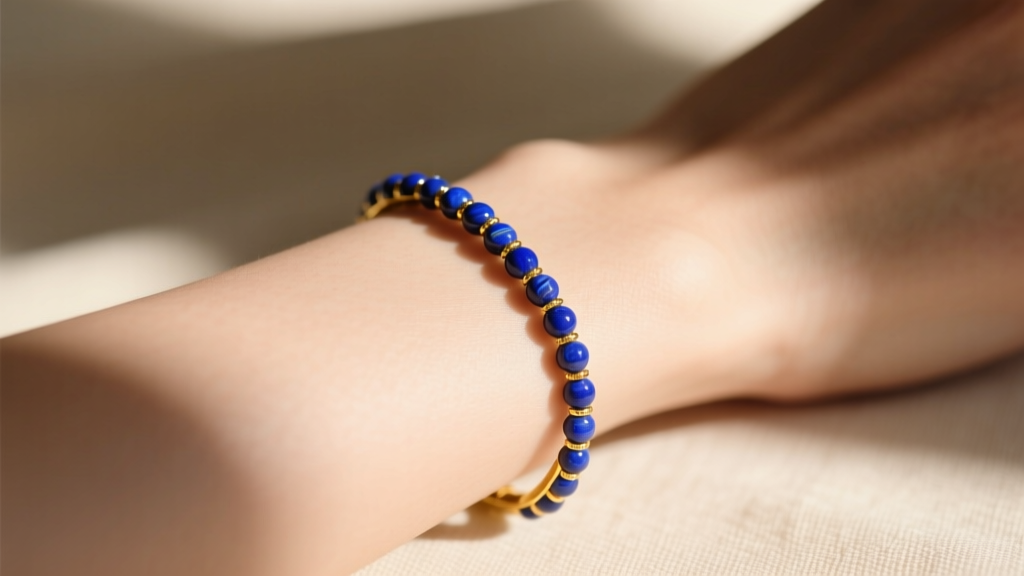
Lapis lazuli ranks between 5 and 5.5 on the Mohs hardness scale. This means it is relatively soft and highly susceptible to scratching, pressure, and chemical damage. Improper care is the number one reason lapis stone jewelry loses its luster over time.
What to Avoid (The Danger Zone)
- Ultrasonic Cleaners: Never put lapis in an ultrasonic cleaner. The high-frequency vibrations can fracture the stone, and the cleaning solutions will strip away any protective wax coatings or leach out dyes.
- Steam Cleaners: Sudden temperature changes can cause thermal shock, leading to internal cracking.
- Harsh Chemicals: Lapis contains calcite, which is highly reactive to acids. Exposure to household cleaners, vinegar, or even acidic sweat can etch the surface, leaving dull, white spots. Always put your lapis jewelry on *after* applying perfumes, lotions, and hairsprays.
The Correct Cleaning Protocol
To clean your lapis stone jewelry, use a soft, dry microfiber cloth to gently wipe away oils and dust after each wear. If the stone is heavily soiled, use lukewarm water and a tiny drop of mild, phosphate-free dish soap. Gently wipe with a soft cloth, rinse quickly under plain water, and immediately pat completely dry. Never let lapis air dry, as water spots can form on the polished surface.
Pricing Guide: What Should You Expect to Pay?
Understanding the pricing structure of lapis stone jewelry helps you avoid overpaying for commercial-grade material or falling for "too good to be true" scams.
- High-Grade Afghan Bead Strands (8mm - 10mm): $80 to $250 per strand, depending on color saturation and lack of white calcite.
- Commercial Dyed Bead Strands: $10 to $25. Often sold in mall kiosks or fast-fashion jewelry stores.
- Cabochons (for custom rings/pendants): Top-tier material costs $2 to $10 per carat. Because lapis is sold by the piece or carat in larger sizes, a high-quality 15-carat oval cabochon might cost between $40 and $100.
- Designer Settings: A custom 14k gold bezel-set lapis ring from an independent artisan typically ranges from $350 to $800, factoring in the gold weight and labor.
By understanding the mineral composition, recognizing the hallmarks of genuine Afghan material, and adhering to strict, non-chemical cleaning protocols, you can ensure your lapis stone jewelry remains a vibrant, heirloom-quality staple in your collection for decades to come.


