Sunrise Shell Jewelry: Properties, Durability & Material Comparison
Explore sunrise shell jewelry properties, Mohs hardness, and durability. Compare this organic gem to mother of pearl, abalone, and conch.

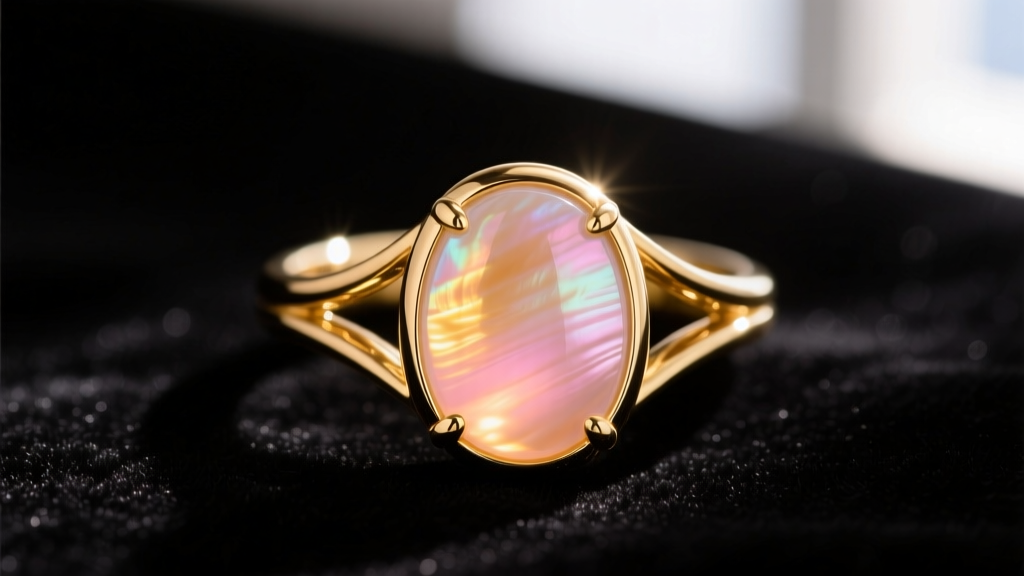
The Organic Gem: What is Sunrise Shell?
In the diverse world of organic gemstones, sunrise shell jewelry occupies a unique and highly coveted niche. Unlike mineral-based gems formed under extreme geological pressure, sunrise shell is a biogenic material created by marine mollusks. Characterized by its breathtaking gradient of warm golden, peach, soft pink, and creamy white hues, the sunrise shell mimics the colors of a dawn sky. While often grouped broadly with mother of pearl, true sunrise shell exhibits a distinct micro-structure and color saturation that sets it apart in high-end jewelry design.
Understanding the material properties of sunrise shell is critical for jewelers, collectors, and everyday wearers. Because it is an organic composite, it reacts to environmental factors, chemicals, and physical stress very differently than crystalline stones like sapphire or quartz. This guide provides a deep-dive material comparison, evaluating sunrise shell against other popular organic gems to help you make informed purchasing and design decisions.
Mineralogy and Physical Properties of Sunrise Shell
To understand how sunrise shell behaves in jewelry, we must look at its microscopic composition. According to mineralogical data from Mindat.org, marine shells are primarily composed of calcium carbonate (CaCO3) in the form of aragonite or calcite, bound together by an organic protein matrix called conchiolin.
Mohs Hardness and Structural Integrity
Sunrise shell registers between 2.5 and 3.5 on the Mohs hardness scale. This makes it relatively soft and highly susceptible to scratching from everyday dust (which contains quartz particles at a Mohs 7). Furthermore, the aragonite crystals in the shell form in microscopic brick-like layers. While the conchiolin provides some flexibility and toughness (preventing the shell from shattering like glass), the material possesses distinct cleavage planes. If struck at the wrong angle, a sunrise shell cabochon can easily chip or delaminate.
Luster and Optical Phenomena
The signature "sunrise" glow is a result of light interference. The aragonite platelets are stacked in a staggered, plywood-like structure. When light enters the shell, it scatters and interferes with itself, producing a soft, satiny iridescence known as orient. Unlike the sharp, mirror-like flash of abalone, sunrise shell offers a subdued, pearlescent chatoyancy that shifts from gold to rose depending on the angle of illumination.
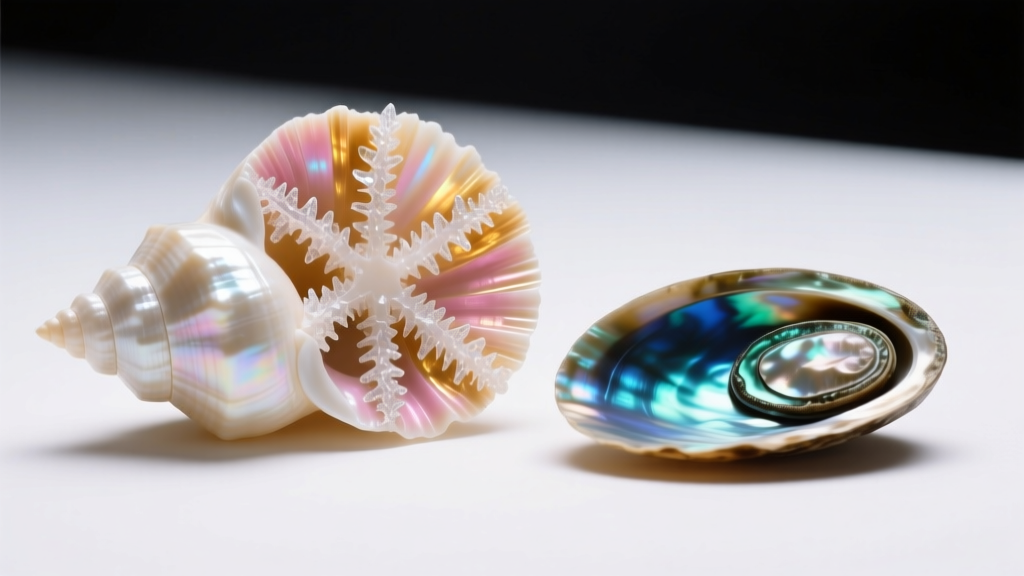
Material Comparison: Sunrise Shell vs. Other Organic Gems
When selecting organic materials for jewelry, designers must weigh aesthetics against durability. The table below compares sunrise shell to its closest organic counterparts, providing specific data points for jewelry fabrication.
| Material | Mohs Hardness | Specific Gravity | Primary Color Palette | Optical Phenomenon | Avg. Price (30x40mm Cab) |
|---|---|---|---|---|---|
| Sunrise Shell | 2.5 - 3.0 | 2.65 - 2.75 | Golden, peach, pink, white | Satiny iridescence (Orient) | $65 - $140 |
| Mother of Pearl (Nacre) | 2.5 - 3.5 | 2.60 - 2.85 | Silver, white, pale pink | Broad flash iridescence | $25 - $60 |
| Abalone (Paua) | 2.5 - 3.5 | 2.60 - 2.70 | Vivid green, blue, purple | Extreme iridescent flash | $40 - $90 |
| Conch Shell | 3.0 - 3.5 | 2.70 - 2.80 | Pink, white, orange | Flame structure (Chatoyancy) | $80 - $200+ |
As the data illustrates, sunrise shell sits in the middle of the pack regarding pricing, but offers a color palette that cannot be replicated by standard mother of pearl without artificial dyeing. The Gemological Institute of America (GIA) notes that organic gems with natural, untreated warm hues are increasingly rare in the market, driving up the premium for high-grade, unbleached sunrise shell.
Jewelry Applications and Setting Techniques
Working with sunrise shell requires specialized lapidary and metalsmithing techniques. Due to its low hardness and sensitivity to thermal shock, standard setting methods used for diamonds or corundum will destroy the material.
Best Metal Pairings and Bezel Settings
Bezel setting is mandatory for sunrise shell rings and bracelets. Prong settings leave the edges of the cabochon exposed, guaranteeing edge-chipping upon impact. A 14k or 18k yellow gold bezel not only protects the perimeter but also optically enhances the golden and peach undertones of the shell. Silver or white gold can be used, but it tends to flatten the visual warmth of the stone.
During fabrication, the shell must never be exposed to the heat of a soldering torch. Jewelers must use low-temperature solder or mechanical cold-connections (like rivets or tension-fit bezels) if the stone is already seated. Furthermore, epoxy resins should be avoided for backing, as the chemical off-gassing during curing can permanently dull the shell's nacreous layer.
Care, Maintenance, and Degradation Risks
The conchiolin matrix in sunrise shell is highly vulnerable to chemical degradation. Wearers must adhere to strict care protocols to prevent the material from drying out, cracking, or losing its luster.
- Avoid Acidic Exposure: Calcium carbonate dissolves in acid. Even mild skin acidity (low pH sweat) can etch the surface over time. Always wipe the jewelry with a damp, pH-neutral microfiber cloth after wearing.
- No Ultrasonic or Steam Cleaners: The high-frequency vibrations in ultrasonic cleaners will cause the microscopic aragonite layers to delaminate, resulting in a cloudy, fractured appearance.
- Chemical Isolation: Perfumes, hairsprays, and chlorinated pool water will strip the natural moisture from the conchiolin, leading to irreversible micro-cracking (crazing). Always put sunrise shell jewelry on after applying cosmetics.
- Hydration Storage: Store the piece in a soft pouch with a slightly damp (not wet) cotton ball to maintain ambient humidity, preventing the organic proteins from becoming brittle.
Identifying Authentic Sunrise Shell vs. Imitations
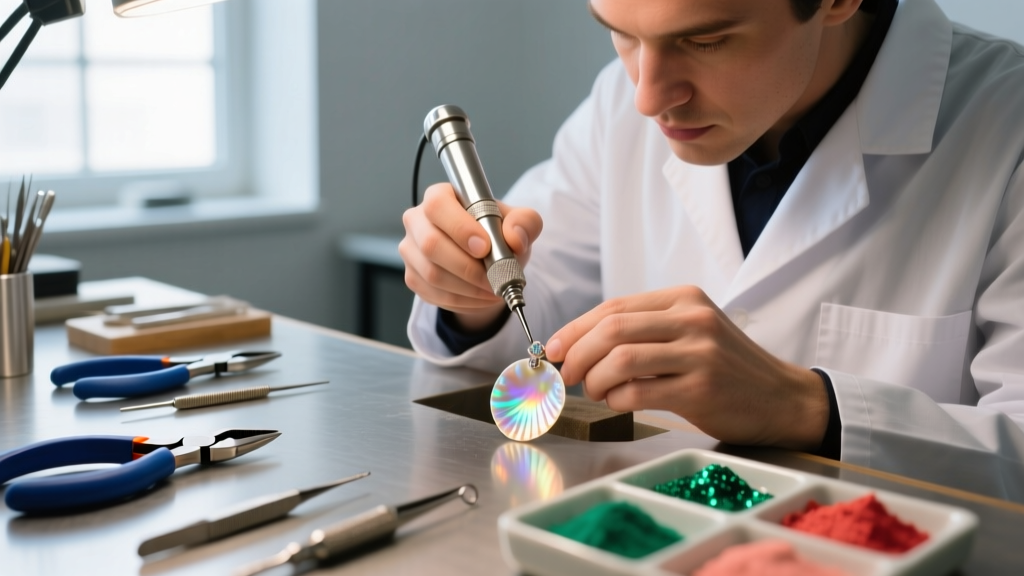
As the demand for sunrise shell jewelry grows, so does the prevalence of imitations. Dyed howlite, carved resin, and reconstituted shell powder are frequently passed off as genuine. To verify authenticity, use a 10x jeweler's loupe to examine the surface. Genuine sunrise shell will reveal faint, parallel growth lines and a subtle, layered "wood-grain" texture. Resin imitations will appear perfectly homogenous or contain spherical gas bubbles. Additionally, a thermal conductivity test (the "touch test") will reveal that genuine shell feels distinctly cool to the touch and takes longer to warm to body temperature than plastic or resin.
Final Verdict for Collectors and Jewelers
Sunrise shell jewelry represents a masterclass in organic elegance. While it demands far more meticulous care and specialized setting techniques than traditional mineral gemstones, the visual payoff is unparalleled. Its warm, dawn-like gradients offer a romantic, understated alternative to the high-contrast flash of abalone or the stark whiteness of traditional nacre. For collectors seeking unique, nature-derived materials, a well-crafted, bezel-set sunrise shell piece is a worthy and enduring investment.


