Evaluating 14k Gold Jewelry Cleaner: Budget vs Premium
Discover if premium 14k gold jewelry cleaners offer better value than DIY methods. We break down costs, chemical safety, and long-term gold care.

The True Cost of Cleaning 14k Gold
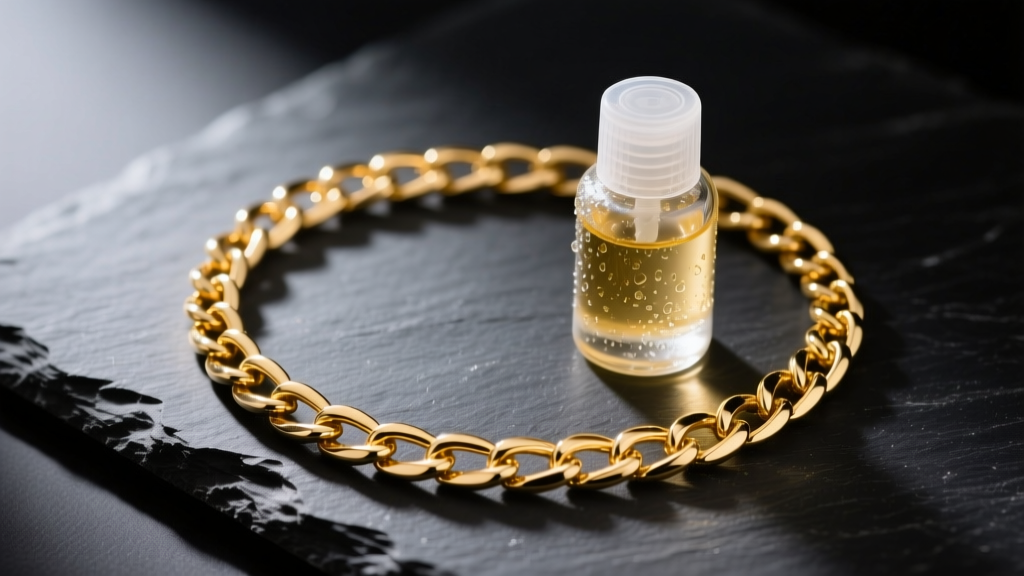
When maintaining a jewelry collection, the market for a 14k gold jewelry cleaner is heavily saturated with options ranging from five-dollar chemical dips to forty-dollar ultrasonic solutions. But from a strict budget and value assessment perspective, does paying a premium actually protect your investment, or are you simply paying for branded packaging? To answer this, we must first understand the metallurgy of 14k gold.
14k gold consists of 58.5% pure gold and 41.5% alloy metals—typically copper, silver, and zinc. While pure 24k gold is virtually inert and highly resistant to chemical corrosion, the copper and zinc in 14k gold are highly reactive. The wrong cleaning agents can strip these alloys, leading to micro-porosity, surface tarnish, and a gradual loss of structural integrity. Therefore, evaluating a cleaner is not just about immediate sparkle; it is about long-term asset preservation.
Chemical Breakdown: What You Are Actually Paying For
To determine the true ROI of your jewelry maintenance budget, we must compare the chemical composition and cost-per-ounce of the most common cleaning categories. Below is a structural value analysis of the current market.
| Cleaner Category | Primary Active Agent | Avg Cost/Oz | Risk to 14k Alloys | Long-Term Value |
|---|---|---|---|---|
| Commercial Dips | Ammonia / Thiourea | $1.25 - $1.80 | High (Copper depletion) | Poor |
| Premium Liquids | Non-ionic Surfactants | $2.50 - $3.50 | None (pH buffered) | Excellent |
| DIY Dish Soap | Sodium Lauryl Sulfate | $0.20 - $0.30 | Low (Safe for bare gold) | Good |
| DIY Baking Soda | Alkaline Abrasive | $0.05 | Severe (Galvanic pitting) | Fail |
Cheap commercial dips often rely on high concentrations of ammonia to cut through sebum and lotions. While ammonia provides an instant, aggressive shine, prolonged exposure causes stress corrosion cracking in copper-alloyed gold. Over a five-year period, weekly ammonia dips will visibly degrade the surface of a 14k gold ring, necessitating costly professional re-polishing that removes microns of gold.
The Hidden Costs of 'Budget' DIY Cleaners
Many consumers attempt to bypass the cost of a dedicated 14k gold jewelry cleaner by utilizing household pantry items. While these methods appear free, the hidden costs of metallurgical damage far outweigh the initial savings.
The Baking Soda and Aluminum Foil Trap
A popular internet hack involves lining a bowl with aluminum foil, adding boiling water, baking soda, and salt. This creates a galvanic electrochemical reaction that strips tarnish from silver. However, when applied to 14k gold, this alkaline environment can cause a galvanic reaction with the zinc and copper alloys. This results in microscopic pitting on the gold's surface and will instantly strip the rhodium plating off any 14k white gold accents or settings.
The Toothpaste Abrasion Error
Toothpaste contains silica or calcium carbonate abrasives rated between 3 and 4 on the Mohs hardness scale. Pure gold is roughly 2.5 to 3. While 14k gold is harder due to its alloys, scrubbing it with toothpaste guarantees micro-scratches. These scratches trap dirt and oils, causing the jewelry to look duller faster, creating a vicious cycle of over-cleaning and compounding surface damage.
According to the Gemological Institute of America (GIA), the safest and most effective way to clean gold jewelry is with a mild, non-detergent soap and warm water, strictly avoiding harsh chemicals, chlorine, and abrasives that can permanently degrade the alloy metals and damage gemstone settings.
Value Assessment Framework: When to Invest in Premium
Is a $25 bottle of premium, pH-neutral, non-ionic surfactant cleaner worth the investment over a $4 bottle of Dawn dish soap? The answer depends entirely on the composition of your specific 14k gold pieces. Use this decision matrix to allocate your maintenance budget effectively.
- Scenario A: Plain 14k Yellow Gold Chains and Bands. If your jewelry consists of bare metal without gemstones, a high-quality liquid dish soap (free of moisturizers and citrus degreasers) mixed with warm distilled water offers the highest ROI. The cost per clean is less than a penny, and the risk to the alloy is negligible.
- Scenario B: 14k Gold Set with Porous or Treated Gemstones. If your 14k gold jewelry features pearls, opals, turquoise, emeralds, or fracture-filled diamonds, DIY dish soap is a liability. Dish soaps often contain degreasing agents that strip the natural oils from pearls and opals, causing them to crack. Premium jewelry cleaners are specifically formulated with pH buffers and non-ionic surfactants that lift dirt without penetrating the microscopic fissures of delicate stones. Here, the $25 investment protects thousands of dollars in gemstone value.
- Scenario C: 14k White Gold with Rhodium Plating. 14k white gold is naturally a pale yellow-gray color and is plated with rhodium to achieve a bright white finish. Harsh budget cleaners and ultrasonic frequencies can accelerate the wear of this plating. A dedicated, gentle surfactant cleaner extends the time between expensive professional re-plating sessions (which typically cost $50 to $100 per ring).
The Ultrasonic Variable: A Budget Warning
When shopping for a 14k gold jewelry cleaner, consumers are frequently upsold on ultrasonic cleaning machines. While a $40 ultrasonic cleaner seems like a high-value investment for home use, it poses severe risks to certain 14k gold items. Ultrasonic waves create cavitation bubbles that implode with immense localized force. This force can easily shake loose gemstones from worn prongs and shatter tension-set stones. Furthermore, if your 14k gold jewelry has undergone laser soldering or contains fracture-filled diamonds, the ultrasonic vibrations can cause catastrophic structural failure. For the average consumer, a premium liquid soak paired with a soft-bristled baby toothbrush provides 95% of the cleaning efficacy with zero structural risk.
Expert Verdict: Maximizing Your Jewelry Maintenance Budget
From a strict value assessment standpoint, the cheapest option is rarely the most economical over a ten-year horizon. The most financially sound strategy for maintaining 14k gold jewelry is a hybrid approach.
Allocate your budget toward a high-quality, non-ammonia, phosphate-free commercial liquid cleaner for any 14k gold pieces featuring gemstones, intricate filigree, or white gold rhodium plating. The cost per use of these premium solutions is roughly $0.05, a negligible premium that guarantees the chemical safety of your alloys and the structural integrity of your stone settings. For everyday, bare-metal 14k yellow gold chains and simple wedding bands, stick to a mild, non-citrus dish soap and distilled water.
Ultimately, the goal of a 14k gold jewelry cleaner is not just to remove today's lotion and sebum buildup, but to ensure the metal's alloy structure remains uncompromised for decades. By avoiding ammonia dips, abrasive pantry hacks, and unnecessary ultrasonic risks, you protect both the financial value and the physical beauty of your gold collection. For further guidelines on precious metal maintenance, refer to the Jewelers of America care protocols to ensure your cleaning habits align with professional industry standards.


