What 925 on Gold Jewelry Means: The Complete Buyer's Guide
See a 925 stamp on gold jewelry? Learn what it means, how to verify gold vermeil vs. plated silver, and what to look for before buying.

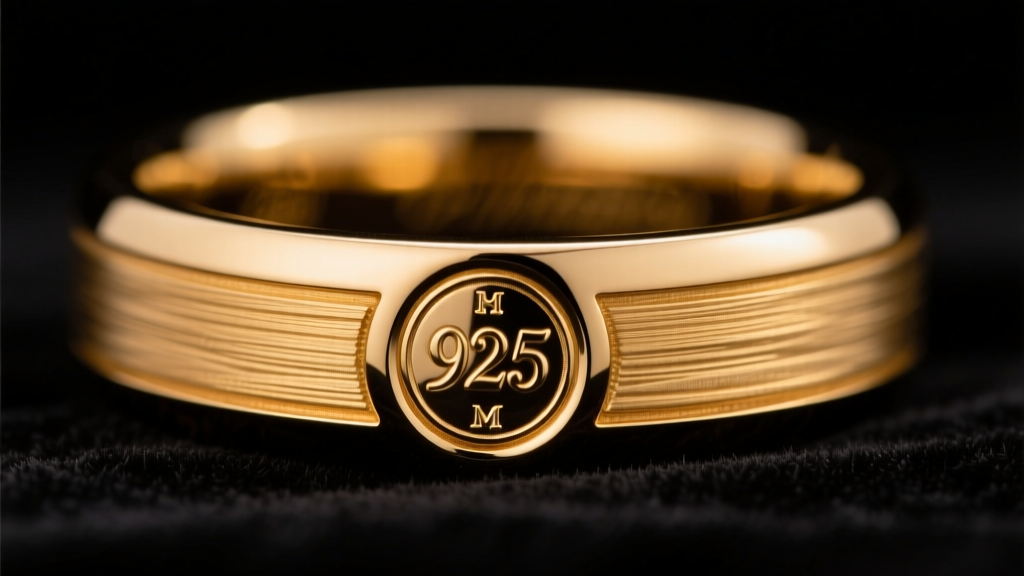
The Truth Behind the 925 Stamp on Gold Pieces
When you are shopping for gold jewelry and spot a 925 stamp on the clasp, inner band, or earring post, your first instinct might be to question its authenticity. After all, 925 is universally recognized as the hallmark for sterling silver, not gold. If a piece looks entirely yellow, white, or rose gold but bears this specific numeric stamp, you are not looking at solid gold. Instead, you are examining a silver-based piece with a gold surface treatment.
Understanding this distinction is critical for any buyer navigating the modern jewelry market. The secondary market and fast-fashion outlets are frequently flooded with misleading listings where sellers market 925 gold as a proprietary precious metal blend to inflate prices. In reality, the 925 stamp strictly refers to the base metal: an alloy containing 92.5% pure silver and 7.5% copper or zinc for structural integrity. The gold you see on the surface is merely a microscopic outer layer applied via electroplating. Recognizing this prevents you from overpaying and helps you set realistic expectations for the piece's longevity, care requirements, and resale value.
Gold Vermeil vs. Gold Plated: Decoding the Core Differences
Not all gold-over-silver jewelry is created equal, and the terminology used by retailers can be deliberately confusing. The Federal Trade Commission (FTC) maintains strict guidelines on how these pieces can be legally marketed in the United States. If a jeweler claims a 925 piece is gold vermeil, it must meet specific manufacturing thresholds that separate it from cheap flash-plated alternatives.
To legally be classified as vermeil, the base must be sterling silver (hence the 925 stamp), the gold layer must be at least 10 karats in purity, and the plating must be a minimum of 2.5 microns thick. Standard gold-plated silver, on the other hand, has no strict thickness requirements and often features a gold layer of less than 0.5 microns, which can wear off in a matter of weeks.
| Material Classification | Base Metal Core | Minimum Gold Thickness | Expected Daily Lifespan | Average Price (5mm 18in Chain) |
|---|---|---|---|---|
| Solid 14k Gold | 58.5% Pure Gold Alloy | N/A (Solid throughout) | Lifetime (Generational) | $1,100 - $1,600 |
| Gold Vermeil (925) | 92.5% Sterling Silver | 2.5 Microns | 2 to 5 Years | $85 - $180 |
| Gold Plated (925) | 92.5% Sterling Silver | 0.1 to 0.5 Microns | 3 to 12 Months | $40 - $90 |
| Gold Plated (Brass) | Brass / Copper Alloy | 0.05 to 0.2 Microns | 1 to 6 Months | $15 - $45 |
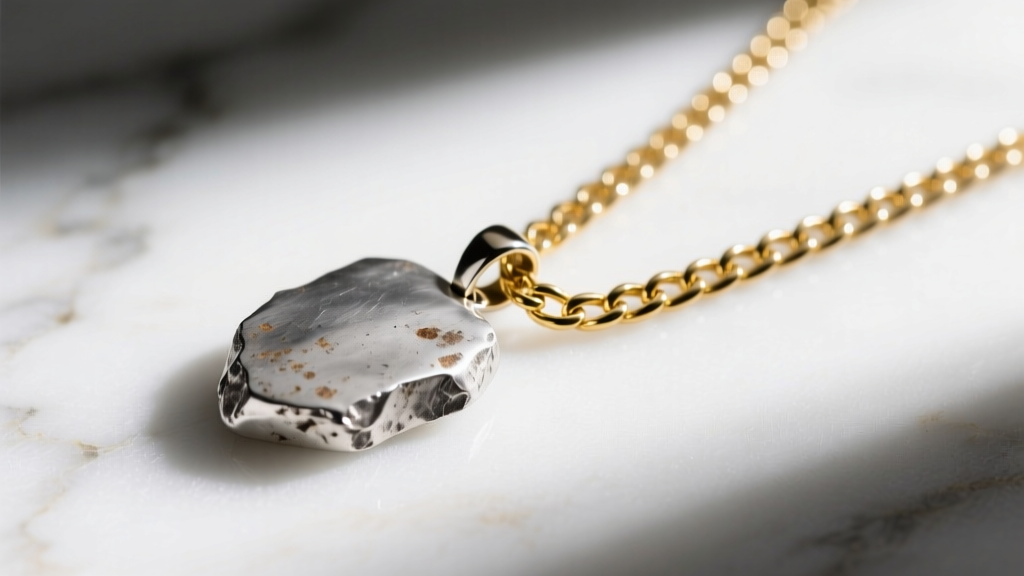
Durability and Lifespan: Failure Modes of Plated Silver
The primary vulnerability of 925 gold jewelry lies in the galvanic relationship between the silver base and the gold coating. While gold is a noble metal that resists oxidation, sterling silver is highly reactive to sulfur compounds in the air, which causes silver sulfide tarnish. When you buy 925 gold jewelry, you are essentially relying on the gold layer to act as an impenetrable shield against the environment.
Common Failure Modes to Watch For
- Micro-Pore Tarnishing: Cheap electroplating leaves microscopic pores in the gold layer. Sulfur penetrates these pores, causing the silver underneath to tarnish and expand. This expansion creates blisters or flakes on the gold surface.
- Friction Wear: Areas of high friction, such as the back of a ring band, the clasp of a necklace, or the post of an earring, will wear through a 2.5-micron vermeil layer within 12 to 18 months of daily wear, exposing the bright white silver beneath.
- Chemical Stripping: Exposure to chlorine in swimming pools or harsh sulfates in shampoos can rapidly degrade the gold layer. Chlorine specifically attacks the copper and zinc alloys mixed with the silver base if it breaches the surface, leading to structural pitting.
According to metallurgical standards cited by Jewelers of America, 18k gold vermeil will actually wear slightly faster than 14k gold vermeil. Because 18k gold has a higher pure gold content, it is softer and more susceptible to micro-abrasions from daily contact with clothing and skin.
Pricing Framework: Are You Overpaying for 925 Gold?
Because the core of the jewelry is sterling silver, the pricing should reflect the spot price of silver plus a premium for the gold plating labor and brand markup. A common scam in tourist destinations and unverified online marketplaces is pricing 925 vermeil jewelry at or near the cost of solid 10k or 14k gold.
As a baseline for 2026 market rates, a standard 18-inch, 5mm Cuban link chain in solid 14k gold weighs approximately 45 grams and costs between $1,200 and $1,600. That exact same chain, crafted in 925 sterling silver with a heavy 3-micron 18k gold vermeil finish, should retail for no more than $120 to $180. If a seller is asking $400 or more for a vermeil piece, you are paying an unjustified premium for the brand name rather than the intrinsic material value. Always calculate the silver melt value (which is roughly $25 to $35 for a heavy chain) and add a reasonable craftsmanship margin to determine if the asking price is fair.
The Verification Process: How to Test 925 Gold at Home
If you have acquired a piece of 925 gold jewelry and want to verify its composition without damaging the gold layer, you must rely on non-destructive testing methods. Traditional acid testing is not recommended, as the nitric acid required to test gold purity will eat right through the thin vermeil layer and permanently ruin the piece.
Instead, utilize the thermal conductivity test. Silver has the highest thermal conductivity of any common metal. If you place a small ice cube on a discreet, flat area of the jewelry, it should melt significantly faster than it would on brass or stainless steel. While the gold layer provides a minuscule amount of insulation, the rapid heat transfer from the silver core will still be obvious. Additionally, use a strong neodymium magnet. Sterling silver is paramagnetic and will not stick to a magnet. If your 925 stamped jewelry exhibits magnetic pull, the core is likely steel or iron, meaning the 925 stamp is entirely counterfeit.
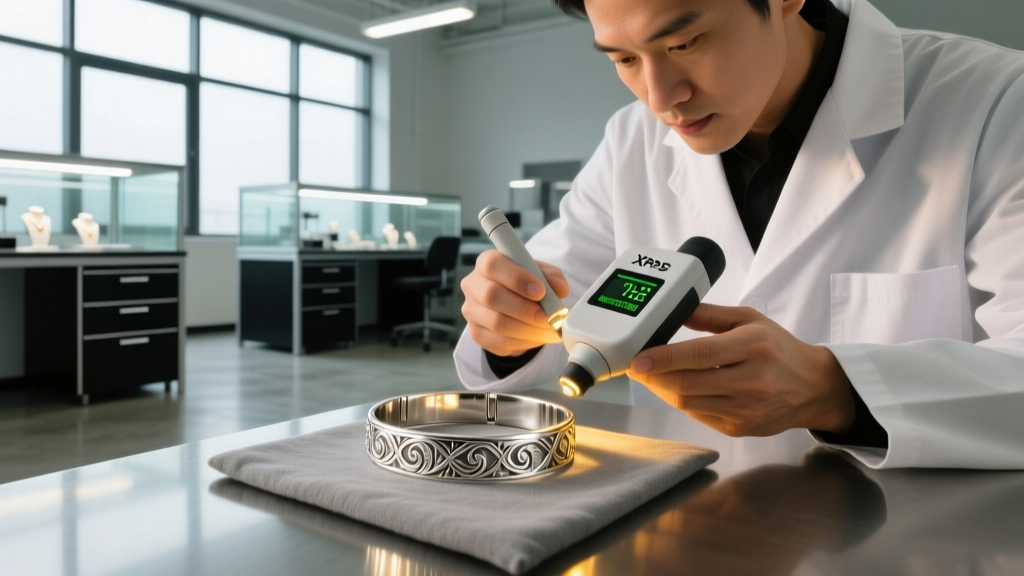
For absolute certainty regarding the gold micron thickness, professional jewelers use XRF (X-ray Fluorescence) spectrometers. This device shoots X-rays into the metal and reads the exact elemental breakdown and layer thickness in seconds without leaving a mark.
Final Verdict: When to Buy 925 Gold and When to Avoid It
Buying 925 gold jewelry is an excellent strategy for acquiring large, heavy statement pieces—such as chunky signet rings or thick chain necklaces—that would be prohibitively expensive in solid gold. It allows you to enjoy the rich aesthetic of 18k yellow gold or the subtle hue of rose gold at a fraction of the cost. However, it is a poor choice for heirloom pieces, wedding bands, or jewelry intended for 24/7 wear, particularly in humid climates or for individuals with highly acidic skin chemistry. Approach your purchase with a clear understanding of the materials, demand transparency regarding micron thickness from the seller, and price your expectations accordingly.


