Blackened Gold Jewelry Value: Cost, Durability, and Investment Guide
Discover if blackened gold jewelry holds its value. We analyze costs, durability of black rhodium finishes, and long-term investment potential.

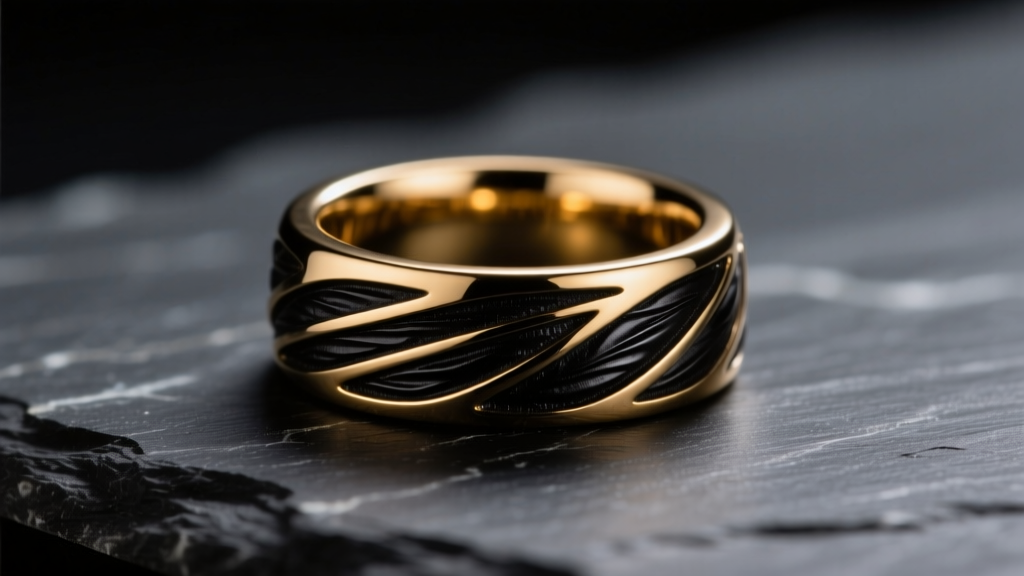
Blackened gold jewelry has surged in popularity, offering a moody, avant-garde alternative to traditional yellow, white, and rose gold. However, when evaluating blackened gold jewelry from a budget and value assessment perspective, buyers must separate aesthetic appeal from intrinsic financial worth. Unlike standard gold alloys where the color is consistent throughout the metal, blackened gold is almost always a surface treatment. This fundamental reality dictates its cost, durability, and ultimate resale value.
In this comprehensive guide, we break down the true cost of ownership, the science behind black gold finishes, and whether this striking jewelry style deserves a spot in your long-term collection or if it is merely a depreciating fashion expense.
The Anatomy of Blackened Gold: What Are You Actually Buying?
To assess value, you must first understand the manufacturing process. Pure 24k gold cannot be naturally alloyed to turn black. When you purchase blackened gold jewelry, you are buying a standard gold base (usually 10k, 14k, or 18k) that has undergone a secondary surface treatment. According to the Gemological Institute of America (GIA), gold alloys derive their color from mixed metals like copper, silver, and zinc, but achieving a true black requires external intervention.
There are three primary methods used to create black gold:
- Black Rhodium Plating: The most common method. Rhodium, a precious platinum-group metal, is mixed with darkening agents and electroplated onto the gold surface.
- Black Ruthenium Plating: Ruthenium is harder than rhodium and naturally darker. It offers a slightly more durable, gunmetal-black finish.
- Chemical Oxidation (Patina):strong> Often used on textured or engraved pieces, chemicals like liver of sulfur are applied to darken the recessed areas of the gold, creating high-contrast antiquing rather than a solid black surface.
Cost vs. Value: Pricing Tiers and Market Reality
When budgeting for blackened gold jewelry, prices vary wildly based on the base metal's karat weight and the quality of the blackening process. A common pitfall for budget-conscious buyers is confusing gold vermeil (heavily plated sterling silver) with solid blackened gold. Below is a breakdown of what you should expect to pay in the current market.
| Jewelry Category | Base Material | Black Finish Type | Typical Price Range | Intrinsic Melt Value |
|---|---|---|---|---|
| Fashion / Entry-Level | Brass or Copper | PVD Coating / Paint | $30 - $90 | $0 |
| Vermeil / Demi-Fine | 925 Sterling Silver | Black Rhodium Flash | $80 - $250 | Low (Silver value) |
| Solid 10k / 14k | 10k or 14k Gold | Heavy Black Rhodium | $300 - $800 | Moderate |
| Luxury / Fine | 18k Gold | Ruthenium / Oxidation | $1,200 - $5,000+ | High |
From a strict value assessment standpoint, paying a massive premium for designer blackened gold is risky. You are paying for the labor of the plating process and the brand name, neither of which holds value on the secondary market.
Durability and the Micron Factor: Where Value Depreciates
The single biggest threat to the value of blackened gold jewelry is wear and tear. Unlike yellow gold, which can be polished endlessly without losing its color, black rhodium and ruthenium plating will eventually wear away, revealing the bright yellow or white gold underneath.
Understanding Plating Thickness
When assessing a piece's durability, you must inquire about the plating thickness, measured in microns. Many mass-market brands use "flash plating," which is less than 0.1 microns thick. This will wear off in a matter of weeks with daily friction. For a piece to hold its aesthetic value and withstand daily wear, the black rhodium layer must be at least 0.5 to 1.0 microns thick. High-end jewelers may apply up to 2.0 microns, significantly extending the lifespan of the dark finish.
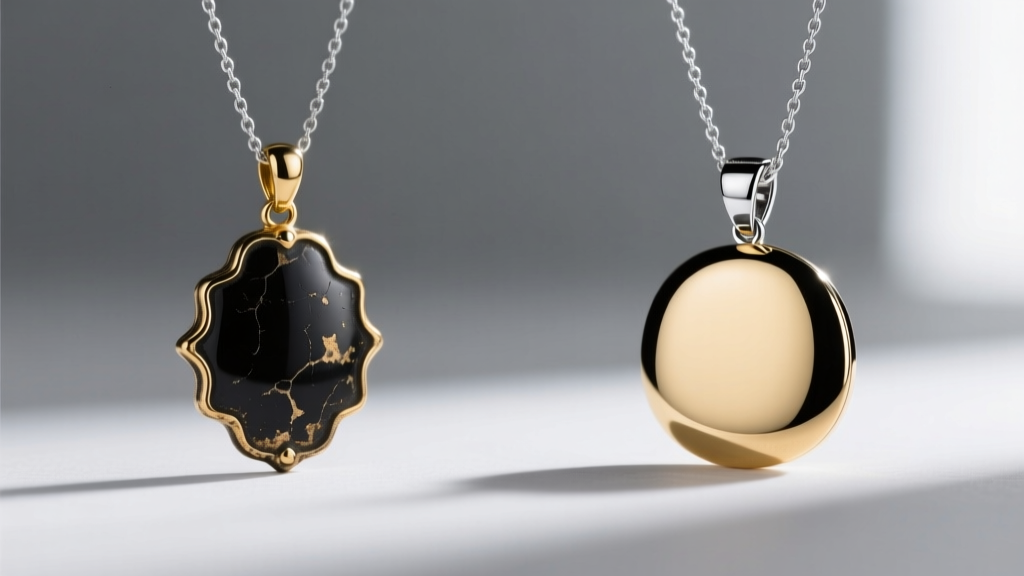
Rings and bracelets endure high friction and will require re-plating every 6 to 18 months. Earrings and pendants, which experience minimal contact with skin oils and surfaces, can retain their blackened finish for 5 to 10 years.
Resale Value: The Melt Reality
If you are buying blackened gold jewelry as a financial investment, you are making a critical error. The secondary market for jewelry generally values pieces based on their raw material weight (melt value) and the presence of high-quality gemstones. The black finish adds absolutely zero intrinsic value to the gold.
"When appraising blackened or rhodium-plated gold for resale or estate liquidation, the appraiser calculates the scrap value of the underlying gold alloy. The cost of the chemical treatments, plating, and specialized finishing is entirely lost the moment the piece leaves the retail showcase."
Furthermore, if you attempt to sell a blackened gold piece to a private buyer, they will immediately factor in the cost of re-plating or stripping the finish. A 14k gold ring that retailed for $600 with a black rhodium finish will likely only fetch its raw gold melt value—perhaps $180 to $250, depending on current spot prices and the ring's weight.
Budget Framework: Maintenance Costs to Factor In
Owning blackened gold jewelry is not a one-time purchase; it is a maintenance commitment. To accurately assess if this jewelry fits your budget, you must factor in the long-term upkeep costs. The Jewelers of America recommends professional cleaning and inspection for plated jewelry, but blackened pieces require specialized care.
The Re-Plating Expense
When the black finish inevitably fades on high-friction areas like ring bands, you will need to have the piece re-dipped.
- Standard Re-plating (Rings/Pendants): $45 to $85 per session.
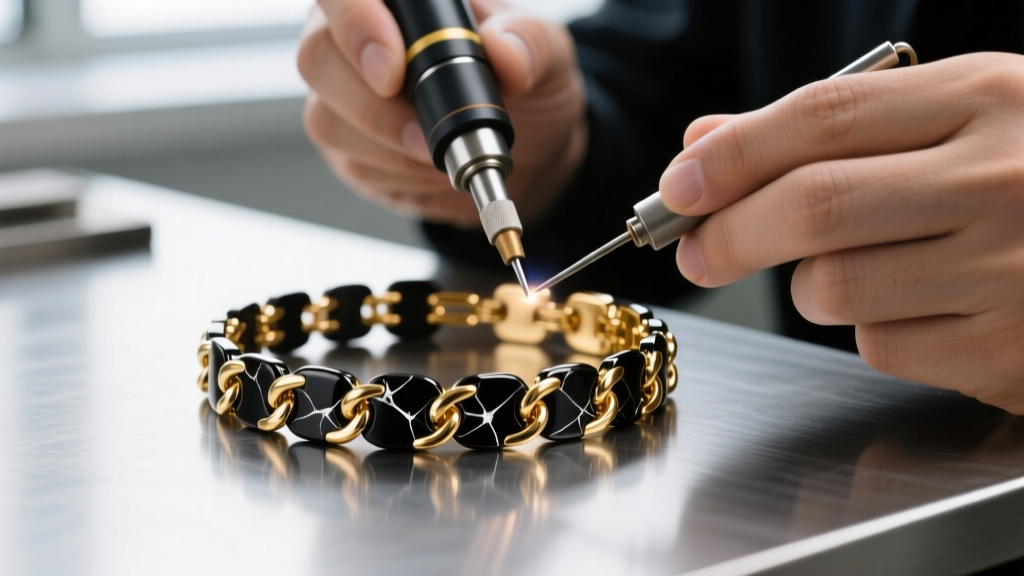
- Complex Re-plating (Chain links/Textured cuffs): $100 to $175, as the jeweler must carefully mask off certain areas or ensure the darkening agent settles correctly into engravings.
- Stripping and Re-finishing: If you decide you no longer want the black finish, a jeweler will charge $50 to $120 to chemically strip the rhodium and re-polish the raw gold.
At-Home Care and Prevention
To protect your budget and delay re-plating costs, you must alter how you wear and store these pieces. Never use ultrasonic cleaners or harsh chemical dips (like silver polishing liquids) on blackened gold. These will strip the rhodium instantly. Instead, use a mild dish soap, lukewarm water, and a microfiber cloth. Store blackened gold pieces individually in soft anti-tarnish pouches to prevent the black finish from scratching against harder gemstones or other metal jewelry.
The Final Verdict: Is Blackened Gold Worth It?
From a strict financial investment perspective, blackened gold jewelry fails the value assessment test. The aesthetic premium you pay at retail is unrecoverable, and the ongoing maintenance costs further erode its lifetime value. However, from a budget and wearable art perspective, it holds immense value if purchased correctly. If you buy solid 14k or 18k gold with a heavy (1.0+ micron) black rhodium or ruthenium finish, and you budget $50 a year for re-plating, you are investing in a highly unique, customizable piece of jewelry that stands out in a sea of traditional yellow gold. For the budget-conscious buyer, the smartest play is to purchase blackened gold pendants or earrings, where friction is minimal, allowing you to enjoy the striking gothic aesthetic for decades without the recurring tax of constant re-plating.


