How to Authenticate and Restore Vintage 12k Gold Jewelry
Learn how to identify, authenticate, and safely clean vintage 12k gold jewelry with our step-by-step guide for collectors and antique buyers.

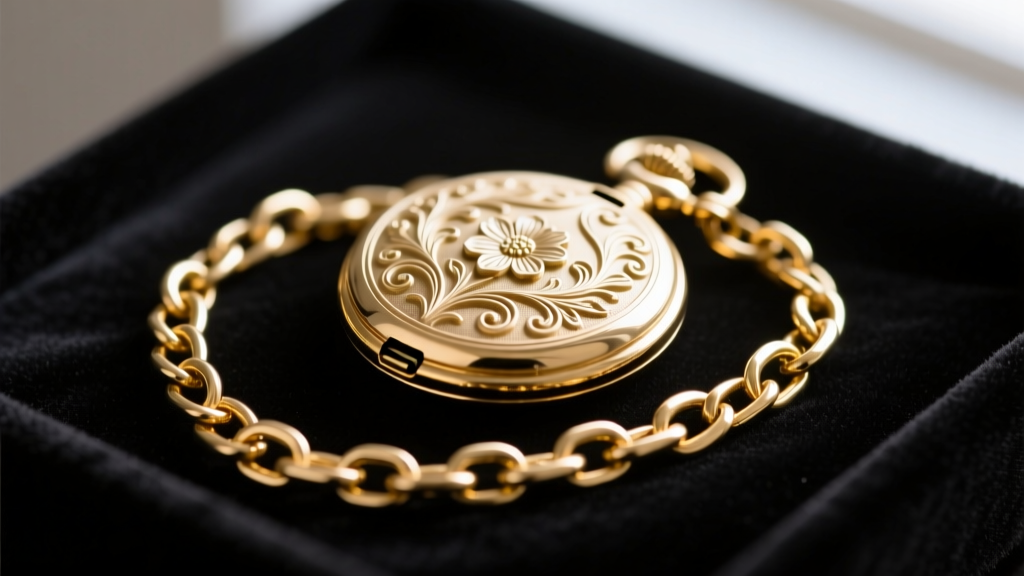
For modern jewelry shoppers, the karat scale usually begins at 10k and peaks at 24k, with 14k and 18k dominating the market. However, estate sale hunters, antique collectors, and horology enthusiasts frequently encounter a fascinating middle ground: 12k gold jewelry. Comprising exactly 50% pure gold and 50% alloy metals, 12k gold (often stamped as 500 or 0.500) occupies a unique space in jewelry history. It was heavily favored in the 19th and early 20th centuries for items requiring extreme durability, such as pocket watch cases, mourning jewelry, and intricate filigree brooches.
If you have inherited a piece or are looking to purchase antique 12k gold jewelry, verifying its authenticity and understanding how to care for it requires specialized knowledge. This comprehensive, step-by-step guide will walk you through the metallurgy, authentication protocols, and preservation techniques necessary to maintain these historical treasures.
The Unique Metallurgy of 12k Gold
Before attempting to authenticate or clean any piece, it is crucial to understand what you are handling. According to the Gemological Institute of America (GIA), the karat system divides pure gold into 24 parts. Therefore, 12k gold is exactly 12 parts gold and 12 parts alloy (usually a mix of copper, silver, and zinc).
This 50/50 split results in a metal that is significantly harder than 14k or 18k gold. On the Vickers hardness scale, 12k gold scores higher, making it highly resistant to the daily friction that would quickly wear down higher-karat pieces. This is precisely why early American and European watchmakers utilized 12k gold for pocket watch cases—it could withstand years of rubbing against wool vests and denim without thinning. Visually, 12k gold possesses a distinct, pale champagne or soft butter-yellow hue, lacking the deep, rich saturation of 22k or 24k gold due to the high concentration of copper and silver alloys.
Step-by-Step Guide to Authenticating 12k Gold
Because 12k gold is relatively rare in contemporary fine jewelry, it is a prime target for misrepresentation. Unscrupulous sellers may pass off heavily plated brass or 10k gold as vintage 12k. Follow these steps to verify your piece.
Step 1: Hallmark and Stamp Verification
The first line of defense is a visual inspection using a 10x or 20x jeweler’s loupe. The Federal Trade Commission (FTC) Jewelry Guides outline strict rules for precious metal stamping, but antique pieces often predate modern enforcement. Look for the following stamps in hidden areas (inside ring shanks, on watch case lips, or near brooch C-clasps):
- 12K or 12kt: The most straightforward indicator, though less common in European antiques.
- 500 or 0.500: The millesimal fineness mark indicating 500 parts per thousand of pure gold. This is highly common in vintage European and South American pieces.
- Maker’s Marks: Look for accompanying assay marks, such as a crown, an eagle, or a specific manufacturer’s stamp, which can help date the piece and confirm its origin.
Note: The presence of a stamp does not guarantee authenticity, as modern counterfeiters can easily replicate hallmarks. Proceed to physical testing.
Step 2: The Magnet and Density Checks
Gold is diamagnetic, meaning it is not attracted to magnets. Pass a strong neodymium magnet over the piece. If the chain clasp or ring shank pulls toward the magnet, the core is likely steel or iron, indicating a gold-plated fake. (Note: Some vintage watch cases contain steel inner dust covers; test only the outer decorative casing).
Step 3: The Acid Test Protocol for 500 Gold
The most reliable at-home method for testing 12k gold jewelry is the nitric acid scratch test. You will need a standard jeweler’s acid test kit and a black testing stone.
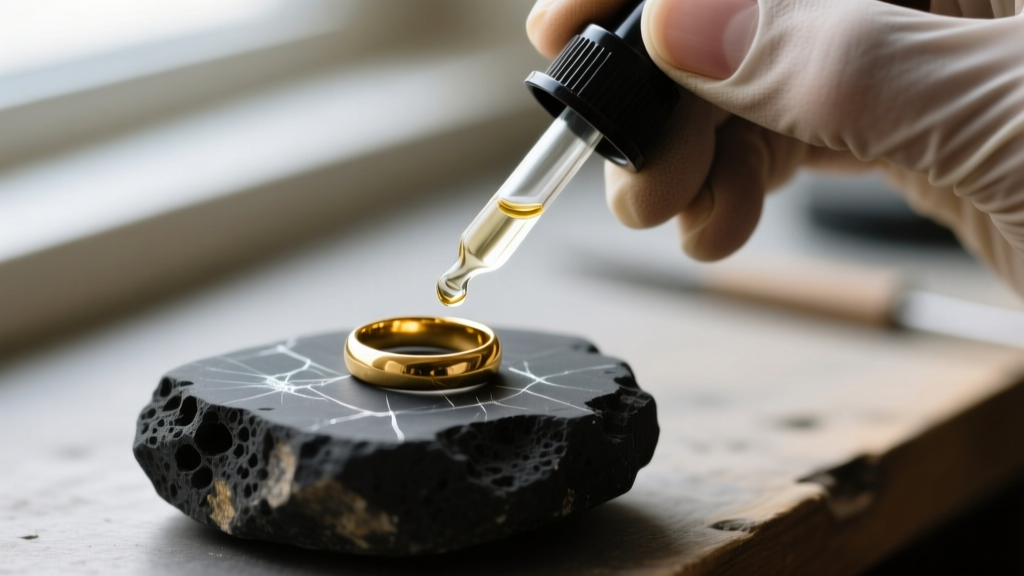
- Prepare the Stone: Rub a discreet, unpolished edge of the jewelry against the black testing stone to leave a visible metallic streak. Ensure you scratch deeply enough to bypass any potential surface plating.
- Apply 10k Acid: Place a drop of 10k testing acid (calibrated for 41.7% gold) on the streak. If the streak remains bright and shiny, the metal is at least 10k. If it dissolves immediately, it is base metal.
- Apply 14k Acid: Wipe the stone clean, make a new streak, and apply 14k testing acid (calibrated for 58.5% gold). Because 12k gold is only 50% pure, the 14k acid will cause a mild chemical reaction. The streak will not dissolve completely like brass, but it will turn a dark, milky brown or slowly fizz. This specific ‘brown streak’ reaction is the hallmark indicator of 12k or 13k gold.
Professional Insight: If the acid turns green and fizzes aggressively, the piece is gold-plated brass or copper. If the streak disappears entirely without a brown residue, it is likely silver or a lower-karat white gold alloy.
How 12k Gold Compares to Standard Karats
To understand where your 12k gold jewelry fits into the broader market, review the comparative data below. This table highlights the mechanical and historical differences between common gold purities.
| Karat | Gold % | Alloy % | Vickers Hardness (Approx) | Common Era / Primary Use |
|---|---|---|---|---|
| 10k | 41.7% | 58.3% | ~135 HV | Modern budget jewelry, class rings |
| 12k | 50.0% | 50.0% | ~115 HV | Victorian/Edwardian watch cases, mourning jewelry |
| 14k | 58.5% | 41.5% | ~100 HV | Standard US fine jewelry, engagement rings |
| 18k | 75.0% | 25.0% | ~80 HV | High-end modern jewelry, European vintage |
Step-by-Step Cleaning and Patina Preservation
Cleaning antique 12k gold jewelry requires a delicate touch. Unlike modern, high-polish 18k gold, vintage 12k pieces often feature a dark, oxidized patina in their crevices. This patina provides visual contrast to intricate engravings and proves the item’s age. Stripping it away can severely diminish the piece’s historical and monetary value.
The Safe Soak Method
For general grime, skin oils, and dust, avoid commercial jewelry dips and ultrasonic cleaners. Ultrasonic waves can shatter porous antique gemstones commonly set in 12k pieces, such as opals, turquoise, and emeralds.
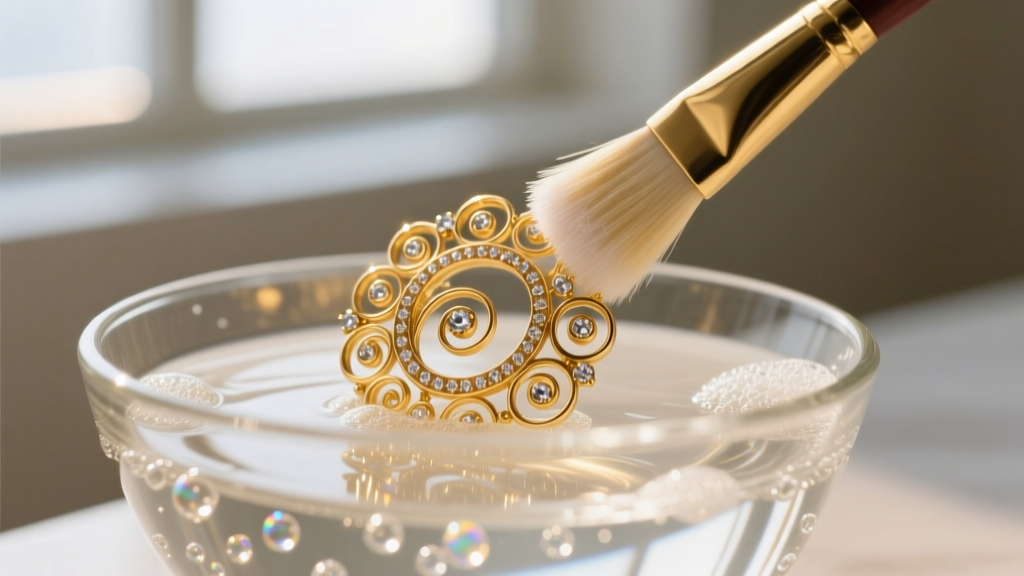
- Mix the Solution: Combine 1 cup of lukewarm distilled water with 3 drops of mild, phosphate-free dish soap (such as Dawn) in a glass bowl.
- Soak: Submerge the 12k gold jewelry for exactly 5 to 10 minutes. Do not exceed this time, especially if the piece features pearl or coral accents, which are highly sensitive to prolonged moisture.
- Agitate Gently: Using a brand-new, ultra-soft baby toothbrush, gently sweep the bristles across the surface. Focus on the backs of settings and chain links where lotion accumulates. Never scrub the face of an engraving aggressively.
- Rinse and Dry: Rinse under a gentle stream of lukewarm water. Pat dry with a lint-free microfiber cloth, and allow it to air dry completely in a warm room before storing.
Polishing Without Stripping History
If the high points of the jewelry have become dull, use a treated jeweler’s polishing cloth (like a Sunshine cloth). Gently wipe only the raised, flat surfaces of the metal. Avoid pressing the cloth into the recessed filigree or engraved lines. This technique restores the champagne luster of the 12k gold while leaving the dark, oxidized antiquing intact, preserving the three-dimensional depth of the antique craftsmanship.
When to Seek Professional XRF Testing
While acid testing is highly effective, it is inherently destructive on a microscopic level. If you possess a museum-quality piece of 12k gold jewelry, a rare signed antique watch case, or an item with complex solder joints (which may use lower-karat gold solder and skew acid test results), it is best to seek non-destructive professional verification.
Reputable jewelers and estate appraisers utilize X-Ray Fluorescence (XRF) spectrometers. An XRF gun fires X-rays into the metal and measures the fluorescent energy that bounces back, providing an exact, to-the-decimal breakdown of the gold, copper, silver, and zinc content without leaving a single scratch. For high-value estate acquisitions, the $50 to $100 fee for an XRF test is a vital investment in peace of mind.
By understanding the unique 50/50 metallurgy of 12k gold, employing careful acid testing protocols, and utilizing conservative cleaning methods, you can ensure that these remarkable artifacts of jewelry history remain pristine for the next generation of collectors.


