Gold Jewelry Care Costs: Budgeting for Long-Term Value
Discover the real costs of gold jewelry care. Compare DIY vs professional cleaning budgets and learn how maintenance protects your investment's resale value.

The Hidden Economics of Gold Jewelry Care
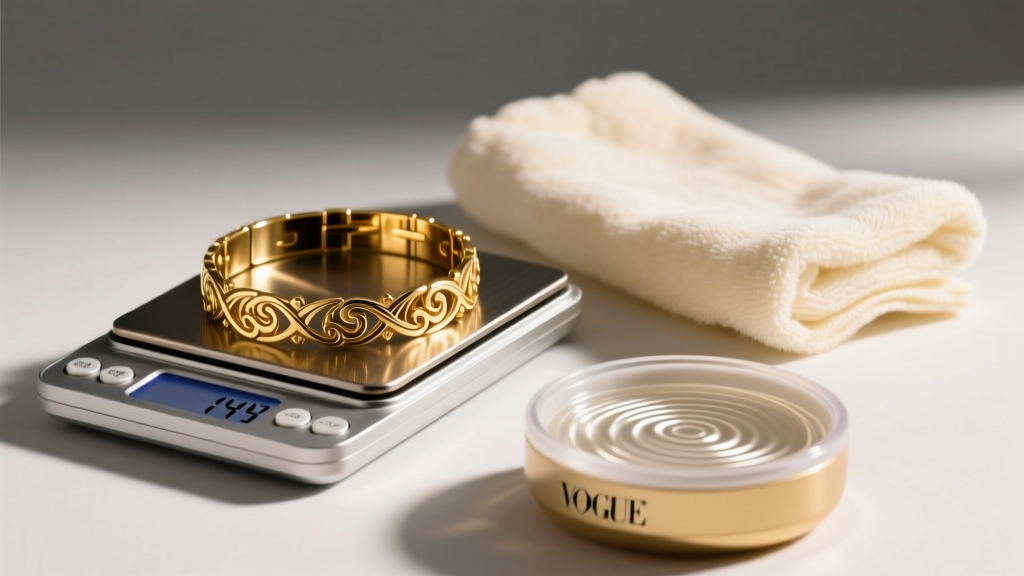
When consumers purchase solid gold jewelry, they are often focused on the upfront cost per gram, the current spot price of gold, and the aesthetic appeal of the piece. However, gold is not merely an accessory; it is a tangible financial asset. Like any asset, its long-term value retention is directly tied to how it is maintained. Proper gold jewelry care is not just about keeping a piece shiny—it is a calculated financial strategy to prevent structural degradation, minimize weight loss, and maximize eventual resale or appraisal value.
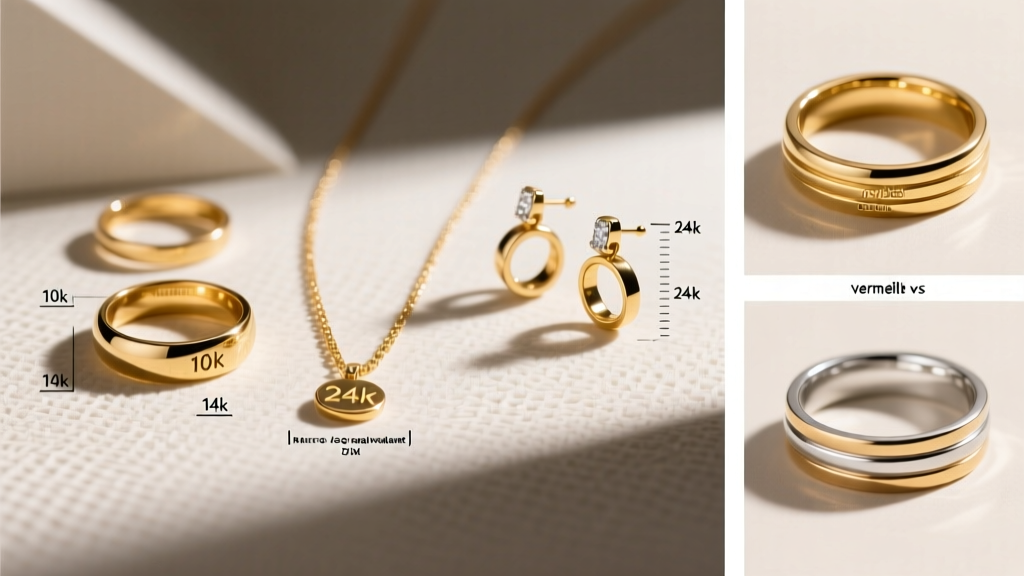
Many buyers fail to account for the 'maintenance tax' associated with different gold colors and karats. A 14k white gold ring, for instance, carries a significantly higher long-term care cost than an 18k yellow gold band. In this comprehensive value assessment, we break down the exact costs of DIY versus professional maintenance, the hidden metallurgical risks of improper care, and how to build a realistic 5-year care budget to protect your precious metal investments.
DIY vs. Professional Cleaning: A Cost-Benefit Breakdown
The first decision in any gold jewelry care strategy is determining which tasks can be safely handled at home and which require a professional bench jeweler. Over-cleaning or using the wrong DIY methods can actually accelerate depreciation by removing microscopic layers of gold or loosening stone settings.
| Care Method | Upfront / Per-Use Cost | Risk to Gold Value | Best Application |
|---|---|---|---|
| Mild Soap & Microfiber | $3 - $8 (Ongoing) | Zero (Safest) | Weekly maintenance for all karats |
| At-Home Ultrasonic Cleaner | $35 - $60 (Upfront) | Moderate (Vibration can loosen prongs) | Solid gold chains and bands without porous gems |
| Jewelry Polishing Cloths | $10 - $15 (Upfront) | Low (Mild abrasive action) | Monthly tarnish removal for lower karats (10k/14k) |
| Professional Steam Cleaning | $0 - $25 (Per visit) | Zero (When done by a pro) | Deep cleaning before appraisal or resale |
| Professional Rhodium Plating | $35 - $65 (Per visit) | N/A (Restores white gold value) | White gold pieces every 12-18 months |
The True Cost of DIY Gold Jewelry Care Solutions
For routine maintenance, the most cost-effective and safest method recommended by the Gemological Institute of America (GIA) is a simple solution of warm water and a few drops of mild, phosphate-free dish soap. The financial outlay here is negligible. However, where DIY budgets often go wrong is in the purchase of commercial 'gold dipping' solutions. These harsh chemical baths often contain thiourea or sulfuric acid derivatives that can strip the alloyed metals (copper, zinc, nickel) from 10k and 14k gold, leaving a porous, brittle surface that drastically reduces the structural integrity and melt value of the piece.
When to Pay for Professional Gold Jewelry Care
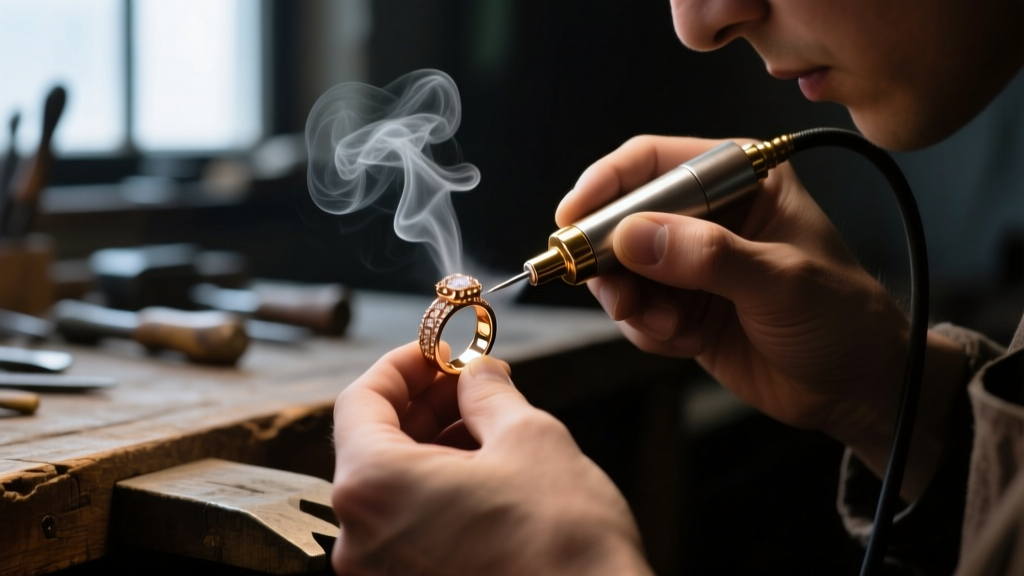
While you should never pay a jeweler for a basic ultrasonic bath (most reputable local jewelers offer this for free as a customer retention tool), you must budget for professional structural inspections. According to the American Gem Society (AGS), prong wear is the leading cause of gemstone loss in gold settings. A professional jeweler will use a 10x loupe to check for gallery wire fatigue and prong thinning. Retipping a single worn 14k or 18k gold prong typically costs between $25 and $45. Paying $40 today prevents the loss of a $2,000 diamond tomorrow—a fundamental rule of jewelry value preservation.
The 'White Gold Tax': A Hidden Maintenance Cost
From a purely financial perspective, yellow and rose gold are vastly superior to white gold for budget-conscious collectors. White gold is not naturally white; it is an alloy of yellow gold mixed with white metals like nickel, palladium, or silver, and then plated with rhodium (a platinum-group metal) to achieve a mirror-like, silvery finish.
Rhodium wears off. Depending on the wearer's skin pH and friction, the plating will degrade in 12 to 18 months, revealing the yellowish-grey alloy beneath. Re-rhodium plating costs between $35 and $65 per ring. Over a 10-year period, maintaining a single white gold engagement ring will cost you an additional $300 to $500 in plating fees. Yellow and rose gold, by contrast, require $0 in surface plating. If your goal is strict budget optimization and maximum value retention, 14k or 18k yellow gold is the undisputed winner.
Metallurgical Mistakes That Destroy Gold Value
Improper gold jewelry care doesn't just make a piece look bad; it can chemically destroy the metal. The most catastrophic and common error is exposing gold alloys to chlorine.
Stress Corrosion Cracking (SCC)
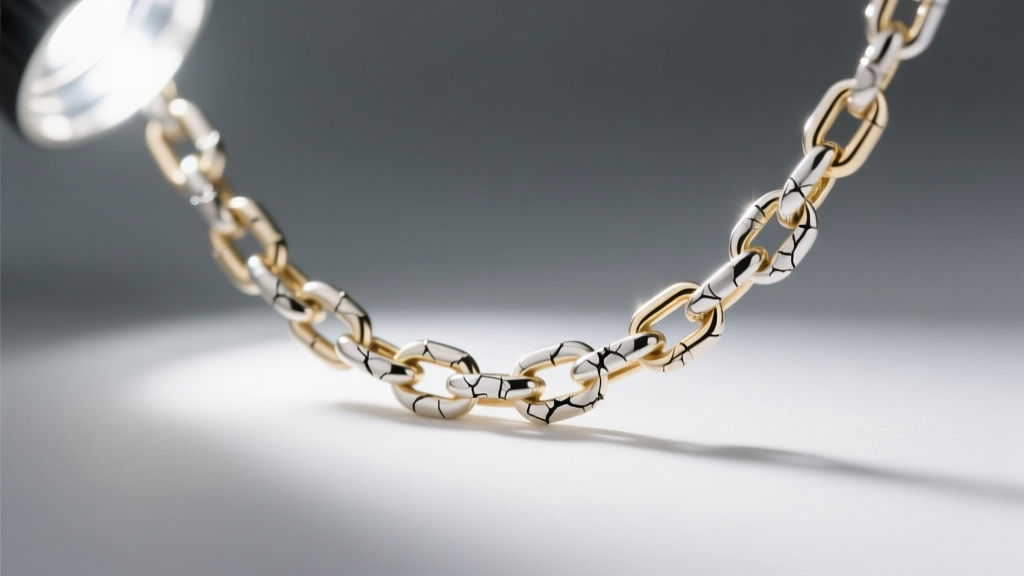
Pure 24k gold is highly resistant to chemical corrosion. However, jewelry is rarely made of pure gold. 14k gold is 58.3% gold and 41.7% alloy metals (copper, silver, zinc). 18k gold is 75% gold. When these alloy metals are exposed to chlorine (found in swimming pools, hot tubs, and household bleach), a chemical reaction occurs that leads to Stress Corrosion Cracking (SCC). The chlorine attacks the copper and zinc at the microscopic level, particularly at high-stress areas like solder joints or the bottom of a ring shank. The gold essentially turns into a brittle sponge and snaps without warning.
Repairing a chain or ring that has suffered SCC is notoriously difficult. Standard laser soldering may cost $50 to $90, but the structural integrity is permanently compromised, and the piece will often break again adjacent to the repair. This damage is entirely preventable and instantly tanks the resale value of the item.
The Danger of Over-Polishing
Another critical value assessment involves surface polishing. Every time a gold ring is professionally polished using a high-speed buffing wheel and rouge compound, a microscopic layer of gold is removed. We are talking about 0.01 to 0.05 millimeters per polish. While this restores the mirror finish, doing it more than once or twice a year will noticeably reduce the physical weight of the gold. For heavy investment pieces or vintage gold chains valued by their melt weight, aggressive over-polishing literally rubs your financial investment away into the jeweler's dust collector.
The 5-Year Gold Jewelry Care Budget Framework
To treat your gold jewelry as a true asset portfolio, implement this predictable 5-year maintenance budget. This framework assumes a standard collection of solid 14k or 18k gold pieces (rings, chains, and bracelets) without complex gemstone pavé settings.
- Year 1: The Foundation ($55) - Purchase a high-quality untreated microfiber cloth ($15), a soft-bristled baby toothbrush ($3), and a dedicated, gentle liquid jewelry soap ($12). Invest in a basic, non-heated at-home ultrasonic cleaner ($25) for solid chains and plain bands only.
- Year 2: Routine Maintenance ($0) - Rely entirely on your DIY setup. Weekly soap soaks and monthly microfiber buffing will keep the gold lustrous without removing metal weight.
- Year 3: Professional Audit ($45 - $110) - Take all worn rings to a certified bench jeweler for a structural audit. Budget for one prong retipping ($35) or, if you own white gold, a rhodium re-plating ($65). Have the jeweler check all chain clasps and jump rings for metal fatigue.
- Year 4: Deep Sanitation ($0) - Utilize the complimentary ultrasonic and steam cleaning services offered by your local jeweler when you stop in for their annual inspection.
- Year 5: Appraisal & Value Check ($100 - $150) - Hire an independent, certified gemologist appraiser (not the store you bought it from) to update your insurance replacement valuations. Gold spot prices fluctuate, and ensuring your high-karat pieces are insured at current market replacement value is a vital part of asset management.
'The most expensive mistake a gold owner can make is assuming that because gold is a noble metal, it requires no attention. Gold alloys are dynamic. They react to sweat, cosmetics, and environmental chemicals. A $20 annual maintenance habit protects thousands of dollars in intrinsic and heirloom value.' — Master Bench Jeweler & Appraiser
Final Thoughts on Value Preservation
Effective gold jewelry care is not about buying the most expensive cleaning gadgets; it is about understanding the metallurgy of your specific pieces and mitigating risks. By avoiding harsh chemicals, budgeting for the inevitable maintenance of white gold, and refusing to over-polish your heirlooms, you ensure that your gold retains both its physical weight and its market value for generations to come.