How to Determine the Real Value of Gold Filled Jewelry
Discover the true value of gold filled jewelry. Learn how it compares to solid gold, how to calculate melt worth, and if it's a smart investment.

Understanding the True Value of Gold Filled Jewelry
When building a curated jewelry collection, buyers are often caught between the steep price tags of solid gold and the rapid tarnishing of cheap plated alternatives. Enter gold-filled jewelry: the ultimate middle ground for accessible luxury. But when it comes time to resell, appraise, or simply understand what you own, determining the value of gold filled jewelry can be highly confusing. Is it worth its weight in gold? Will a pawn shop accept it? Does it hold long-term investment value?
To make informed purchasing decisions in 2026 and beyond, you must learn to separate intrinsic melt value from practical wear value. This beginner-friendly explainer will break down the exact science, legal standards, and financial realities of gold-filled pieces so you know exactly what you are paying for.
What Exactly is Gold-Filled Jewelry?
Unlike gold-plated jewelry, which is created by flashing a microscopic layer of gold over a base metal using an electrical current, gold-filled jewelry is constructed through a rigorous mechanical bonding process. A thick outer layer of solid karat gold is bonded to a core of jeweler's brass (or sometimes sterling silver) using extreme heat and pressure.
According to the Federal Trade Commission (FTC) Jewelry Guides, a piece can only be legally stamped and sold as 'gold-filled' if the gold layer constitutes at least 1/20th (or 5%) of the total weight of the metal in the item.
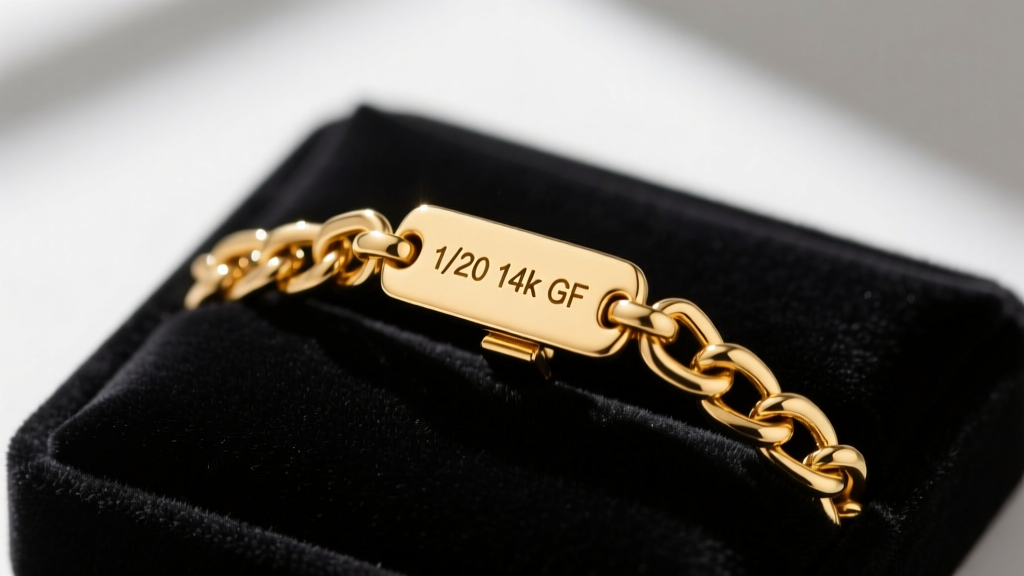
You will typically see these pieces stamped with markings like 1/20 14k GF or 1/20 12k GF. This strict legal threshold ensures that the gold layer is thick enough—usually between 5 to 10 microns—to withstand decades of daily wear without flaking, peeling, or exposing the brass core beneath.
Intrinsic Melt Value vs. Everyday Wear Value
The biggest mistake beginners make when assessing the value of gold filled jewelry is taking it to a pawn shop or scrap yard expecting a massive payout. To understand why, we have to look at the two distinct types of value.
Why Melt Value is Deceptive
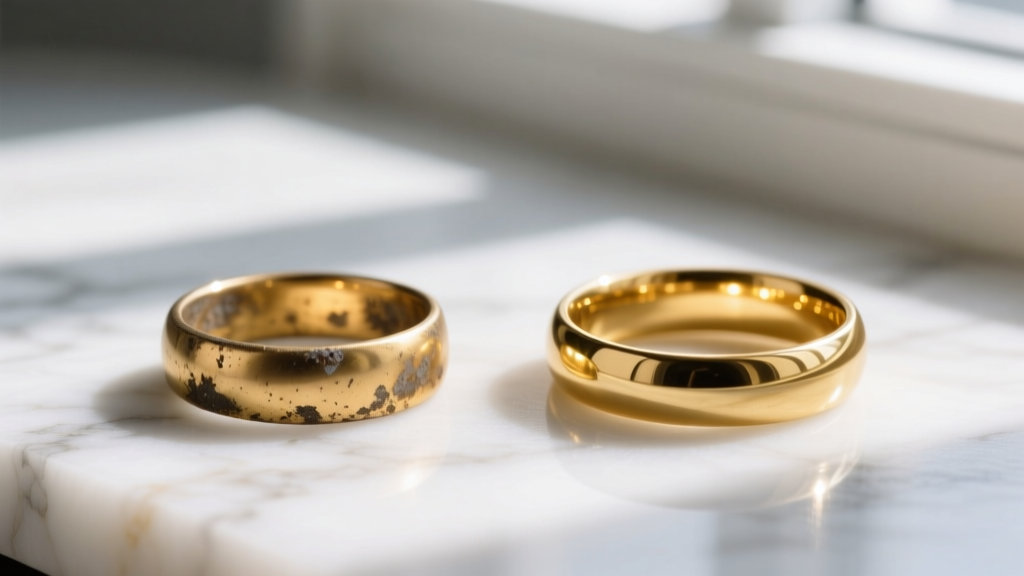
Intrinsic value refers to the raw market price of the precious metals contained within the piece. Because gold-filled items are 95% brass by weight, their scrap value is surprisingly low. Refineries must use chemical processes (like acid stripping or electrolysis) to separate the thin gold layer from the brass core, which costs money. Consequently, many scrap buyers will simply refuse to buy gold-filled jewelry, or they will offer pennies on the dollar compared to solid gold.
The Real ROI: Cost-Per-Wear
The true value of gold-filled jewelry lies in its utility and longevity. A high-quality 14k gold-filled chain might cost $60 to $120 upfront. A solid 14k gold chain of the same gauge and length will cost $800 to $1,500+. However, the gold-filled chain will easily last 10 to 30 years with proper care, whereas a $20 gold-plated chain will tarnish and turn your skin green within three months of daily wear. When you calculate the cost-per-wear, gold-filled jewelry offers an exceptional return on investment for fashion and daily styling.
Gold Filled vs. Plated vs. Vermeil: A Value Comparison
To contextualize where gold-filled jewelry sits in the market, it helps to compare it directly against other common gold alternatives. The table below outlines the material composition, average lifespan, and resale realities of each type.
| Jewelry Type | Composition & Thickness | Lifespan (Daily Wear) | Resale / Scrap Value |
|---|---|---|---|
| Solid Gold (14k/18k) | 100% Gold Alloy | Lifetime (100+ years) | High (Pays out based on spot gold price) |
| Gold Filled (GF) | 5% Solid Gold bonded to Brass | 10 to 30 years | Very Low (Often rejected by pawn shops) |
| Gold Vermeil | 2.5 Microns Gold over Sterling Silver | 2 to 5 years | Low/Medium (Melt value comes from silver core) |
| Gold Plated (GP) | 0.05 Microns Gold over Brass/Copper | 3 to 6 months | None (Zero precious metal recovery) |
As noted by the Gemological Institute of America (GIA), understanding the base metal and the thickness of the gold layer is the only reliable way to gauge how a piece will age over time. Vermeil offers a great alternative for those with brass allergies, but gold-filled remains the undisputed king of durability in the non-solid category.
How to Calculate the Scrap Value of Gold Filled Jewelry
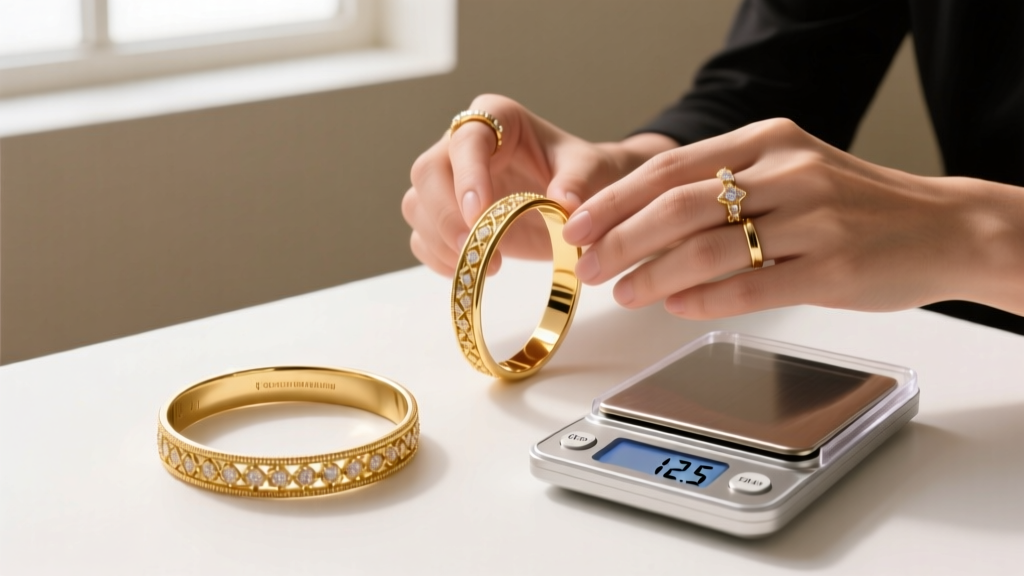
If you are curious about the exact mathematical melt value of a gold-filled piece, you can calculate it at home using a digital jewelry scale and the current spot price of gold. Here is the step-by-step framework:
- Step 1: Weigh the Item. Let's assume you have a 1/20 14k GF bangle that weighs exactly 15.0 grams.
- Step 2: Isolate the Gold Weight. Multiply the total weight by 0.05 (the 1/20th FTC requirement). 15.0g × 0.05 = 0.75 grams of 14k gold.
- Step 3: Calculate Pure Gold Content. 14k gold is only 58.3% pure gold. Multiply your gold weight by 0.583. 0.75g × 0.583 = 0.437 grams of pure 24k gold.
- Step 4: Convert to Troy Ounces. The gold market prices metal in troy ounces (31.103 grams per troy oz). Divide your pure gold weight by 31.103. 0.437g ÷ 31.103 = 0.014 troy ounces.
- Step 5: Multiply by Spot Price. If the current spot price of gold is $2,000 per troy ounce, multiply your troy ounces by the spot price. 0.014 × $2,000 = $28.00.
In this scenario, the absolute maximum melt value of a 15-gram bangle is $28.00. Because refineries need to make a profit and cover the chemical separation costs, a scrap buyer might only offer you 30% to 50% of that number—meaning you would walk away with roughly $8.00 to $14.00. This stark mathematical reality is why gold-filled jewelry should be bought for its beauty and durability, not as a liquid financial asset.
Expert Tips for Buying and Caring for Gold Filled Pieces
To maximize the lifespan and aesthetic value of your gold-filled jewelry, follow these professional care guidelines:
1. Verify the Stamps and Sourcing
Always look for the 'GF' stamp alongside a karatage marker (e.g., 14k GF). Be highly skeptical of online marketplaces selling '18k Gold Filled' at impossibly low prices. Many overseas manufacturers misuse the term 'gold filled' to describe heavily plated items. Buy from reputable domestic jewelers who source their chain and wire from certified US mills.
2. Avoid Chemical Degradation
While the gold layer itself is highly resistant to tarnish, the brass core is not. If the gold layer is scratched or worn down to the core over a decade of use, exposure to chlorine, salt water, or harsh household cleaners will cause the brass to oxidize rapidly. Remove your jewelry before swimming in pools or using bleach-based cleaning products.
3. Proper Storage and Cleaning
Clean your gold-filled pieces using warm water, a drop of mild dish soap (like Dawn), and a soft baby toothbrush. Rinse thoroughly and dry completely with a microfiber cloth before storing. Keep pieces in individual anti-tarnish pouches to prevent the chains from tangling and scratching one another, which can prematurely wear down the gold layer.
Final Verdict: Is It Worth the Investment?
If your definition of an 'investment' is a tangible asset you can liquidate for cash during an emergency, solid gold or gold bullion is your only option. However, if your definition of value centers on acquiring beautiful, skin-safe, and highly durable accessories that mimic the look of fine jewelry without the exorbitant markup, the value of gold filled jewelry is unmatched. By understanding the FTC regulations, respecting the material limitations, and practicing proper care, you can enjoy your gold-filled collection for decades to come.


