How to Clean and Maintain Delicate Japan Gold Jewelry
Learn expert techniques to clean, store, and maintain your Japan gold jewelry. Protect K18 alloys, Mokume Gane, and delicate filigree from damage.

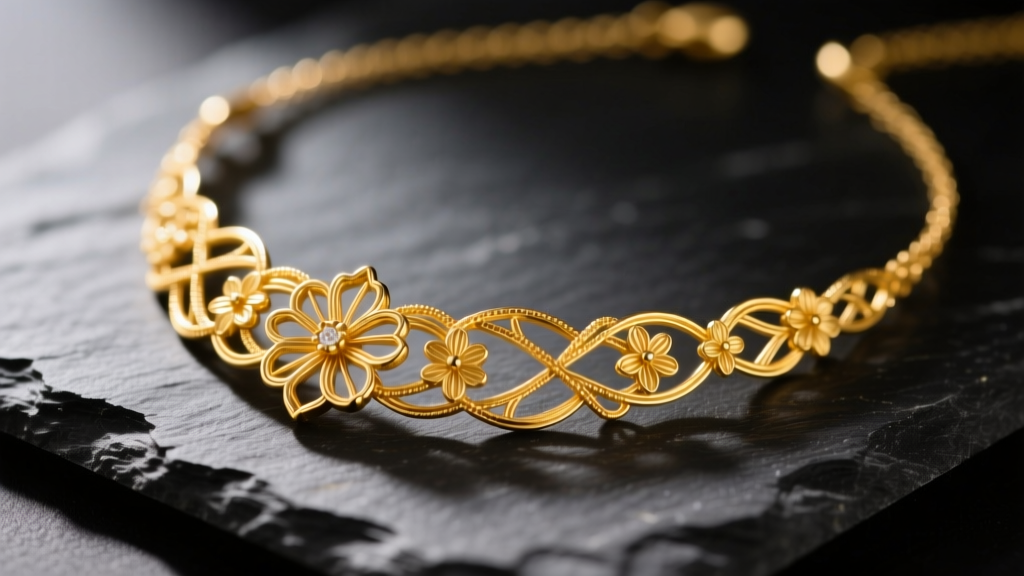
Japanese gold jewelry is renowned worldwide for its meticulous craftsmanship, seamless soldering, and brilliant mirror finishes. From the precision-engineered clasps of K18 chains to the ancient, wood-grain metallurgy of Mokume Gane, pieces originating from Japanese artisans require a highly specific approach to maintenance. Standard commercial cleaning methods can easily damage the delicate filigree, strip intentional oxidation, or cloud the high-polish surfaces that define these masterworks.
Whether you own a minimalist K18 gold band from a Tokyo boutique or an intricate Akoya pearl and gold pendant, understanding the metallurgical nuances of your pieces is the first step in preserving their legacy. This comprehensive guide details the exact protocols for cleaning, wearing, and storing your collection to ensure it remains pristine for generations.
Decoding Japanese Gold Standards and Alloys
To properly care for your pieces, you must first understand the alloys used. In Japan, the undisputed standard for fine jewelry is K18 (18-karat gold), which consists of 75% pure gold and 25% alloy metals. Unlike Western alloys that may lean heavily on nickel or zinc, Japanese K18 yellow gold typically utilizes a precise ratio of silver and copper to achieve a warm, rich hue that resists severe tarnishing while maintaining enough structural integrity for micro-pave and tension settings.
You will also encounter K24 (24-karat pure gold), often used in traditional art pieces, investment jewelry, or hammered bangles. Because K24 is exceptionally soft, it is highly susceptible to micro-scratches and deformation. According to the Gemological Institute of America (GIA), pure gold requires vastly different handling than alloyed gold, as abrasive polishing will rapidly remove metal mass and alter the piece's original silhouette.
Recognizing the Japanese Hallmarks
Authentic Japan gold jewelry will typically bear a stamp reading K18, K24, or occasionally 750 (the millesimal fineness for 18k). Many prestigious Japanese houses also include a microscopic maker's mark or a flag symbol. Identifying these marks confirms the alloy composition, which dictates the chemical cleaners you can safely use.
Environmental Hazards: What to Avoid
The longevity of Japan gold jewelry is frequently compromised not by wear, but by environmental exposure. Japanese culture and geography present unique hazards that owners must navigate.
- The Onsen (Hot Spring) Rule: Never wear gold jewelry into an onsen. The high sulfur content in volcanic hot springs will instantly react with the copper and silver alloys in K18 gold, causing a dark, stubborn tarnish that requires professional polishing to remove.
- Skincare and Cosmetics: Japanese skincare routines often feature heavy emollients, camellia oil (tsubaki), and chemical sunscreens. These leave a microscopic film on gold, dulling the mirror finish and trapping dirt against the skin.
- High Humidity and Tsuyu: If you live in or visit Japan during the tsuyu (rainy season), the extreme ambient humidity can accelerate the oxidation of the copper alloys within K18 rose and yellow gold. Proper storage with desiccants is non-negotiable during these months.
The Master Cleaning Matrix by Jewelry Type
Because Japanese jewelers employ diverse finishing techniques, a one-size-fits-all cleaning solution is a recipe for disaster. Use the matrix below to determine the safest cleaning protocol for your specific piece.
| Jewelry Type / Technique | Primary Material | Recommended Cleaning Agent | Methodology | Frequency |
|---|---|---|---|---|
| Mirror-Polish K18 Chain | 18k Yellow/White Gold | Mild phosphate-free dish soap (e.g., Dawn) | Soak 5 mins, gently agitate, rinse with distilled water, air dry. | Monthly |
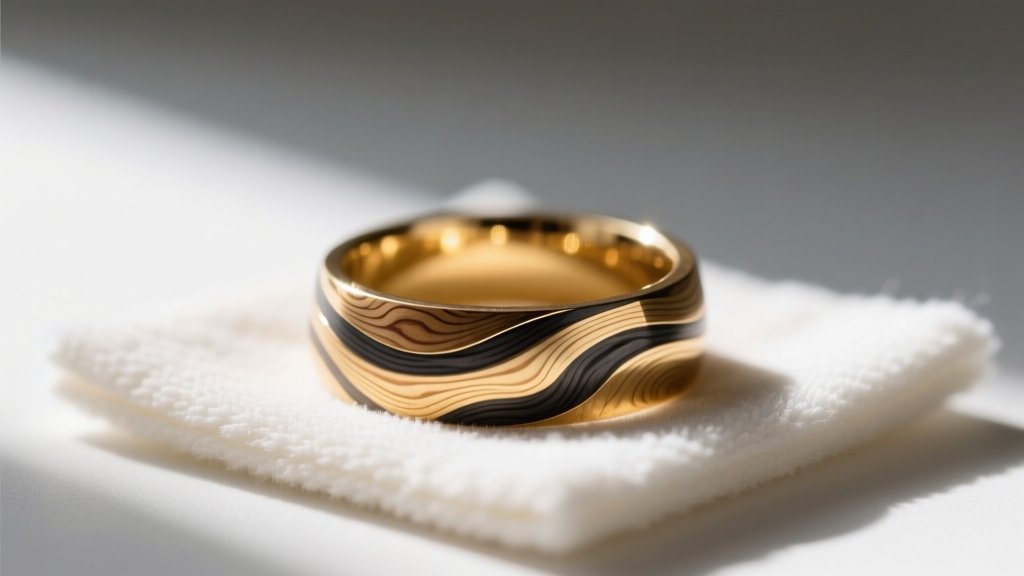
| Mokume Gane Ring | K18 Gold & Silver/Copper Laminates | Dry microfiber cloth only | Gently wipe along the grain. Never soak or use chemical dips. | Weekly |
| Gold & Akoya Pearl Pendant | K18 Gold, Pearl Nacre | Damp cloth (water only) | Wipe gold carefully, avoiding the pearl. Never submerge. | After each wear |
| Hammered K24 Bangle | 24k Pure Gold | Warm distilled water | Rinse gently to remove oils. Pat dry with lint-free cotton. | As needed |
| Shakudo / Shibuichi Accents | Gold, Copper, Silver Alloys | Soft camel-hair brush | Lightly dust. Chemical cleaners will strip the intentional dark patina. | Bi-weekly |
Step-by-Step Cleaning for Standard K18 Pieces
For standard, gemstone-free K18 Japan gold jewelry with high-polish or satin finishes, a gentle aqueous cleaning is the safest method to restore brilliance without scratching the metal.
- Prepare the Solution: Mix a few drops of pH-neutral, phosphate-free liquid soap into a bowl of lukewarm distilled water. Avoid tap water, as the chlorine and fluoride can leave mineral deposits on the gold.
- Soak and Loosen: Submerge the jewelry for exactly 3 to 5 minutes. This softens sebum and cosmetic buildup trapped in intricate links or under gallery wires.
- Agitate Gently: Use an extra-soft baby toothbrush or a specialized jewelry brush with natural bristles. Brush in the direction of any satin or hairline finishes to avoid creating cross-grain scratches.
- The Distilled Rinse: Rinse thoroughly under a slow stream of distilled water.
- Drying Protocol: Never air-dry on a paper towel, as wood fibers can cause micro-marring. Use a 100% cotton flannel cloth or a dedicated microfiber jewelry cloth to pat the piece completely dry.
According to Jewelers of America, using toothpaste or baking soda pastes on gold jewelry is highly discouraged. These substances contain abrasive particles with a Mohs hardness that can easily scratch K18 gold and permanently cloud Japanese mirror finishes.
The Ultrasonic Cleaner Warning
While ultrasonic cleaners are popular for diamond jewelry, they pose a severe threat to many styles of Japan gold jewelry. The high-frequency sound waves create microscopic cavitation bubbles that implode against the metal. This process can easily fracture delicate Japanese granulation work, loosen tension-set stones, and shatter the internal structure of Akoya pearls or opals often paired with Japanese gold designs. Unless explicitly approved by the original artisan, keep your Japan gold jewelry out of ultrasonic tanks.
Advanced Storage Protocols
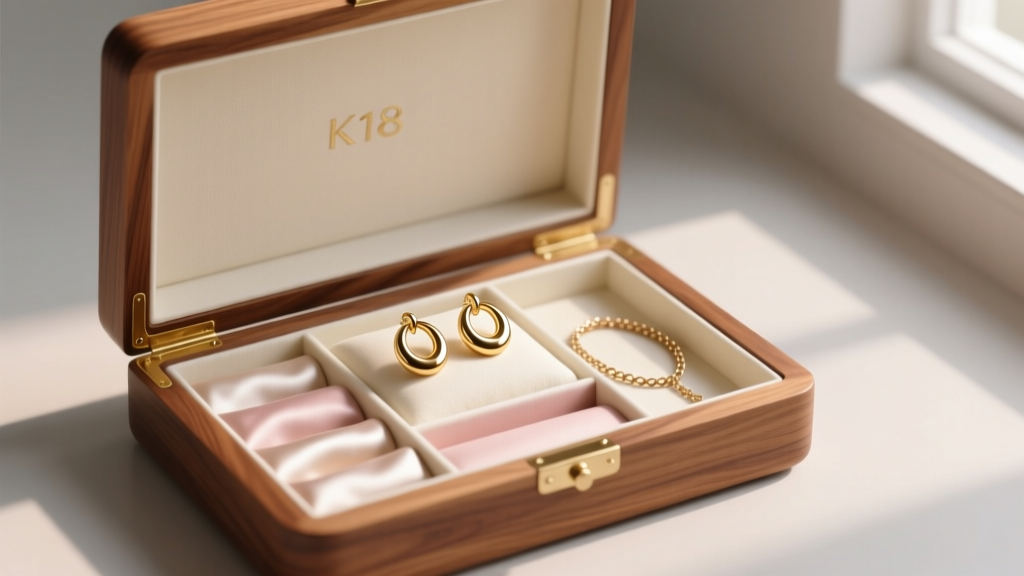
Proper storage is the final pillar of jewelry maintenance. Japanese gold pieces, particularly those featuring mixed-metal techniques like Mokume Gane or Shakudo, require an environment that controls both moisture and friction.
Controlling Moisture and Tarnish
To protect the alloy metals from oxidizing, store your jewelry in an airtight environment. Place anti-tarnish strips (which absorb sulfur compounds from the air) and small silica gel desiccant packets inside your jewelry box. This is especially critical if you live in a coastal or highly humid climate.
Preventing Friction and Tangling
Japanese K18 chains, such as the popular box and figaro links, are engineered with microscopic tolerances. Storing multiple chains together in a single drawer guarantees tangling and friction-induced wear. Always store chains fully clasped and laid flat, or hang them from a velvet-lined hook. Keep rings and bangles in individual, silk-lined compartments to prevent the harder alloys from scratching softer, high-karat pieces.
When to Seek Professional Maintenance
Even with impeccable home care, Japan gold jewelry requires professional attention every 2 to 3 years. A master jeweler can perform a microscopic inspection of prongs and clasps—areas that endure the most mechanical stress. If your K18 white gold jewelry begins to show a yellowish tint, it is time for a professional re-rhodium plating. For Mokume Gane or etched pieces, a professional can safely re-apply the chemical patinas that give the wood-grain or contrasting patterns their visual depth, a process that is impossible to replicate at home.


