Decoding Chinese Gold Jewelry Markings for True Value
Learn to decode Chinese gold jewelry markings to assess true value. Discover karat stamps, 999 purity, and how to avoid overpaying on purchases.

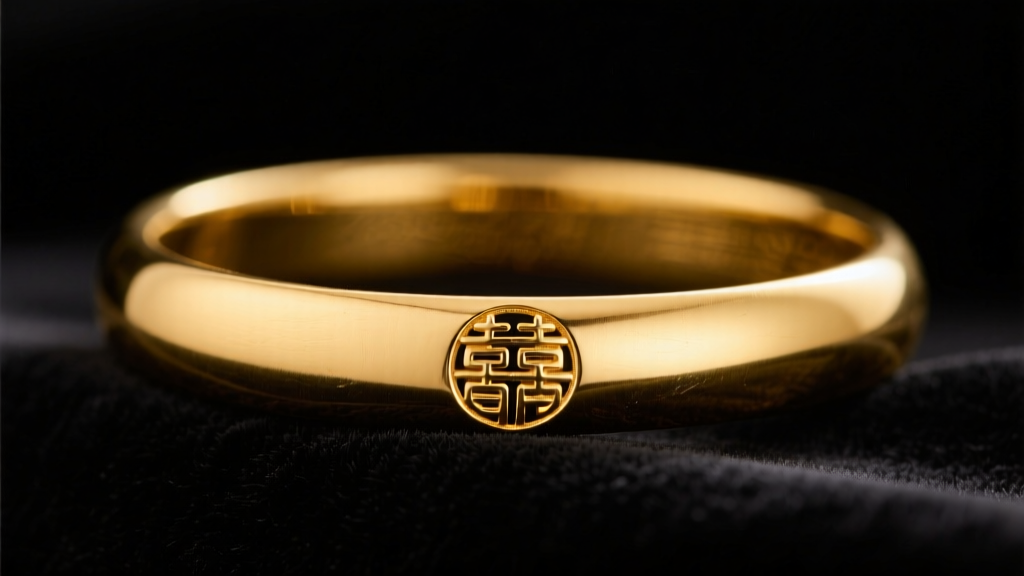
When investing in gold from Asian markets or specialized jewelers, understanding the stamps inside your pieces is the difference between a sound financial asset and an overpriced trinket. Chinese gold jewelry operates on a unique valuation system that heavily prioritizes extreme purity and cultural craftsmanship over the gemstone-heavy designs common in Western markets. For the budget-conscious buyer, decoding chinese gold jewelry markings is not just about verifying authenticity; it is about understanding the hidden premiums attached to specific manufacturing techniques and historical purity standards.
The Foundation of Chinese Gold Valuation
Unlike Western jewelry, where 14k and 18k alloys are favored for their durability and diamond-setting capabilities, the traditional Chinese market reveres 24-karat gold, known locally as Chuk Kam (足金). According to the World Gold Council, China is the world's largest consumer and producer of gold, and the domestic market heavily favors high-purity gold for its investment and heirloom properties. However, this cultural preference creates a complex pricing structure. When you buy Chinese gold, you are paying for two distinct elements: the raw melt value of the metal and the craftsmanship fee (gong fei). The markings on the jewelry dictate both the purity of the metal and, indirectly, the baseline for the craftsmanship premium you should expect to pay.
Deciphering the Core Chinese Gold Jewelry Markings
To accurately assess the budget and value of a piece, you must first translate the hallmarks. While international standards use numbers like 750 or 585, Chinese markings often combine numerical purity indicators with specific Mandarin characters. Below is a critical reference chart for assessing value at the counter.
| Marking / Stamp | Mandarin Term | Purity | Budget & Value Impact |
|---|---|---|---|
| 足金 (Zu Jin) | Sufficient Gold | ≥ 99.0% | Baseline premium; standard for all high-purity jewelry post-2016. |
| 999 / Au999 | Qian Zu Jin (Unofficial) | 99.9% | High liquidity; commands standard spot price + moderate craftsmanship fee. |
| 18K / Au750 | 18K Jin | 75.0% | Lower material cost; higher design markup; poor resale value in China. |
| 3D硬金 (3D Hard Gold) | 3D Ying Jin | 99.9% | Massive craftsmanship fee; very low melt weight; high budget risk. |
| 古法 (Gu Fa) | Ancient Method | ≥ 99.0% | Matte finish; commands highest craftsmanship premium; excellent heirloom value. |
The 2016 National Standard Shift: A Buyer's Warning
A crucial piece of E-E-A-T knowledge for assessing Chinese gold is understanding the GB 11887-2012 national standard amendment, which took full effect in 2016. Prior to this, jewelers aggressively marketed "9999" (four nines) and Qian Zu Jin (千足金 - 99.9% pure) to justify massive price markups. The Chinese government banned these terms from official labeling to prevent consumer deception, standardizing all gold above 99.0% simply as Zu Jin (足金). If a modern piece is stamped with "9999" or marketed with outdated terminology, it is a red flag indicating the seller is either liquidating old, potentially unverified inventory or attempting to charge an inflated, outdated premium.

Budgeting: Melt Value vs. Gong Fei (Craftsmanship)
The most common budgeting mistake Western buyers make is applying a flat "price per gram" to all Chinese gold. The actual retail price is calculated using a specific formula: (Daily Spot Price × Weight in Grams) + Gong Fei. The gong fei (craftsmanship fee) varies wildly based on the manufacturing technique, which is often indicated by the style or accompanying tags rather than the metal stamp itself.
- Cast & Stamped (Ordinary 999): The gong fei is minimal, usually ranging from $2 to $5 per gram. This is the best option for strict budget investors who want maximum gold weight for their dollar.
- Gu Fa (Ancient Method): This technique involves hand-hammering, filigree, and matte finishing. The gong fei can range from $10 to $25+ per gram. While beautiful, you will not recoup this fee upon resale.
- 3D Hard Gold (Electroformed): This is the ultimate value trap for the uninformed. Using an electroforming process, 24k gold is made hollow and highly durable. A piece might look like it weighs 30 grams but actually weighs only 5 grams. The gong fei is astronomical, often pushing the price per gram to over $150. When you try to resell, pawnshops will only pay for the 5 grams of melt gold, resulting in a catastrophic loss of value.
Red Flags: Spotting Counterfeit or Misleading Marks
Because 24k gold is so soft, it is rarely stamped with heavy pressure. Authentic Chinese markings are often laser-etched or lightly stamped in discreet areas, like the inside of a clasp or the inner wall of a bangle. According to the Gemological Institute of America (GIA), hallmarks should be crisp, legible, and accompanied by a maker's mark or brand stamp (such as Chow Tai Fook or Lao Feng Xiang).
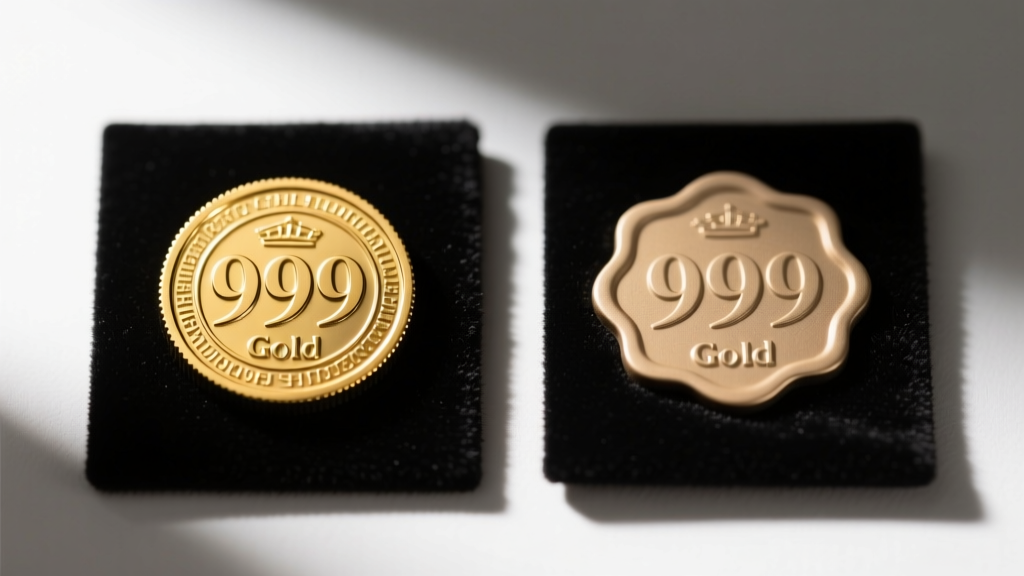
Be highly suspicious of the following scenarios:
- The "18KGP" or "GF" Disguise: Some counterfeiters use markings like "18KGP" (Gold Plated) or "GF" (Gold Filled) but obscure the letters, hoping the buyer only sees "18K". Always use a 10x jeweler's loupe to read the full stamp.
- Deep, Messy Stamps on 999 Gold: Pure 24k gold is incredibly malleable. If you see a deeply punched, jagged stamp that has warped the surrounding metal, it is likely a harder base metal (like brass or tungsten) that has been plated and stamped to mimic pure gold.
- Missing Brand Marks: Authentic Chinese gold from reputable houses will almost always feature the brand's trademark stamp alongside the purity mark. A standalone "999" with no origin mark is a significant risk factor.
Actionable Checklist for Assessing Value at the Counter
To ensure your budget aligns with the true value of the piece, follow this four-step framework before finalizing any purchase:
- Verify the Stamp: Use a loupe to confirm the presence of "足金" or "Au999" alongside a recognizable maker's mark.
- Demand the Weight Breakdown: Ask the jeweler to weigh the piece on a calibrated digital scale in front of you. Ensure the weight is measured in grams to the second decimal point.
- Isolate the Gong Fei: Ask the seller to write down the daily spot price they are using and the exact gong fei per gram. If they refuse to separate the two, walk away.
- Perform the Hollow Test: If the piece is large but surprisingly light, tap it gently with a fingernail. A dull, plastic-like thud indicates 3D hard hollow gold. A solid, dense piece will feel heavy for its size and produce a dull metallic clink.
"In the Chinese gold market, you are not just buying metal; you are buying the artisan's time. Always separate the spot price from the gong fei before swiping your card. If your goal is pure wealth preservation, stick to ordinary cast 999 gold with minimal craftsmanship fees."
Ultimately, navigating chinese gold jewelry markings requires a shift in perspective. By understanding the interplay between cultural purity standards, the 2016 labeling laws, and the hidden costs of artisanal techniques, you can confidently assess whether a piece is a fair-priced heirloom or an overpriced liability. Always prioritize transparency in the craftsmanship fee, and rely on verified hallmarks to protect your investment.


