How to Clean Gold Tone Jewelry Without Ruining Plating
Learn how to clean gold tone jewelry safely without stripping the plating. Expert tips on washing, storage, and preventing base metal tarnish.

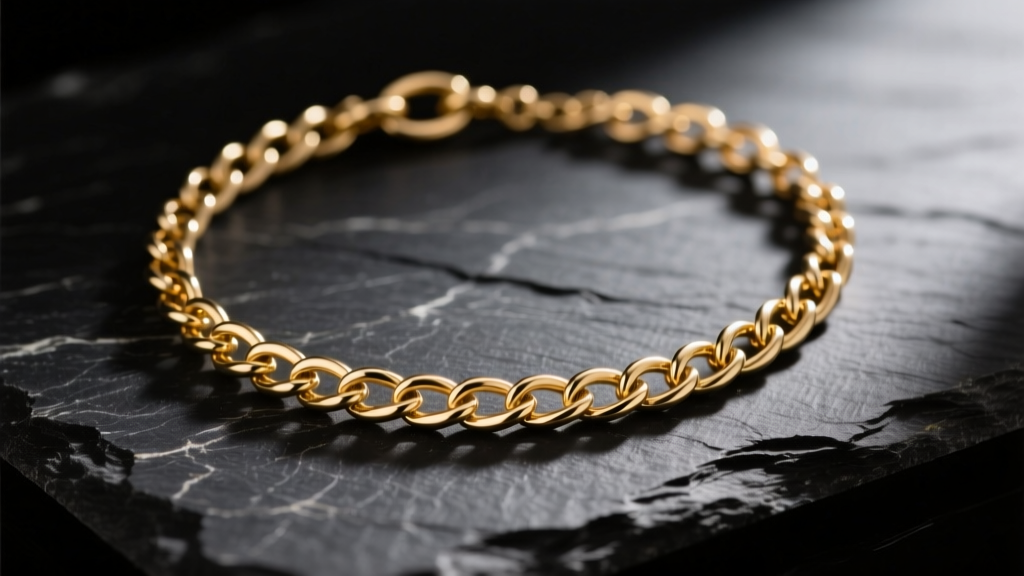
Gold tone jewelry offers the luxurious aesthetic of solid gold at a fraction of the cost, making it a staple in modern accessory wardrobes. However, because these pieces are not solid gold, they require a radically different approach to maintenance. The microscopic layer of gold coloring—whether achieved through electroplating, physical vapor deposition (PVD), or metallic paint—is highly susceptible to friction, chemicals, and improper cleaning. If you treat gold tone pieces like solid 14k or 18k gold, you will strip the finish and expose the base metal beneath.
In this comprehensive guide, we break down the exact chemistry and mechanics of gold tone plating, providing you with a safe, actionable framework to clean, store, and extend the lifespan of your favorite affordable accessories.
The Anatomy of Gold Tone: Why It Needs Special Care
To understand how to clean gold tone jewelry, you must first understand how it is manufactured. According to the Federal Trade Commission (FTC) Jewelry Guides, the term 'gold tone' refers to items that have a gold-like appearance but contain no actual gold, or a negligible amount that does not meet the minimum thresholds for 'gold plated' (which requires at least 0.5 microns of gold over a base metal).
Most gold tone jewelry falls into one of three categories:
- Flash Plated Brass or Copper: A microscopic layer of gold (often less than 0.1 microns) applied via electroplating. This is the most common and most fragile type.
- PVD Coated Stainless Steel: Physical Vapor Deposition uses titanium nitride to create a gold-colored ceramic-like coating. This is vastly more durable than flash plating and resists tarnish, but it can still chip under hard impacts.
- E-Coated or Painted Alloys: Zinc or pewter alloys sprayed with a gold-colored metallic lacquer. These are highly sensitive to solvents and alcohol.
Because the base metals (especially brass and copper) are highly reactive to oxygen, sulfur, and the acids in human sweat, the primary goal of cleaning gold tone jewelry is to remove corrosive elements without abrading the ultra-thin topcoat.
The 3-Step Safe Cleaning Protocol for Gold Tone Pieces
Forget the harsh commercial dips and ultrasonic machines. When dealing with gold tone jewelry, gentle mechanical action and pH-neutral solutions are your best tools. Follow this protocol every 2 to 3 weeks, or after heavy sweating.
Step 1: The pH-Neutral Soap Bath
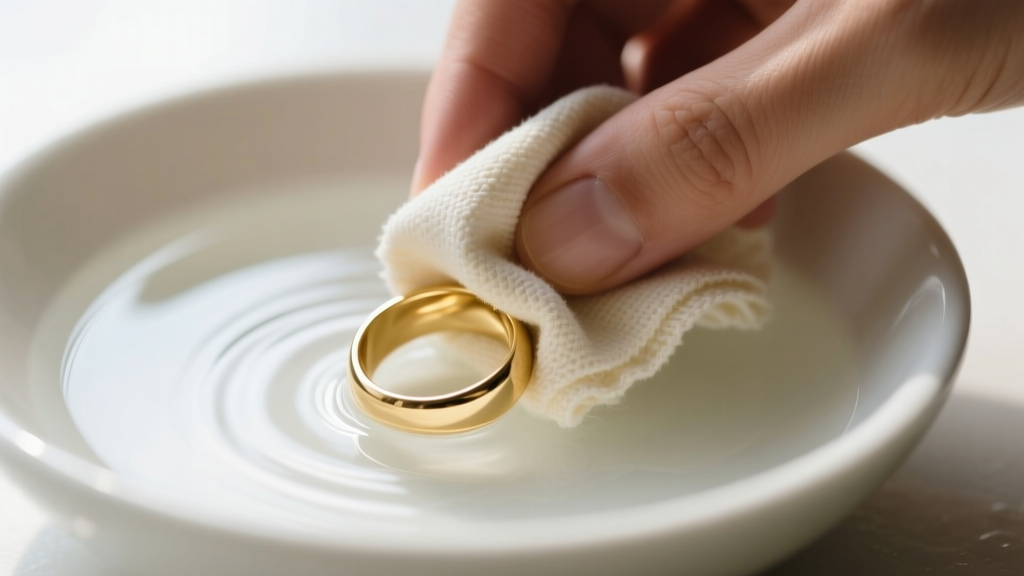
Fill a small ceramic or glass bowl with lukewarm distilled water. Tap water contains chlorine and heavy minerals that can leave microscopic water spots on the plating. Add exactly one drop of a mild, pH-neutral dish soap (such as original blue Dawn). Avoid soaps with added moisturizers, citrus extracts, or exfoliating beads, as these contain micro-abrasives and degreasers that can break down the plating's adhesion.
Step 2: Gentle Agitation
Submerge the jewelry for no more than 3 to 5 minutes. Prolonged water exposure can seep into microscopic pores in the plating and cause the underlying brass or copper to oxidize from the inside out. Use a baby toothbrush (which has ultra-soft bristles) to gently sweep away sebum and lotion buildup from the crevices of the design. Never scrub the flat surfaces of the metal; only agitate the grooves.
Step 3: The Microfiber Dry-Down
Rinse the piece briefly under a gentle stream of distilled water. Immediately pat it dry with a clean, lint-free microfiber cloth. Do not use paper towels or tissues, as wood pulp fibers can cause micro-scratches on soft flash plating. Ensure the piece is 100% dry before storing, paying special attention to clasp mechanisms and jump rings where water tends to pool.
What to Avoid at All Costs
The most common way people ruin gold tone jewelry is by treating it to 'deep cleaning' methods meant for solid metals. Never use the following on gold tone pieces:
- Baking Soda and Vinegar: Baking soda has a Mohs hardness of 2.5, which is harder than many gold tone lacquers and thin electroplated layers. It will literally sand the gold color off your jewelry.
- Toothpaste: Contains silica abrasives designed to strip enamel plaque; it will strip your jewelry's plating just as efficiently.
- Ultrasonic Cleaners: The high-frequency cavitation bubbles can literally shatter and peel thin flash plating away from the base metal.
- Commercial Silver/Gold Dips: These contain thiourea and harsh acids that will instantly dissolve gold tone finishes and turn the base metal black.
Comparative Guide: Cleaning Methods by Base Metal
Not all gold tone jewelry is created equal. The underlying base metal dictates how quickly the piece will tarnish once the plating wears thin, and how you should handle it when it does. Below is a breakdown of common base metals used in gold tone manufacturing.
| Base Metal | Tarnish Risk | Reaction to Sweat/Acids | Best Maintenance Strategy |
|---|---|---|---|
| Brass (Copper/Zinc) | High | Turns skin green due to copper oxidation | Keep completely dry; apply protective wax barrier |
| Stainless Steel (316L) | Very Low | Inert; no skin discoloration | Standard soap and water; PVD coating is highly durable |
| Copper | Extreme | Rapid oxidation; strong metallic smell | Requires frequent gentle washing; store with anti-tarnish strips |
| Zinc Alloy (Tibetan Silver base) | Moderate | Can cause contact dermatitis in sensitive skin | Avoid all moisture; seal with clear jeweler's lacquer |
Preventative Maintenance: Extending the Lifespan of Your Plating
Cleaning is only half the battle; prevention is where you truly protect your investment. Gold tone jewelry degrades primarily through chemical corrosion and mechanical friction. By implementing a few specific habits, you can make a $30 gold tone necklace look pristine for years rather than months.
The 'Last On, First Off' Rule
Always put your gold tone jewelry on after applying perfumes, hairsprays, lotions, and sunscreen. The alcohol and volatile organic compounds (VOCs) in cosmetics act as solvents that break down the metallic bonds in flash plating and e-coatings. When you return home, remove the jewelry immediately before washing your hands or doing dishes.
Friction Management
Plating wears off fastest at high-friction points. For rings, the inside of the band and the knuckles of adjacent fingers will show brass first. For necklaces, the clasp and the jump rings experience metal-on-metal friction every time you move. Consider applying a microscopic layer of Renaissance Wax or a specialized jeweler's micro-crystalline wax to these high-friction areas. This creates a sacrificial barrier that takes the brunt of the physical wear, preserving the gold tone finish beneath.
Troubleshooting: The 'Green Skin' Phenomenon
If your gold tone ring or bracelet is turning your skin green, the plating has developed micro-fractures, allowing your sweat to react with the copper or brass base metal. This copper chloride reaction is harmless but unsightly.
The Fix: Clean the jewelry thoroughly using the 3-step protocol above and let it dry completely. Apply a thin coat of clear, non-yellowing nail polish or a specialized jewelry shield (like Jeweler's Skin Guard) to the inside of the band or the back of the pendant. This seals the exposed base metal from your skin's moisture. Reapply this barrier every few months as it wears away.
When to Replate: Recognizing the Point of No Return
Eventually, all electroplated gold tone jewelry will wear down to its base metal, especially on items like rings and bracelets that endure heavy daily friction. When the brass starts showing through on more than 20% of the surface, cleaning will no longer restore its appearance.
At this stage, you have two options:
- Professional Replating: A local jeweler can polish the base metal and apply a new layer of gold plating. This typically costs between $40 and $85 depending on the surface area. However, this usually only makes financial sense if the piece has high sentimental value, as the replating cost often exceeds the original purchase price of fashion jewelry.
- Retirement: If the base metal has begun to pit or corrode deeply, replating will not adhere properly, and the piece should be retired.
By understanding the delicate nature of gold tone finishes and adopting these meticulous, low-impact cleaning and storage habits, you can dramatically extend the vibrant, luxurious life of your favorite accessories. Treat the plating with the respect you would give a fragile textile, and it will continue to elevate your style for years to come.


