How to Choose Gold and Pearl Jewelry Sets: A Beginner Guide
Discover how to choose, style, and care for gold and pearl jewelry sets. Learn about pearl types, gold karats, and avoid beginner mistakes.

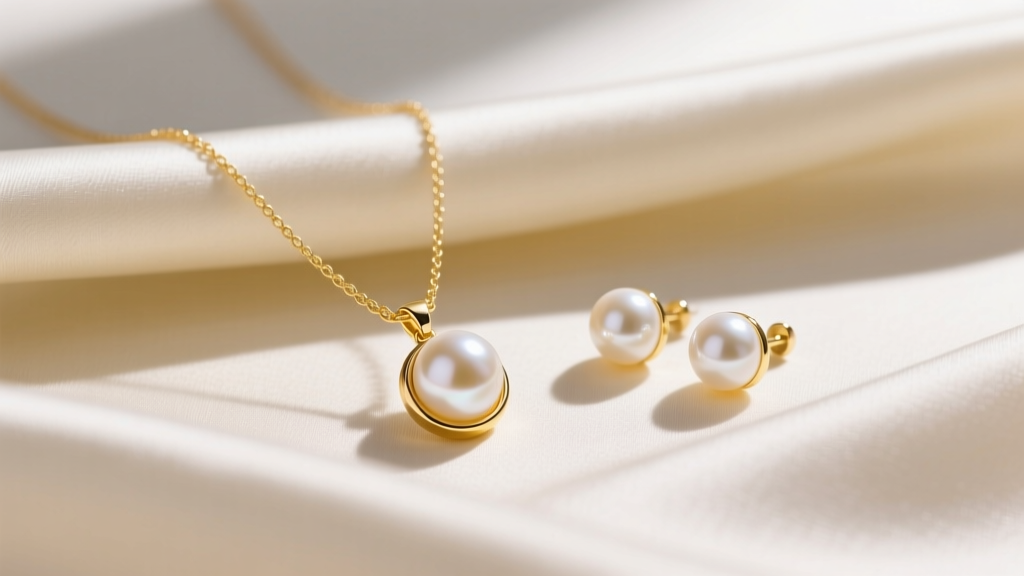
The Timeless Appeal of Gold and Pearl Combinations
Few pairings in the jewelry world command as much immediate elegance as the combination of warm precious metals and organic gemstones. For beginners stepping into the world of fine accessories, investing in matching gold and pearl jewelry sets offers a foolproof way to achieve a polished, cohesive look without the guesswork of mixing and matching individual pieces. Whether you are selecting a set for bridal wear, professional environments, or elevated everyday styling, understanding the material science behind these pieces is crucial.
The market is flooded with options ranging from $50 fashion sets to $50,000 heirloom collections. The untrained eye often struggles to differentiate between a high-quality 14k solid gold and Akoya pearl set and a brass-plated set featuring shell-coated glass beads. This guide strips away the marketing fluff, providing you with a precise, data-driven framework to evaluate gold foundations, pearl grades, and structural integrity.
Decoding the Components: What You Are Actually Buying
A jewelry set typically includes a necklace, earrings, and sometimes a bracelet or ring. To evaluate the set's true value, you must audit the two primary materials independently before considering their combined aesthetic.
Pearl Types: Freshwater vs. Akoya vs. South Sea
Pearls are organic gemstones formed by mollusks, and their value is dictated by luster, surface quality, shape, and nacre thickness. According to the Gemological Institute of America (GIA), nacre thickness is the single most critical factor in a pearl's longevity and optical performance.
- Freshwater Pearls: Tissue-nucleated, meaning they are solid nacre all the way through. They are incredibly durable but traditionally lack the mirror-like luster of saltwater varieties. Modern 'Edison' freshwater pearls, however, now rival saltwater luster at a fraction of the cost ($150–$400 for a full set).
- Akoya Pearls: The classic choice for gold and pearl jewelry sets. Bead-nucleated with a nacre layer that should ideally exceed 0.4mm (look for 0.8mm+ for heirloom quality). They offer sharp, mirror-like luster and perfect roundness. Expect to pay $800–$2,500 for a quality matched set.
- South Sea Pearls: Large (9mm–20mm), luxurious, and featuring a soft, satiny luster. White and golden South Sea pearls are premium investments, with complete sets frequently starting above $5,000.
Gold Foundations: Solid, Vermeil, and Plated
The gold component of your set dictates its lifespan and skin compatibility. Beginners must understand the strict legal definitions separating these categories.
- Solid Gold (14k or 18k): 14k gold (58.5% pure gold) offers the best balance of rich color and structural durability for securing pearl posts and clasps. 18k (75% pure) is softer and richer in color but more prone to scratching.
- Gold Vermeil: The FTC mandates that vermeil must be a minimum of 2.5 microns of gold plated over a .925 sterling silver base. This is an excellent mid-tier option for gold and pearl jewelry sets, offering hypoallergenic properties and long-term durability if cared for properly.
- Gold Plated / Goldtone: Usually a microscopic layer (0.1 to 0.5 microns) over brass or copper. Avoid these for pearl sets, as the base metals will oxidize and degrade the structural integrity of the pearl mountings over time.
The Buyer’s Matrix: Matching Budget to Quality
Use this matrix to align your budget with realistic material expectations. Compromising on the gold mounting to afford larger pearls is a common beginner mistake that leads to broken settings and lost gems.
| Tier | Pearl Specification | Gold Foundation | Expected Price Range | Best Use Case |
|---|---|---|---|---|
| Entry-Level | 7-8mm AAA Freshwater | Heavy Gold Plated (Brass) | $120 - $250 | Occasional wear, trend-testing |
| Mid-Tier | 7-8mm AA+ Akoya | 14k Gold Vermeil (.925 Base) | $450 - $900 | Office wear, bridesmaids, gifts |
| Heirloom | 7.5-8.5mm AAA Akoya | Solid 14k or 18k Gold | $1,200 - $3,500 | Bridal, daily luxury, investment |
| Prestige | 10-12mm White South Sea | Solid 18k Gold with Diamonds | $6,000 - $15,000+ | Black tie, generational heirlooms |
Styling Your Set: Necklines, Occasions, and Proportions
Matching gold and pearl jewelry sets are designed to work in harmony, but wearing every piece simultaneously can easily overwhelm your proportions. The key to modern styling is strategic subtraction and neckline awareness.
The Rule of Proportion and Necklines
Pearl size should inversely correlate with the complexity of your outfit. A set featuring 9mm pearls demands a clean canvas—think a structured blazer, a V-neck silk blouse, or an off-the-shoulder gown. Conversely, delicate 5mm baby pearls pair beautifully with high-necked garments or layered over casual knitwear.
When wearing the full set (necklace, earrings, bracelet), ensure the metal colors match the undertones of your environment. Yellow gold enhances warm skin tones and pairs beautifully with ivory or cream-colored pearls. White gold or platinum settings amplify the cool, rosé overtones often found in high-grade Akoya pearls.

Critical Care Protocols: Protecting Your Investment
Organic gemstones are highly susceptible to chemical damage. Pearls rank a mere 2.5 to 4.5 on the Mohs hardness scale, making them vulnerable to scratches, dehydration, and acid erosion. The GIA's pearl care guidelines emphasize that everyday cosmetics are the number one enemy of nacre luster.
The Golden Rule of Pearl Care: 'Last On, First Off.' Always put your gold and pearl jewelry sets on after applying perfume, hairspray, and lotions, and remove them immediately upon returning home.
- Never Use Ultrasonic Cleaners: The high-frequency vibrations will shatter the nacre layers and loosen the adhesive holding the pearls to their gold posts.
- Wipe After Every Wear: Use a lint-free microfiber cloth to gently wipe away skin oils and sweat before storing. Acidic sweat will slowly dissolve the pearl's surface, causing irreversible chalkiness.
- Proper Storage: Never store pearls in sealed plastic bags or safety deposit boxes for long periods. Pearls require ambient moisture; dehydration causes the nacre to crack and peel. Store them flat in a soft, breathable linen pouch away from harder gemstones like diamonds or sapphires that will scratch them.
Common Beginner Mistakes to Avoid
When shopping for gold and pearl jewelry sets, beginners frequently fall victim to deceptive marketing terminology. The first trap is the 'Shell Pearl' or 'Simulated Pearl.' These are glass beads coated in a synthetic pearlescent paint. While perfectly round and flawless, they hold zero intrinsic value and will eventually chip, revealing the glass core.
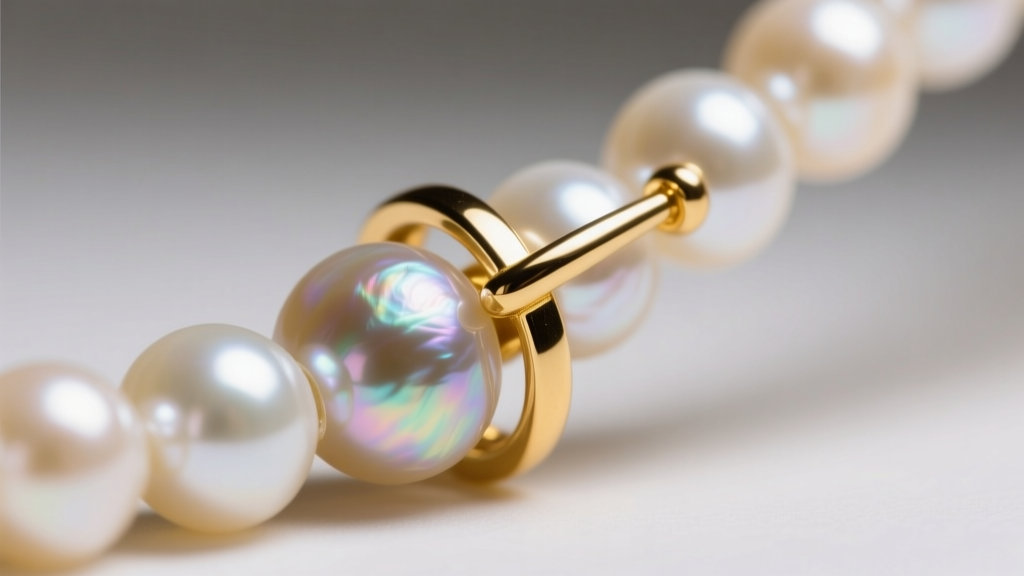
Another critical oversight is ignoring the clasp and mounting hardware. A high-end pearl strand is only as secure as its clasp. Inspect the gold mountings: prongs should be flush against the pearl without gaps, and necklace clasps should feature a safety figure-eight catch. If a set features premium Akoya pearls but utilizes a cheap, magnetic base-metal clasp, the structural integrity of the entire piece is compromised.
Finally, beware of sets that do not disclose the nacre thickness or the exact karat weight of the gold. Reputable jewelers will provide a detailed specification sheet. By demanding transparency on nacre depth, pearl origin, and gold purity, you transition from a passive consumer to an informed collector, ensuring your gold and pearl jewelry sets remain luminous and structurally sound for decades.


