How to Clean Black Hills Gold Jewelry: Expert Guide
Learn how to clean Black Hills gold jewelry safely. Discover expert troubleshooting tips for removing tarnish from rose and green gold alloys without damage.

The Unique Metallurgy of Black Hills Gold
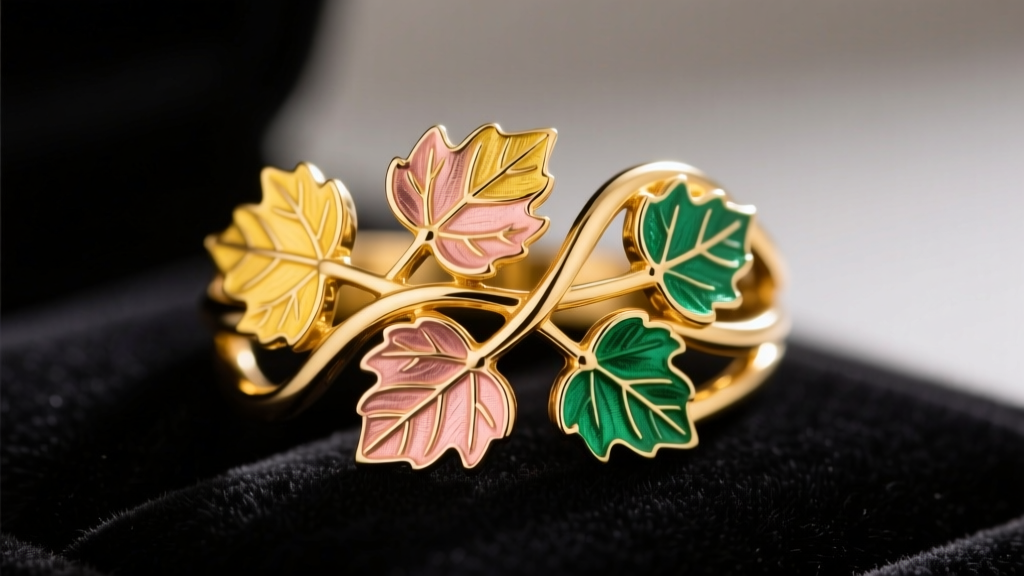
To understand how to clean Black Hills gold jewelry, you must first understand its complex metallurgy. Authentic Black Hills gold, historically crafted in South Dakota by manufacturers like Landstrom's and the Coleman Company, is defined by its tri-color applique work. Unlike standard yellow gold jewelry, these pieces feature delicate grape leaves and vines crafted from specific gold alloys soldered onto a yellow gold base.
According to the Gemological Institute of America (GIA), the color variations in karat gold are achieved by altering the alloy mix. In Black Hills gold, the rose gold elements are alloyed primarily with copper, while the green gold elements are alloyed with silver. Most authentic Black Hills gold is crafted in 10k or 12k purity to ensure the structural integrity of the incredibly thin leaf appliques. Because copper and silver are highly reactive metals, they are significantly more prone to oxidation and tarnishing than the yellow gold base. When the copper in the rose leaves reacts with oxygen and moisture, it forms cupric oxide (a dark brown or black tarnish). When the silver in the green leaves reacts with environmental sulfur, it forms silver sulfide. This dual-alloy tarnishing is the primary troubleshooting challenge owners face.
The Step-by-Step Safe Cleaning Protocol
Because the grape leaves and vines are often soldered onto the main body of the jewelry, aggressive cleaning methods can compromise these delicate joints. Follow this manual cleaning protocol to lift sebum, lotion buildup, and light environmental tarnish without risking structural damage.
Step 1: Prepare a Neutral Surfactant Bath
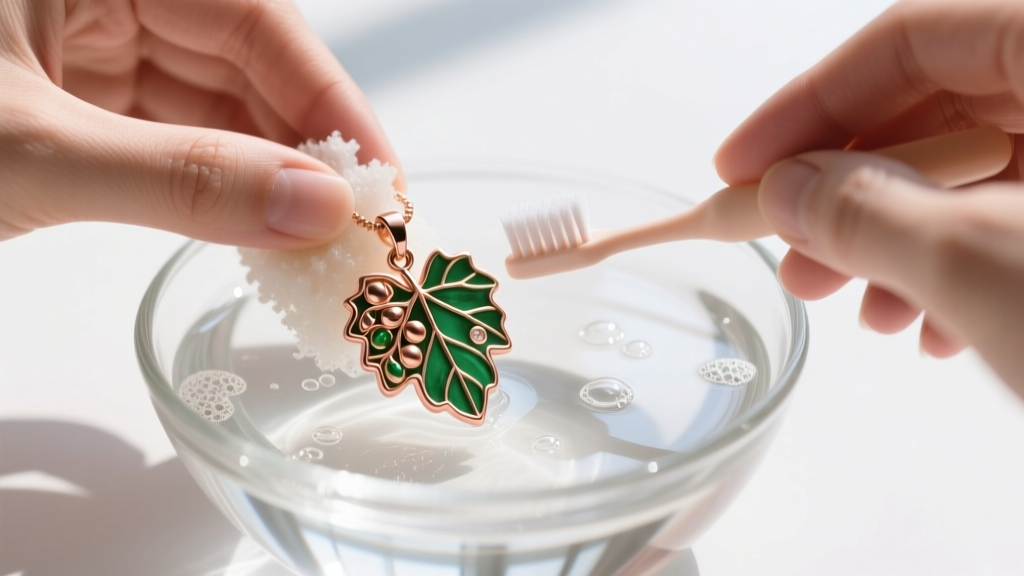
Fill a small glass bowl with distilled water. Do not use tap water, as municipal water contains chlorine and dissolved minerals that can accelerate silver sulfide formation on the green gold accents. Add three drops of a mild, phosphate-free dish soap (such as original blue Dawn). The surfactant will break down skin oils trapped under the leaf appliques.
Step 2: The Controlled Soak
Submerge your Black Hills gold ring, pendant, or bracelet in the solution for exactly 3 to 5 minutes. Prolonged soaking can weaken the microscopic solder points holding the multi-colored leaves to the base, especially on vintage pieces from the 1970s and 1980s.
Step 3: Micro-Agitation
Remove the piece and gently agitate the crevices using an ultra-soft baby toothbrush. Brush in the direction of the leaf veins to avoid catching the bristles on the delicate stems. Never use a standard adult toothbrush, as the nylon bristles are too stiff and will leave micro-scratches on the softer 10k and 12k gold surfaces.
Step 4: The Distilled Rinse and Dry
Rinse the jewelry under a slow stream of lukewarm distilled water. Pat dry with a clean, lint-free microfiber cloth. Avoid terry cloth towels, as the loops can snag on the raised grape vine stems and bend them out of place.
Troubleshooting Common Black Hills Gold Issues
Routine washing removes daily grime, but it will not reverse heavy chemical tarnish on the reactive alloys. Here is how to troubleshoot specific issues without ruining the tri-color contrast.
Stubborn Tarnish on Rose Gold Leaves
If the rose gold leaves have turned dark brown or black due to heavy copper oxidation, a simple soap bath will not suffice. Do not use commercial silver dips, as they contain harsh thiourea compounds that can strip the finish. Instead, apply a minuscule amount of Wright's Copper Cream to a cotton swab. Carefully dab the cream only onto the tarnished rose gold leaf, avoiding the yellow gold base and any green gold accents. Let it sit for 30 seconds, gently buff with the swab, and immediately rinse with distilled water. This targeted approach removes cupric oxide without affecting the surrounding alloys.
Grime Trapped in Grape Vine Crevices
The deep undercuts where the vines meet the base metal are notorious for trapping dead skin cells and cosmetic powders. If a baby toothbrush cannot reach the grime, use a wooden toothpick or a plastic interdental pick to gently scrape the crevice. Never use a metal sewing needle or safety pin; steel and titanium are harder than 10k gold and will permanently gouge the surface, leaving bright, unsightly scratches that require professional laser polishing to fix.
Dullness and Blackening in Green Gold Accents
Green gold tarnish (silver sulfide) appears as a yellowish-black film. To reverse this without abrasives, create a mild chemical reduction bath. Line a small glass dish with aluminum foil (shiny side up). Place the jewelry on the foil, ensuring the green gold touches the metal. Add a tablespoon of baking soda and pour boiling distilled water over it. The galvanic reaction between the aluminum, baking soda, and water will transfer the sulfur from the silver alloy to the foil. Leave it for 60 seconds, remove, and rinse. Note: Only do this if your piece contains no gemstones, as the thermal shock of boiling water can fracture opaque stones like turquoise or onyx often set in Black Hills jewelry.
What NEVER to Use on Black Hills Gold
Misguided cleaning attempts cause thousands of dollars in damage to Black Hills gold annually. The Jewelers of America explicitly warns against using household chemicals on karat gold alloys. Review this damage matrix before reaching for a cleaner.
| Cleaning Agent / Method | Metallurgical Effect on BHS Alloys | Expert Verdict |
|---|---|---|
| Chlorine Bleach | Causes stress corrosion cracking in copper-alloyed rose gold, leading to brittle leaves that snap off. | NEVER USE |
| Whitening Toothpaste | Contains hydrated silica (Mohs hardness 7) which easily scratches 10k/12k gold (Mohs hardness 2.5-3). | NEVER USE |
| Ultrasonic Cleaners | High-frequency vibrations can shatter the fragile solder joints connecting the applique leaves to the base. | AVOID (Unless cleared by maker) |
| Commercial Silver Dip | Strips the intentional oxidized antiquing used by some makers to highlight leaf veins, leaving a flat, unnatural look. | USE WITH EXTREME CAUTION |
Long-Term Storage and Prevention Strategies
Because you cannot change the reactive nature of copper and silver, prevention is the most effective troubleshooting tool for Black Hills gold. When the jewelry is not being worn, it must be isolated from atmospheric sulfur and ambient humidity.
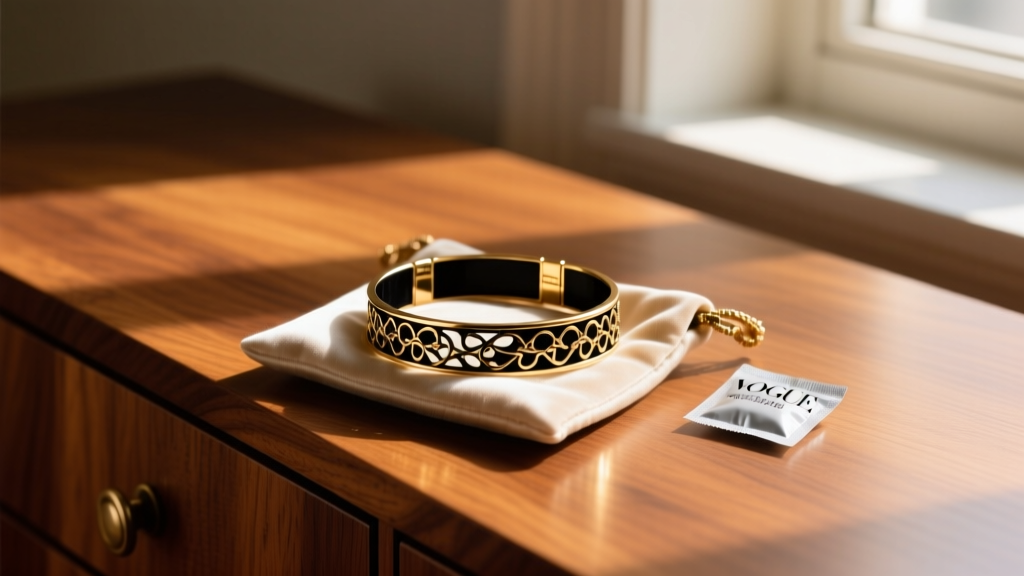
Store your pieces in an airtight polyethylene ziplock bag alongside a 3M Anti-Tarnish Strip. These strips absorb airborne sulfur compounds before they can react with the green and gold alloys. For an added layer of protection, wrap the jewelry in Pacific Silvercloth, a specialized cotton fabric embedded with microscopic silver particles that act as a sacrificial anode, tarnishing themselves so your jewelry does not.
Finally, always adhere to the "last on, first off" rule. Hairspray, perfumes, and lotions contain alcohols and aerosolized chemicals that accelerate the oxidation of the copper in rose gold. Put your Black Hills gold on only after your cosmetics have fully dried, and remove it immediately upon returning home to minimize its exposure to environmental pollutants.


