How Do You Clean White Gold Jewelry Without Ruining Its Value?
Learn how do you clean white gold jewelry safely. Discover budget-friendly DIY methods, avoid value-destroying chemicals, and protect rhodium plating.

The True Cost of White Gold Maintenance
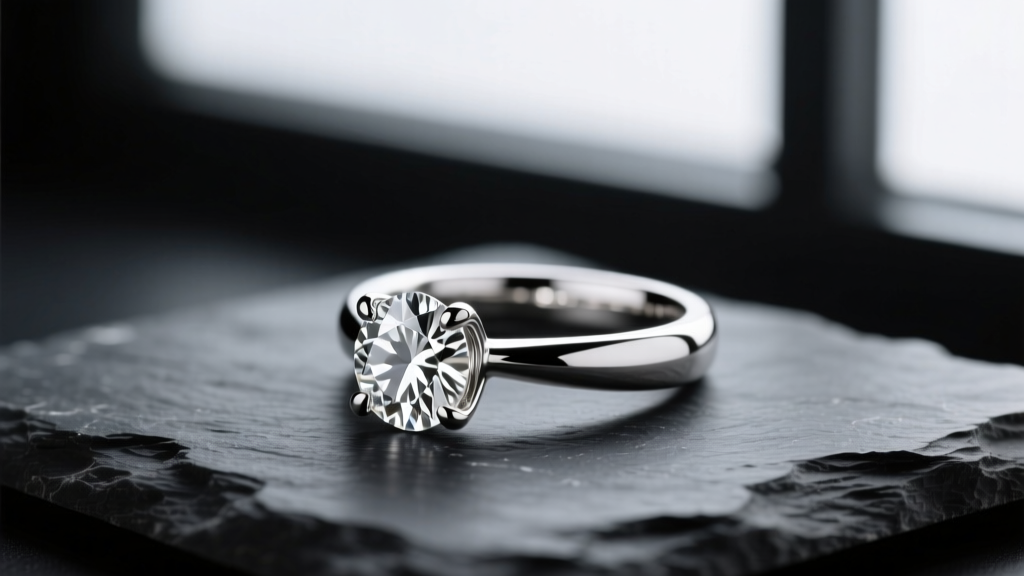
When collectors and everyday wearers ask, "how do you clean white gold jewelry," they are rarely thinking about the long-term financial impact of their cleaning methods. White gold is not a naturally occurring metal; it is an alloy of pure yellow gold mixed with white metals like nickel, palladium, or silver. To achieve that highly coveted, mirror-like silver finish, the jewelry is electroplated with a microscopic layer of rhodium, a rare and expensive platinum-group metal.
From a budget and value assessment perspective, improper cleaning is the fastest way to depreciate your white gold assets. Stripping the rhodium plating prematurely forces you into a cycle of expensive re-plating, which can cost between $60 and $150 per session depending on the piece's complexity. Furthermore, harsh chemicals can degrade the structural integrity of the alloy, leading to catastrophic prong failure and lost gemstones. Protecting your investment requires understanding the metallurgy of your jewelry and adopting a cleaning protocol that maximizes brilliance while minimizing wear.
The Hidden Costs of Cleaning White Gold Incorrectly
Before diving into the proper cleaning techniques, it is crucial to understand what happens at a microscopic level when you use the wrong products. According to the Gemological Institute of America (GIA), the rhodium plating on white gold is typically only 0.75 to 1.0 microns thick. To put that in perspective, a human hair is about 70 microns thick.
When you use abrasive cleaners, you are essentially sanding away this ultra-thin layer. Once the rhodium is compromised, the underlying alloy—which often has a faint yellowish or grayish tint depending on whether it is alloyed with nickel or palladium—begins to show through. This not only ruins the aesthetic value of the piece but also signals to potential buyers or appraisers that the jewelry has been subjected to heavy wear and poor maintenance, directly lowering its resale value.
The Budget-Friendly DIY Cleaning Protocol
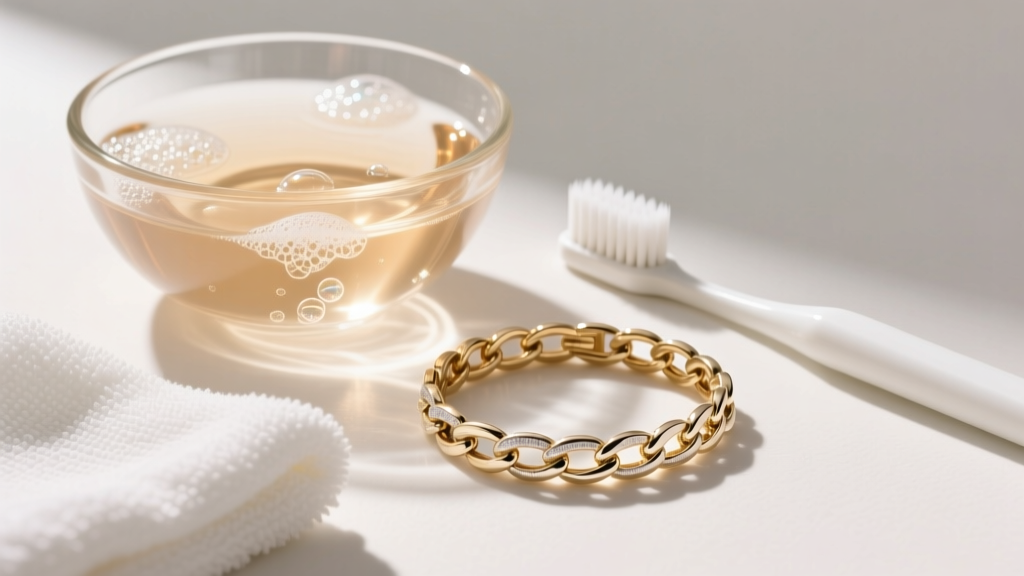
You do not need to spend hundreds of dollars a year on professional cleaning to maintain your white gold's value. The safest, most cost-effective method utilizes items you likely already have at home. This protocol is designed to lift sebum, lotions, and environmental dust without agitating the rhodium layer.
Step 1: Prepare the Solution
Fill a small glass bowl with distilled water heated to approximately 95°F (35°C). Avoid tap water, as the chlorine and hard minerals can leave microscopic deposits. Add three to four drops of a mild, phosphate-free dish soap (such as original blue Dawn). Do not use dish soaps containing added moisturizers or citrus degreasers, as these can leave a filmy residue or react with the alloy metals.
Step 2: The Soak
Submerge your white gold jewelry in the solution for 15 to 20 minutes. This allows the surfactants in the soap to break down the molecular bonds of oils and dirt trapped beneath the settings and along the shank of the ring or bracelet.
Step 3: Gentle Agitation
Using an ultra-soft baby toothbrush (never a standard adult toothbrush, even one labeled "soft"), gently sweep the bristles across the metal and behind the gemstone settings. Use zero downward pressure; let the bristles do the work. Scrubbing with force creates micro-scratches in the rhodium.
Step 4: The Rinse and Dry
Rinse the piece under a gentle stream of lukewarm distilled water. Ensure the drain is securely plugged. Pat the jewelry dry with a clean, lint-free microfiber cloth. Avoid paper towels or tissues, as the wood pulp fibers are surprisingly abrasive and can inflict microscopic scratches on high-polish finishes.
Professional Cleaning vs. DIY: A Cost-Benefit Analysis
To accurately assess the budget impact of your jewelry care routine, we must compare the costs and risks of various cleaning methods over a five-year ownership period. The table below outlines the financial and structural implications of each approach.
| Cleaning Method | Avg Cost Per Session | Recommended Frequency | Risk to Rhodium | Long-Term Value Retention |
|---|---|---|---|---|
| DIY Soap Soak | $0.50 | Weekly | None | Excellent |
| Commercial Dips | $8.00 - $15.00 | Monthly | High | Poor |
| Pro Ultrasonic | $30.00 - $50.00 | Bi-Annual | Low | Excellent |
| Jeweler Steam | $20.00 - $40.00 | Monthly | Medium | Good |
As the data illustrates, relying on a weekly DIY soap soak combined with a bi-annual professional ultrasonic cleaning (often provided for free by the original jeweler) yields the highest return on investment, preserving both the rhodium plating and the structural integrity of the prongs.
What to Avoid: Value-Destroying Cleaning Agents
The internet is rife with "hack" cleaning solutions that are actively hostile to white gold. From a value preservation standpoint, you must strictly avoid the following:
- Chlorine and Bleach: Chlorine reacts with the alloy metals in white gold (particularly nickel and copper traces) to form gold chloride. This chemical reaction weakens the metal at a structural level, leading to a phenomenon known as stress corrosion cracking. A ring exposed to hot tub chlorine can literally snap at the shank under minor pressure.
- Toothpaste and Baking Soda: Rhodium sits at about a 6.0 on the Mohs hardness scale. While baking soda is softer (around 2.5), its crystalline structure features sharp, jagged edges. When rubbed against white gold, it acts like sandpaper, creating a network of micro-scratches that dull the mirror finish and accelerate the wear of the rhodium plating. Toothpaste contains hydrated silica, which is even more abrasive.
- Ammonia-Based Glass Cleaners: While ammonia is sometimes used for diamonds, prolonged exposure to harsh ammonia solutions can degrade the rhodium plating and cause the underlying white gold alloy to become brittle over time.
Maintaining the Rhodium Plating on a Budget
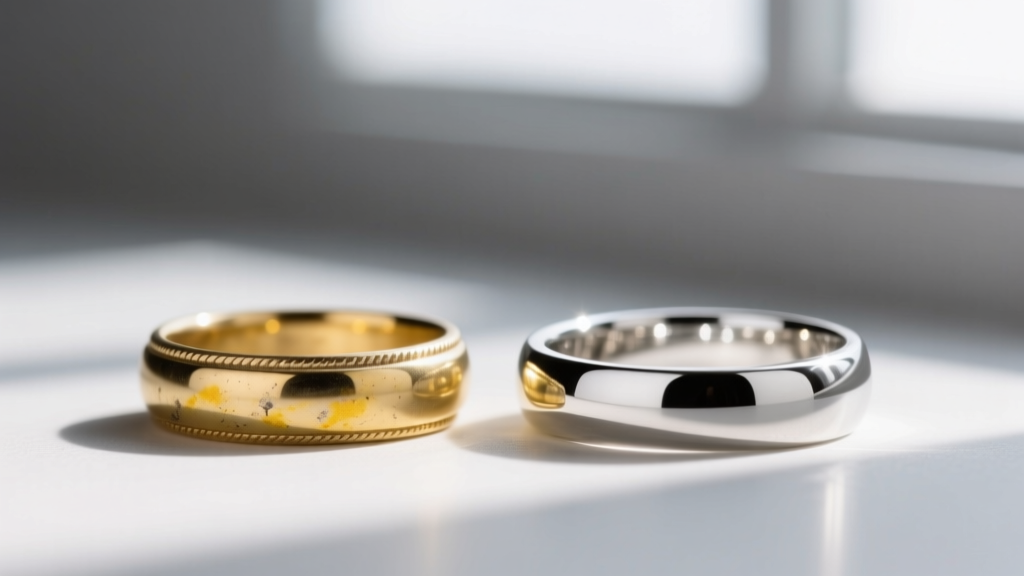
Because re-plating is a significant recurring expense, extending the lifecycle of your current rhodium layer is the smartest financial move you can make. The average lifespan of rhodium plating on a daily-worn engagement ring is 12 to 18 months. However, you can stretch this to 24 months or more by implementing a few strategic habits.
First, remove your white gold jewelry before applying lotions, perfumes, or hairsprays. The alcohols and emollients in these products create a sticky film that traps dirt, forcing you to clean the piece more aggressively and frequently. Second, take your jewelry off before swimming, doing dishes, or exercising. The combination of sweat (which is mildly acidic) and friction is the primary catalyst for rhodium degradation on the inner shank of rings.
"A master jeweler's rule of thumb: if you have to scrub your white gold to get it clean, you are doing it wrong. Proper maintenance is about chemical lifting, not mechanical friction. Friction is the enemy of rhodium."
When to Invest in Professional Re-Plating
Despite your best efforts, rhodium will eventually wear away, particularly on the high-contact areas like the bottom of a ring shank or the clasps of a bracelet. Knowing when to pull the trigger on professional re-plating is essential for maintaining the piece's appraised value.
If you notice a distinct yellowish hue bleeding through the metal, or if the surface feels rough and porous to the touch, it is time to visit a bench jeweler. In 2026, the cost for a standard rhodium dip ranges from $60 for a simple band to $120+ for intricate pavé settings, as the jeweler must meticulously mask the gemstones or remove them entirely to ensure proper adhesion. Do not attempt to use DIY "rhodium pens" or liquid plating solutions sold online; these contain trace amounts of rhodium suspended in toxic acids and will result in a patchy, easily tarnished finish that professional jewelers will charge extra to strip off before applying a proper electroplated coat.
By understanding the delicate balance between cleaning and preservation, you ensure that your white gold jewelry remains a brilliant, structurally sound asset rather than a depreciating liability. For further reading on precious metal care standards, refer to the Federal Trade Commission (FTC) Jewelry Guides, which outline the legal and structural definitions of gold alloys and platings in the retail market.


