Best Cleaner for Gold Plated Jewelry: Budget and Value Guide
Discover if a specialized cleaner for gold plated jewelry is worth your budget. We compare commercial, DIY, and replacement costs for maximum value.

The Economics of Gold-Plated Maintenance
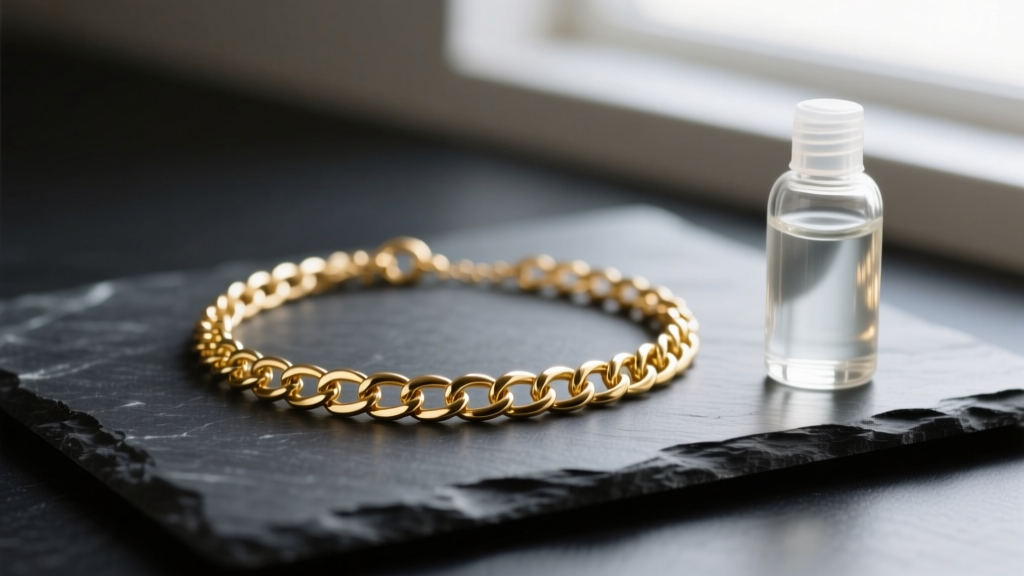
Gold-plated jewelry offers the luxurious aesthetic of solid 14k or 18k gold at a fraction of the retail price, making it a staple for budget-conscious collectors and trend-focused wardrobes. However, this initial savings introduces a complex maintenance paradox. Unlike solid gold, which can withstand aggressive polishing and chemical dips, plated pieces require a delicate touch. Finding the right cleaner for gold plated jewelry is not just about keeping it shiny; it is a critical budget assessment that directly impacts the lifespan and ultimate replacement cost of your accessories.
From a value perspective, the goal of cleaning plated jewelry is not to restore luster to tarnished gold—pure gold does not tarnish—but rather to safely remove sebum, lotions, and environmental grime that degrade the microscopic gold layer and the base metal beneath. Choosing the wrong cleaning method can strip the plating in a single session, forcing you into an expensive replating cycle or premature replacement. In this guide, we evaluate the true cost-benefit ratio of commercial cleaners, DIY alternatives, and the hidden economics of jewelry maintenance.
The Micron Reality: Understanding Your Plating
Before investing in any cleaning solution, you must understand the physical vulnerability of your jewelry. According to the Federal Trade Commission Jewelry Guides, gold plating is categorized by its thickness, measured in microns (one-millionth of a meter). This thickness dictates how much chemical and mechanical stress the piece can endure during cleaning.
- Flash Plating (0.1 to 0.5 microns): Often found in fast-fashion jewelry. The gold layer is virtually translucent. Any chemical cleaner, even mild ones, risks immediate degradation.
- Standard Gold Plated (0.5 to 1.0 microns): The industry standard for mid-tier boutique jewelry. Can withstand gentle, non-abrasive cleaning but will wear through within 1–2 years of daily wear.
- Heavy Gold Electroplate / Vermeil (2.5+ microns): Plated over a sterling silver base. This is the most durable and valuable form of plating, capable of handling specialized delicate cleaners without immediate failure.
As noted by the Gemological Institute of America (GIA), the base metal (usually brass, copper, or sterling silver) will eventually oxidize. If the plating is compromised by harsh cleaners, this oxidation bleeds through, ruining the piece's aesthetic and structural integrity.
Commercial vs. DIY: A Cost-Benefit Analysis
When assessing the budget impact of maintenance, consumers generally choose between commercial delicate foams and DIY household solutions. Standard gold cleaners are formulated for solid alloys and often contain ammonia or thiourea to strip tarnish. These chemicals will instantly dissolve the microscopic gold layer on plated jewelry, exposing the base metal.
The Commercial Delicate Route
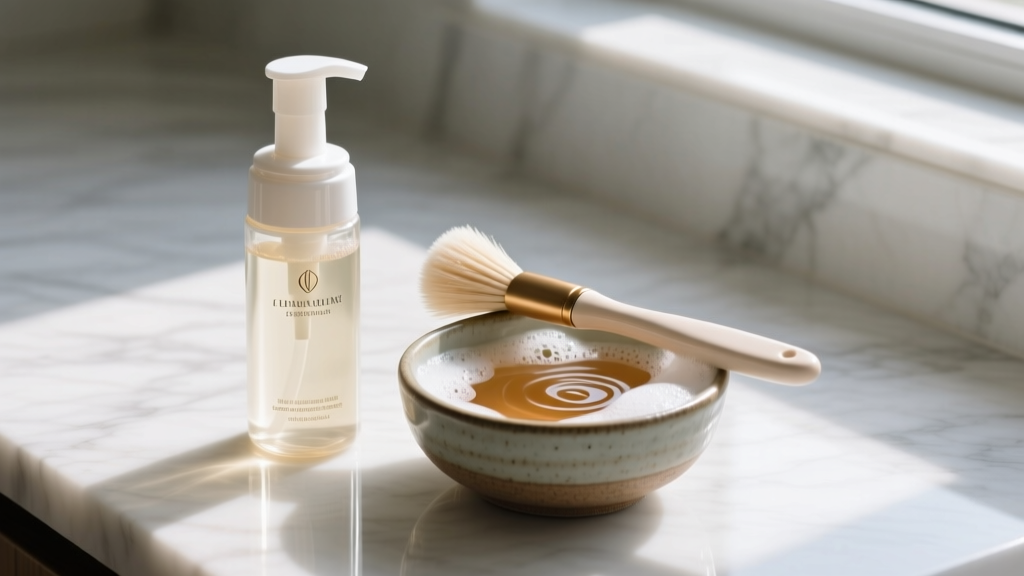
Specialized commercial cleaners formulated specifically for plated or porous jewelry typically rely on mild, non-ionic surfactants and anti-tarnish inhibitors. They are designed to lift oils without etching the gold surface. While a bottle may cost between $12 and $18, it yields approximately 50 to 70 applications, bringing the cost per clean to roughly $0.25. The value here lies in the added anti-tarnish agents that slow down the oxidation of the base metal showing through micro-pores in the plating.
The DIY Budget Route
The most common DIY alternative is a mixture of lukewarm water and a few drops of phosphate-free dish soap (like Dawn). Dish soap is an excellent degreaser that removes body oils safely. The cost per use is virtually zero (under $0.02). However, DIY solutions lack the anti-tarnish inhibitors found in commercial products, meaning you may need to clean the piece more frequently to prevent base-metal oxidation, slightly increasing your time investment.
| Cleaning Method | Cost Per Use | Risk to Plating | Best Value For |
|---|---|---|---|
| Commercial Delicate Foam | $0.20 - $0.30 | Low | Vermeil & Heavy Electroplate (2.5+ microns) |
| DIY Dish Soap Solution | < $0.02 | Very Low | Flash & Standard Plating (0.1 - 1.0 microns) |
| Standard Gold Dip | $0.15 | Critical (Destroys) | Solid Gold Only (Never use on plated) |
| Ultrasonic Cleaners | $0.10 | High (Cavitation) | Diamonds/Solid Metals (Avoid for plating) |
The Hidden Cost of Mechanical Abrasion
A critical mistake in budget jewelry maintenance is the use of mechanical friction. Many consumers purchase treated jeweler's polishing cloths, assuming they are safe for all gold. These cloths are embedded with microscopic abrasives (like jeweler's rouge) designed to polish solid gold by removing a tiny layer of tarnished metal. When used on gold-plated jewelry, these abrasives act like sandpaper, scrubbing away the 0.5-micron gold layer in seconds. The $8 cloth effectively destroys a $60 necklace, representing a massive negative return on investment. Always rely on chemical lifting (surfactants) and microfiber cloths for drying, never abrasive polishing.
When to Clean vs. When to Replate
From a strict value assessment perspective, there comes a point where cleaning is no longer economically viable. When the base metal begins to show through high-friction areas (like the inside of a ring band or the clasp of a necklace), no cleaner will restore the gold color. At this stage, you must evaluate the replating threshold.
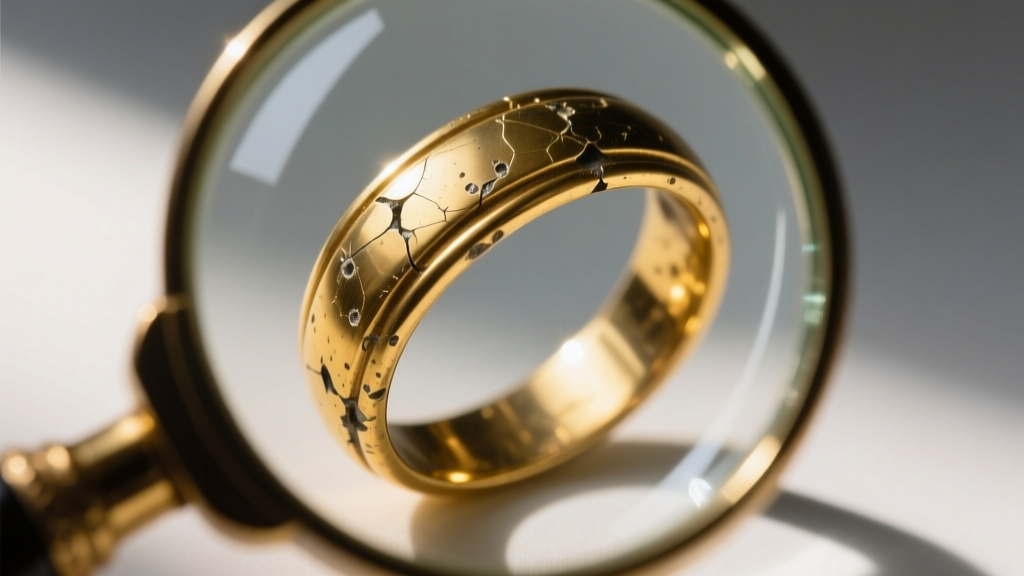
Professional electroplating services typically charge between $45 and $85 for small items, and upwards of $150 for complex pieces with gemstones that require masking. To determine if replating is worth the budget, apply the 30% Value Rule: If the cost of professional replating exceeds 30% of the original retail price of the jewelry, it is generally a poor financial decision to replate. Instead, retire the piece, recycle the base metal if possible, and reallocate that budget toward a solid 10k or 14k gold alternative that requires zero specialized maintenance.
The Safe Cleaning Protocol for Maximum Lifespan
To stretch your budget and delay the need for replating, follow this exact protocol to safely remove grime without compromising the micron layer:
- Prep: Mix 1 cup of lukewarm (never hot) water with 3 drops of mild, lotion-free dish soap.
- Soak: Submerge the jewelry for exactly 3 to 5 minutes. Do not exceed this, as prolonged water exposure can weaken the adhesive on glued gemstones and promote base-metal oxidation through micro-cracks.
- Agitate: Use a brand-new, ultra-soft baby hairbrush to gently sweep away debris from crevices. Never use standard toothbrushes, as their nylon bristles can cause micro-scratches on soft gold layers.
- Rinse & Dry: Rinse under a gentle stream of distilled water (to avoid hard water mineral deposits) and immediately pat dry with a lint-free microfiber cloth. Air-drying leads to water spots that mimic tarnish.
Final Verdict: Maximizing Your Jewelry Budget
Is a specialized cleaner for gold plated jewelry worth the investment? For heavy gold electroplate and vermeil pieces, a high-quality commercial delicate foam provides excellent value by combining safe surfactants with anti-tarnish technology, extending the life of the plating and delaying expensive replating services. However, for standard and flash-plated fashion jewelry, the budget is best preserved by skipping commercial products entirely. A simple, carefully executed DIY dish soap protocol offers the safest, most cost-effective method to maintain your jewelry's aesthetic without risking the microscopic gold layer. Ultimately, the best value in gold-plated maintenance is a gentle touch and a strict avoidance of abrasive chemicals and polishing cloths.


