Troubleshooting Gold Jewelry James Avery Pieces: Expert Fixes
Expert troubleshooting for gold jewelry James Avery pieces. Fix tarnish, scratches, and clasp issues on solid 14k and vermeil designs.

James Avery Artisan Jewelry is globally renowned for its meaningful, faith-based, and nature-inspired designs. While their sterling silver collections are arguably their most iconic, their gold offerings—ranging from solid 10k and 14k pieces to gold over sterling silver (vermeil)—are highly coveted for their warmth and durability. However, owning fine gold jewelry comes with a unique set of maintenance challenges. From unexpected tarnishing on vermeil charms to stiff lobster clasps and micro-scratches on high-polish bands, troubleshooting these issues requires a nuanced understanding of metallurgy and brand-specific construction.
In this comprehensive guide, we will break down the most common problems associated with gold jewelry James Avery designs and provide actionable, expert-level solutions to restore and protect your cherished pieces.
Decoding the Metal: Solid Gold vs. Gold Over Sterling
Before attempting any repair or cleaning, you must accurately identify the base metal of your James Avery piece. The brand primarily utilizes three types of gold in their collections: solid 10k, solid 14k, and gold over sterling silver. Misidentifying the metal is the number one cause of irreversible damage during DIY troubleshooting.
| Metal Type | Composition | Tarnish Risk | Polishing Safety |
|---|---|---|---|
| Solid 14k Gold | 58.5% pure gold, alloyed with copper/silver/zinc | Very Low | Safe for professional and mild DIY polishing |
| Solid 10k Gold | 41.7% pure gold, higher alloy content | Low to Moderate | Safe, but requires gentle abrasives to avoid alloy scratching |
| Gold over Sterling (Vermeil) | Sterling silver core plated with a thick layer of 14k or 18k gold | High (at wear points) | Unsafe for abrasive polishing; will strip the gold layer |
According to the Gemological Institute of America (GIA), the alloy mix in lower-karat gold (like 10k) makes it more susceptible to environmental sulfur and chlorine, which can cause surface discoloration. If your James Avery piece is stamped "925" alongside the Avery hallmark, it is vermeil, and you must treat it primarily as silver with a delicate gold skin.
Troubleshooting Tarnish and Discoloration
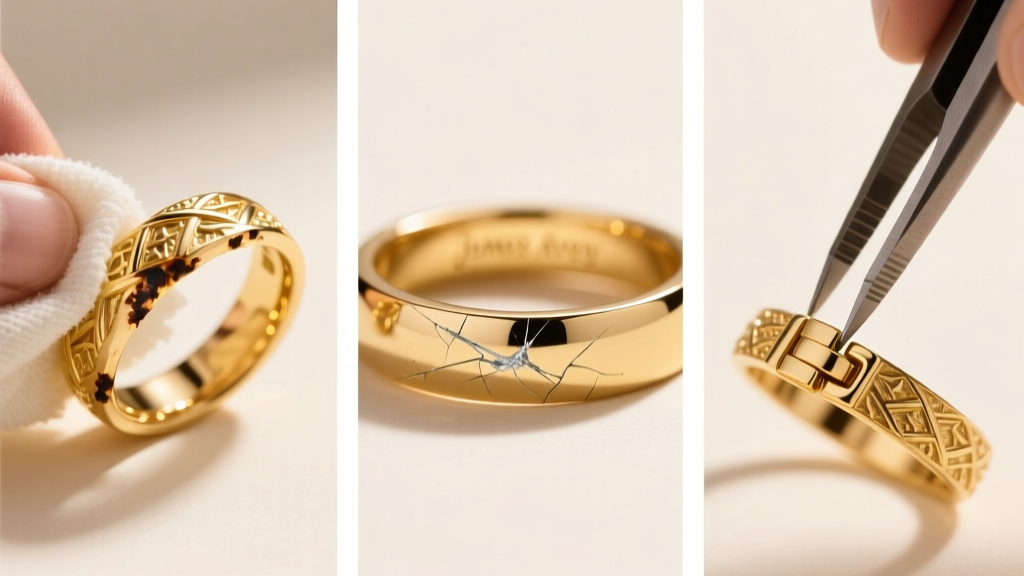
One of the most frequent complaints we hear is, "My James Avery gold charm is turning dark or reddish." If your piece is solid 14k, this is likely surface-level chemical contamination rather than true tarnish. If it is vermeil, the sterling silver core is oxidizing and bleeding through microscopic pores in the gold plating.
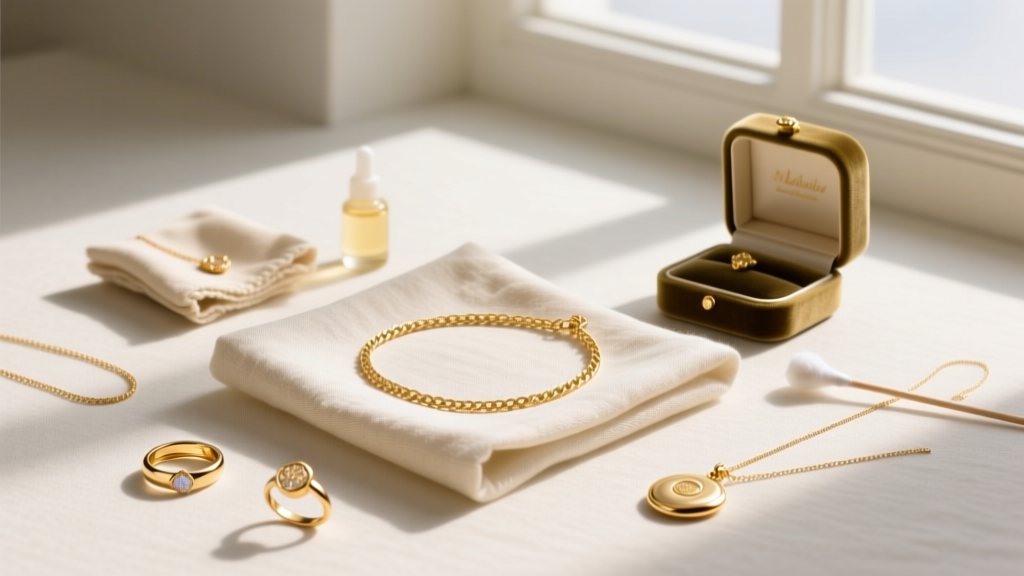
The Warm Water & Dish Soap Method (Safe for All Types)
- Prepare the Solution: Mix two cups of lukewarm distilled water with three drops of phosphate-free dish soap (like Dawn).
- Soak: Submerge the jewelry for exactly 5 to 10 minutes. Do not exceed this, especially for vermeil, as prolonged moisture exposure can accelerate silver oxidation beneath the plating.
- Agitate Gently: Use an extra-soft baby toothbrush to gently sweep the crevices. Never use stiff bristles, which will leave permanent micro-scratches on the gold.
- Rinse and Dry: Rinse under distilled water and immediately pat dry with a lint-free microfiber cloth. Air-drying leaves hard water spots that mimic tarnish.
What to Avoid at All Costs
Never use commercial silver dips or ultrasonic cleaners on gold jewelry James Avery vermeil pieces. Silver dips contain thiourea and harsh acids that will instantly strip the gold plating. Furthermore, ultrasonic waves can loosen the prongs on any pave-set diamonds or gemstones commonly found in Avery's gold cross and heart designs.
Fixing Scratches and Surface Wear on Avery Gold
Gold is inherently soft. A solid 14k James Avery bangle or wedding band will inevitably accumulate a patina of micro-scratches from daily wear. While some collectors love this "lived-in" look, others prefer a high-polish mirror finish.
- For Solid 14k/10k Gold: You can use a specialized gold polishing cloth (impregnated with jeweler's rouge) to gently buff out light surface scratches. Rub in one direction, never in circles, to maintain the grain of the metal.
- For Gold Over Sterling Silver: Stop. Do not use polishing cloths or compounds. The gold layer on James Avery vermeil is thick (usually exceeding the industry standard of 2.5 microns), but aggressive polishing will wear it down to the silver base. If a vermeil piece is heavily scratched, it requires professional re-plating (electroplating) by a certified jeweler.
Clasp and Chain Breakage: Prevention and Repair
James Avery gold necklaces often feature delicate cable or box chains secured by branded lobster clasps. A common troubleshooting scenario is a clasp that becomes stiff or a chain that snaps at the jump ring.
The Stiff Clasp Fix
If your Avery lobster clasp is sticking, it is likely clogged with microscopic debris (lotions, dead skin, dust). Do not force it or use WD-40, which leaves a gummy residue. Instead, use a wooden toothpick to gently clear the hinge mechanism, then apply a microscopic drop of mineral oil or synthetic watch oil to the hinge pin. Pump the lever a few times to distribute the lubricant, then wipe away the excess.
Chain Soldering Specifics
When a solid 14k James Avery chain breaks, traditional torch soldering can sometimes leave a visible dark seam due to the oxidation of the copper alloys in the solder. For an invisible repair, seek out a jeweler who utilizes laser welding. Laser welders use a concentrated beam of light to fuse the exact same karat gold back together without heating the surrounding links, preserving the structural integrity of delicate Avery chains.
Authenticity Checks: Is Your Avery Piece Genuine?
The secondary market for James Avery is massive, which unfortunately breeds counterfeits. If you are troubleshooting a piece you bought from a pawn shop or online marketplace, verifying its authenticity is step one.

The Three-Point Hallmark Test
Genuine James Avery gold jewelry will typically feature three distinct stamps, usually located on the back of a charm or the inside of a ring shank:
- The Maker's Mark: Look for "JA", "JAMES AVERY", or a stylized "JA" inside a specific geometric shape.
- The Cavity Mark: Many authentic Avery pieces feature a tiny stamped symbol resembling a cross or a specific geometric cavity mark next to the maker's mark. This is a hallmark of their older, highly collectible vintage pieces.
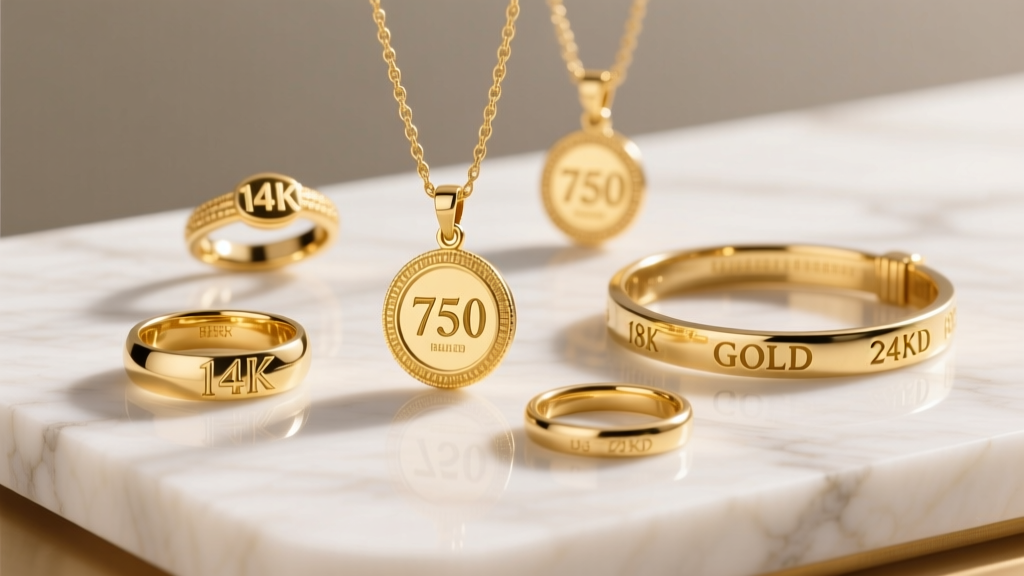
- The Metal Stamp: Solid pieces will be stamped "10K", "14K", or "18K". Vermeil pieces will be stamped "925" (indicating the sterling silver base).
If the stamps are blurry, shallow, or missing the cavity mark on a piece claimed to be vintage, proceed with extreme caution. You can verify questionable pieces by taking them to an authorized James Avery retailer or a certified gemologist.
Navigating Official James Avery Repair Services
Sometimes, troubleshooting requires professional intervention. James Avery offers an official repair program that is highly recommended for complex issues like resizing heavily textured rings or re-tipping worn prongs on diamond-set gold pieces.
As of recent service updates, official repairs for gold jewelry James Avery pieces generally range from $45 to $85 for standard chain soldering and clasp replacements, while ring sizing can cost between $65 and $120 depending on the complexity of the shank design. The turnaround time is typically 4 to 6 weeks. To initiate a repair, you must visit an official James Avery store or contact their customer service to receive a prepaid shipping label and repair authorization number. Always refer to the official James Avery Jewelry Care guidelines before attempting any third-party repairs, as unauthorized soldering or polishing will void any remaining manufacturer warranties.
Conclusion
Maintaining gold jewelry James Avery designs requires a balance of gentle daily care and informed professional maintenance. By understanding the specific metallurgical properties of your piece—whether it is a solid 14k heirloom cross or a delicate gold vermeil floral charm—you can effectively troubleshoot tarnish, scratches, and mechanical failures. Treat your jewelry with the respect its craftsmanship deserves, and it will remain a brilliant, meaningful staple in your collection for generations to come.