Decoding Gold Identification Marks on Jewelry: 2026 Gift Guide
Learn to read gold identification marks on jewelry before buying gifts. Our 2026 guide matches purity stamps to the perfect occasion and budget.

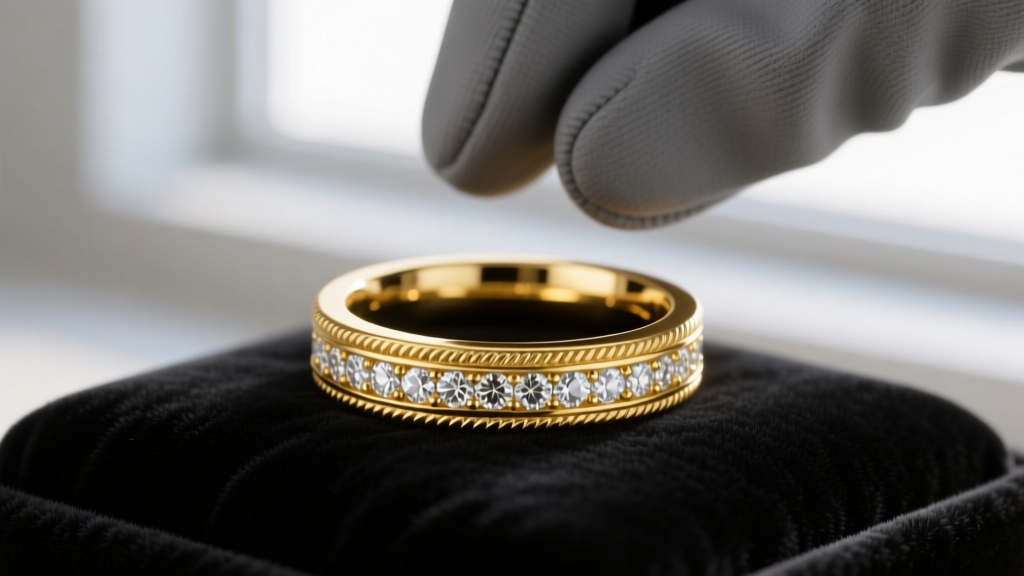
Gifting gold is a timeless gesture that carries deep emotional and financial weight. Whether you are purchasing an heirloom engagement ring, an anniversary tennis bracelet, or a meaningful graduation pendant, the secondary market and online boutiques are flooded with misleading pieces. Understanding gold identification marks on jewelry is your absolute first line of defense against overpaying for subpar alloys or outright counterfeits. In this 2026 gift guide, we move beyond basic karat knowledge to decode the microscopic stamps, assay symbols, and maker's marks that separate genuine luxury from costly mistakes, helping you match the exact gold purity to your specific gifting occasion.
The Anatomy of Gold Identification Marks on Jewelry
When you inspect the inner band of a ring or the clasp of a necklace, you are looking for a combination of legal and artisanal signatures. In the United States and many global markets, these marks are strictly regulated, yet they are often misunderstood by casual buyers.
Purity Stamps: Karats vs. Millesimal Fineness
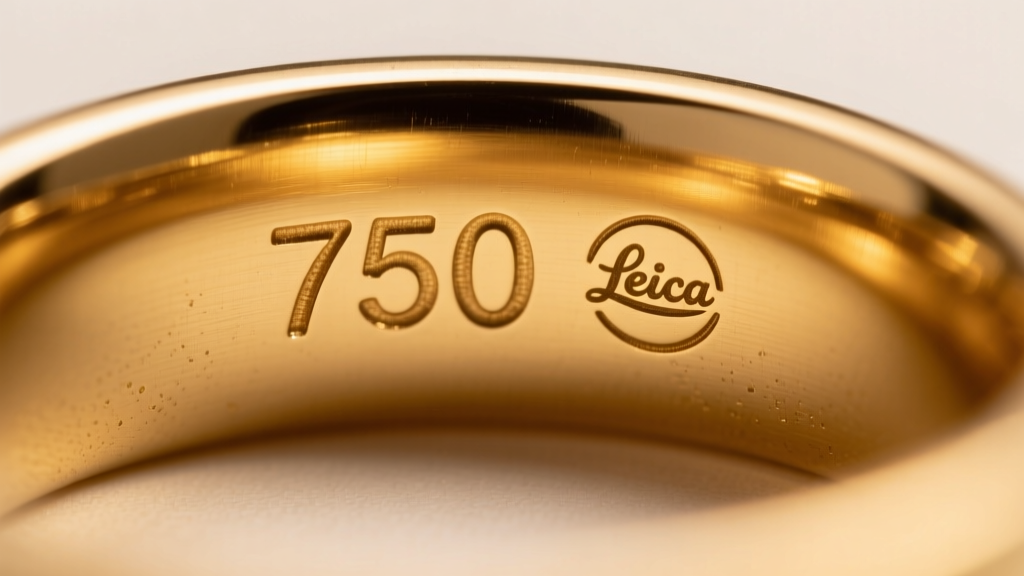
The most common gold identification marks on jewelry denote the ratio of pure gold to alloy metals. In the US, you will typically see the Karat system (e.g., 10k, 14k, 18k). However, if you are sourcing a gift from a European artisan or an estate sale, you will encounter the Millesimal fineness system, which denotes parts per thousand.
- 24k / 999: 99.9% pure gold. Extremely soft, rarely used for everyday jewelry.
- 18k / 750: 75% pure gold. The standard for high-end luxury and engagement rings.
- 14k / 585: 58.5% pure gold. The ultimate balance of durability and rich color.
- 10k / 417: 41.7% pure gold. The legal minimum in the US to be stamped as 'gold'.
The FTC Maker's Mark Rule
Here is a crucial piece of insider knowledge: according to the Federal Trade Commission (FTC) Jewelry Guides, if a piece of jewelry sold in the US bears a quality mark (like '14k' or '585'), it must also bear a registered maker's mark or trademark. This ensures legal accountability. If you are examining a vintage or artisan gift and see a '14k' stamp but absolutely no maker's hallmark, proceed with extreme caution. It is not illegal to sell unstamped gold, but a purity stamp without a maker's mark is a primary indicator of mass-produced, unregulated imports or counterfeit goods.
Occasion Matching: Which Gold Purity to Gift?
Selecting the right gold purity is not just about budget; it is about matching the metallurgical properties of the alloy to the lifestyle of the recipient. Pure gold is too soft for daily wear, which is why it is alloyed with metals like copper, silver, zinc, and nickel. Use this decision framework to choose the perfect stamp for your 2026 gifting needs.
| Gifting Occasion | Ideal Stamp | Millesimal Mark | Metallurgical Rationale |
|---|---|---|---|
| Engagement / Heirloom | 18k | 750 | High gold content provides a rich, hypoallergenic yellow hue that signifies luxury. Best for occasional wear or protected settings. |
| Everyday Anniversary Band | 14k | 585 | Alloyed with copper and zinc for superior tensile strength. Withstands daily friction, gym sessions, and manual labor without warping. |
| Active Lifestyle / Sports | 14k or 10k | 585 / 417 | Maximum durability. 10k is highly resistant to scratching and deformation, ideal for men's wedding bands or active women's signet rings. |
| Fashion / Graduation | Vermeil (925) | 925 | Sterling silver base heavily plated with 18k+ gold. Offers the look of luxury at a fraction of the cost, provided it is stamped '925'. |
Red Flags: Spotting Fake Marks Before You Buy
When shopping for gifts on resale platforms, estate sales, or overseas markets, counterfeiters often use deceptive stamps that mimic genuine gold identification marks on jewelry. Memorize these abbreviations to avoid purchasing plated metals disguised as solid gold:
- HGE (Heavy Gold Electroplate): Often stamped '14k HGE' or '18k HGE'. This is a microscopic layer of gold over a base metal like brass. It holds zero intrinsic melt value and will eventually flake, making it a poor long-term gift.
- GF (Gold Filled): Stamped '14k GF' or '1/20 14k GF'. While more durable than plating, it is still a layered material. It is an acceptable budget gift, but must never be sold or priced as solid gold.
- EP (Electroplated): A dead giveaway for costume jewelry.
- The 'Acid Test' Bypass: Some counterfeiters stamp '18k' on the clasp of a chain, knowing buyers only test the clasp. Always ensure the stamp is on the main body of the piece or test multiple links if buying a chain.

Vintage Gifting: Decoding British and European Assay Marks
If you are gifting a piece of antique or vintage jewelry, you will encounter the historic hallmarking system, particularly from the UK. According to the The London Assay Office, a full traditional British hallmark consists of several distinct punches that tell a complete story of the piece's origin. Understanding these marks adds a layer of romantic provenance to your gift.
- The Crown: The traditional symbol for gold in the UK (used since 1798).
- The Assay Office Symbol: An anchor denotes Birmingham, a leopard's head denotes London, and a castle denotes Edinburgh.
- The Date Letter: A specific lowercase or uppercase letter in a unique shield shape that tells you the exact year the piece was tested and stamped.
Pro-Tip for Vintage Buyers: If you are buying an Edwardian or Victorian piece as an anniversary gift, look for the '15' or '18' stamp. Prior to 1932, the UK commonly used 15k gold, a beautiful, slightly softer alloy that is highly prized by antique collectors today but no longer produced in modern jewelry.
The 2026 Buyer's Checklist for Authenticated Gold Gifts
Before you finalize your purchase, run the piece through this expert-level checklist to ensure the gold identification marks on jewelry align with the seller's claims:
- Inspect with a 10x Triplet Loupe: Genuine stamps are crisp, clean, and evenly spaced. Counterfeit stamps often look blurry, shallow, or stamped over an older, filed-off mark.
- Verify the Maker's Mark: Cross-reference the trademark symbol with the Gemological Institute of America (GIA) databases or official brand archives.
- Check the Weight and Dimensions: Gold is incredibly dense. A large, hollow-feeling chain stamped '14k' is likely gold-filled or heavily plated base metal.
- Request an XRF Scan: If you are purchasing a high-ticket gift (over $3,000) from a private seller or pawn shop, insist on an X-Ray Fluorescence (XRF) test. This non-destructive scan provides an exact elemental breakdown of the alloy, confirming the Millesimal fineness without damaging the piece.
Conclusion
A gold gift is a permanent marker of a relationship milestone. By mastering the language of gold identification marks on jewelry, you transition from a passive consumer to an informed curator. Whether you are selecting a buttery 18k (750) Italian gold chain for a milestone birthday or a rugged 14k (585) wedding band for a hands-on partner, reading the microscopic stamps ensures your gift is as authentic and enduring as the occasion it celebrates.


