Does Gold Filled Jewelry Tarnish? A Budget Buyer's Guide
Does gold filled jewelry tarnish? We break down the science, lifespan, and true budget value of gold filled pieces versus plated and solid gold.

The Short Answer: Does Gold Filled Jewelry Tarnish?
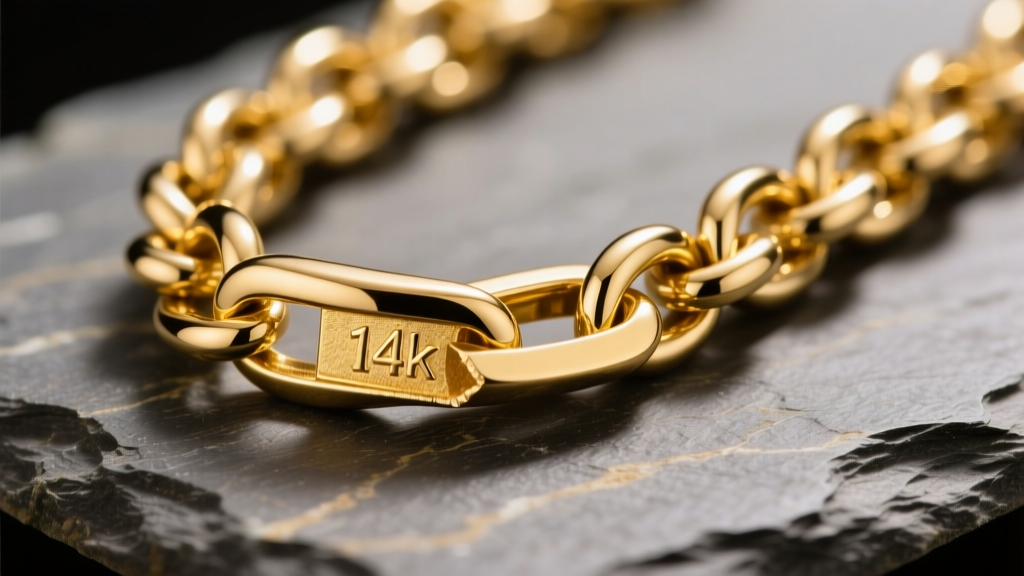
When building a jewelry collection on a budget, the question inevitably arises: does gold filled jewelry tarnish? The short answer is no, the gold layer itself will not tarnish under normal conditions, but the base metal core can if it becomes exposed. Unlike cheap gold-plated accessories that turn your skin green within weeks, high-quality gold filled jewelry is engineered to last for decades. However, understanding the limitations, failure modes, and true financial value of this material is critical for any budget-conscious collector in 2026.
To understand why gold filled pieces resist tarnish, we must look at the strict manufacturing standards that separate them from the rest of the affordable jewelry market. According to the Federal Trade Commission (FTC), a product can only be legally classified as "gold filled" if the gold alloy constitutes at least 5% (or 1/20th) of the total weight of the metal item. This massive volume of gold compared to standard plating is what provides its legendary tarnish resistance.
The Science of Gold Filled: Mechanical Bonding vs. Electroplating
To truly assess the value of gold filled jewelry, you need to understand how it is made. Gold filled metal is not created through electroplating, which uses electrical currents to deposit a microscopic, porous layer of gold onto a base metal. Instead, gold filled metal is created through a process of mechanical bonding using extreme heat and pressure.
Single-Clad vs. Double-Clad Construction
Manufacturers typically use a core of jeweler's brass (an alloy of copper and zinc) or occasionally copper. The gold alloy—usually 12k or 14k gold—is fused to the core. In sheet metal form, this is often "double-clad," meaning a layer of gold is bonded to both the top and bottom of the brass core. In wire form, it is typically "single-clad" or drawn so the gold wraps entirely around the cylindrical brass core. Because the gold layer is mechanically fused and incredibly thick (often 50 to 100 times thicker than standard gold plate), it acts as an impermeable shield. Since pure gold and high-karat gold alloys do not react with oxygen or moisture, the shielded brass core cannot oxidize, meaning the piece will not tarnish.
When Gold Filled *Does* Tarnish: Failure Modes & Triggers
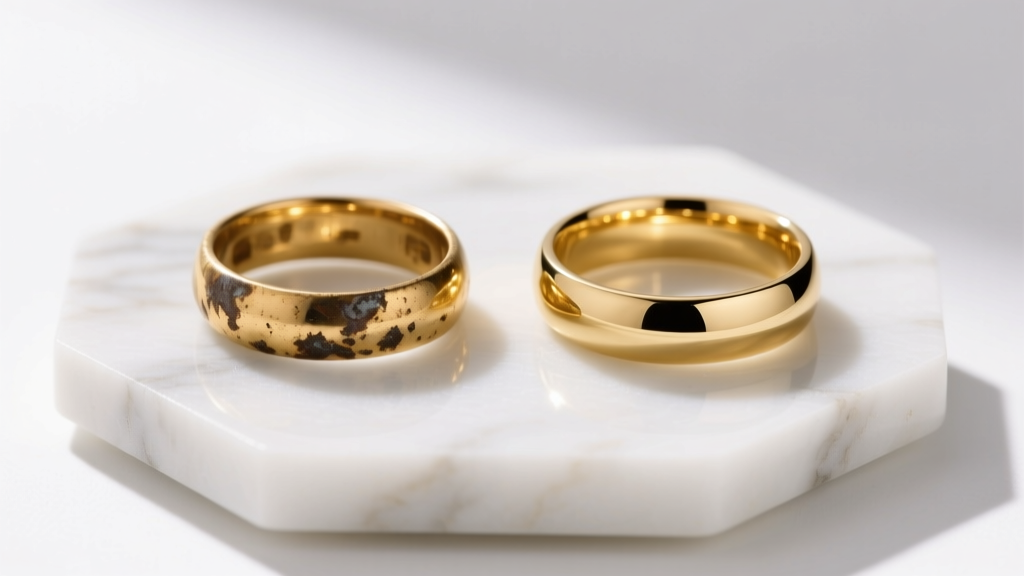
While the gold layer is highly resilient, there are specific scenarios where a gold filled piece will exhibit tarnish or discoloration. As a budget buyer, knowing these failure modes will help you inspect pieces before purchasing and care for them properly afterward.
- Exposed Core at Cut Ends: When a gold filled chain is cut, or when jump rings are sawed, the brass core is exposed at the microscopic cross-section. Over years of wear, these tiny exposed dots can oxidize, creating minuscule dark spots. High-end jewelers seal these ends with specialized clear coatings or laser soldering to prevent this.
- Friction and Wear-Through: If a gold filled piece is subjected to extreme, continuous friction (such as a ring worn during manual labor or weightlifting), the 5% gold layer can eventually wear away, exposing the brass underneath. Once exposed, the copper in the brass will rapidly oxidize and turn the skin green.
- Chemical Degradation: While gold is inert, harsh chemicals like chlorine (in pools or bleach) and sulfur can degrade the alloy metals mixed into the 12k or 14k gold layer. This doesn't tarnish the gold itself, but it can cause surface pitting and a dull, darkened patina on the alloyed metals.
- Soldering Burns: If a jeweler attempts to repair a gold filled chain using a traditional torch rather than a laser welder, the intense heat will burn away the gold layer and melt the brass, leaving a permanent black, tarnished scar at the repair site.
Budget & Value Assessment: Is Gold Filled Worth It?
From a purely financial perspective, gold filled jewelry occupies the ultimate sweet spot for buyers who want the look, feel, and hypoallergenic properties of solid gold without the exorbitant commodity pricing. Let's break down the real-world market value and lifespan of gold filled jewelry compared to its closest alternatives.
| Material Type | Gold Content (by weight) | Average Retail Price (16" Chain) | Estimated Lifespan | Tarnish Resistance |
|---|---|---|---|---|
| Gold Plated (Brass Base) | < 0.05% | $15 - $35 | 3 - 12 Months | Very Poor |
| Gold Vermeil (Sterling Base) | ~ 0.1% (2.5 microns) | $45 - $90 | 1 - 3 Years | Moderate |
| 14k Gold Filled (Brass Base) | 5% (1/20th) | $50 - $110 | 10 - 30+ Years | Excellent |
| Solid 14k Gold | 58.3% | $350 - $800+ | Generational | Superior |
As the data illustrates, a 14k gold filled chain offers a lifespan that is easily 10 to 30 times longer than gold vermeil or plated options, yet it only costs a fraction more upfront. For budget buyers, the cost-per-wear of a $75 gold filled chain that lasts 15 years is vastly superior to buying a $25 plated chain every eight months. Furthermore, because the base metal is sealed, gold filled jewelry is generally hypoallergenic, making it a safe investment for those with nickel or copper sensitivities—a common issue with cheap plated alternatives.
How to Maximize the Lifespan of Your Gold Filled Pieces
To ensure your gold filled investments retain their brilliant luster and structural integrity for decades, you must adopt a care routine that respects the mechanical bond of the metal. The experts at Rio Grande, a premier jewelry supply manufacturer, emphasize that treating gold filled metal with the same care as solid gold will yield virtually identical longevity.
Pro Tip: Never use abrasive polishing cloths (like treated Sunshine cloths) on gold filled jewelry. These cloths contain micro-abrasives designed to strip tarnish from solid silver, but they will literally sand away your precious 5% gold layer over time, exposing the brass core.
Actionable Care Steps for Budget Collectors
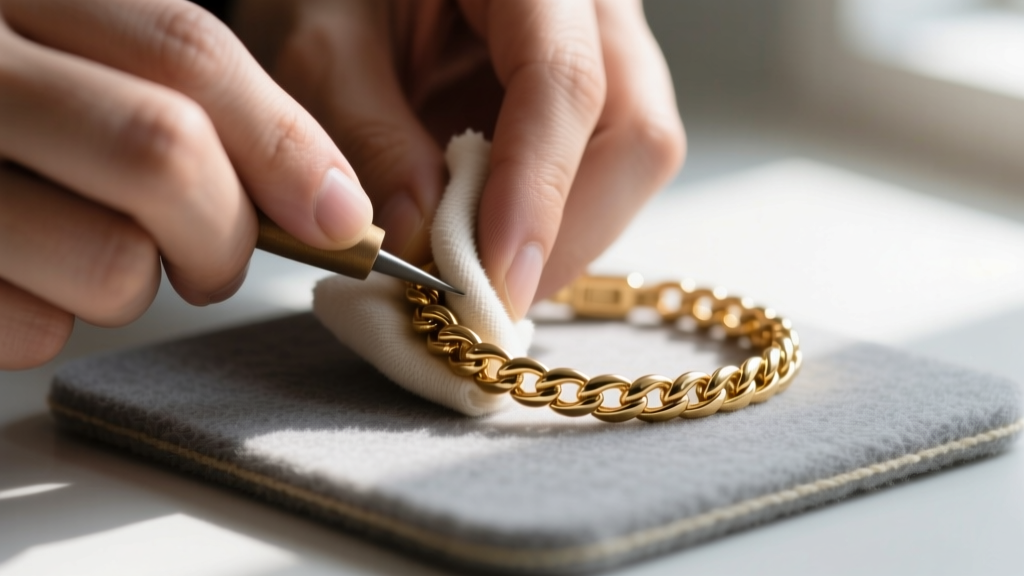
- Daily Cleaning: After wearing, gently wipe the piece with a soft, untreated microfiber cloth to remove skin oils, lotions, and environmental dust. This prevents the slow buildup of grime that can dull the gold's natural reflectivity.
- Deep Cleaning: Once a month, soak the jewelry in a bowl of warm water mixed with a few drops of mild, phosphate-free dish soap (like Dawn). Use an extra-soft baby toothbrush to gently agitate the crevices, particularly around clasps and jump rings where dirt accumulates. Rinse with distilled water and pat completely dry.
- Chemical Avoidance: Always remove gold filled jewelry before entering a chlorinated pool, using household bleach, or applying self-tanners and sulfur-based acne medications. These chemicals are the primary catalysts for surface degradation.
- Proper Storage: Store pieces individually in airtight ziplock bags or anti-tarnish flannel pouches. While the gold won't tarnish, keeping the pieces separated prevents the gold layers from scratching each other, preserving the mirror finish.
Final Verdict for the Budget-Conscious Collector
So, does gold filled jewelry tarnish? When manufactured to FTC standards and cared for properly, the gold surface will remain bright and untarnished for a lifetime. For the budget-conscious collector, gold filled represents the undisputed champion of value in the jewelry market. It bridges the gap between the disposable nature of fast-fashion plating and the prohibitive costs of solid 14k or 18k gold. By understanding the mechanical realities of the 1/20th gold layer, avoiding harsh chemical exposures, and recognizing the signs of poor manufacturing (such as unsealed cut ends), you can confidently build a luxurious, enduring jewelry collection without compromising your financial goals. For deeper insights into gold alloys and their properties, the Gemological Institute of America (GIA) provides excellent foundational resources on gold purity and metallurgy.


