Does Gold Plated Jewelry Tarnish? The Science & Care Guide
Discover if gold plated jewelry tarnishes, why it happens, and how to prevent it. Compare plating types, base metals, and expert care tips.

The Short Answer: Why Gold Plated Jewelry Tarnishes
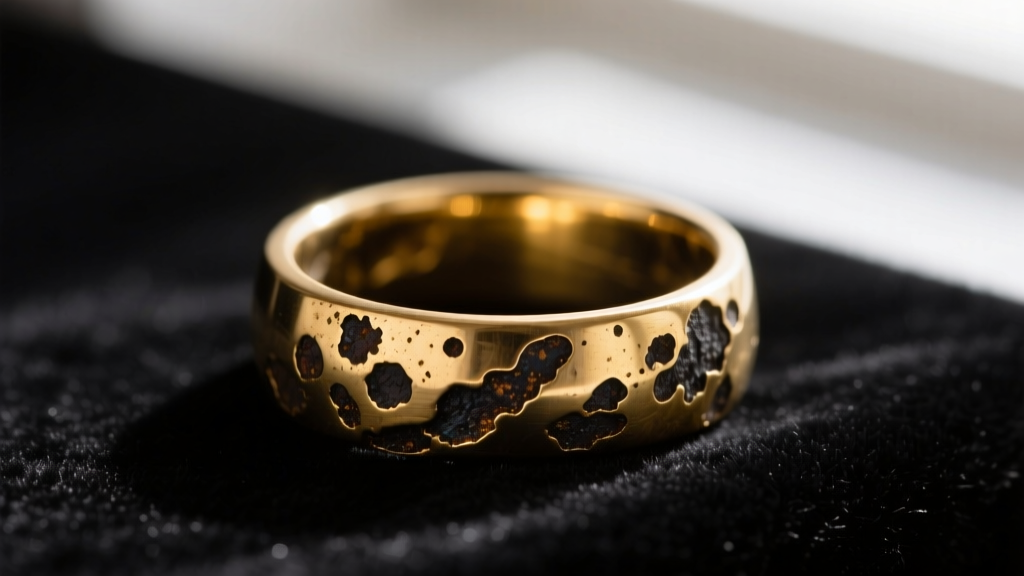
When shoppers ask, "does gold plated jewelry tarnish?" the short answer is an unequivocal yes. However, the gold itself is not the culprit. Pure gold (24k) is a noble metal, meaning it is highly resistant to corrosion, oxidation, and tarnish. The tarnishing you see on gold plated jewelry is actually the base metal beneath the gold layer reacting with environmental elements.
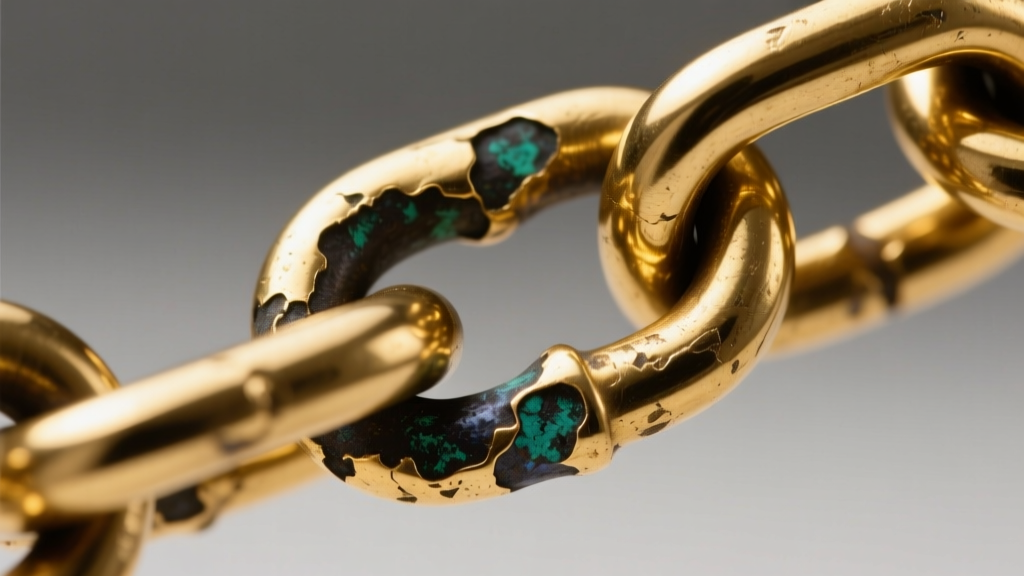
Gold plating involves using an electrical current to bond a microscopic layer of gold onto a cheaper base metal, such as brass, copper, or stainless steel. Over time, friction, skin acids, and environmental pollutants wear down this ultra-thin gold barrier. Once the base metal is exposed to oxygen and sulfur compounds in the air, it begins to oxidize, resulting in the dark, dull, or greenish discoloration we recognize as tarnish.
Understanding the electrochemistry behind this process is the first step toward making informed purchasing decisions and extending the lifespan of your favorite accessories.
The Anatomy of Plating: Base Metals and Micron Thickness
The longevity of gold plated jewelry is dictated by two primary factors: the thickness of the gold layer (measured in microns) and the reactivity of the base metal core. According to the Federal Trade Commission (FTC) Jewelry Guides, a piece must have a gold layer of at least 0.175 microns (approximately 7 millionths of an inch) to be legally marketed as "gold plated."
In the modern jewelry market, you will encounter three main tiers of electroplating thickness:
- Flash Plating (Under 0.175 microns): Often found in ultra-cheap fast fashion. The gold layer is practically a wash and will wear off within weeks of daily use.
- Standard Gold Plated (0.5 to 1.0 microns): The industry standard for mid-tier fashion jewelry. With proper care, it can last 6 to 12 months of regular wear before the base metal begins to show.
- Heavy Gold Plated (2.5+ microns): Sometimes referred to as "gold electroplate." This thicker layer offers significantly more durability and can last several years, though it is still subject to eventual wear.
Equally important is the base metal. High-quality manufacturers often use a "barrier layer" of nickel or palladium between a copper core and the gold plating to prevent copper atoms from migrating to the surface and causing rapid tarnishing.
| Base Metal | Tarnish Speed | Skin Reaction Risk | Common Use Cases |
|---|---|---|---|
| Brass (Copper/Zinc) | Fast | High (Green skin) | Budget fashion jewelry, large statement pieces |
| Copper | Very Fast | High (Green/black skin) | Artisan pieces, antique-style replicas |
| Sterling Silver | Moderate | Low (Black smudges) | Gold Vermeil, premium demi-fine jewelry |
| Stainless Steel | Very Slow | None | Modern minimalist jewelry, waterproof pieces |
Gold Plated vs. Vermeil vs. Gold Filled: A Tarnish Comparison
To truly understand how different gold alternatives hold up against tarnish, we must compare standard plating to its closest market competitors. While they all feature a gold exterior, their structural integrity varies wildly.
Gold Vermeil (Pronounced Ver-May)
Vermeil is a specific type of gold plating where the base metal must be sterling silver, and the gold layer must be at least 2.5 microns thick (usually 14k or 18k). Does gold plated jewelry tarnish if it's vermeil? Yes, but differently. Sterling silver contains copper, which will eventually tarnish black when exposed to sulfur. However, because silver is a precious metal, it will not turn your skin green, making it a superior choice for sensitive skin.
Gold Filled
Gold filled jewelry is not actually "filled" with gold; rather, it consists of a thick outer layer of solid gold that is mechanically bonded to a brass core using extreme heat and pressure. By law, the gold must constitute at least 5% of the total weight of the item. Because the gold layer is exponentially thicker than electroplating (often 50 to 100 times thicker), gold filled jewelry is highly resistant to tarnishing and can last decades.
PVD Gold Coating (The 2026 Standard)
Physical Vapor Deposition (PVD) is a modern vacuum-coating process increasingly used in premium stainless steel jewelry. Unlike traditional electroplating, PVD bonds gold at a molecular level, creating a surface that is up to 10 times more resistant to sweat, friction, and tarnish. If you are looking for truly "waterproof" gold jewelry that will not tarnish, PVD-coated 316L stainless steel is currently the most durable option on the market.
Environmental Triggers: The Electrochemistry of Tarnish
Tarnishing is not just a matter of time; it is a chemical reaction accelerated by specific environmental and biological triggers. The primary mechanism at play is galvanic corrosion, which occurs when two dissimilar metals (the gold and the base metal) are exposed to an electrolyte (your sweat).
Here are the most aggressive catalysts for tarnishing gold plated jewelry:
- Skin pH and Sweat: Human sweat is naturally acidic, containing salts, urea, and lactic acid. If you have a lower (more acidic) skin pH, you will break down gold plating significantly faster. The chloride in sweat reacts with copper base metals to form copper chloride, which causes the dreaded green stain on your skin.
- Sulfur Compounds: Sulfur is the enemy of silver and copper. Environments with high sulfur content (including certain urban pollution profiles, hot springs, and even the sulfur in foods like garlic and eggs transferred via touch) will cause the base metals to oxidize rapidly.
- Cosmetics and Lotions: Many body lotions, sunscreens, and perfumes contain chemical compounds and micro-abrasives (like zinc oxide or titanium dioxide) that act like liquid sandpaper, physically stripping the micron-thin gold layer away.
- Chlorine and Saltwater: Swimming pools and the ocean are highly corrosive. Chlorine can cause a base metal core to crack and degrade from the inside out, a phenomenon known as stress corrosion cracking.
Expert Maintenance: Prolonging the Life of Your Plating
Because the gold layer is so fragile, traditional jewelry cleaning methods will destroy gold plated pieces. Never use ultrasonic cleaners, steam cleaners, or harsh chemical dips on gold plated jewelry. The high-frequency vibrations of an ultrasonic cleaner will literally shatter the microscopic gold bond, causing it to flake off in sheets.
"The golden rule of gold plating is gentle friction and neutral chemistry. Treat it like a delicate textile, not a solid metal." — Master Bench Jeweler
Follow this exact protocol to clean and maintain your gold plated items:
- The Soak: Mix a few drops of pH-neutral dish soap (like original Dawn) into a bowl of lukewarm distilled water. Avoid tap water, as the minerals and chlorine can leave micro-deposits.
- The Agitation: Submerge the jewelry for no more than 3 to 5 minutes. Gently agitate the water with your fingers. Do not use a toothbrush, even a soft-bristled one, as the bristles will create micro-scratches in the gold.
- The Rinse: Rinse the piece thoroughly under a gentle stream of distilled water to remove all soap residue.
- The Dry: Pat the jewelry completely dry with a clean, lint-free microfiber cloth. Ensure no moisture is trapped in the crevices or chain links, as lingering water will accelerate base metal oxidation.
- The Storage: Store gold plated pieces in individual anti-tarnish cloth pouches or ziplock bags with a silica gel packet to control humidity. Never store multiple pieces loose in a box, as friction will wear the plating away.
When to Replate: 2026 Cost and Viability Guide
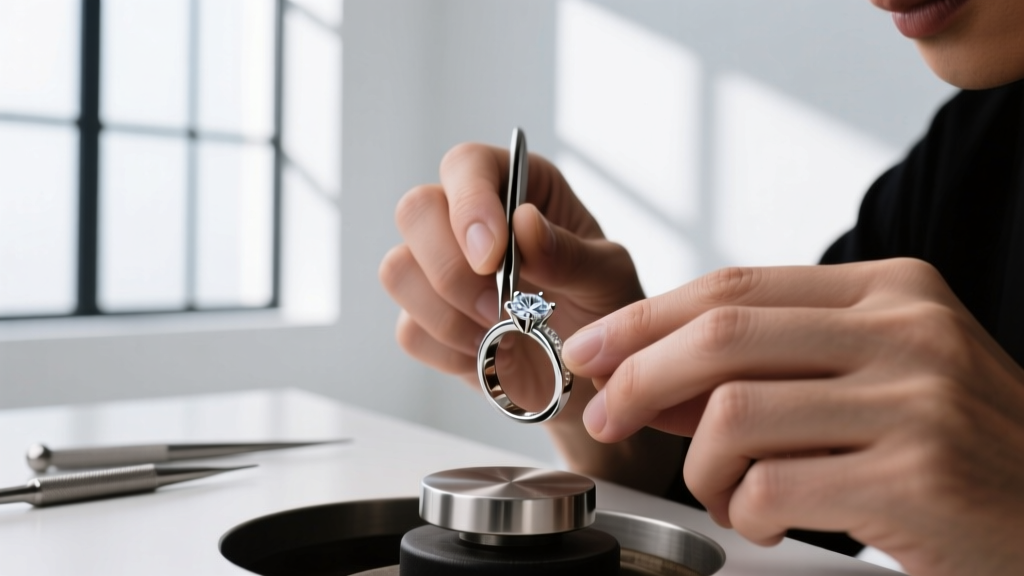
Eventually, no amount of care will prevent the plating from wearing through on high-friction areas like ring bands and bracelet clasps. When the base metal shows through, you have the option to have the piece professionally replated.
As of 2026, the cost to professionally re-electroplate a standard piece of jewelry ranges from $40 to $85, depending on the item's size and the karat of gold used (14k vs. 18k). Rings and bracelets require more frequent replating due to friction, while necklaces and earrings can often go years without needing a refresh.
Is it worth it? If the piece holds sentimental value or features high-quality gemstone settings, replating is a highly cost-effective way to restore it. However, if the base metal has deeply pitted or corroded, a jeweler will need to polish out the pitting first, which may alter the design. For inexpensive fast-fashion brass pieces, the cost of professional replating usually exceeds the replacement value of the item, making it more economical to upgrade to solid gold, gold filled, or PVD-coated alternatives.


