Is Fran and Co Jewelry Real Gold? Material Breakdown & Care Guide
Discover if Fran and Co jewelry is real gold, explore their material grades, and learn expert cleaning and maintenance tips to prevent tarnishing.

The Truth Behind the Brand: Is Fran and Co Jewelry Real Gold?
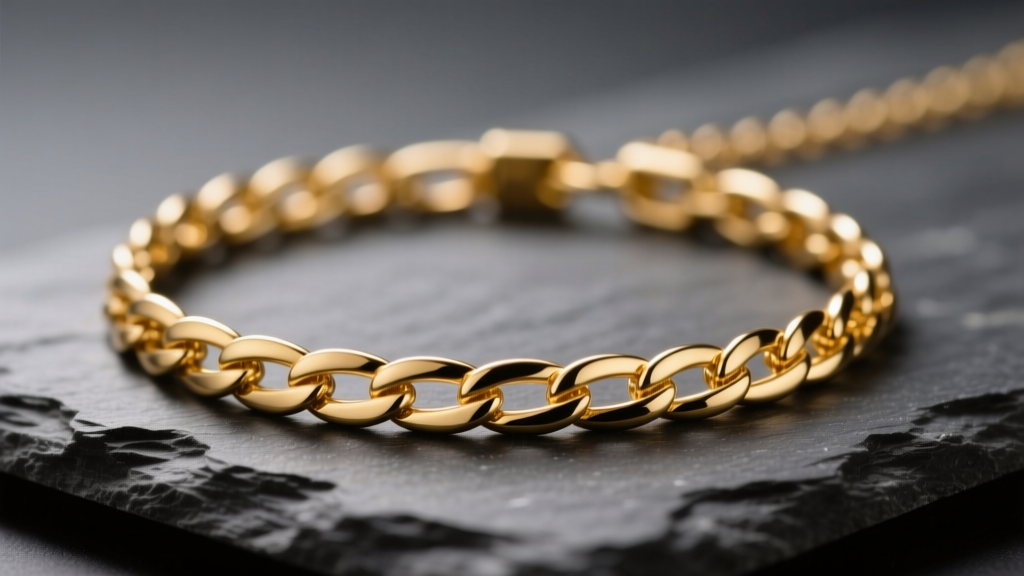
When shopping for boutique or fashion-forward jewelry, a common question among discerning buyers is: is fran and co jewelry real gold? The answer requires a nuanced understanding of modern jewelry manufacturing and material grading. Brands like Fran and Co., along with similar contemporary jewelers, typically offer a tiered material strategy rather than a single blanket composition. While their fine jewelry collections often feature genuine solid 14k or 18k gold, their more accessible, trend-driven pieces usually utilize gold vermeil or high-quality gold plating over brass or sterling silver bases.
Understanding exactly what you are wearing is the foundational step in jewelry preservation. Solid gold will never rust or tarnish, but alloyed gold (like 14k) and gold-plated alternatives require highly specific maintenance routines to prevent the underlying base metals from oxidizing. In this comprehensive 2026 care guide, we break down the exact material compositions you might encounter and provide actionable, expert-level maintenance protocols to keep your pieces looking pristine.
Material Identification Matrix: What Are You Actually Wearing?
Before applying any cleaning solution, you must identify your jewelry's core material. According to the Gemological Institute of America (GIA), the karatage and plating thickness dictate the structural integrity and tarnish resistance of the piece. Below is a diagnostic matrix to help you identify your jewelry type based on hallmarks, pricing, and visual wear.
| Material Type | Base Metal | Gold Layer Thickness | Hallmark Stamp | Tarnish Risk |
|---|---|---|---|---|
| Solid 14k Gold | N/A (Alloyed with copper/silver) | Solid throughout | 14k, 585 | Very Low |
| Solid 18k Gold | N/A (Alloyed with copper/silver) | Solid throughout | 18k, 750 | Extremely Low |
| Gold Vermeil | Sterling Silver (925) | Minimum 2.5 microns | 925, Vermeil | Moderate (if worn through) |
| Gold Plated | Brass, Copper, or Steel | Less than 0.5 microns | GP, GEP, HGP | High |
| Gold Filled | Brass or Copper | Minimum 5% of total weight | 1/20 14k GF | Low |
If your Fran and Co. piece is stamped with '925', it is gold vermeil. If it lacks a stamp or is marked 'GP', it is flash-plated. Solid gold pieces will almost always bear a 10k, 14k, or 18k stamp. Identifying this stamp dictates whether you can use liquid cleaners or must rely on dry-polishing methods.
The Chemistry of Tarnish: Why Non-Solid Gold Degrades
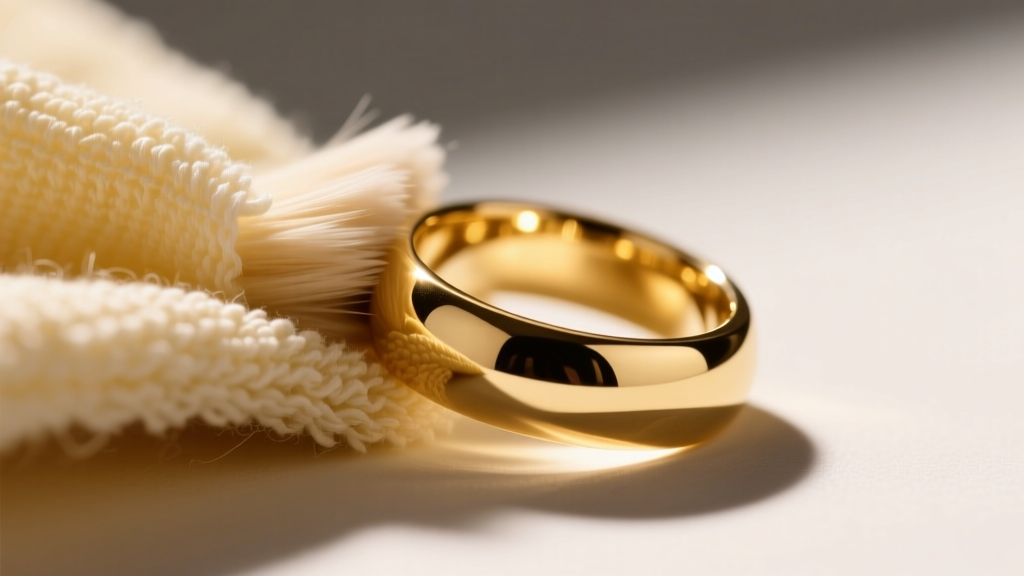
To master jewelry care, you must understand the enemy: oxidation. Pure 24k gold is highly unreactive, which is why it remains untarnished for centuries. However, because 24k gold is too soft for daily wear, it is alloyed with metals like copper, zinc, and silver to create 14k and 18k gold. When these alloy metals are exposed to sulfur compounds in the air, chlorine in tap water, or the natural lactic acid and salts in human sweat (which typically has a pH between 4.5 and 7.0), they undergo a chemical reaction that results in tarnish—a dark, dull film on the surface.
For gold vermeil and gold-plated jewelry, the risk is amplified. Once the microscopic outer layer of gold wears away due to friction, the underlying sterling silver or brass is exposed directly to the elements. Brass, which contains high levels of copper, will rapidly oxidize and can even leave a green residue on your skin. Therefore, the primary goal of maintaining non-solid gold jewelry is to protect the outer gold layer from mechanical abrasion and chemical degradation.
Expert Cleaning Protocols by Material Type
The Jewelers of America emphasizes that using the wrong cleaning method can permanently strip plating or scratch high-polish finishes. Follow these material-specific protocols to safely restore your jewelry's luster.
Protocol A: Solid 10k, 14k, and 18k Gold
Solid gold is resilient and can handle gentle aqueous cleaning methods to remove sebum, lotion buildup, and environmental dust.
- The Solution: Mix three drops of a mild, phosphate-free dish soap (like Dawn Ultra) into a bowl of lukewarm distilled water. Avoid hot water, which can expand metal settings and loosen gemstones.
- The Soak: Submerge the solid gold jewelry for exactly 10 to 15 minutes. Do not exceed this time if the piece contains porous gemstones like opals or pearls.
- The Agitation: Use an extra-soft baby toothbrush to gently sweep the crevices, particularly around prong settings and jump rings where dead skin cells accumulate.
- The Rinse & Dry: Rinse thoroughly under a gentle stream of distilled water. Pat dry with a lint-free microfiber cloth, ensuring no moisture remains in the clasp mechanisms.
Protocol B: Gold Vermeil and Gold Plated Jewelry
Vermeil and plated pieces require a highly conservative approach. The gold layer is measured in microns, and aggressive brushing or chemical soaking will strip it entirely.
- Avoid Ultrasonic Cleaners: Never place vermeil or plated jewelry in an ultrasonic cleaner. The high-frequency sound waves create microscopic cavitation bubbles that will blast the thin gold layer right off the base metal.
- The Dry Polish Method: For routine maintenance, use a clean, dry, untreated microfiber cloth. Gently rub the surface in one direction to lift oils and restore shine without creating micro-scratches.
- Spot Cleaning: If the piece is heavily soiled, lightly dampen a cotton swab with a 50/50 mix of distilled water and mild soap. Wipe the soiled area gently, then immediately dry it with a separate, dry cotton swab. Never submerge plated jewelry.
Advanced Tarnish Removal & Polishing Warnings
If your gold vermeil or alloyed solid gold has already developed a dark, oxidized patina, you must proceed with extreme caution. Many commercial 'gold dips' and liquid tarnish removers contain thiourea and harsh acids that are formulated for solid silver or solid gold. These chemicals will instantly dissolve gold plating and ruin vermeil finishes.
Instead, opt for a specialized jewelry polishing cloth embedded with microscopic jeweler's rouge, such as the industry-standard Sunshine Cloth. When using a treated polishing cloth on solid 14k gold, apply minimal pressure and avoid rubbing the same spot repeatedly, as the mild abrasives will eventually wear down the metal. For vermeil, use only the untreated inner layer of a dual-sided polishing cloth to buff away surface oxidation without abrading the gold micron layer.
Long-Term Storage & Maintenance Framework
Proper storage is just as critical as active cleaning. Environmental sulfur and humidity are the primary catalysts for tarnish. To maximize the lifespan of your Fran and Co. pieces, implement the following storage framework:
Never store multiple jewelry pieces loose in the same drawer or box. The friction between pieces will cause micro-scratches, and if one piece is tarnishing, it can off-gas sulfur compounds that accelerate the tarnishing of neighboring items.
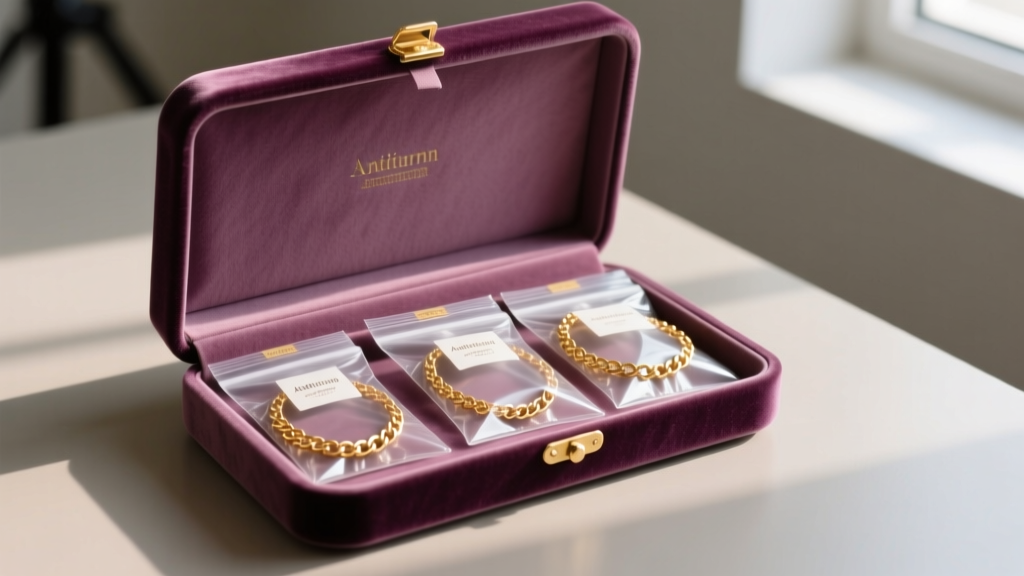
- Individual Containment: Store each piece in its own airtight, anti-tarnish polyethylene ziplock bag. Squeeze out all excess air before sealing.
- Chemical Interceptors: Place a 3M anti-tarnish strip or a silica gel desiccant packet inside each bag. These strips absorb airborne sulfur and moisture, neutralizing the environment.
- Climate Control: Keep your jewelry box in a cool, dry room. Bathrooms are the worst possible storage location due to the extreme fluctuations in humidity and temperature from daily showers.
Troubleshooting Common Wear Issues
Issue: The jewelry is turning my skin green.
This is not a sign of 'fake' gold, but rather a chemical reaction between the copper alloys in 10k/14k gold (or the brass base of plated jewelry) and the acidity of your sweat. To prevent this, wipe the jewelry down with a dry cloth immediately after wearing it. For a permanent fix on rings, have a local jeweler apply a microscopic layer of rhodium plating to the interior band, creating an inert barrier between the metal and your skin.
Issue: The gold color is fading or looking brassy.
If a vermeil or plated piece has worn through to the base metal, no amount of cleaning will restore the gold color. The piece must be professionally replated. Most local jewelers offer electroplating services for a nominal fee, allowing you to restore the piece to its original glory, often with a thicker, more durable 2.5-micron gold layer.
Final Verdict on Brand Care
So, is Fran and Co jewelry real gold? It depends entirely on the specific collection and price point you are purchasing. By closely inspecting the hallmarks and understanding the material matrix outlined above, you can accurately identify your pieces. Whether you own a solid 14k heirloom or a trendy 18k vermeil statement piece, adhering to these strict, material-specific cleaning and storage protocols will ensure your jewelry remains radiant, structurally sound, and free from tarnish for years to come.


