How Long Does Gold Filled Jewelry Last? A Technical Lifespan Guide
Discover exactly how long gold filled jewelry lasts based on metallurgical bonds, wear rates, and item type. Expert technical lifespan analysis.

The Metallurgical Reality: What Gold Filled Actually Means
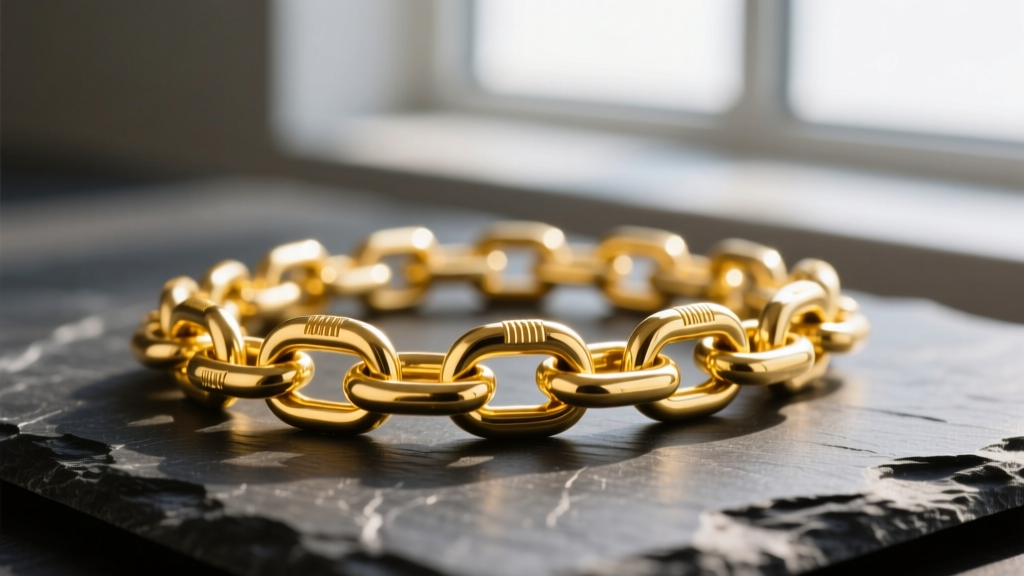
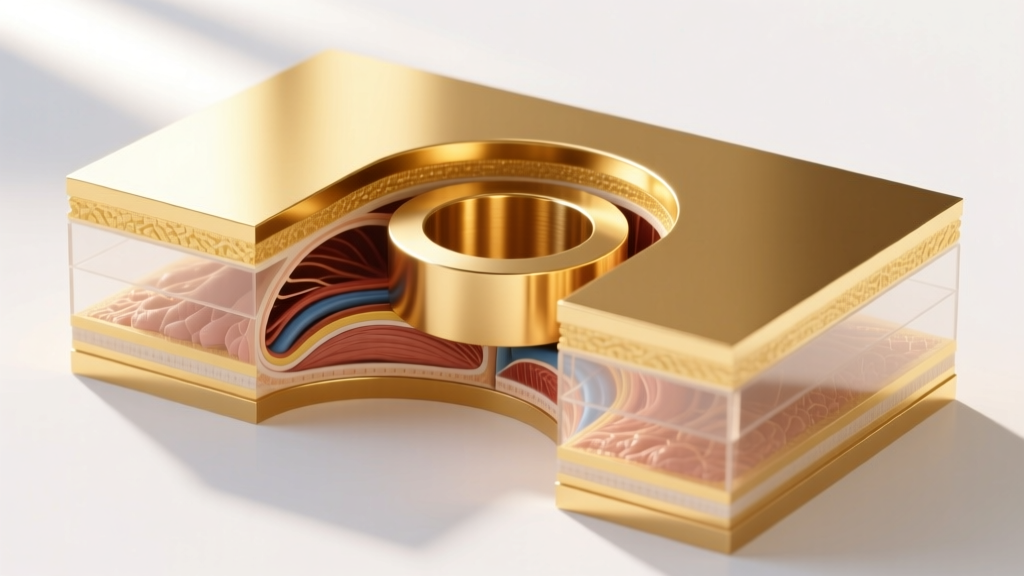
When consumers and collectors ask how long does gold filled jewelry last, the answer requires looking past marketing claims and examining the physical metallurgy of the piece. Unlike electroplated jewelry, which relies on a microscopic electrical deposition of gold ions, gold-filled material is created through a mechanical bonding process. A solid sheet of karat gold is heat-fused and pressure-bonded to a core metal—typically jeweler's brass (an alloy of copper and zinc) or occasionally copper.
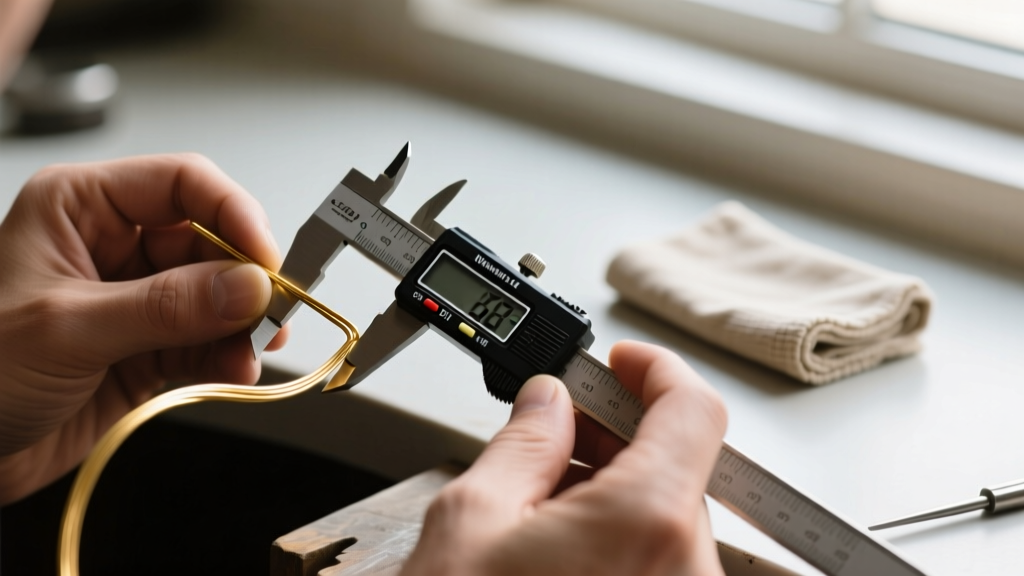
According to the Federal Trade Commission (FTC) Jewelry Guides, for an item to be legally stamped and sold as "gold filled" in the United States, the gold layer must constitute at least 1/20th (or 5%) of the total weight of the metal in the item. This strict weight ratio translates to a gold layer that is typically between 5 to 20 microns thick, depending on the manufacturer and the specific gauge of the wire or sheet used. This substantial thickness is the primary determinant of the jewelry's lifespan, providing a physical barrier that takes years of mechanical friction to breach.
Lifespan Data: How Long Does Gold Filled Jewelry Last by Item Type?
There is no single expiration date for gold-filled metals. The longevity is entirely dependent on the friction coefficient, environmental exposure, and the specific anatomy of the jewelry piece. A gold-filled pendant resting against the collarbone will experience vastly different wear rates compared to a gold-filled signet ring subjected to daily manual labor.
| Jewelry Type | Average Friction Level | Expected Lifespan (Daily Wear) | Primary Failure Mode |
|---|---|---|---|
| Rings & Bracelets | High (Constant contact) | 1 to 5 Years | Abrasion on the palmar surface, exposing the brass core. |
| Necklaces & Pendants | Low (Minimal friction) | 10 to 30+ Years | Clasp mechanism failure or chain link thinning at the jump rings. |
| Earrings (Studs/Hoops) | Low to Moderate | 5 to 15 Years | Bending of the post; localized wear on hoop closures. |
| Watch Bands & Cuffs | Moderate to High | 3 to 8 Years | Edge wear and micro-scratches accumulating into core exposure. |
Variables That Accelerate Gold Layer Depletion
Even with a robust 1/20th weight ratio, certain biological and environmental variables can drastically shorten the lifespan of gold-filled jewelry by degrading either the gold alloy itself or the structural integrity of the base metal.
Skin pH and Galvanic Corrosion
Human sweat is naturally acidic, typically ranging from a pH of 4.5 to 5.5. However, individuals with highly acidic sweat (pH below 4.5) or those who consume diets high in sulfur and chlorides can accelerate the chemical breakdown of the alloyed metals (copper and zinc) within the karat gold layer. More critically, if the gold layer is breached via a micro-scratch, sweat acts as an electrolyte. This creates a galvanic cell between the noble gold and the base brass core, leading to rapid galvanic corrosion. This is the exact mechanism that causes the dreaded "green skin" effect, as the copper in the brass core rapidly oxidizes and leaches onto the epidermis.
Stress Corrosion Cracking (SCC)
Exposure to chlorine—whether from swimming pools, hot tubs, or harsh household bleach—is catastrophic for gold-filled jewelry. Chlorine does not just tarnish the surface; it penetrates micro-fissures and attacks the zinc and copper in the brass core. This triggers Stress Corrosion Cracking (SCC), a metallurgical failure where the metal becomes brittle and suddenly snaps under normal tension, completely bypassing the gradual wear-through phase.
The Role of Karat Purity in Wear Resistance
The karatage of the outer gold layer fundamentally alters the physical hardness of the jewelry, directly impacting how long does gold filled jewelry last under abrasive conditions.
- 12k Gold Filled (50% Pure Gold): The highest durability. The 50% alloy mix (usually copper and silver) creates a rigid, scratch-resistant surface. Ideal for rings and bracelets, though the color is noticeably paler and less "buttery" than higher karats.
- 14k Gold Filled (58.3% Pure Gold): The industry standard. It offers the optimal compromise between the rich, warm color of pure gold and the structural hardness required for daily wear. Most high-quality gold-filled chains and findings are 14k.
- 18k Gold Filled (75% Pure Gold): Visually stunning with a deep, saturated yellow hue, but significantly softer. The higher pure gold content makes the outer layer more prone to micro-abrasions, meaning it will wear through to the brass core faster than 12k or 14k equivalents under identical friction levels.
Gold Filled vs. Vermeil vs. Gold Plated: A Structural Comparison
To understand the true value and lifespan of gold-filled pieces, it is necessary to contrast them with alternative gold finishes. The Gemological Institute of America (GIA) and industry metallurgists categorize these by their deposition methods and micron thicknesses.
| Metal Type | Base Metal | Gold Thickness | Bonding Method | Estimated Lifespan |
|---|---|---|---|---|
| Gold Filled | Brass / Copper | 5.0 - 20.0+ Microns | Heat & Pressure Mechanical Bond | 5 - 30 Years |
| Gold Vermeil | Sterling Silver (925) | 2.5 - 5.0 Microns | Electroplating | 2 - 10 Years |
| Gold Plated (Standard) | Brass / Copper / Steel | 0.5 - 1.0 Microns | Electroplating (Flash) | 6 Months - 2 Years |
| Heavy Gold Electroplate | Various Base Metals | 2.5+ Microns | Electroplating | 1 - 5 Years |
As the data illustrates, gold filled possesses a mechanical bond that is exponentially thicker than standard plating. While vermeil uses a superior base metal (sterling silver), its electroplated gold layer is still susceptible to peeling and flaking, a failure mode that rarely occurs in properly manufactured gold-filled items.
Expert Maintenance Protocols to Maximize Lifespan
Preserving the 1/20th gold layer requires a proactive maintenance routine designed to minimize mechanical abrasion and chemical degradation.
- Avoid Ultrasonic Cleaners: While ultrasonic waves are excellent for removing sebum and dirt from solid gold and diamonds, the high-frequency cavitation can exploit micro-fractures in the gold-filled layer, potentially causing delamination from the brass core over time.
- Neutralize Acids Post-Wear: If you sweat heavily or wear the jewelry in a humid environment, rinse the piece in lukewarm distilled water and pat dry with a microfiber cloth. This removes acidic salts before they can etch the gold alloy.
- Use Non-Abrasive Polishing: Never use traditional jeweler's rouge or harsh silver polishing cloths (which contain embedded chemical tarnish removers). These cloths are mildly abrasive and will strip microns of gold off the surface with every wipe. Use a dedicated, untreated microfiber jewelry cloth instead.
- Isolate During Storage: Store gold-filled chains and bangles individually in soft anti-tarnish pouches. The Mohs hardness of gold alloys means that pieces rubbing together in a communal jewelry box will cause micro-scratching, slowly thinning the outer gold layer.
When to Retire Your Gold Filled Pieces
Even with meticulous care, high-friction gold-filled items will eventually reach the end of their lifecycle. The definitive sign that a piece has failed is "brass bleed"—a localized patch where the gold layer has completely worn away, revealing the yellowish-brown brass core beneath. Once the core is exposed, the piece can no longer be polished back to its original state without professional re-plating, which is often cost-prohibitive for gold-filled items. At this stage, the piece should be retired from daily wear to prevent galvanic skin reactions and further structural degradation.


