How to Clean and Maintain White and Gold Jewelry
Learn expert techniques to clean, polish, and maintain white and gold jewelry. Discover safe protocols for two-tone pieces and mixed-metal stacks.

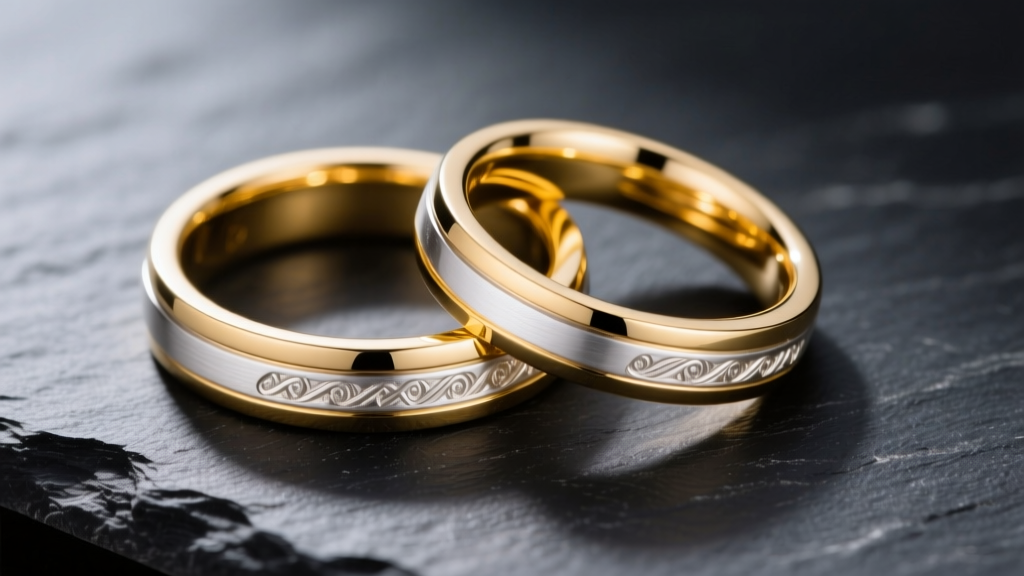
The Unique Challenge of Two-Tone and Mixed Metal Gold
The allure of white and gold jewelry—whether crafted as a seamless two-tone ring or curated as a mixed-metal stack of yellow and white gold bangles—lies in its striking contrast. However, maintaining this contrast requires a nuanced understanding of metallurgy. Unlike single-metal pieces, white and gold jewelry presents a dual-maintenance challenge. Yellow gold alloys and white gold alloys possess different hardness levels, scratch resistances, and surface treatments. As we navigate the evolving jewelry care standards of 2026, understanding the specific vulnerabilities of these combined metals is critical for preserving both their structural integrity and their aesthetic brilliance.
When you own white and gold jewelry, you are essentially managing two entirely different surface environments simultaneously. Yellow gold relies on its natural alloy composition (typically mixed with copper and silver for durability) to achieve its warm hue, while white gold is an alloy of pure gold and white metals like nickel, palladium, or zinc, which is almost always electroplated with a microscopically thin layer of rhodium. This fundamental difference dictates how you must approach cleaning, polishing, and daily wear.
The Metallurgy: Understanding Your Alloys
To properly care for white and gold jewelry, you must first understand what lies beneath the surface. According to the Gemological Institute of America (GIA), pure 24k gold is far too soft for daily wear. Therefore, jewelers alloy it with other metals. A standard 14k yellow gold piece contains 58.5% pure gold, with the remainder being copper and silver, giving it a Mohs hardness of roughly 2.5 to 3. This makes it relatively soft and prone to developing a natural patina over time.
White gold, conversely, achieves its silvery appearance through a combination of alloying and plating. The rhodium plating applied to white gold is exceptionally hard and highly reflective, but it is only about 0.75 to 1.0 microns thick. When cleaning two-tone white and gold jewelry, the primary risk is accidentally abrading the rhodium plating on the white sections while trying to polish the yellow gold sections. Using aggressive polishing compounds or stiff brushes will strip the rhodium, revealing the naturally yellowish-gray alloy beneath and ruining the visual contrast of the piece.
Step-by-Step Cleaning Protocol for White and Gold Jewelry
Routine cleaning is essential to remove the buildup of sebum, dead skin cells, and cosmetic residues that can dull both yellow and white gold. The Jewelers of America recommends a gentle, non-abrasive approach that protects the rhodium plating while effectively lifting grime from intricate settings.
- Prepare the Solution: Fill a small glass bowl with lukewarm water. Avoid hot water, as extreme temperature shifts can cause thermal shock to any gemstones set in your white and gold jewelry (particularly emeralds, opals, or tension-set diamonds). Add three to four drops of a mild, phosphate-free dish soap, such as Dawn.
- Soak Briefly: Submerge your two-tone or mixed-metal jewelry in the solution for 10 to 15 minutes. This allows the surfactants in the soap to break down the lipid bonds of skin oils trapped beneath the gallery and prongs.
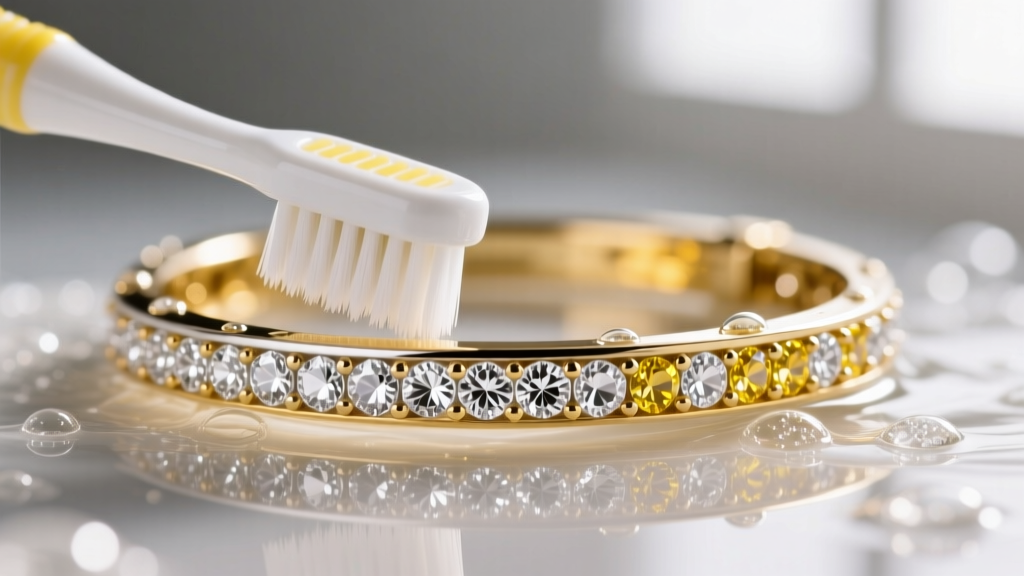
- Agitate Gently: Using an extra-soft baby toothbrush, gently sweep the bristles across the jewelry. Pay special attention to the pavé settings and the underside of the band. Always brush in the direction of the metal grain if visible, and avoid pressing hard on the prongs.
- Rinse Thoroughly: Place the jewelry in a fine-mesh strainer and rinse under a gentle stream of lukewarm water to ensure all soap residue is washed away. Soap film can dry on the rhodium plating, leaving a cloudy, iridescent stain.
- Dry Completely: Pat the piece dry with a lint-free microfiber cloth. Avoid paper towels or tissues, as the wood pulp fibers can cause micro-scratches on the highly polished yellow gold sections.
Chemical Exposure and Stress Corrosion Cracking
One of the most severe threats to white and gold jewelry is exposure to chlorine and harsh household chemicals. White gold alloys containing nickel or zinc are highly susceptible to a phenomenon known as Stress Corrosion Cracking (SCC). When these alloys are exposed to chlorine (found in swimming pools, hot tubs, and bleach-based cleaners), the chlorine attacks the base metals in the alloy at a molecular level. Over time, this causes microscopic fractures, particularly in areas of high stress like ring shanks and prong tips, eventually leading to catastrophic structural failure.
Furthermore, exposure to mercury (which can be found in older thermometers or certain specialized industrial environments) will cause gold to instantly form an amalgam, turning your beautiful yellow and white gold pieces a dull, silvery-gray color. While this can be reversed by a professional jeweler using a torch to vaporize the mercury, it is a preventable hazard. Always remove your white and gold jewelry before swimming, cleaning with bleach, or applying heavily chlorinated hair products.
What to Avoid: The 'Never Do This' List
- Never use toothpaste: Toothpaste contains hydrated silica, an abrasive with a Mohs hardness of around 6. This is harder than both gold and rhodium, and will leave permanent, cloudy scratch marks across your two-tone jewelry.
- Never use standard polishing cloths on white gold: Treated jeweler's cloths (like the popular Sunshine cloth) contain micro-abrasives designed to remove tarnish and light scratches from yellow gold. If you rub this cloth over the white gold sections, you will strip the rhodium plating almost immediately.
- Avoid ultrasonic cleaners for certain gems: While plain two-tone gold bands can safely withstand ultrasonic frequencies, any white and gold jewelry set with fracture-filled diamonds, pearls, emeralds, or opals will be destroyed by the high-frequency vibrations and heat.
- Never boil your jewelry: Some online 'hacks' suggest boiling gold jewelry to clean it. This can easily crack diamonds with internal inclusions and will degrade the epoxy used in some modern mixed-metal inlay designs.
Professional Maintenance and Re-Plating Schedules
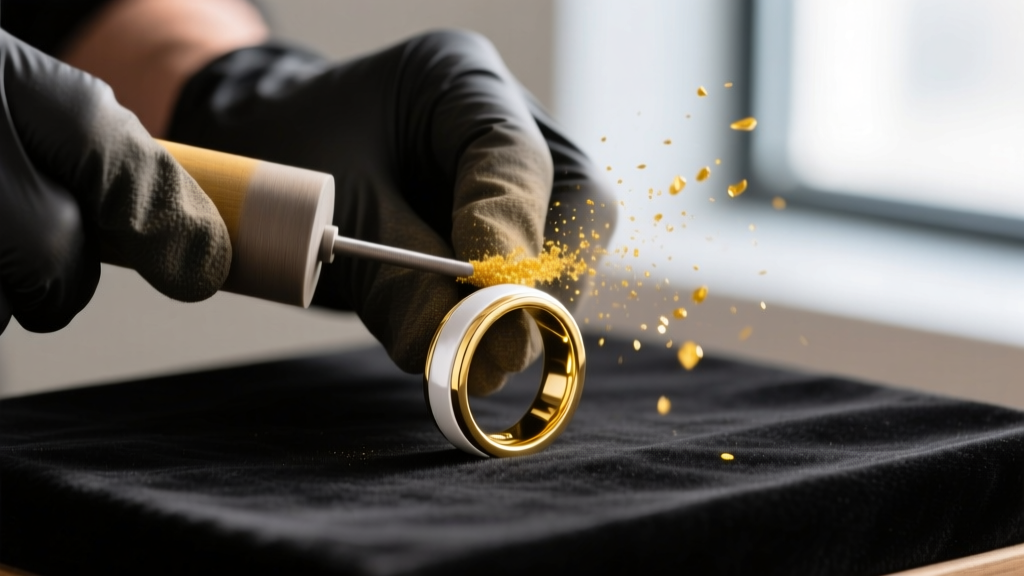
Even with meticulous at-home care, white and gold jewelry requires professional intervention to maintain its structural integrity and visual contrast. Polishing two-tone jewelry is an advanced skill; a jeweler must carefully mask or avoid the white gold sections while buffing out scratches on the yellow gold, as aggressive buffing will wear away the rhodium. Below is a recommended maintenance schedule based on industry standards from the American Gem Society.
| Maintenance Task | Recommended Frequency | Impact on White Gold | Impact on Yellow Gold |
|---|---|---|---|
| Mild Soap Wash | Weekly | Safe, preserves rhodium finish | Safe, removes dulling skin oils |
| Ultrasonic Cleaning | Monthly (Plain bands only) | Safe, but check prong tightness | Safe, dislodges deep debris |
| Professional Inspection | Every 6 Months | Check for rhodium wear and prong lifting | Check for shank thinning and patina |
| Professional Polishing | Annually (If heavily scratched) | Will strip rhodium; requires immediate re-plating | Removes scratches; restores high polish |
| Rhodium Dipping | Every 1 to 3 Years | Restores bright, reflective white finish | N/A (Does not affect yellow gold) |
Expert Insight: If your two-tone ring features a brushed or matte finish on the yellow gold section, inform your jeweler before any cleaning or re-plating. The chemical pickling process used to prepare white gold for rhodium plating can alter the oxidation layer that creates the matte finish on yellow gold, requiring the jeweler to re-apply the texture manually.
Storing Mixed Metal Stacks Safely
Proper storage is the final pillar of maintaining white and gold jewelry. When storing mixed-metal stacks or two-tone pieces, physical contact between different jewelry items can lead to cross-scratching. Because 18k yellow gold is softer than 14k white gold (due to the higher pure gold content and the hardness of the nickel/palladium alloy), an 18k yellow gold bangle will easily be scratched if stored in the same compartment as a 14k white gold chain.
Invest in a jewelry box with individual, fabric-lined compartments. For travel, use soft flannel pouches for each piece. Additionally, ensure your storage environment is climate-controlled; high humidity can accelerate the degradation of the alloy metals in white gold, leading to a faster breakdown of the rhodium plating. By respecting the distinct metallurgical properties of both the white and yellow components, your white and gold jewelry will retain its breathtaking contrast and structural resilience for generations.


