Understanding Gold in Quartz Jewelry: A Beginner Guide
Discover how to evaluate, buy, and care for natural gold in quartz jewelry. Learn about grading, pricing, and authenticity in this beginner guide.

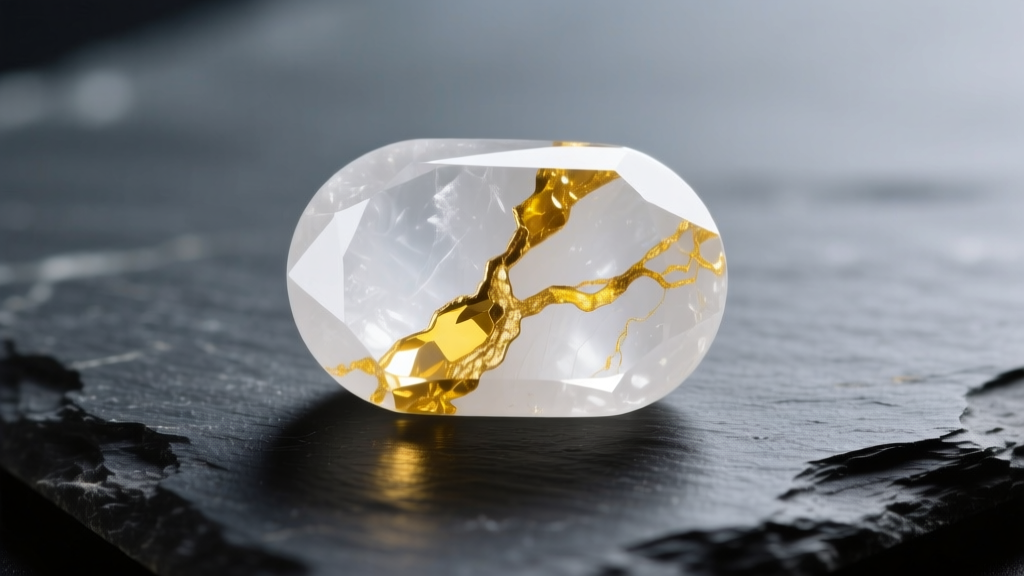
What Exactly Is Gold in Quartz?
When most people think of gold jewelry, they picture refined, alloyed metals cast into rings or chains. Gold in quartz jewelry, however, is an entirely different beast. It features native gold—gold in its natural, unrefined state—still locked within its original host rock, usually a milky white quartz matrix. This creates a striking, high-contrast aesthetic that appeals to mineral collectors and bespoke jewelry enthusiasts alike.
Geologically, these specimens form in hydrothermal veins deep within the earth. Superheated, mineral-rich water forces its way into rock fractures. As the fluid cools, silica precipitates out to form quartz, while dissolved gold settles into the cracks, creating intricate webs, ribbons, and sponge-like pockets of precious metal. According to mineralogical databases like Mindat, native gold is rarely pure 24-karat; it is almost always a natural alloy containing silver, known as electrum, which typically ranges from 70% to 90% gold purity.
Because every specimen is a unique geological fingerprint, no two pieces of gold in quartz jewelry are exactly alike. This inherent rarity makes it a favorite among lapidary artists who specialize in one-of-a-kind, rustic, or nature-inspired fine jewelry.
The Lapidary Challenge: Cutting and Polishing
Transforming a raw gold-in-quartz rock into a wearable cabochon or faceted gem is a masterclass in lapidary skill. The primary hurdle is the drastic mismatch in hardness on the Mohs scale. Quartz sits at a durable 7, while native gold is incredibly soft, ranging from 2.5 to 3.
When a lapidary grinds the stone on a diamond wheel, the quartz holds its shape, but the softer gold wears away much faster—a problem known as undercutting. If not managed carefully, the gold can be completely polished out of the stone, leaving behind empty, pitted voids.
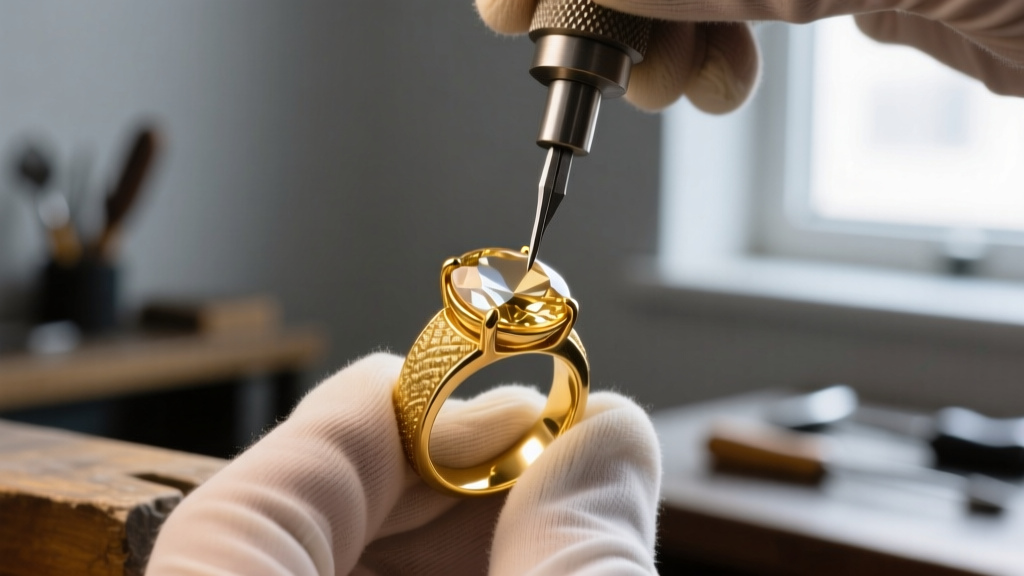
To combat this, expert lapidaries use specialized stabilization techniques. Before final polishing, they may impregnate the stone with a gem-grade stabilizer (like Opticon) or a clear, hardening epoxy. This fills the microscopic pores and binds the soft gold to the surrounding quartz, allowing the artist to achieve a smooth, unified polish without destroying the gold veins. When buying high-end pieces, it is perfectly acceptable to ask the jeweler if and how the specimen was stabilized, as this is an industry-standard practice for preservation.
Grading and Valuing Specimens
Unlike traditional gemstones graded by the GIA's 4Cs, gold in quartz is evaluated based on specimen aesthetics, contrast, and the visual percentage of gold. The origin of the quartz also plays a massive role in valuation, with famous locales like Mariposa, California, and Kalgoorlie, Australia, commanding premium prices.
Valuation Framework for Beginners
| Grading Factor | Ideal Characteristic | Impact on Price |
|---|---|---|
| Contrast | Bright, buttery yellow gold against stark, snow-white quartz. | Highest. Smoky or grey quartz lowers the visual pop and the price. |
| Pattern & Aesthetics | Webbing, ribbon structures, or 'sponge' gold that looks dynamic. | High. Artistic patterns make for better centerpieces in pendants. |
| Gold Visibility | Gold visible on multiple planes (top and sides of the cabochon). | Moderate to High. More visible gold equates to higher intrinsic value. |
| Matrix Inclusions | Clean quartz. Minimal iron staining, pyrite, or dirt inclusions. | Negative impact if heavily stained; some pyrite can add character. |
Pricing Reality Check: A small, low-contrast 15mm cabochon with minimal gold might cost between $50 and $150. Conversely, a high-contrast, 30mm Mariposa specimen featuring thick, visible ribbons of gold can easily command $2,000 to $5,000+ before the cost of the custom gold bezel setting is even factored in.
Spotting Fakes: Natural vs. Synthetic or 'Salted'
Because high-quality natural specimens are expensive, the market is unfortunately flooded with fakes. As a beginner, you must know what to look for to avoid being scammed.
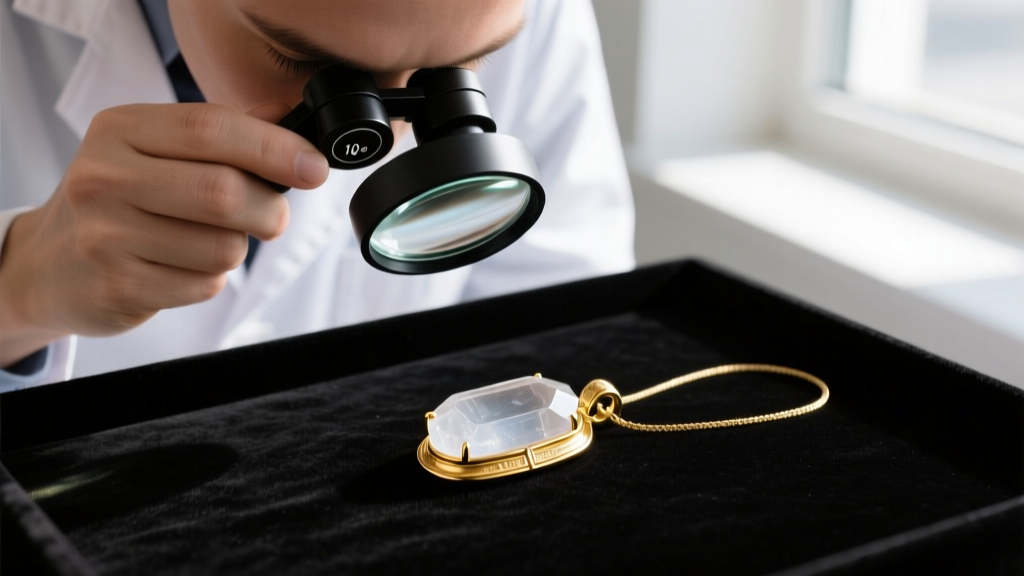
- 'Salted' or Glued Nuggets: Unscrupulous sellers will take barren white quartz and superglue small gold panning flakes or nuggets into natural-looking crevices. The Test: Examine the edges of the gold under a 10x jeweler's loupe. If you see a meniscus of clear epoxy, a glue ring, or if the gold looks like it is 'floating' on top of the rock rather than growing out of it, walk away.
- Synthetic Quartz with Gold Leaf: Some manufacturers create lab-grown quartz and embed 24k gold leaf inside during the crystallization process. While beautiful, this is a manufactured novelty, not a natural mineral specimen. It should be sold at a fraction of the cost of native gold.
- Dyed Quartz: Low-grade grey quartz is sometimes acid-washed and dyed white to improve contrast. Look for unnatural, chalky white quartz with dye concentrations in the micro-fractures.
The Weight Test
Gold is exceptionally dense, with a specific gravity of 19.3, compared to quartz at 2.65. A genuine piece of gold in quartz jewelry will feel surprisingly heavy for its size—noticeably heavier than a standard turquoise or agate cabochon of the exact same dimensions. If a large pendant feels suspiciously light, the 'gold' is likely pyrite (fool's gold) or brass filings.
Caring for Your Gold in Quartz Jewelry
Caring for these pieces requires an understanding of their dual nature. While the quartz is highly scratch-resistant, the exposed native gold is incredibly soft and prone to denting.
Golden Rule of Care: Never put gold in quartz jewelry in an ultrasonic cleaner. The high-frequency vibrations can fracture internal quartz tensions or shake loose fragile gold veins that were naturally resting in open vugs (cavities).
Instead, clean your jewelry using lukewarm water, a drop of mild dish soap, and a baby-soft toothbrush. Gently brush the quartz to remove skin oils and lotion buildup, which can dull the contrast between the white stone and yellow metal. Dry thoroughly with a microfiber cloth. When storing, keep the piece in a soft velvet pouch separate from diamonds or sapphires, which can easily scratch the exposed gold.
Where to Buy Authentic Pieces
You will rarely find authentic, high-grade gold in quartz jewelry in standard retail mall jewelers. To acquire genuine pieces, you need to look toward specialized channels:
- Master Lapidary Artists: Search for custom lapidaries on platforms like Instagram or specialized gem forums. These artists cut their own cabs and usually provide the exact mine origin of the rough.
- Mineral and Gem Shows: Events like the Tucson Gem and Mineral Show are premier destinations. You can buy directly from miners and expert cutters, allowing you to inspect the stones in person.
- Specialized Mineral Jewelers: Look for online boutiques that specialize in 'mineralogical jewelry' or 'natural specimen jewelry.' Ensure they offer a certificate of authenticity or a detailed breakdown of the stone's origin and any stabilization treatments used.
By understanding the geology, the lapidary process, and the grading metrics, you can confidently navigate the market. Gold in quartz jewelry is more than just an accessory; it is a wearable piece of earth's history, blending raw natural beauty with human craftsmanship.


