Gold Jewelry Tester Guide: Budget Options vs Professional Value
Discover which gold jewelry tester offers the best ROI. We compare budget acid kits, electronic testers, and XRF guns for buyers.

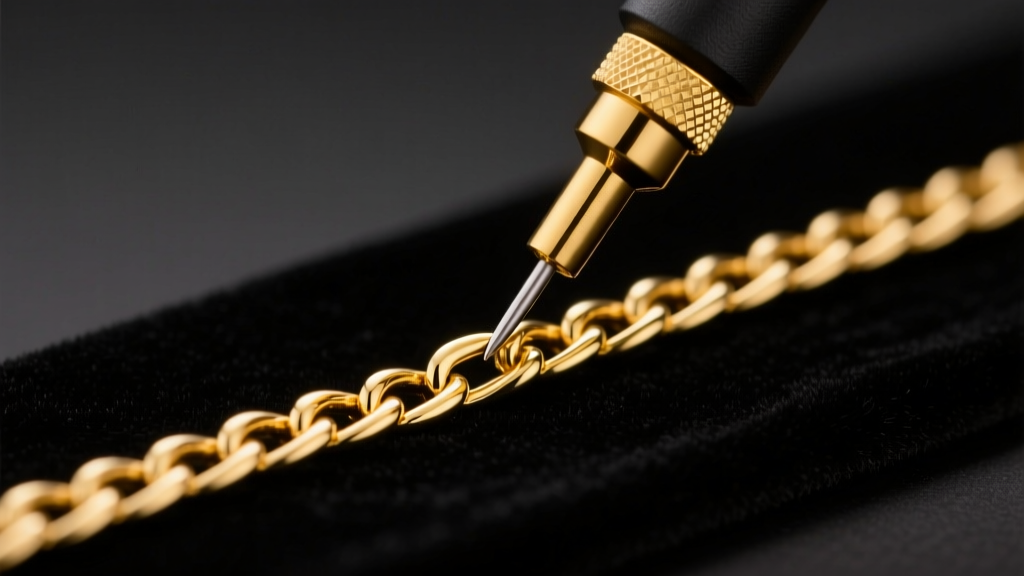
The Financial Reality of Gold Verification
When navigating the secondary market for precious metals, the line between a lucrative acquisition and a costly mistake is measured in microns. As we move through 2026, counterfeit manufacturing has evolved far beyond simple gold-plated brass. Today's bad actors utilize tungsten cores, sophisticated electroplating, and laser-stamped hallmarks to deceive even seasoned buyers. For anyone serious about budget and value assessment, investing in a reliable gold jewelry tester is not an optional expense; it is a fundamental risk mitigation strategy.
According to the Gemological Institute of America (GIA), gold alloys are defined by their precise metallic composition, meaning any deviation in karat purity directly impacts the melt value and resale premium. But which testing methodology offers the highest return on investment for your specific buying volume? Let us break down the market tiers, hidden costs, and practical applications of modern gold testing equipment.
Tier 1: Chemical Acid Test Kits (The Budget Baseline)
For under $30, a standard liquid acid test kit remains the most accessible entry point for hobbyists and estate sale flippers. These kits rely on novaculite testing stones and varying concentrations of nitric acid and aqua regia to trigger an oxidization reaction on the gold sample.
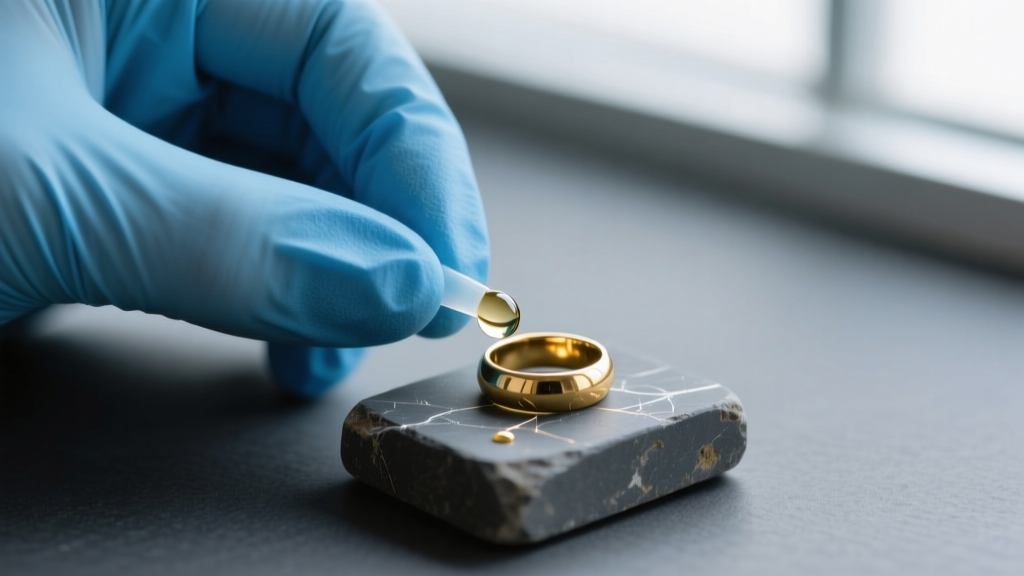
How the Chemistry Dictates Value
- 10K & 14K Testing: Utilizes standard nitric acid. If the streak on the stone remains bright and unchanged, the gold is genuine. A milky reaction indicates silver or white gold over base metal, while a green fizz signals copper or brass.
- 18K & 22K Testing: Requires aqua regia (a volatile mix of nitric and hydrochloric acid). The reaction speed and color shift (ranging from bright yellow to reddish-brown) dictate the exact karat bracket.
Value Assessment: While the initial capital outlay is minimal, the 'hidden cost' of acid testing is its destructive nature. You must physically file or scratch the piece to bypass surface plating, which can diminish the numismatic or antique value of vintage jewelry.
Tier 2: Mid-Range Electronic Testers (The Consumer Sweet Spot)
Stepping into the $150 to $600 range, electronic gold jewelry testers measure the electrochemical conductivity of the metal. Devices like the renowned Kee Gold Tester or the GemOro Aurum series utilize a testing fluid that acts as an electrolyte, allowing a microcurrent to pass between the probe and the gold item.
Pros, Cons, and Calibration Realities
Unlike harsh acids, the electrolyte fluids used in these machines are generally non-corrosive and safe for delicate gemstone settings. The digital or analog needle display provides an immediate karat reading, usually categorized into 10K, 14K, 18K, and 24K brackets. However, budget assessment requires factoring in the recurring cost of calibration fluids and probe replacements. A standard Kee tester requires periodic calibration using a known 14K gold sample to ensure the sensor's baseline resistance is accurate. If you are processing more than ten pieces a month, the time saved and the elimination of destructive scratching make electronic testers the undisputed champions of mid-tier ROI.
Tier 3: X-Ray Fluorescence (XRF) Spectrometers (The Professional Standard)
When you enter high-volume pawn, refining, or institutional buying, chemical and basic electronic testers fall short. XRF analyzers, such as the Thermo Fisher Niton or Olympus Delta series, fire X-rays into the metal and measure the fluorescent energy emitted by the atoms. This provides a complete elemental breakdown—not just the gold content, but the exact percentages of copper, silver, zinc, and nickel.
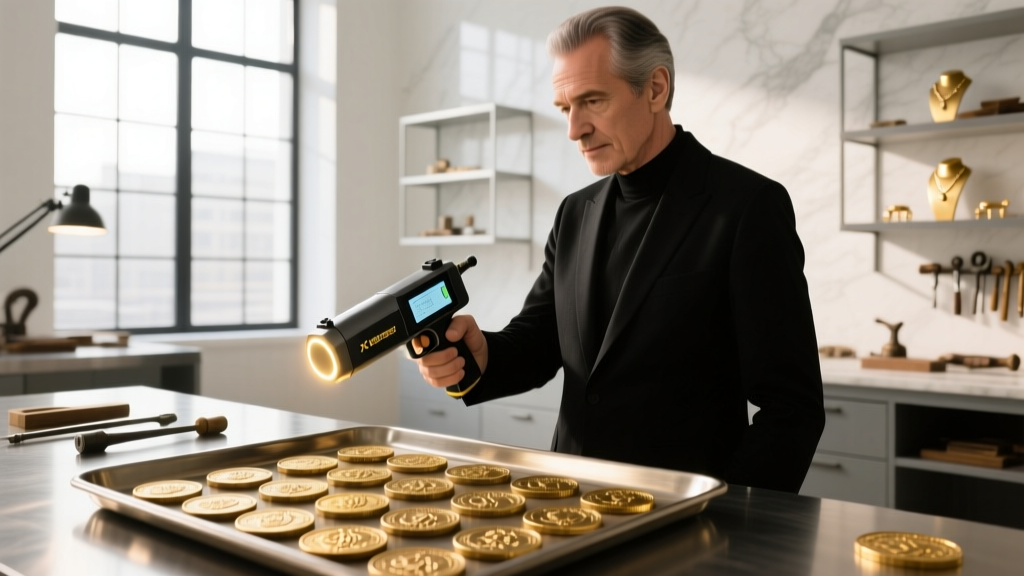
The Budget Reality of XRF Technology
With price tags ranging from $15,000 to over $35,000, an XRF gun is entirely out of scope for the casual investor. However, understanding its existence is vital for your value assessment strategy. When purchasing high-value items (such as 1oz gold coins or heavy investment chains), outsourcing the test to a local refiner or jeweler who possesses an XRF machine costs between $10 and $25. This nominal fee is a fractional insurance premium against catastrophic loss.
Value Assessment Matrix: Which Tester Fits Your Portfolio?
| Testing Method | Estimated Cost | Destructive? | Accuracy Level | Best Use Case |
|---|---|---|---|---|
| Liquid Acid Kit | $15 - $30 | Yes (Scratch required) | Moderate (Karats brackets) | Occasional estate sale finds |
| Electronic Tester | $150 - $600 | No (Surface contact) | High (Standard alloys) | Frequent flippers & jewelers |
| XRF Spectrometer | $15,000+ | No (Deep penetration) | Exact (Elemental %) | Refineries, pawn shops, banks |
| Specific Gravity Scale | $20 - $50 | No (Water displacement) | High (Solid items only) | Verifying coins & heavy bars |
The 'Tungsten Threat' and Testing Limitations
No budget or value assessment is complete without addressing the elephant in the room: tungsten. Tungsten has a specific gravity of 19.25 g/cm³, which is nearly identical to pure gold's 19.32 g/cm³. Furthermore, it is a diamagnetic metal, meaning it will not trigger a basic metal detector or magnetic slide test.
If a bad actor manufactures a 14K gold chain with a thick tungsten core and a heavy gold outer shell, both acid tests (which only read the surface) and basic electronic testers will return a 'pass' result. To defeat this without a $20,000 XRF gun, buyers must employ a multi-tiered testing protocol combining surface conductivity testing with ultrasonic thickness gauging or destructive filing on a discreet link.
Step-by-Step Value Protocol for Secondhand Gold Buys
To maximize your budget and protect your capital, implement this strict verification sequence before exchanging funds for any gold jewelry over $200:
- Visual & Hallmark Audit: Use a 10x jeweler's loupe to inspect the clasp and inner bands. Look for signs of 'bleeding' base metals or mismatched solder joints, which indicate repaired or plated items.
- The Magnet Slide Test: While gold is non-magnetic, many counterfeit clasps contain steel springs. More importantly, use an angled neodymium magnet slide; pure gold exhibits a very slight diamagnetic drag, whereas ferromagnetic fakes will stick.
- Skin & Sound Test: Drop a heavy gold coin or solid bangle on a glass surface. Genuine gold emits a dull, heavy 'thud' due to its density, whereas brass or tungsten composites produce a higher-pitched 'clink'.
- Electronic or Acid Verification: Apply your chosen gold jewelry tester to the most worn area of the piece (e.g., the back of a pendant or the inner curve of a ring), as plating wears thinnest here.
Ultimately, the Federal Trade Commission (FTC) maintains strict guidelines on how gold purity must be disclosed in commercial transactions, but the secondary market operates on a 'buyer beware' paradigm. Equipping yourself with the right testing technology ensures that your budget is spent on genuine precious metals, preserving your portfolio's intrinsic value for years to come.


